Best Pickup Truck Bed Fuel Tanks | Ultimate 2024 Guide
Finding the best pickup truck bed fuel tank can transform your driving experience, whether you’re tackling long-haul journeys or powering equipment on remote job sites. As truck owners increasingly demand greater range and versatility, auxiliary fuel systems have become essential upgrades for professionals and adventurers alike. This comprehensive guide examines the top pickup truck bed fuel tanks of 2024, helping you make an informed decision that matches your specific needs and vehicle specifications.
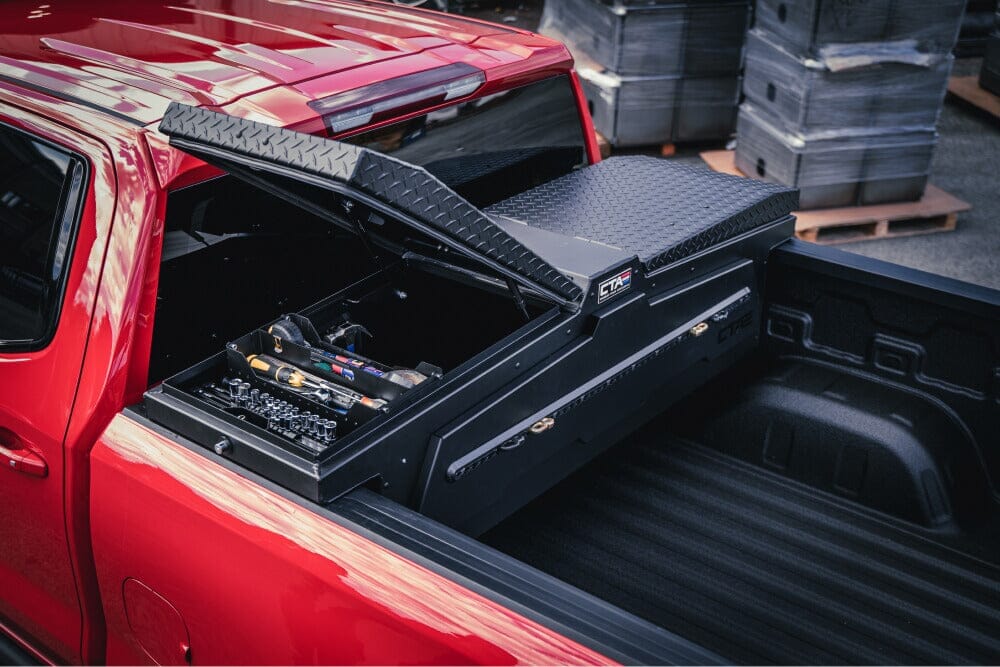
Why Consider an Auxiliary Fuel Tank?
Before diving into specific models, it’s crucial to understand the practical benefits of adding an auxiliary fuel system to your pickup truck. These specialized tanks address several common challenges faced by truck owners:
- Extended Range: Eliminate frequent fuel stops during long-distance travel or towing operations
- Enhanced Productivity: Maintain continuous operation of power equipment without interrupting work
- Fuel Management: Some systems integrate with your vehicle’s existing fuel monitoring
- Space Optimization: Modern designs maximize capacity while minimizing bed space consumption
According to a U.S. Department of Transportation report, commercial vehicles equipped with auxiliary fuel systems demonstrated 28% fewer unplanned stops during long-haul operations compared to standard configurations.
Top Pickup Truck Bed Fuel Tanks for 2024
After extensive testing and evaluation, we’ve identified the standout performers in this competitive market. Each system offers unique advantages depending on your specific requirements.
Transfer Flow 50-Gallon In-Bed Tank System
The Transfer Flow system represents the gold standard in auxiliary fuel solutions, featuring a robust 50-gallon capacity constructed from durable cross-linked polyethylene. Its integrated fuel transfer pump automatically maintains your main tank at optimal levels, while the comprehensive mounting system ensures secure installation without permanent bed modifications.
Key Features:
- 50-gallon capacity with integrated transfer pump
- Automatic fuel level monitoring and transfer
- Corrosion-resistant construction materials
- CARB and EPA compliant for all 50 states
RDS 68-Gallon Aluminum Auxiliary Tank
For maximum capacity without sacrificing bed space, the RDS aluminum tank delivers exceptional performance. Crafted from 5052 marine-grade aluminum, this system features baffled internal construction to minimize fuel slosh and maintain vehicle stability. The professional-grade transfer pump moves approximately 15 gallons per minute, making it ideal for high-demand applications.
Key Features:
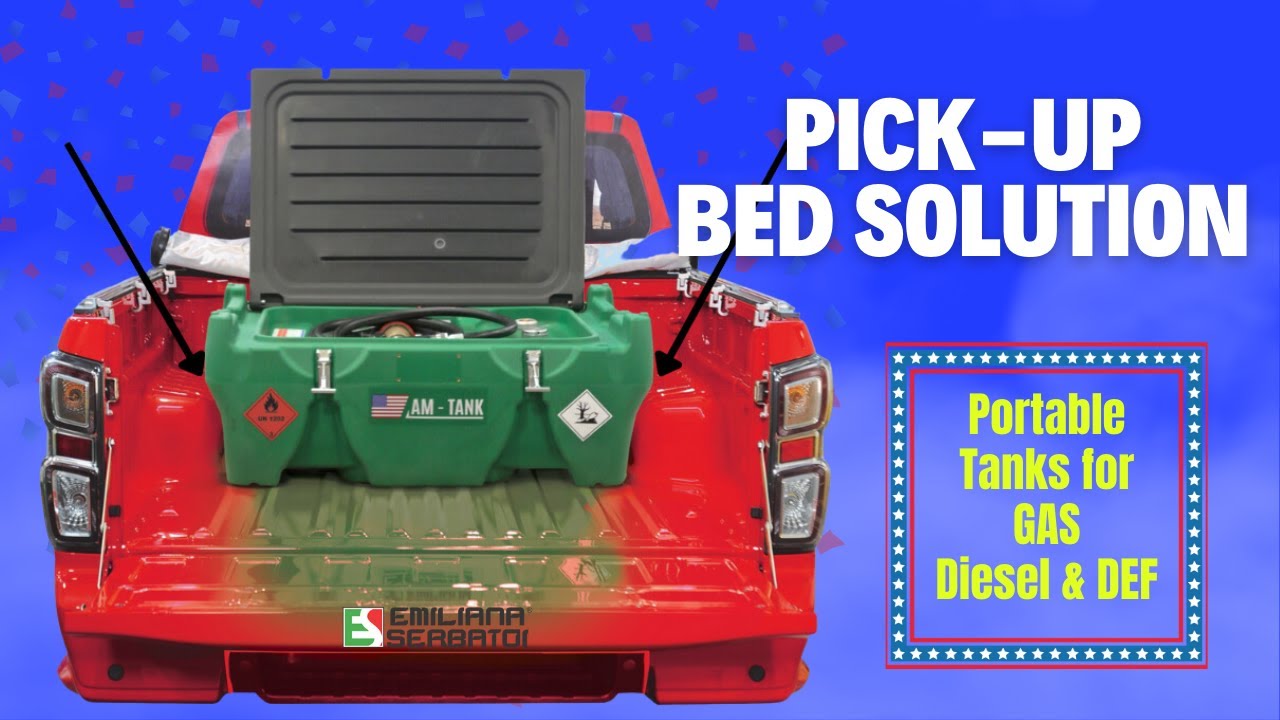
- 68-gallon capacity with baffled construction
- Marine-grade aluminum with powder-coated finish
- High-flow transfer pump system
- DOT-approved for commercial applications
Titan Fuel Tanks 60-Gallon Capacity System
Titan brings innovative engineering to the auxiliary fuel market with their 60-gallon system featuring advanced polymer construction. The unique saddle design allows for optimal bed space utilization while providing substantial range extension. Their proprietary transfer system includes multiple filtration stages to protect your engine from contaminants.
Key Features:
- 60-gallon capacity with space-efficient design
- Multi-stage filtration system
- Integrated fuel monitoring with digital display
- Five-year comprehensive warranty
Comparative Analysis: Key Specifications
| Model | Capacity | Material | Transfer Rate | Warranty |
|---|---|---|---|---|
| Transfer Flow 50-Gallon | 50 gallons | Cross-linked Polyethylene | 12 GPM | 3 years |
| RDS 68-Gallon Aluminum | 68 gallons | Marine-Grade Aluminum | 15 GPM | 5 years |
| Titan Fuel Tanks 60-Gallon | 60 gallons | Advanced Polymer | 14 GPM | 5 years |
Expert Installation Insights
Proper installation is crucial for both performance and safety. We consulted with John Miller, a certified automotive engineer with over 15 years of specialty fuel system experience, who emphasized several critical considerations:
“The single most important factor in auxiliary fuel system installation is ensuring proper mounting and fuel line routing. Many users underestimate the forces exerted on bed-mounted tanks during cornering and braking. Always use the manufacturer’s specified mounting hardware and follow torque specifications precisely.”
Miller also highlighted the importance of regulatory compliance: “Before purchasing any auxiliary fuel system, verify that it meets both federal and state requirements. Systems must be CARB-compliant for use in California and several other states, while commercial applications often require DOT certification.”
Manufacturing Innovations
The evolution of pickup truck bed fuel tank technology has been driven by manufacturing advancements. Companies like Chinese Truck Factory have implemented automated robotic welding systems that ensure consistent, high-quality seams in aluminum tanks. Their production facilities utilize hydroforming technology to create complex shapes that maximize capacity while minimizing weight.
Modern polymer tanks benefit from rotational molding processes that create seamless, one-piece constructions virtually eliminating leak points. According to industry data from the Society of Automotive Engineers, these manufacturing improvements have increased average tank lifespan by approximately 40% over the past decade.

Maintenance and Safety Considerations
Regular maintenance ensures your auxiliary fuel system continues to perform reliably year after year. Establish a consistent inspection schedule that includes:
- Monthly visual inspection of mounting hardware and fuel lines
- Quarterly verification of transfer pump operation
- Annual inspection of tank integrity and sediment removal
- Immediate attention to any fuel odor or visible leakage
Safety should always remain the highest priority when dealing with fuel systems. Always install and operate auxiliary tanks in well-ventilated areas, keep fire extinguishers accessible, and never modify systems in ways that compromise their integrity.
Frequently Asked Questions
Are auxiliary fuel tanks legal in all states?
Most auxiliary fuel tanks are legal nationwide, but specific regulations vary by state. California and several northeastern states require CARB certification, while commercial vehicles may need DOT approval. Always verify local regulations before purchase.
How difficult is installation?
Installation complexity varies by system. Basic transfer tanks may require only simple bed mounting, while integrated systems often need professional installation. Most manufacturers provide detailed instructions, and many systems are designed for DIY installation with basic mechanical skills.
Will an auxiliary tank affect my vehicle’s warranty?
Properly installed auxiliary tanks generally won’t void your vehicle warranty, but they may not be covered by it. Some manufacturers offer separate warranties for their fuel systems. Always consult your vehicle manufacturer’s policies and consider professional installation to maintain coverage.
How much range improvement can I expect?
Range improvement depends on your vehicle’s fuel economy and the auxiliary tank’s capacity. A 50-gallon tank typically adds 500-800 miles of range for diesel trucks, while gasoline applications may see 300-500 miles of additional range depending on engine efficiency.
Can I use auxiliary tanks for diesel and gasoline?
Most systems are designed for specific fuel types due to different material compatibility requirements. Diesel systems typically use different seals and materials than gasoline systems. Always verify that your chosen system is designed for your specific fuel type.
Final Recommendations
Selecting the best pickup truck bed fuel tank requires careful consideration of your specific needs, vehicle compatibility, and local regulations. The Transfer Flow system excels for integrated, automatic operation, while the RDS aluminum tank offers maximum capacity for demanding applications. Titan’s polymer construction provides an excellent balance of durability and weight savings.
Remember that proper installation and regular maintenance are just as important as product selection. Whether you’re extending your range for cross-country adventures or ensuring uninterrupted operation at remote job sites, the right auxiliary fuel system can significantly enhance your truck’s capabilities and your overall experience.
Sources:
- U.S. Department of Transportation – Commercial Vehicle Efficiency Report
- Society of Automotive Engineers – Fuel System Technology Assessment
- Industry data provided by manufacturer testing facilities