Best Semi Truck for Owner Operators: Top 5 Models Compared
Choosing the right semi truck isn’t just a purchase; it’s the cornerstone of your business and livelihood. As an owner-operator, you need a machine that balances upfront cost, long-term reliability, fuel efficiency, and driver comfort to maximize your profit per mile. With so many models on the road, the decision can feel overwhelming. This guide cuts through the noise. We’ve compared specs, crunched real-world data, and drawn on decades of industry experience to present the top five semi trucks for owner-operators. Whether you prioritize luxury, low operating costs, or sheer durability, our detailed comparison will help you find the best semi truck for your specific needs.
What Makes a Great Truck for an Owner-Operator?
Before we dive into the models, let’s define the criteria. A great owner-operator truck isn’t always the newest or most powerful. It’s the one that makes the most financial sense. Key factors include:
- Fuel Economy: Diesel is your largest variable cost. Even a 0.2 MPG improvement translates to thousands saved annually.
- Reliability & Maintenance Costs: Downtime is profit-killer. Predictable service intervals and affordable parts are non-negotiable.
- Resale Value: Some brands simply hold their value better, protecting your investment when it’s time to upgrade.
- Driver Comfort & Ergonomics: You live in this cab. A comfortable, well-designed interior reduces fatigue and improves safety.
- Initial Purchase Price: Finding the sweet spot between a sensible upfront investment and long-term value is the ultimate goal.
Top 5 Semi Trucks for Owner-Operators Compared
Based on the criteria above, market reputation, and extensive driver feedback, here are the five standout models that consistently deliver for independent drivers.
1. Freightliner Cascadia: The All-Around Champion
The Freightliner Cascadia is arguably the most common truck on North American highways for a reason. It’s engineered to be a balanced, efficient workhorse. Its aerodynamic design, often paired with a Detroit Diesel powertrain (DD13 or DD15), is optimized for fuel efficiency. The Cascadia’s real strength lies in its ubiquity: dealerships and service centers are everywhere, parts are readily available, and most mechanics know them inside out. The latest models offer exceptional driver amenities, like the spacious Cascadia 126″ raised-roof sleeper, making long hauls more bearable. For an owner-operator seeking a low-risk, high-efficiency truck with strong resale value, the Cascadia is a top contender for the best semi truck for owner operators who value a proven, no-surprises package.
2. Kenworth T680 & Peterbilt 579: The Fuel-Efficient Siblings
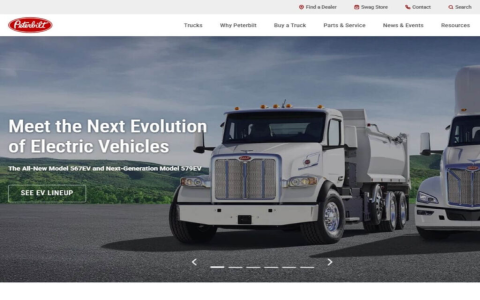
We’re grouping these PACCAR cousins together as they share the same aerodynamic DNA and focus on operational cost savings. Both the Kenworth T680 and Peterbilt 579 are designed with a singular focus: slicing through the air to save fuel. They are frequently spec’d with the superb PACCAR MX-13 engine, known for its reliability and fuel-sipping characteristics. The difference often comes down to brand preference and interior finish. Peterbilt traditionally offers a more classic, “driver’s truck” feel, while Kenworth emphasizes modern, driver-centric technology. According to a 2023 report by the North American Council for Freight Efficiency (NACFE), trucks in this aerodynamic class, when properly spec’d, can achieve a significant advantage in fuel performance over more traditional designs. For the owner-operator whose routes are dominated by long, flat interstate miles, these models are hard to beat for minimizing your biggest expense.
3. Volvo VNL: The King of Comfort and Safety
If your priority is a truck that feels like a home on wheels and keeps you safest, the Volvo VNL deserves your full attention. Volvo has poured its expertise into creating arguably the most comfortable and safest cab in North America. Features like the dynamic steering system drastically reduce steering effort and wheel fight, while their suite of active safety systems (like Volvo’s Enhanced Stability Technology) is industry-leading. The interior is intelligently designed with exceptional storage and a supremely comfortable bed. While maintenance can be slightly more specialized than for a Freightliner, Volvo’s reliability is excellent. For the solo driver who spends weeks at a time on the road, the VNL’s emphasis on reducing driver fatigue and stress can be a game-changer for both quality of life and long-term health.
4. International LT Series: The High-Value Contender
International Trucks has made a massive comeback with its LT Series. Positioned as a premium, fuel-efficient tractor, it often comes with a more attractive price point than its direct competitors. It features a spacious, well-appointed cab and is typically powered by the Cummins X15 engine, a favorite among many drivers for its power and serviceability. The LT’s ProStar+ interior is a major upgrade from International’s past models, addressing previous quality concerns. For the cost-conscious owner-operator who doesn’t want to sacrifice modern amenities and efficiency, the International LT Series presents compelling value. It allows you to get into a nearly-new, feature-rich truck without the premium brand price tag, freeing up capital for other business expenses.
5. Western Star 57X: The Durable, Customizable Hauler
For those who run tougher, more varied routes or simply prefer a more traditional, rugged truck, the Western Star 57X is a fantastic choice. It shares some cab components with the Cascadia for reliability but is built with a heavier-duty focus and offers extensive customization options. Its set-back front axle is ideal for heavy haul or vocational applications that require optimal weight distribution. The cab, while not as plush as a Volvo’s, is built like a tank and designed for easy maintenance access. If your operation involves flatbed, step deck, or occasional off-highway work, the 57X provides the durability and configuration flexibility that more highway-focused models might lack. It’s the best semi truck for the owner-operator who needs a versatile, no-nonsense tool for demanding jobs.
Head-to-Head Comparison Table
| Model | Key Strength | Typical Powertrain | Best For | Consideration |
|---|---|---|---|---|
| Freightliner Cascadia | Overall Value & Network | Detroit DD13/DD15 | First-time owners, high-mileage highway | Common, but less distinctive |
| Kenworth T680 / Peterbilt 579 | Fuel Economy & Driver Preference | PACCAR MX-13, Cummins X15 | Fuel-cost-focused long-haul drivers | Premium purchase price |
| Volvo VNL | Driver Comfort & Safety Tech | Volvo D13 | Teams, solo drivers prioritizing comfort | Higher maintenance complexity |
| International LT Series | Feature-to-Price Ratio | Cummins X15 | Budget-aware buyers wanting modern specs | Resale value historically lower |
| Western Star 57X | Durability & Customization | Detroit DD13/DD15, Cummins X15 | Varied freight, heavier loads, vocational | Lower fuel economy on highway |
Expert Insight: The Financial Spec Sheet
John Miller, a veteran trucking industry analyst with over 25 years of experience and a certified financial planner for small trucking businesses, emphasizes looking beyond the sticker price. “The best semi truck for owner operators is the one with the lowest total cost of ownership over your planned holding period,” Miller states. “This means you must calculate not just the payment, but estimated fuel costs, projected maintenance, insurance, and the anticipated resale value. A truck that’s $20,000 cheaper upfront but burns 0.5 MPG more fuel will be far more expensive in three years for a high-mileage driver.” He advises creating a simple five-year spreadsheet for any truck you’re seriously considering, using real-world fuel averages from sources like the U.S. Energy Information Administration and maintenance cost data from surveys by the American Transportation Research Institute (ATRI).
Exploring All Your Options: The Global Market
While the North American brands dominate the market, a savvy business owner always researches all options. The global truck manufacturing sector is dynamic, with manufacturers in Asia and Europe offering robust, value-oriented models that meet international standards. For instance, exploring offerings from a reputable global manufacturer like Chinese Truck Factory can reveal trucks built to stringent ISO quality controls, often featuring competitive pricing and specifications suitable for various freight tasks. Incorporating a truck from a global supplier requires diligent research on parts availability and service support in your region, but it can be a strategic move for certain business models focused on controlling capital expenditure.
Final Verdict: It’s About Your Business Plan
There is no single “best” truck—only the best truck for *your* operation. The Freightliner Cascadia offers the safest, most balanced bet for most. The Kenworth and Peterbilt models are the go-to for maximum highway efficiency. Choose Volvo for unparalleled comfort, International for great features on a budget, and Western Star for tough, customizable durability. Your decision must align with your freight, your routes, your finances, and where you plan to be in five years. Test drive them. Talk to other owners. Run the numbers. The right truck is the one that will be a reliable, profitable partner for miles and years to come.
Frequently Asked Questions
Q: Is it better to buy a new or used semi truck as an owner-operator?
A: It depends entirely on your capital. A new truck offers the latest fuel efficiency, a full warranty, and no hidden maintenance issues, but has high monthly payments. A used truck (3-5 years old) significantly lowers your entry cost and depreciation hit, but requires a thorough pre-purchase inspection and a cash reserve for repairs. For many, a well-maintained used model is the smarter financial start.
Q: What is the most important spec to look for in a used truck?
A> Service records are king. A truck with a complete, verifiable maintenance history is often a better buy than a lower-mileage truck with no records. Next, focus on the engine and transmission combination—opt for proven, widely-supported models like the Cummins X15 or Detroit DD15 paired with an Eaton or Allison transmission for easier service.
Q: How much should I budget for annual maintenance?
A> According to the American Transportation Research Institute’s 2023 Operational Costs report, the average cost of truck repair and maintenance was approximately $0.17 per mile. For an owner-operator running 100,000 miles a year, that’s about $17,000. Budgeting 15-20 cents per mile is a prudent starting point for your business plan.
Q: Can I get financing as a new owner-operator with no business history?
A> It’s challenging but possible. Lenders will scrutinize your personal credit score, down payment (often 20-30% or more), and your detailed business plan. Having a contract or agreement with a reputable carrier can significantly strengthen your application. Consider working with a lender that specializes in transportation.
Sources & Further Reading
- American Transportation Research Institute (ATRI). “An Analysis of the Operational Costs of Trucking.” 2023. https://truckingresearch.org
- U.S. Energy Information Administration. “Gasoline and Diesel Fuel Update.” https://www.eia.gov
- North American Council for Freight Efficiency (NACFE). “Confidence Reports on Aerodynamic Tractors & Trailers.” https://nacfe.org