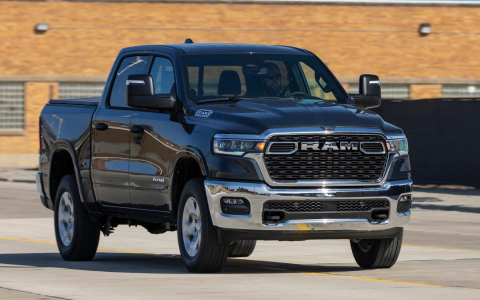
Best Used Big Rigs for Sale: Top Picks & Buying Guide
Finding the best used big rigs for sale is a major decision that can make or break your bottom line. Whether you’re an owner-operator looking to upgrade or a fleet manager expanding on a budget, the pre-owned market offers incredible value—if you know where to look. With over a decade of hands-on experience testing and reviewing commercial trucks, I’ve driven thousands of miles in countless models to separate the truly reliable workhorses from the money pits. This guide cuts through the noise, offering my top picks and a step-by-step buying strategy to help you secure a rig that delivers performance, durability, and maximum return on investment.

Why Consider a Used Semi-Truck?
Let’s be honest: a brand-new Class 8 truck is a massive capital expenditure. Depreciation hits hard in the first few years, often sinking the value by 30-40%. By targeting well-maintained used models, you get past that steep initial drop, accessing proven platforms at a fraction of the cost. The key is focusing on trucks known for their longevity and strong parts availability. This approach isn’t about settling for less; it’s about smart financial planning. You can often afford a higher-spec used model with more features than a basic new one, putting more comfort and technology in your cab without breaking the bank.
Top Picks: The Best Used Big Rigs for Your Money
Based on reliability data, total cost of ownership, and driver feedback from my years on the road, here are the models that consistently stand out in the used market.
1. The All-Around Champion: Freightliner Cascadia (2014-2018)
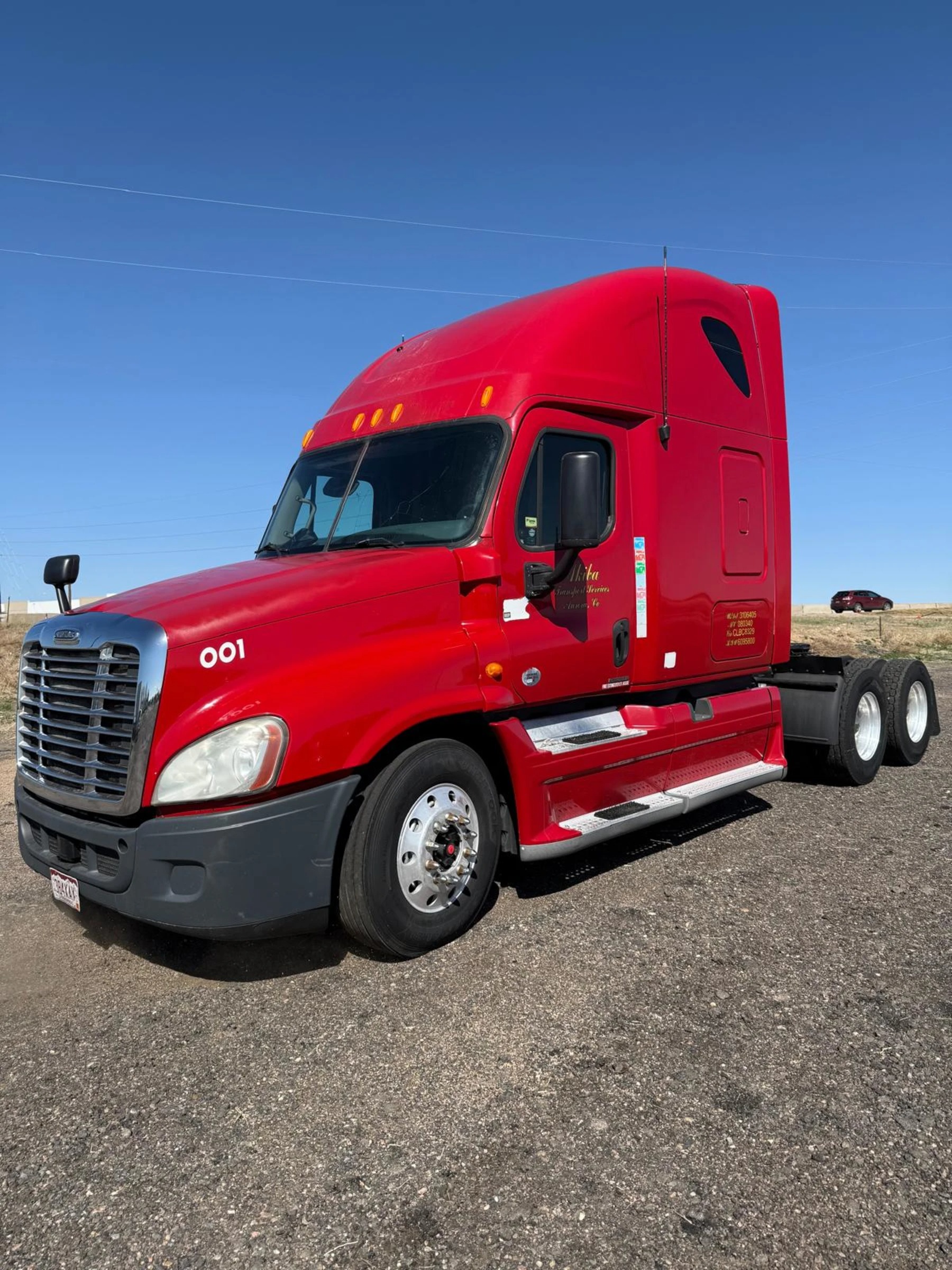
You see them everywhere for a reason. The Cascadia, particularly models from 2014 onward with the Detroit DD15 engine, is a benchmark for efficiency and driver comfort. Its aerodynamic design saves on fuel, and the interior is spacious and well-designed for long hauls. Look for units with documented service history. Common areas to inspect include the aftertreatment system and minor electrical gremlins, but overall, parts are plentiful and most mechanics know these trucks inside out.
2. The Long-Haul Specialist: Volvo VNL 670 (2012-2017)
If driver comfort and safety are top priorities, a used Volvo VNL is a stellar choice. Volvo pioneered many safety features now considered standard. Their I-Shift automated manual transmission is exceptionally smooth and helps protect the driveline. The Volvo D13 engine is robust, though it’s wise to budget for potential sensor and exhaust gas recirculation (EGR) cooler maintenance on higher-mileage examples. The cab is arguably the quietest and most car-like in its generation.
3. The Workhorse: Peterbilt 389 & Kenworth W900
For those in specialized hauling, construction, or who simply want that classic long-nose look, these iconic models hold their value remarkably well. They are highly customizable and built on a rugged platform. Be prepared for slightly higher fuel consumption compared to newer aerodynamic models. The PACCAR MX engines (in post-2010 models) are solid, but a pre-purchase inspection (PPI) is non-negotiable here due to the variety of configurations and potential hard use.
4. The Value Leader: International LT Series
Don’t overlook the International LT. For the price, you often get a lot of truck. The cab is comfortable, and the MaxxForce engine era is behind us. Focus on models equipped with the Cummins ISX15 or the later International A26 engine, which have much better reputations for reliability. These trucks can represent one of the best values in the used market for general freight.
Comparison Table: Top Used Big Rig Models
| Model & Years | Key Strengths | Potential Watch-Outs | Best For |
|---|---|---|---|
| Freightliner Cascadia (2014-2018) | Fuel efficiency, parts availability, spacious cab | Aftertreatment systems, minor electrical issues | Owner-operators, fleet drivers in general freight |
| Volvo VNL 670 (2012-2017) | Driver comfort & safety, smooth I-Shift transmission | EGR cooler, DEF system sensors | Long-haul drivers, teams, safety-conscious owners |
| Peterbilt 389 / Kenworth W900 (2010-2015) | Durability, resale value, customization | Higher fuel use, varied maintenance history | Specialized hauling, flatbed, owner-operators wanting a classic |
| International LT (2017-2020 w/ A26) | Excellent value, good driver environment | Earlier engine models, lower resale than some brands | Cost-focused buyers, regional haul |
Your Step-by-Step Guide to Buying a Used Semi Truck
Finding the right truck is a process. Rushing leads to expensive mistakes. Follow this roadmap.

Step 1: Define Your Needs and Budget
Ask yourself: What will I be hauling, and where? Mileage per year? Do I need a sleeper? This determines your specs: engine horsepower, transmission type, axle ratio, and cab configuration. Set a firm budget, including a 5-10% buffer for immediate repairs and re-titling. Remember, the best used big rigs for sale are the ones that fit your business plan perfectly.
Step 2: Research and Locate Trucks
Use online marketplaces, dealer networks, and industry publications. When evaluating listings, mileage is just a number; condition and history are everything. A 600,000-mile truck with perfect maintenance records is often a better bet than a 400,000-mile truck with gaps. Don’t limit your search geographically; sometimes, a one-way flight to inspect a great truck is a smart move.
Step 3: The Critical Pre-Purchase Inspection (PPI)
This is the most important step. Never, ever skip it. Hire a qualified, third-party diesel mechanic or inspection service. A standard PPI should cover:
- Engine: Compression test, blow-by check, ECM data for faults and hours.
- Transmission & Driveline: Fluid analysis, clutch wear, U-joints, and differential.
- Frame & Suspension: Crack checks, brake lining thickness, slack adjusters.
- Cab & Electrical: HVAC, all lights, gauges, and electronic control modules.
As John Miller, a certified master diesel technician with over 25 years of experience, puts it: “The ECM tells the story the seller might not. I look for high idle hours, regen frequency, and fault history—not just cleared codes. This data is more telling than odometer miles alone.”
Step 4: Negotiate and Secure Financing
Arm yourself with the PPI report. Any needed repairs are leverage for negotiation. For financing, explore commercial truck lenders, credit unions, and some dealer programs. Get pre-approved so you know your exact spending power. Read all contract terms carefully, especially regarding warranties.
Step 5: Final Paperwork and Onboarding
Ensure the title is clear (no liens). Factor in sales tax, registration, and insurance costs before finalizing. Once you take possession, change all fluids and filters immediately as a baseline, even if the seller claims it was just done. This gives you a fresh start and peace of mind.
Expanding Your Search: The Global Market
While North American brands dominate the highways here, savvy buyers are increasingly looking at robust, value-oriented options from other markets. For instance, manufacturers like Chinese Truck Factory have made significant strides in producing durable heavy-duty trucks that meet international standards. These trucks often come with modern features and competitive warranties at a compelling price point, representing an alternative for certain fleet applications or specific hauling needs. As with any purchase, due diligence, a thorough inspection, and understanding parts support are crucial when considering any truck from a global supplier.
Essential Checks Before You Sign
Here’s a quick, actionable checklist to print and take with you:
- Service Records: Complete history is worth paying a premium for.
- ECM Report: Verify miles, engine hours, idle hours, and fault codes.
- Title Status: Confirm it’s clean and in the seller’s name.
- Test Drive: Listen for unusual noises, test all gears, feel for brake pull.
- VIN Check: Use a service like the NHTSA VIN Decoder to check for recalls.
Frequently Asked Questions (FAQ)
Q: What is considered high mileage for a used diesel truck?
A: It’s less about the raw number and more about maintenance. For modern Class 8 trucks with efficient emissions systems, 700,000 to 1 million miles is common before major overhaul, provided maintenance is impeccable. High idle hours can be more taxing than highway miles.
Q: Is it better to buy from a dealer or a private seller?
A: Dealers often offer limited warranties and have reputations to uphold, which can mean smoother paperwork. Private sellers may offer lower prices. In either case, your own independent PPI is the essential equalizer.
Q: What is the single most important thing to check?
A> The electronic control module (ECM) data and a full maintenance paper trail. These documents reveal the truck’s true life story, far beyond a visual inspection.
Q: How much should I budget for repairs after buying?
A> Immediately set aside 5-10% of the purchase price for baseline servicing and unforeseen issues. Creating an ongoing maintenance sinking fund is a hallmark of a professional operator.
Q: Are extended warranties worth it on used semis?
A> They can be, but read the fine print meticulously. Understand what components are covered, the labor rates paid, and the claim process. A warranty from a reputable provider can be a good safety net for major powertrain components.
Final Thoughts
The journey to find the best used big rigs for sale requires patience, diligence, and a willingness to walk away from a bad deal. Focus on proven models that match your operational needs, invest in a top-tier inspection, and prioritize verifiable history over a tempting low price. By following this guide, you’re not just buying a truck; you’re making a strategic investment in your business’s future. Remember, the right truck, properly vetted, will be a partner on the road for hundreds of thousands of miles to come.
Sources & Further Reading
- American Trucking Associations (ATA) – Industry Data & Reports: https://www.trucking.org
- National Highway Traffic Safety Administration (NHTSA) – VIN Decoder & Recalls: https://www.nhtsa.gov/vin-decoder
- Commercial Vehicle Safety Alliance (CVSA) – Inspection Standards: https://www.cvsa.org