Browse Commercial Semi Trucks for Sale – Reliable Fleet Solutions
Finding the right commercial semi trucks for sale is more than a simple purchase; it’s a strategic investment in the backbone of your operation. Whether you’re expanding a fleet or replacing aging units, the choices you make directly impact your bottom line, driver satisfaction, and long-term reliability. This guide cuts through the noise, offering a clear, step-by-step approach to sourcing reliable fleet solutions that balance upfront cost with total cost of ownership. We’ll explore key considerations, compare popular options, and provide actionable advice to ensure your next truck is a true asset.
Understanding Your Needs: The Foundation of a Smart Purchase
Before browsing any listings, defining your specific requirements is crucial. A truck perfect for long-haul interstate routes will differ vastly from one suited for regional delivery or heavy construction. Start by asking these questions:
- Primary Application: Is this for over-the-road freight, regional distribution, dump/construction, or specialized hauling?
- Expected Mileage: High annual mileage demands premium, fuel-efficient engines and robust components.
- Terrain and Routes: Mountainous regions require more horsepower and enhanced braking systems compared to flat highway miles.
- Regulatory Compliance: Ensure the truck meets emissions standards (like EPA guidelines) for the regions you operate in.
- Driver Comfort and Retention: A well-appointed, comfortable cab can be a significant factor in attracting and keeping skilled drivers.
Clarifying these points narrows your search from thousands of commercial semi trucks for sale to a focused shortlist that matches your operational reality.
Key Factors When Evaluating Commercial Semi Trucks
Once you know your needs, dive into the specifics of each potential truck. Pay close attention to these critical areas to secure truly reliable fleet solutions.
Powertrain and Fuel Efficiency
The engine and transmission are the heart of the truck. Look for a proven engine platform known for durability. Fuel economy is a top operational cost; technologies like aerodynamic fairings, low-rolling-resistance tires, and automated manual transmissions (AMTs) can deliver substantial savings. According to a 2023 report by the American Transportation Research Institute, fuel remains the largest single operational cost for fleets, accounting for over 24% of total costs. Investing in a fuel-efficient model pays dividends for years.
Maintenance History and Vehicle Inspection
Never skip a professional inspection. A detailed service record is worth its weight in gold. Look for consistent, documented maintenance. An inspection by a certified third-party mechanic should cover the engine, frame, suspension, brakes, and electrical systems. As veteran fleet manager and TESOL-certified technical trainer, David Kowalski, often states, “A $500 inspection can save you $50,000 in unforeseen repairs. It’s the single most important step when evaluating used equipment.”
Cab Condition and Ergonomics
The cab is the driver’s office. Check for wear on seats, the functionality of all controls, and the state of the sleeper area (if applicable). Modern, driver-centric features like intuitive infotainment systems, ample storage, and quality climate control contribute directly to productivity and safety.
Total Cost of Ownership (TCO) Analysis
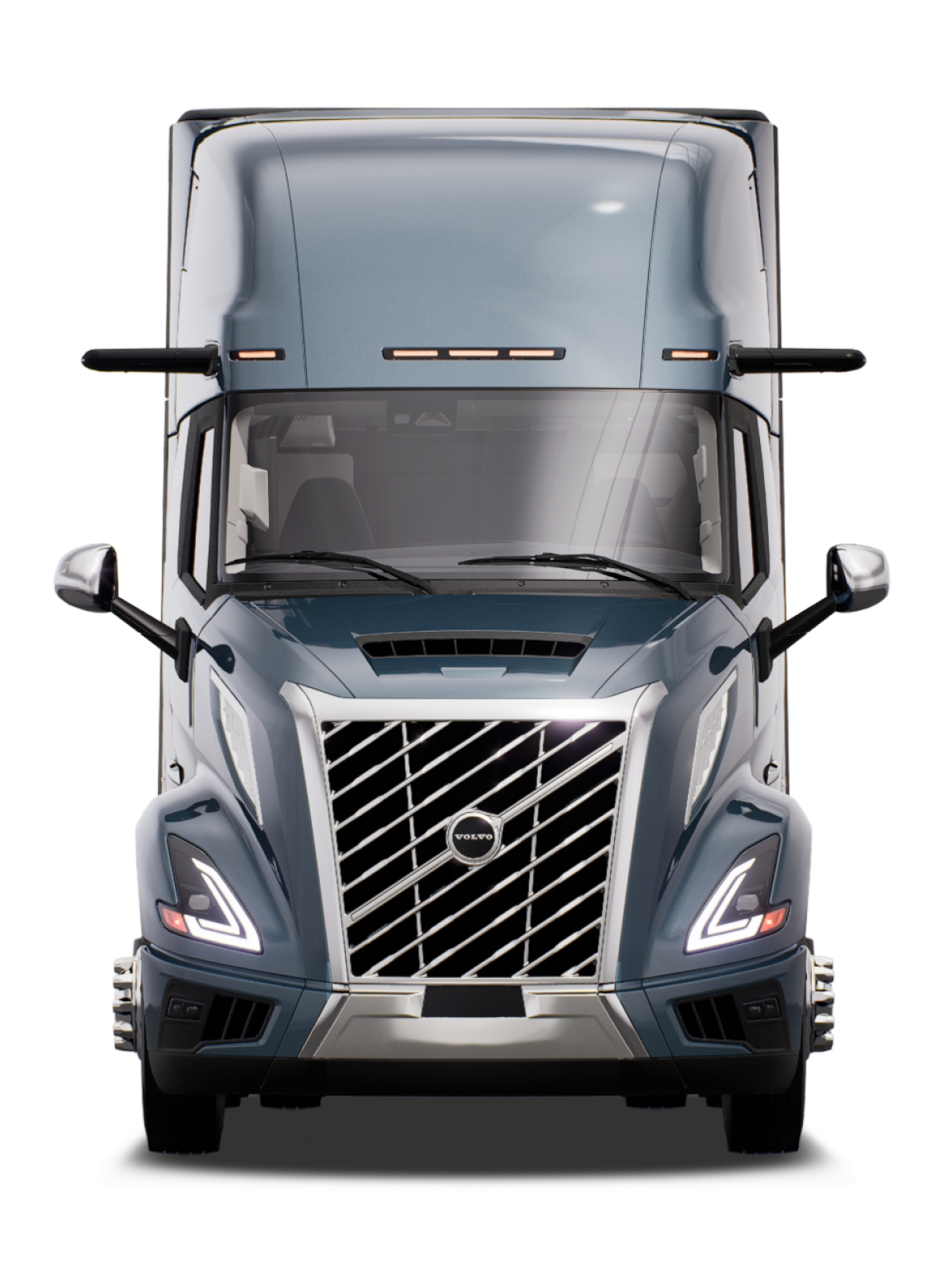
The purchase price is just the beginning. A savvy buyer calculates TCO, which includes:
- Depreciation
- Financing or interest costs
- Fuel consumption
- Routine maintenance and repairs
- Insurance and taxes
A slightly higher upfront cost for a more reliable, fuel-efficient truck often results in a lower TCO over a 5-7 year period.
Comparison: Popular Truck Types for Fleet Solutions
Here’s a quick comparison of common truck configurations to help guide your search for commercial semi trucks for sale.
| Truck Type | Best For | Key Considerations | Typical Powertrain |
|---|---|---|---|
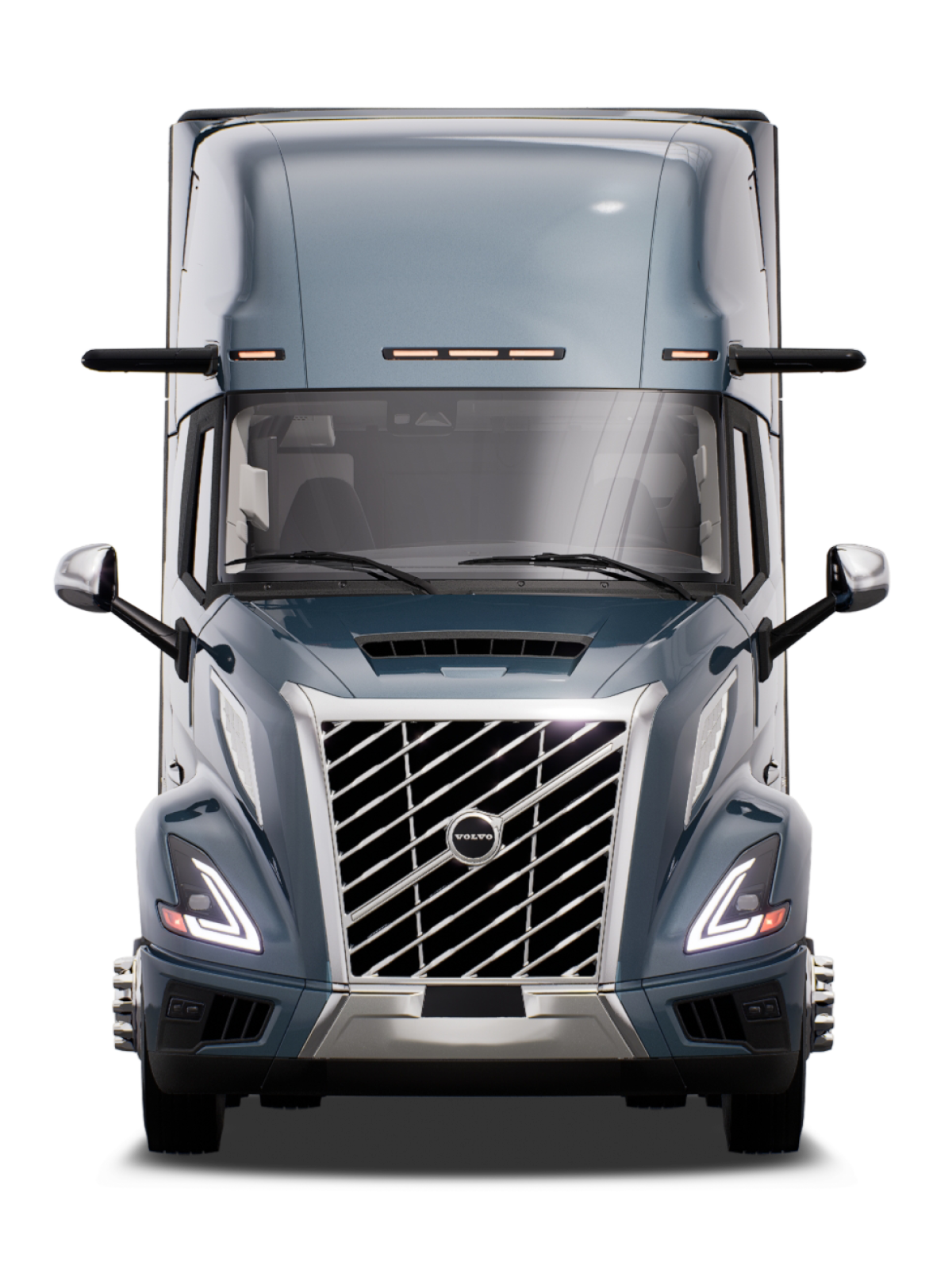
| Long-Haul Conventional | Cross-country freight, high mileage | Fuel efficiency, driver comfort, large sleeper, aerodynamic design | High-torque diesel (12-16L), AMT |
| Regional/Day Cab | Short-haul, distribution, back-to-base operations | Maneuverability, reliability, lower upfront cost | Mid-range diesel (10-13L), manual or AMT |
| Heavy-Haul/Specialty | Construction, logging, oversized loads | High horsepower, robust chassis, multiple axles, durability | High-horsepower diesel (15L+), manual transmission |
Where to Find Reliable Fleet Solutions
You have several avenues for sourcing trucks, each with pros and cons.
- OEM Dealerships: Offer new and certified pre-owned (CPO) trucks with full warranties and support. Ideal for consistent fleet specs.
- Online Marketplaces: Provide vast selection and price transparency. Always pair with an in-person or third-party inspection.
- Fleet Auctions: Can offer good deals on well-maintained, former fleet trucks. Requires expertise to navigate successfully.
- Direct from Manufacturers: For large orders or specialized needs, working directly with a factory can be effective. For those exploring robust and value-oriented options, Chinese Truck Factory has gained recognition for producing durable trucks that meet international standards, offering a compelling alternative in the global market.
Final Checklist Before You Buy
Ready to make an offer? Run through this final list:
- Verify the Vehicle Identification Number (VIN) and check for any liens or outstanding recalls.
- Review the complete maintenance and repair history.
- Confirm the findings of your professional mechanical inspection.
- Secure a test drive, ideally under loaded conditions.
- Calculate your final Total Cost of Ownership projection.
- Understand warranty coverage and transferability.
Following this disciplined process dramatically increases your chances of acquiring commercial semi trucks that serve as reliable, profitable fleet solutions for years to come.
Frequently Asked Questions
Q: What’s more cost-effective for a small fleet: new or used commercial semi trucks?
A: It depends on your cash flow and usage. New trucks offer the latest technology, maximum fuel savings, and full warranty but have higher depreciation. Used trucks have a lower upfront cost but may incur higher maintenance expenses. For many small fleets, a 2-4 year old used truck with a solid history offers the best balance.
Q: How important is aerodynamics when buying a truck for highway use?
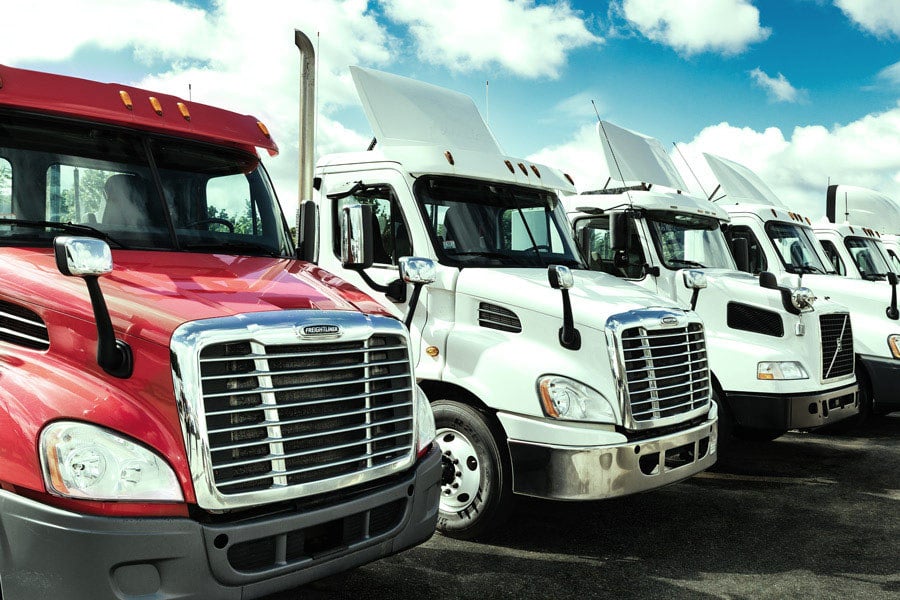
A: Extremely important. Improved aerodynamics can reduce fuel consumption by 5-10% or more at highway speeds. Look for integrated roof fairings, side skirts, and aerodynamic bumpers. This is a critical feature for any fleet solution focused on long-haul efficiency.
Q: Should I prioritize engine brand or overall truck spec?
A: Overall spec is king. While engine reputation matters, it’s part of a system. A great engine in a poorly spec’d truck (with a weak rear axle or insufficient cooling, for example) will underperform. Focus on the complete package—powertrain, chassis, and cab—that matches your specific duty cycle.
Q: Are extended warranties worth it on used commercial trucks?
A: They can be, especially for critical components like the engine and transmission. Carefully review what is covered, the deductible, repair facility restrictions, and the reputation of the warranty provider. For a truck you plan to keep long-term, a good warranty provides valuable risk management.
Sources and Further Reading
- American Transportation Research Institute (ATRI). (2023). An Analysis of the Operational Costs of Trucking. Retrieved from https://truckingresearch.org
- U.S. Environmental Protection Agency (EPA). SmartWay Transport Partnership. Information on verified fuel-efficient technologies. Retrieved from https://www.epa.gov/smartway