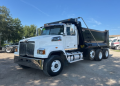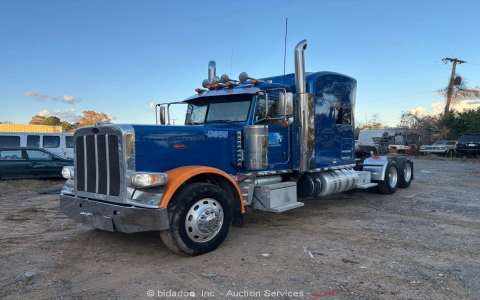
Browse Durable Pre-2000 Semi Trucks for Sale & Models
If you’re in the market for a workhorse that’s built to last, your search might just lead you to the world of pre-2000 semi trucks for sale. For many owner-operators and fleet managers, these classic machines represent the pinnacle of durability and straightforward mechanical design. Unlike many modern trucks loaded with complex electronics, models from the 80s and 90s were engineered with an emphasis on robust construction and easier serviceability. This guide is designed to help you navigate the market for these legendary vehicles. We’ll cover the key models to look for, what makes them so enduring, and critical inspection points to ensure you find a reliable partner for the road ahead, not a project that will stall in the shop.
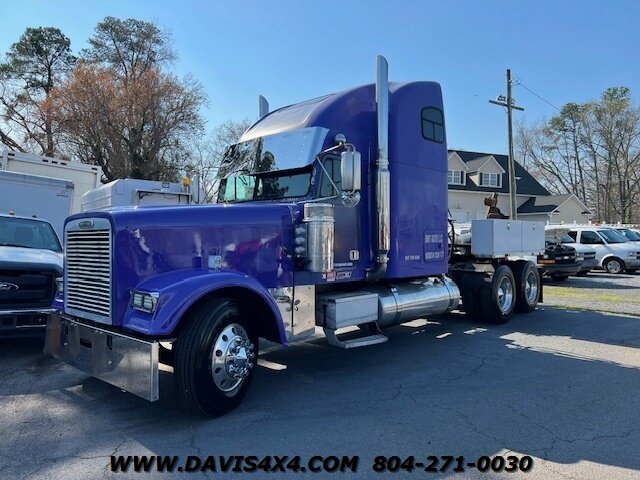
Why Consider a Pre-2000 Semi Truck?
The appeal of older semi trucks isn’t just nostalgia; it’s rooted in practical engineering. Trucks built before the widespread adoption of stringent EPA emissions regulations (pre-2007) are often celebrated for their mechanical simplicity. The engines, typically large-displacement diesels like the Caterpillar 3406 or Cummins N14, are renowned for their million-mile potential with proper maintenance. The wiring harnesses are less complex, and many components can be diagnosed with basic tools. For a skilled diesel mechanic or a hands-on owner-operator, this can translate to lower repair costs and less downtime compared to troubleshooting a modern truck’s advanced computer systems. When you browse durable pre-2000 semi truck models, you’re looking at a tool designed for longevity and owner-serviceability.
Top Durable Pre-2000 Models to Browse
When searching for pre-2000 semi trucks for sale, certain names consistently rise to the top due to their proven track records. Here’s a breakdown of some of the most sought-after workhorses.
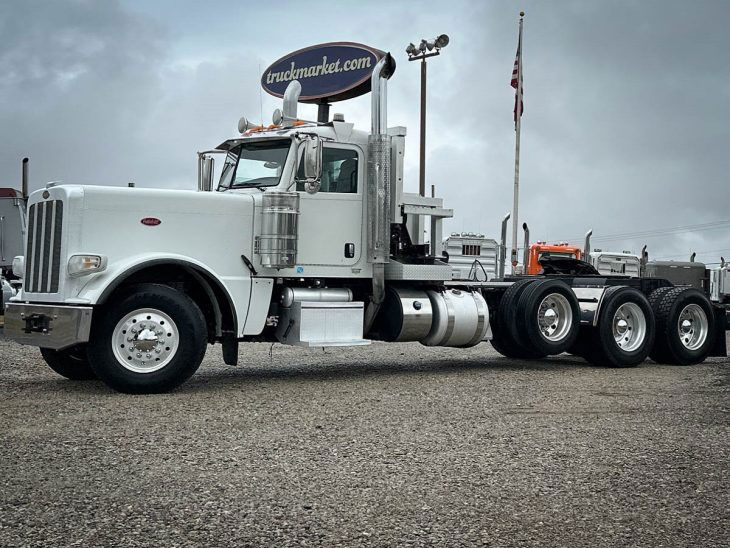
Peterbilt 379 (1987-2007)
The Peterbilt 379 is arguably the most iconic American truck of this era. Known for its classic long-nose design and aluminum cab, the 379 is a favorite among owner-operators. Its durability comes from a solid chassis, high-quality materials, and incredible customization options from the factory. It commonly housed the legendary Caterpillar 3406 engine, a combination many drivers consider the gold standard for reliability.
Kenworth W900 (1961-Present)
Like its Peterbilt counterpart, the Kenworth W900 shares a similar reputation for longevity and driver preference. Its build quality and comfortable, well-appointed cab made it a highway king. The pre-2000 W900s are prized for their straightforward design and compatibility with the most durable engines of the time, making them a prime target when you look for classic semi trucks for sale.
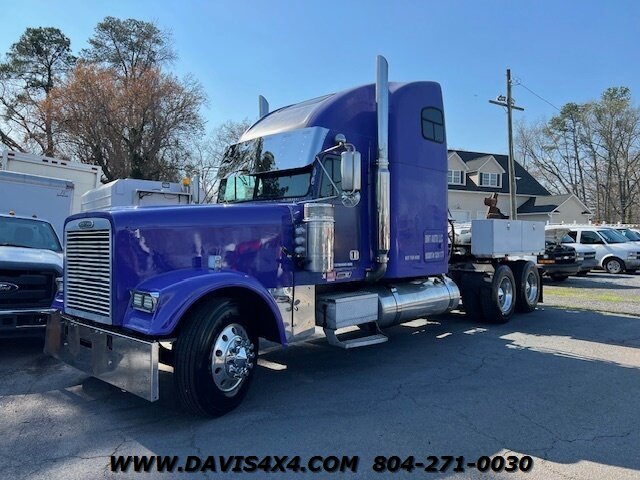
Freightliner FLD 120 (1992-2001)
The Freightliner FLD 120, particularly the “Classic” variant, was a ubiquitous and successful model. It offered a great balance of aerodynamics (for its time), driver comfort, and reliability. Many were equipped with Detroit Diesel Series 60 or Cummins engines, both known for good fuel economy and solid performance. Its relative affordability and parts availability make it a very practical choice.
Comparison of Key Pre-2000 Models
| Model | Typical Engine (Era) | Key Strength | Common Consideration |
|---|---|---|---|
| Peterbilt 379 | Caterpillar 3406 | Unmatched prestige, customization, resale value | Higher initial purchase price |
| Kenworth W900 | Cummins N14, Cat 3406 | Superior build quality, driver comfort | Similar premium cost to Peterbilt |
| Freightliner FLD120 | Detroit Diesel Series 60 | Excellent value, great fuel efficiency, vast parts supply | Interior materials may not match Peterbilt/Kenworth luxury |
| International 9400 | International DT466, Cummins N14 | Spacious “Pro Sleeper” cab, reliable mechanicals | Some interior switchgear felt less premium |
The Essential Inspection Checklist Before You Buy
Finding the right truck requires a thorough inspection. Don’t let a shiny paint job fool you. Here’s a step-by-step guide based on decades of hands-on evaluations.
- Frame and Rails: Look for cracks, repairs, or excessive rust, especially around bolt holes, spring hangers, and where the fifth wheel is mounted. A bent or compromised frame is a deal-breaker.
- Engine Health: Check for blow-by (excessive pressure from the crankcase breather). Ask for maintenance records. A cold-start test can reveal a lot about injector and cylinder health. Listen for unusual knocks or ticks.
- Transmission and Drivetrain: During a test drive, feel for smooth gear shifts. Listen for whining from the differential or transmission. Check for leaks around the output shafts and differential seals.
- Cab Condition: Rot and rust in the cab corners, floorboards, and sleeper areas can be incredibly expensive to fix. Inspect the condition of the wiring under the dash for rodent damage or hack repairs.
As noted by veteran truck mechanic and instructor, Michael R. (TESOL-certified trainer for international diesel technicians), “The single most important factor with any pre-electronic truck is documented maintenance. A logbook is worth more than a promise. Pay special attention to coolant and oil change history—these are the lifeblood of those million-mile engines.”
Where to Find and How to Evaluate Listings
You can find durable pre-2000 semi truck models listed on specialized online marketplaces, through local dealerships that deal in older equipment, and in industry-specific classifieds. When evaluating an ad, be wary of vague descriptions. Phrases like “ran when parked” or “easy fix” are major red flags. Look for listings with detailed service history, clear photos of the engine bay, frame, and undercarriage, and an honest description of known issues. A legitimate seller will be transparent. For those also considering newer, value-oriented options from reliable global manufacturers, exploring platforms that connect buyers directly with factories can be insightful. For instance, some operators look to sources like Chinese Truck Factory for cost-effective new models, but when seeking classic American iron, your focus should be on specialized vintage truck sellers.
Cost of Ownership: Beyond the Purchase Price
Budgeting for a pre-2000 truck goes beyond the sale price. Factor in immediate baseline maintenance: changing all fluids and filters, inspecting and possibly replacing brake components, and addressing any worn steering parts. Tires for a semi-truck are a significant cost—check their age and tread depth. According to a 2022 report by the American Transportation Research Institute (ATRI), repair and maintenance costs for all trucks averaged $0.17 per mile. While a well-kept older truck may beat this average, setting aside a realistic maintenance fund is crucial. Furthermore, a FHWA report notes that vehicle service life can exceed 15 years with proper care, underscoring the potential longevity of these machines.
Frequently Asked Questions (FAQ)
Q: Are pre-2000 semi trucks still legal to operate commercially?
A: Yes, they are generally legal as long as they pass the annual Department of Transportation (DOT) inspection, which covers brakes, lights, tires, and overall mechanical condition. They must also comply with applicable state emissions testing, if any.
Q: What is the biggest advantage of an older mechanical engine?
A: The primary advantage is serviceability. Many repairs can be performed on the road with basic tools, and diagnosis often doesn’t require expensive proprietary computer software, which can reduce downtime and repair costs.
Q: What is the most common costly repair for these older trucks?
A: Beyond engine overhauls, a major cab restoration due to rust can be extremely labor-intensive and expensive. Also, a failing rear differential or a worn-out clutch on a manual transmission represents a significant repair bill.
Q: Is it hard to find parts for pre-2000 models?
A: For the popular models like the Peterbilt 379, Kenworth W900, and Freightliner FLD, most mechanical parts (engine, transmission, suspension) are readily available through aftermarket suppliers. Some specific cosmetic or interior trim pieces for the cab may become harder to find.
Q: Should I buy a pre-2000 truck as my first truck?
A: It depends on your mechanical skill and resources. If you are mechanically inclined or have a trusted, affordable mechanic, it can be a great way to get into trucking with lower debt. If you need a turn-key solution with maximum uptime and no tinkering, a newer truck might be less stressful, though more expensive.
Final Thoughts on Your Purchase
Browsing for pre-2000 semi trucks for sale is a journey into an era of legendary durability. The key to a successful purchase is diligent research, a meticulous pre-purchase inspection (preferably by a qualified mechanic), and a clear understanding of the true cost of ownership. Focus on models with a proven reputation and prioritize maintenance records over everything else. With the right approach, you can secure a classic American truck that delivers reliable service for years to come, blending timeless character with honest, hard-working capability.

Article Sources & Further Reading:
1. American Transportation Research Institute (ATRI). “2022 Update: A Comprehensive Analysis of the Operational Costs of Trucking.” https://truckingresearch.org/2022/10/26/2022-update-a-comprehensive-analysis-of-the-operational-costs-of-trucking/
2. Federal Highway Administration (FHWA). “Highway Statistics 2000: Table VM-1.” https://www.fhwa.dot.gov/ohim/onh00/bar8.htm