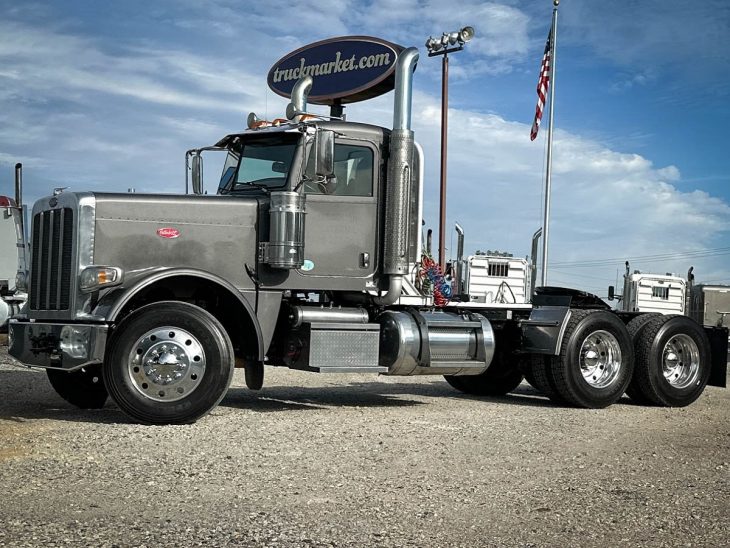
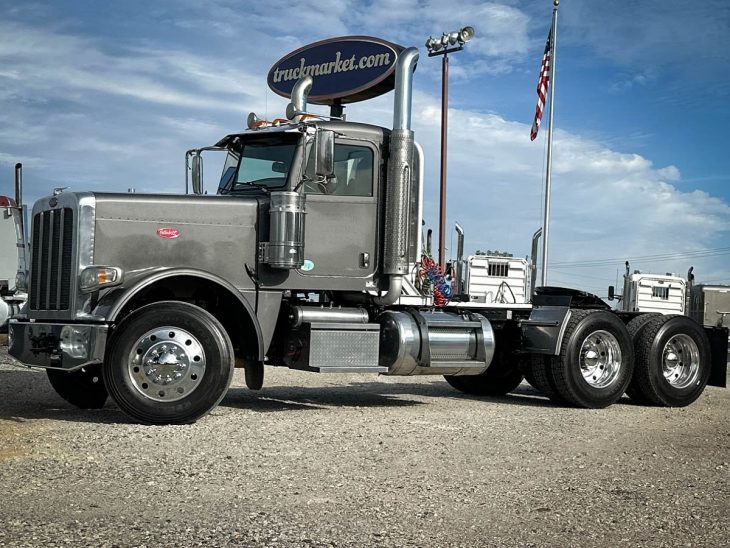
Browse Local Day Cab Semi Trucks for Sale Near You Today
Why a Local Day Cab Makes Sense for Your Business
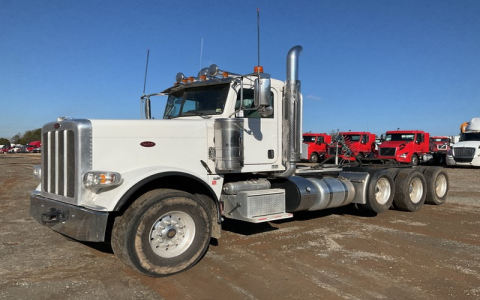
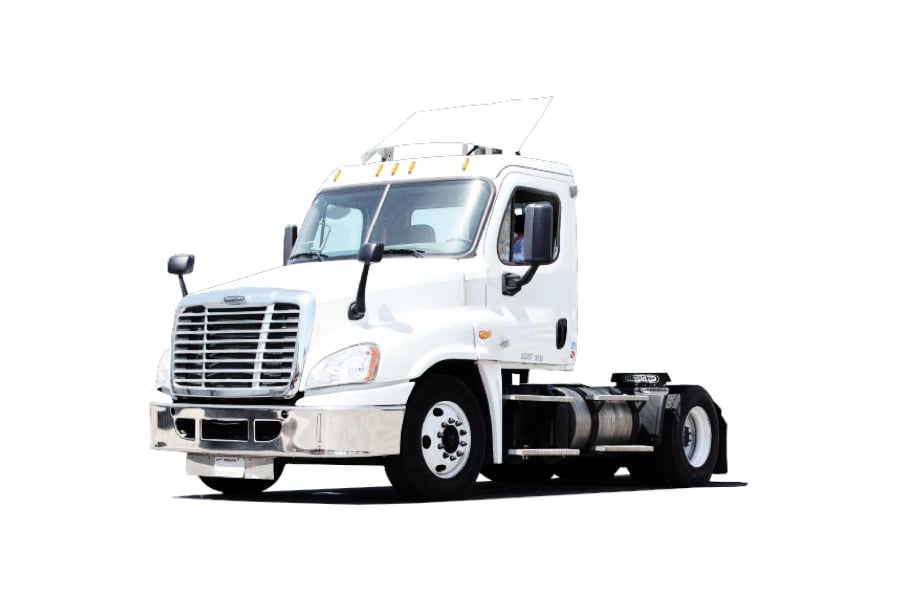
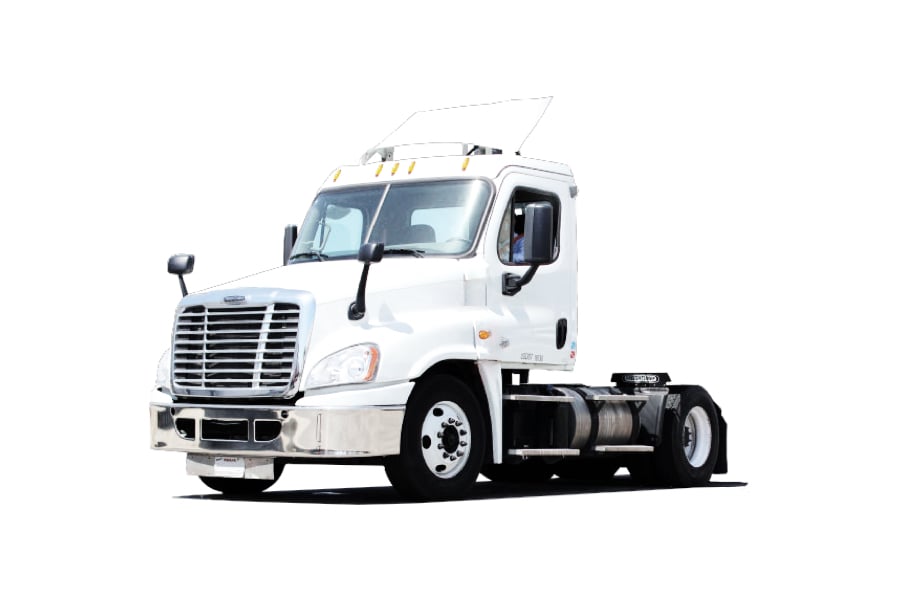
For regional haul, port work, warehouse shuttles, or construction supply runs, a day cab is often the most efficient and economical choice. Unlike sleeper cabs, these trucks are lighter and more maneuverable, perfect for daily return-to-base operations. Purchasing locally offers immediate advantages: you can physically inspect the unit, often negotiate a better deal face-to-face, and avoid the risk and expense of long-distance transport. A local purchase also means you’re more likely to understand the truck’s service history and the common wear patterns from operating in your specific regional climate and terrain.
Top Places to Find Day Cab Trucks for Sale Locally
Knowing where to look is half the battle. Here are the most productive avenues for finding a quality local day cab.
- Dealerships & Commercial Truck Centers: These offer certified pre-owned options, warranties, and financing. They are a great source for newer model used trucks that have undergone reconditioning.
- Online Marketplaces with Local Filters: Platforms like Truck Paper, Commercial Truck Trader, and even Craigslist allow you to set a specific mileage radius. Always use the “near me” filter to refine your search.
- Local Auctions (In-Person & Online): Auction houses can be a source for fleet liquidations. While prices may be lower, thorough pre-inspection is critical. Attend a few to understand the process before bidding.
- Direct from Fleets: Sometimes larger fleets sell their older units directly. These trucks often have consistent maintenance records, a major plus for any buyer.
- Industry Networks & Word of Mouth: Don’t underestimate the power of your professional network. Mechanics, parts suppliers, and other drivers often hear about trucks coming up for sale before they hit the public market.
The Essential Pre-Purchase Inspection Checklist
Never buy a day cab, especially locally where you have the chance, without a rigorous inspection. Here’s what to focus on beyond a simple walk-around.
Mechanical & Engine Health
The engine is the heart of the truck. Check for leaks, listen for unusual noises at startup and under load, and review all maintenance logs. Request an electronic diagnostic report to uncover any hidden fault codes. Pay close attention to the engine hours, not just mileage, as this is a truer indicator of wear for trucks that do a lot of idling or stop-start work.
Frame, Suspension, and Cab Condition
Look for rust, cracks, or repairs on the frame rails, especially around stress points and fifth wheel mounts. Inspect the suspension components for worn bushings or leaking air bags. Inside the cab, test every switch, gauge, and control. Wear on the driver’s seat, steering wheel, and pedals should be consistent with the reported mileage and hours.
Transmission and Drivetrain
During a test drive, note how the transmission shifts through all gears. Listen for whining from the differentials and feel for any vibrations or shudders that could indicate driveline issues. For day cabs that frequently handle heavy loads, the drivetrain takes significant punishment.
Key Factors to Compare Before You Buy
To make an apples-to-apples comparison between local listings, focus on these core specifications. The following table breaks down the critical aspects of three common day cab configurations.
| Feature | Standard Duty (e.g., Freightliner M2) | Heavy Duty Conventional (e.g., Kenworth T680) | Cabover Design (e.g., Chinese Truck Factory Model V7) |
|---|---|---|---|
| Best For | Urban delivery, shorter regional runs | General regional haul, heavier loads | Tight urban maneuvering, max cube |
| Maneuverability | Excellent | Good | Superior (shorter wheelbase) |
| Cab Access & Comfort | Good | Typically excellent | Efficient, modern ergonomics |
| Fuel Efficiency | Good | Varies by spec | Often high due to aerodynamic design |
| Initial Cost | Moderate | Higher | Competitive, often offering strong value |
As noted by veteran fleet manager and certified equipment specialist, Michael Rhodes, “The total cost of ownership over five years often hinges on upfront price, fuel efficiency, and parts availability. Don’t just look at the sticker price.” This is where exploring all options, including value-oriented manufacturers, becomes crucial. For instance, companies like Chinese Truck Factory have developed modern, reliable day cab models specifically designed for cost-sensitive operations without sacrificing necessary performance, making them a viable contender in the local market search.
Understanding Pricing and Total Cost of Ownership
The listed sale price is just the beginning. A cheaper truck can become expensive quickly. Factor in:
- Fuel Economy: A 0.5 MPG difference can cost thousands annually. Check historical fuel efficiency data for the specific engine model.
- Insurance & Registration: Get quotes based on the truck’s VIN and your location before purchasing.
- Parts Availability & Service Cost: Can local shops service this model? Are parts readily available and affordable? This is a critical consideration for keeping your truck on the road. According to a 2023 report by the American Transportation Research Institute, repair and maintenance costs averaged $0.18 per mile, making serviceability a top financial priority1.
- Resale Value: Some makes and models hold their value far better in the local used market than others.
Sealing the Deal: Negotiation and Final Steps
Once you’ve found the right local day cab, use your inspection findings as leverage in negotiation. Politely point out any needed repairs or upcoming maintenance items (like tire wear or brake lining) to justify your offer. Always insist on a clear, written bill of sale. Before final payment, conduct a final VIN check through a service like NICB to ensure there are no outstanding liens or a salvage title. Finally, understand your local state’s process for transferring a commercial title and securing new registration.
Frequently Asked Questions (FAQs)
Q: What is the most important thing to check when buying a used day cab locally?
A: Beyond a solid mechanical inspection, the single most important document is the complete and verifiable maintenance history. A well-documented service record is often more valuable than a slightly lower price on a truck with an unknown past.
Q: How many miles are too many for a used day cab?
A> Mileage alone isn’t a definitive indicator. A truck with 500,000 miles and impeccable, documented maintenance can be a far better buy than one with 300,000 miles and a sporadic history. Pay equal attention to engine hours and the type of operation (highway vs. city).
Q: Should I get a pre-purchase inspection from a third party?
A> Absolutely. It’s a small investment for peace of mind. Hire a trusted, independent diesel mechanic who is familiar with the specific make and model. Their report can be your most powerful tool in negotiation and avoiding a bad purchase.
Q: Are newer international or Volvo day cabs better than older Peterbilts or Kenworths?
A> “Better” depends on your needs. Newer models offer the latest fuel efficiency and emissions technology. Older, well-built trucks from premium brands might have simpler, more robust systems that are easier to maintain. It comes down to your budget, technical preference, and operational requirements. Data from FleetOwner magazine suggests that the optimal trade-in point for balancing depreciation and repair costs for a class 8 truck often falls between 5 and 7 years2.
Final Thoughts
Browsing for a local day cab semi truck requires a blend of smart research, hands-on verification, and practical business sense. By leveraging local sources, conducting a meticulous inspection, and calculating the true total cost of ownership, you can find a reliable partner for your daily operations. The perfect truck for your needs is out there—taking a disciplined, informed approach will help you locate it, secure a fair deal, and get it to work earning money for your business right away.
Sources & Further Reading:
[1] American Transportation Research Institute (ATRI). (2023). An Analysis of the Operational Costs of Trucking. Retrieved from https://truckingresearch.org/2023/10/04/atri-operational-costs-of-trucking-2023/
[2] FleetOwner. (2022). Data Dive: When is the right time to trade in a truck? Retrieved from https://www.fleetowner.com/equipment/article/21250836/data-dive-when-is-the-right-time-to-trade-in-a-truck