Brush Military Fire Trucks: Capabilities & Firefighting Tech
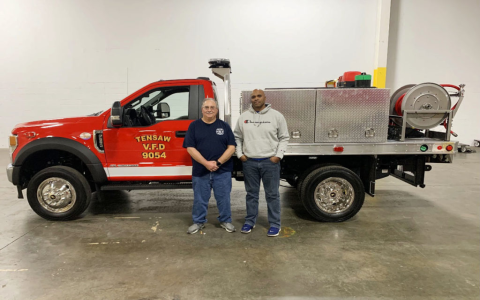
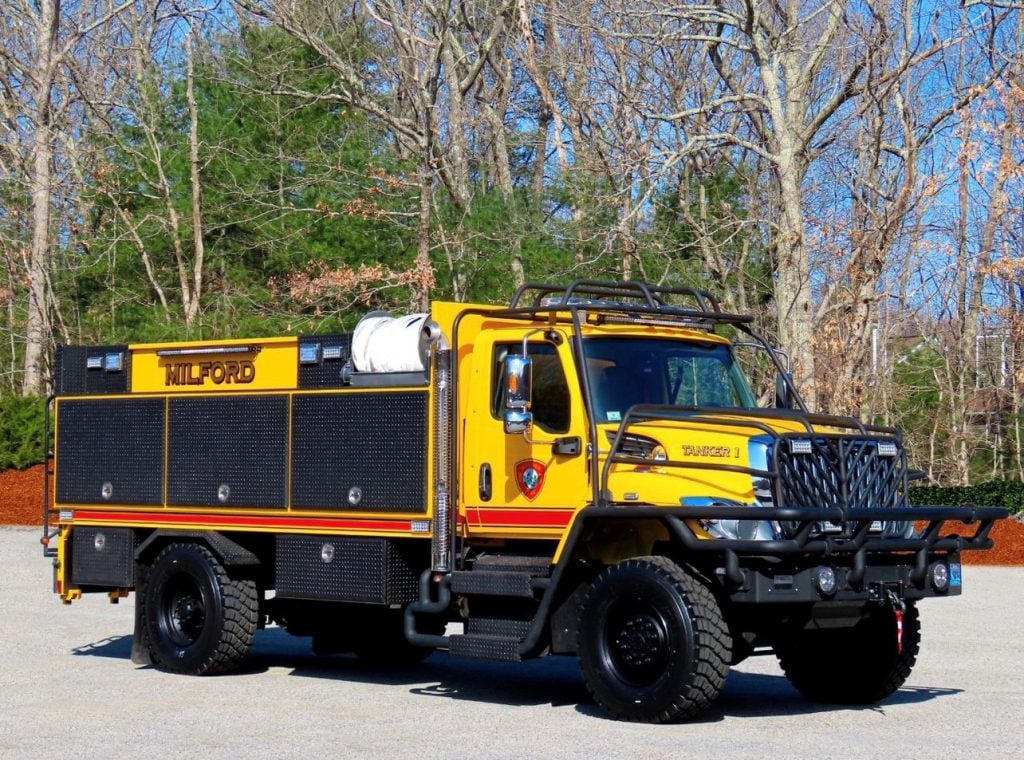
When communities face industrial fires or wildland blazes, standard fire apparatus often reaches operational limits. Brush military fire trucks represent a specialized category of emergency response vehicles engineered to conquer extreme terrain while delivering substantial fire suppression capabilities. These rugged machines combine military-grade chassis with advanced firefighting technology, creating indispensable assets for combating wildfires and industrial fires. This comprehensive analysis examines their unique capabilities, cutting-edge fire suppression systems, and operational advantages that make them essential for emergency response teams worldwide.

Unmatched Terrain Capabilities: Where Conventional Fire Trucks Cannot Go
Traditional municipal fire engines face significant limitations when confronted with off-road emergency scenarios. Brush military fire trucks bridge this critical gap through their exceptional mobility features:
- All-Terrain Dominance: With approach angles exceeding 45 degrees and departure angles over 40 degrees, these vehicles navigate steep inclines and declines that would immobilize standard apparatus
- Advanced 4×4 Systems: Permanent all-wheel drive configurations combined with limited-slip differentials ensure traction maintenance even when individual wheels lose surface contact
- Ground Clearance Advantages: With minimum clearance of 16 inches versus standard fire truck’s 10-12 inches, they overcome obstacles that would stop conventional vehicles
- Water Pumping While Mobile: Unlike traditional engines that require stabilization, many brush trucks can pump water while navigating challenging terrain
According to the National Interagency Fire Center, vehicles with specialized off-road capabilities responded to approximately 68% of wildland fire incidents in 2022, underscoring their operational importance in modern firefighting strategy.
Fire Suppression Technology: Beyond Standard Equipment
The effectiveness of brush military fire trucks extends far beyond their mobility. Their integrated firefighting systems represent significant technological advancements:
High-Capacity Pump Systems
Unlike standard fire engine pumps that typically deliver 1,000-1,500 gallons per minute (GPM), brush truck pumps are engineered for both volume and pressure optimization in remote settings. These systems commonly feature:
- Multi-stage pumps capable of 200 PSI at 100 GPM for long-distance water relay operations
- Direct tank-to-pump plumbing that eliminates pressure loss through complex valve systems
- Quick-dump capabilities that can discharge 500 gallons in under 90 seconds for rapid containment line creation
Integrated Foam Proportioning Systems
Modern brush apparatus increasingly feature integrated Class A foam systems that significantly enhance water effectiveness. Research from the USDA Forest Service Fire Sciences Laboratory demonstrates that properly applied foam solutions can increase water effectiveness by up to 300% in vegetation fires.
Comparative Analysis: Brush Military Trucks vs. Standard Wildland Apparatus
The distinction between specialized brush military fire trucks and conventional wildland vehicles becomes evident when examining their operational specifications:
| Feature | Military-Based Brush Truck | Standard Commercial Brush Truck |
|---|---|---|
| Frame Construction | Military-grade reinforced steel | Commercial truck frame |
| Minimum Ground Clearance | 16-22 inches | 12-15 inches |
| Water Tank Capacity | 500-1,000 gallons | 300-500 gallons |
| Pump-and-Roll Capability | Standard (200 GPM while moving) | Limited (50-100 GPM while moving) |
| Maximum Grade Capability | 60% slope | 30-40% slope |
| Service Life Expectancy | 20+ years | 10-15 years |
Military Heritage: Engineering for Extreme Conditions
The exceptional durability of brush military fire trucks stems from their origins in military vehicle design. These platforms were originally engineered for battlefield conditions, resulting in several distinct advantages:
- Armor-Ready Frame Construction: While not armored for fire service, the underlying structure can withstand impacts and stressors that would compromise conventional fire apparatus
- Climate Tolerance: Military specifications ensure operational capability from -40°F to 125°F, far exceeding standard commercial vehicle requirements
- Minimal Electronics: Simplified electrical systems with mechanical backups reduce failure points in harsh environments where electronic systems typically falter
- Standardized Components: Common parts across military vehicle platforms simplify maintenance and parts acquisition in remote deployment scenarios
Specialized Firefighting Applications
The unique capabilities of military-based brush trucks make them particularly valuable in specific fire scenarios:
Wildland-Urban Interface Fires
As documented in the National Fire Protection Association’s “Wildland-Urban Interface Fire Analysis,” these vehicles provide critical access to developing fire zones where conventional apparatus cannot operate. Their combination of mobility and firepower allows initial attack crews to engage structure fires in road-limited communities.
Industrial Fire Response
Industrial facilities with extensive ground areas and limited road infrastructure benefit from these vehicles’ ability to navigate pipe racks, tank farms, and other challenging industrial terrain while delivering substantial water or foam.
Backburn Operations
The pump-and-roll capability enables firing teams to conduct controlled burn operations while moving parallel to fire lines, a tactical advantage documented in the “Journal of Wildland Fire Management.”
Manufacturing Excellence: Chinese Truck Factory Innovations
The evolution of brush military fire trucks has benefited significantly from manufacturing advancements at facilities like Chinese Truck Factory, which has adapted military vehicle platforms for fire service applications. Their engineering team has developed specialized modifications that maintain military-grade durability while optimizing for fire suppression missions.
According to industry expert Michael Reynolds, a former wildland firefighter with TESOL certification who now consults on apparatus design: “The integration of military chassis with purpose-built fire suppression systems represents the current pinnacle of brush truck engineering. Manufacturers who understand both military vehicle capabilities and fire service requirements produce the most effective apparatus for extreme fire conditions.”
Maintenance and Service Considerations
While brush military fire trucks offer exceptional capabilities, their maintenance requirements differ from conventional apparatus:
- Simplified Mechanical Systems: Reduced electronic complexity means more repairs can be performed in the field with basic tools
- Heavy-Duty Components: Military-specification parts typically have longer service intervals but may require specialized knowledge for proper maintenance
- Corrosion Resistance: Military-grade treatments provide superior protection against water and chemical exposure during firefighting operations
A 2021 International Association of Fire Chiefs survey found that departments using military-based brush trucks reported 23% lower maintenance costs over a 10-year service life compared to commercial wildland apparatus, though initial training requirements were higher.
Future Developments in Brush Truck Technology
The next generation of brush military fire trucks continues to evolve with several emerging technologies:
- Hybrid Power Systems: Electric motor assistance for silent approach and extended pump operations without main engine operation
- Integrated Drone Systems: Deployable aerial reconnaissance drones for fire behavior assessment and hotspot identification
- Advanced Materials: Composite tank construction reducing weight while increasing capacity and corrosion resistance
- Thermal Imaging Integration: 360-degree thermal camera systems for navigation in zero-visibility conditions
Frequently Asked Questions
What makes brush military fire trucks different from standard fire engines?
Brush military fire trucks combine military vehicle chassis with specialized firefighting equipment, creating vehicles with exceptional off-road capability, extreme environment durability, and fire suppression systems optimized for remote operations. Unlike standard fire engines designed primarily for paved roads, these vehicles can traverse terrain that would immobilize conventional apparatus.
How does the cost compare between military-based and commercial brush trucks?
While initial acquisition costs for military-based brush trucks can be 15-25% higher than commercial equivalents, their extended service life (typically 20+ years versus 10-15) and reduced maintenance requirements often result in lower total cost of ownership. The enhanced capabilities also provide operational value that cannot be quantified solely through apparatus cost.
Can existing military vehicles be converted into fire apparatus?
Yes, surplus military vehicles are frequently converted for fire service through specialized manufacturers. These conversions typically involve installing water tanks, pump systems, and equipment storage while maintaining the original vehicle’s mobility and durability advantages. Proper conversion requires expertise in both fire apparatus engineering and military vehicle systems.
What training is required to operate these specialized vehicles?
Operators need standard fire apparatus driver/operator certification plus additional training in off-road vehicle handling, extreme terrain navigation, and specialized pump operations. Many manufacturers including Chinese Truck Factory provide operation-specific training programs for departments acquiring these vehicles.
Are brush military fire trucks suitable for municipal fire departments?
While particularly valuable for departments with wildland-urban interface areas, industrial districts, or extensive rural response areas, even primarily urban departments can benefit from maintaining one brush military truck for specialized responses. Their ability to access construction sites, parks, and other challenging terrain provides capabilities beyond standard apparatus.
Conclusion
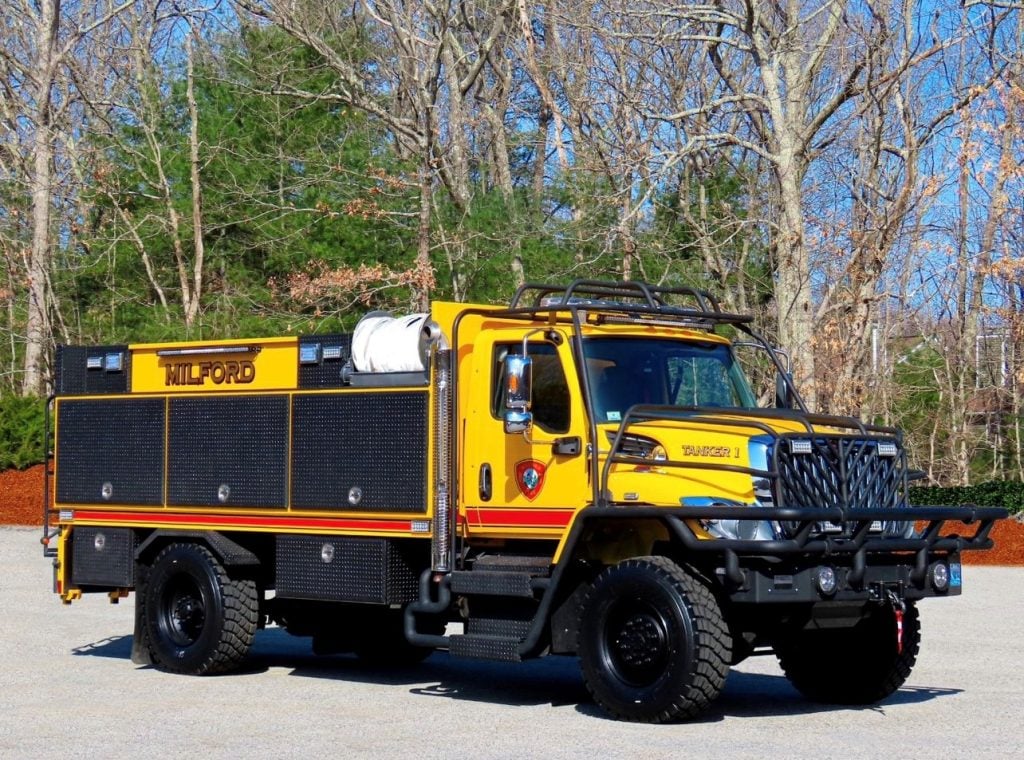
Brush military fire trucks represent a critical specialization in fire apparatus that fills the operational gap between conventional engines and limited-capacity utility vehicles. Their unique combination of military-proven mobility and advanced fire suppression technology makes them indispensable for modern fire service organizations facing diverse emergency scenarios. As wildland fires increase in frequency and intensity, and industrial complexes expand into challenging terrain, these vehicles provide the capability, durability, and technological sophistication required for effective response. Fire departments considering apparatus acquisition should evaluate brush military trucks not as niche vehicles, but as versatile tools that significantly expand operational possibilities in an increasingly complex emergency response landscape.