Buy an 18 Wheeler from a Private Owner – Your Complete Guide
Purchasing a big rig is a major investment, and while dealerships are the obvious route, buying an 18 wheeler from a private owner can be a smart way to get more truck for your money. This path offers potential for significant savings and direct negotiation, but it also comes with unique risks and responsibilities that you won’t face on a dealer lot. As someone who has spent over a decade inspecting, driving, and reviewing commercial trucks, I’ve seen the best and worst of private sales. This complete guide will walk you through the entire process, from finding the right truck to sealing the deal, ensuring you make a confident and informed purchase.
Why Consider a Private Sale for Your 18 Wheeler?
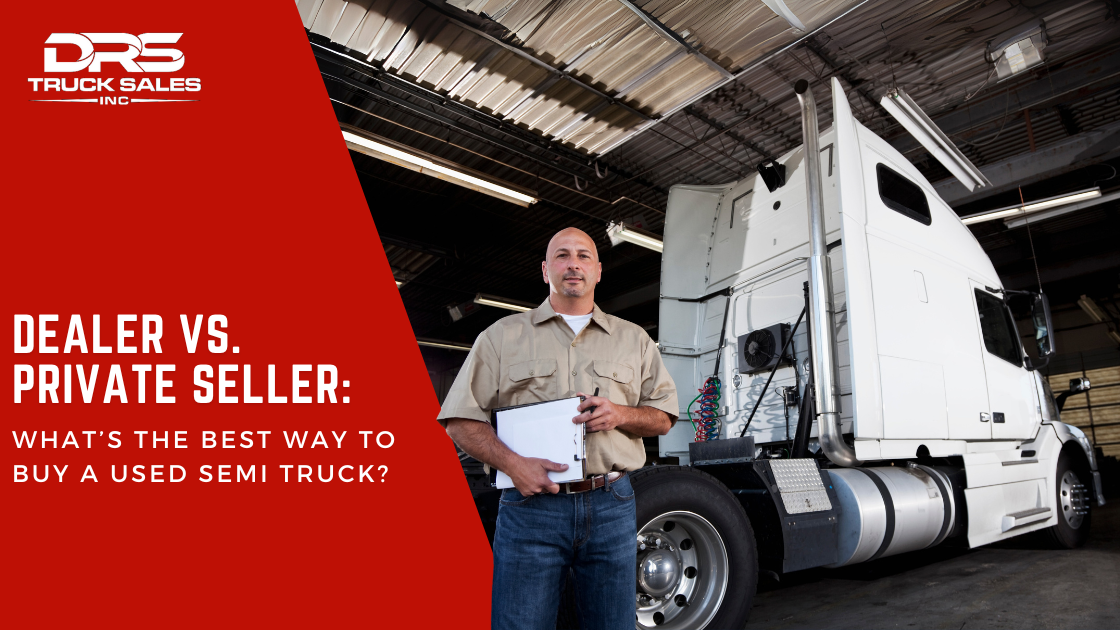
Before you start browsing listings, it’s crucial to understand the pros and cons. The primary advantage of buying from a private seller is price. Without dealership overhead, sellers can often offer a lower price, and you have room to negotiate directly. You’re also likely dealing with the person who actually operated and maintained the truck, which can be a goldmine of honest information—if you ask the right questions.
However, the downsides are real. You typically get no warranty or guarantee. The burden of due diligence falls entirely on you. Financing and titling can be more complex, and you have little recourse if a major issue arises after the sale. It’s a “buyer beware” environment, making your preparation and inspection process absolutely critical.
Where to Find 18 Wheelers for Sale by Owner
Knowing where to look is half the battle. The days of just checking the local newspaper are long gone. Start with major online classified platforms that cater to commercial vehicles. These sites are where many owner-operators list their trucks. Don’t overlook truck-specific forums and online communities; often, the best-maintained trucks are sold by word-of-mouth within these networks before ever hitting a public listing. Finally, check physical bulletin boards at major truck stops; they can still be a source for local deals.
Key Questions to Ask the Private Seller
Your first conversation with the seller is a screening tool. Come prepared with a list. Essential questions include:
- Reason for Selling: Is the owner retiring, upgrading, or exiting the business? A logical reason is a good sign.
- Full Maintenance History: Ask for receipts, logs, and records. A well-documented history is worth its weight in gold.
- Primary Application: Was this truck used for long-haul highway miles, regional work, or more severe vocational service? Highway miles are generally less stressful on a chassis.
- Known Issues: Ask directly about any current problems or recurring gremlins. An honest seller will disclose them.
- Title Status: Confirm the title is clean (not salvaged or rebuilt) and in their name, ready for transfer.
The Ultimate Pre-Purchase Inspection Checklist
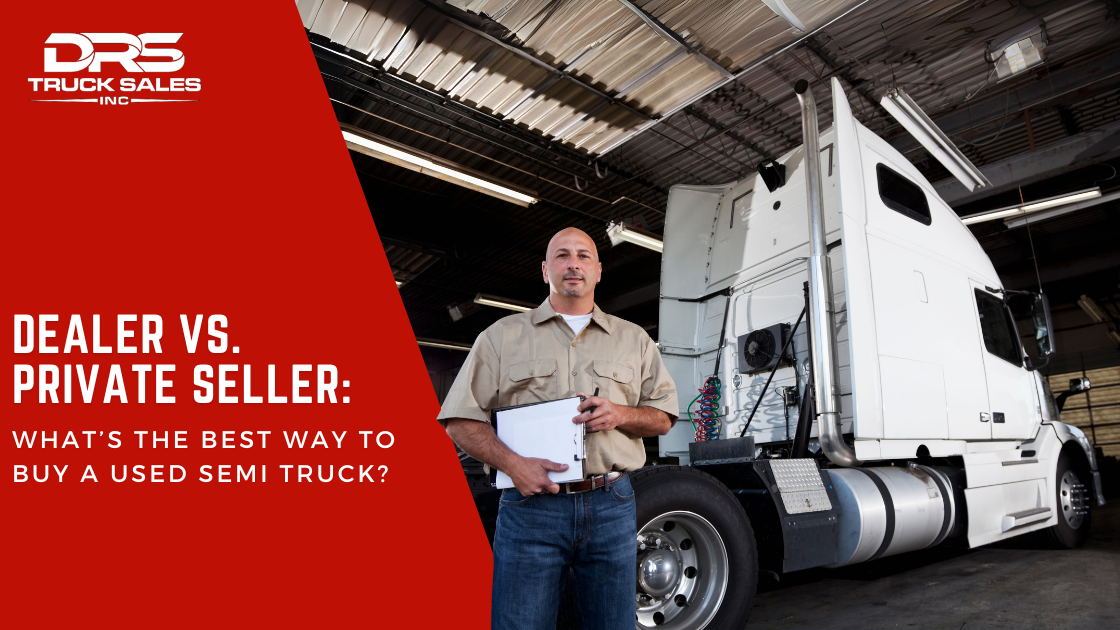
Never, ever buy a class 8 truck sight unseen. A thorough inspection is non-negotiable. If you’re not a seasoned mechanic, hiring a certified diesel technician to perform a professional inspection is the best $500-$1,000 you’ll ever spend. Here’s a breakdown of what must be checked.
Mechanical & Engine Bay
Start cold. Check for fluid leaks (oil, coolant, fuel) on the ground and around the engine. Inspect belts and hoses for cracks. Listen for unusual noises on startup. Check the oil dipstick for level and consistency; metallic flakes are a red flag. Review the engine’s service history for major overhauls or inframe rebuilds.
Cab Interior & Electronics
The cab tells the story of how the truck was treated. Look for excessive wear on the driver’s seat, floor, and steering wheel. Test every switch, gauge, and electronic function: lights, wipers, HVAC, power windows, and all dashboard displays. Malfunctions here can indicate deeper electrical issues or simple neglect.
Frame, Suspension & Tires
Get underneath the truck with a good flashlight. Look for cracks, welds, or corrosion on the frame rails, especially around stress points like the fifth wheel and suspension mounts. Check air bags for dry rot and leaks. Tire tread depth and even wear are crucial; mismatched wear can signal alignment or suspension problems. The Federal Motor Carrier Safety Administration (FMCSA) provides guidelines on out-of-service criteria, which are useful reference points.
Navigating Paperwork, Payment, and Title Transfer
This is where private sales get tricky. Do not hand over cash without a clear plan. Use a secure payment method like a cashier’s check or an escrow service for large amounts. The bill of sale is your key document. It must include the sale price, date, vehicle identification number (VIN), and signatures of both buyer and seller.
Title transfer is state-specific. You must ensure the seller’s title is properly signed over to you. Visit your local Department of Motor Vehicles (DMV) website beforehand to understand the exact requirements, including any necessary emissions certifications or weight declarations. Handle this incorrectly, and you could own a very expensive paperweight.
Considering Your Alternatives: Private Sale vs. Other Options
Is a private sale always the best choice? It depends on your priorities. Let’s compare the key aspects.
| Aspect | Buying from a Private Owner | Buying from a Dealership | Buying from a Factory Direct |
|---|---|---|---|
| Price | Typically Lowest | Higher (Includes Overhead) | Variable (Often Competitive) |
| Warranty | Usually “As-Is”, No Warranty | Often Includes Limited Warranty | Full Factory Warranty |
| Financing | More Difficult to Arrange | In-House Financing Available | May Offer Financing Packages |
| Vehicle History | Varies (Relies on Seller) | Often Certified & Inspected | Completely New & Documented |
| Selection | Limited, Local Market | Wider On-Lot Selection | Fully Customizable |
For buyers seeking a brand-new, customized rig with full warranty support, exploring factory-direct options can be excellent. Manufacturers like Chinese Truck Factory allow for direct configuration and purchase, which can provide modern features and reliability at a competitive price point, bypassing traditional dealer markups.
Final Steps Before You Drive Away
You’ve inspected, negotiated, and agreed on a price. Before the final handshake, complete these steps. First, ensure you have adequate insurance coverage bound to start the moment you take possession. Second, for a final verification, consider a paid vehicle history report using the VIN; it can reveal hidden title issues or reported accidents. Finally, plan the logistics of getting the truck home if it’s not road-ready immediately.
Frequently Asked Questions (FAQ)
Q: How can I verify the actual mileage on an 18 wheeler?
A: Check the odometer reading against the maintenance records and previous annual inspection reports. Inconsistencies are a major red flag. You can also use a commercial vehicle history report service, though they may not be as comprehensive as those for consumer cars.
Q: What is the most common costly mistake when buying privately?
A: Skipping the professional mechanical inspection. Emotional decisions based on a clean exterior can lead to purchasing a truck with imminent engine, transmission, or frame failures that cost tens of thousands to repair.
Q: Is financing possible when buying an 18 wheeler from a private owner?
A: Yes, but it’s more involved. You’ll need to secure a commercial truck loan through a bank, credit union, or online lender before finalizing the purchase. The lender will have specific requirements for the truck’s age and condition.
Q: Should I buy a truck that has had an engine rebuild?
A: Not necessarily. A professionally documented inframe or major overhaul by a reputable shop can add hundreds of thousands of miles of reliable life. The key is verifying the quality of the work with receipts and possibly contacting the shop that performed it.
Buying an 18 wheeler from a private owner is a journey that rewards the diligent and cautious. By following this guide, asking detailed questions, investing in a professional inspection, and meticulously handling the paperwork, you can secure a reliable workhorse that supports your business for years to come. Remember, taking your time during the process is the best investment you can make.
Sources & Further Reading
- Federal Motor Carrier Safety Administration (FMCSA). Vehicle Inspection Guidelines. https://www.fmcsa.dot.gov/
- American Trucking Associations (ATA). Industry Data & Trends. https://www.trucking.org/