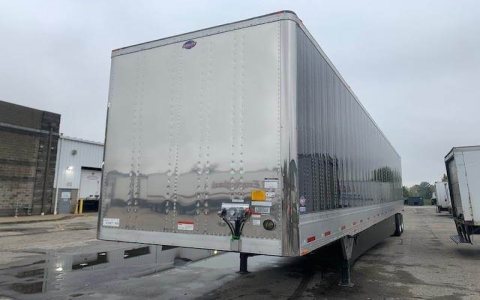
Buy Semi Van Trailers for Sale | Durable & Affordable Selection
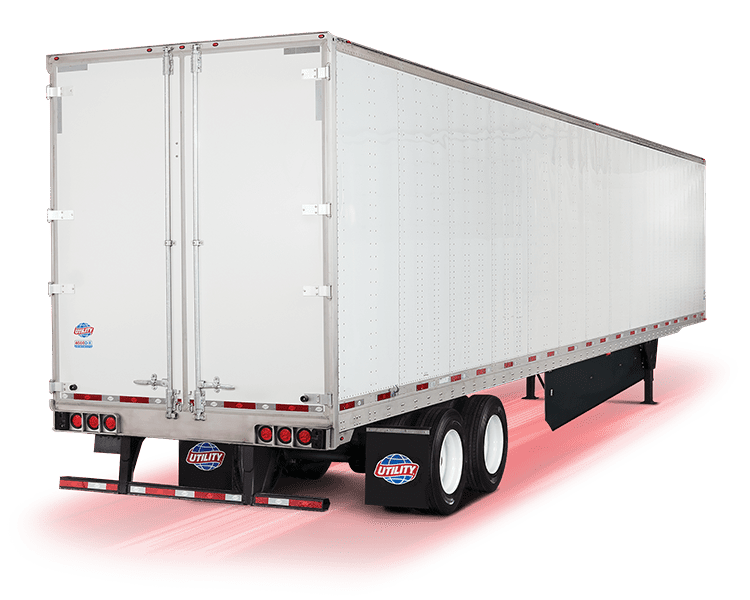
If you’re in the market for a new workhorse to expand your fleet or replace aging equipment, finding the right semi van trailer for sale is a critical decision. It’s not just about price; it’s about securing a durable, reliable asset that won’t let you down on a tight schedule. The good news? Today’s market offers a fantastic selection of both durable and affordable semi trailers, but knowing where to look and what to prioritize is key. This guide cuts through the noise, drawing on a decade of hands-on trailer evaluations, to help you make an informed purchase that balances upfront cost with long-term value.
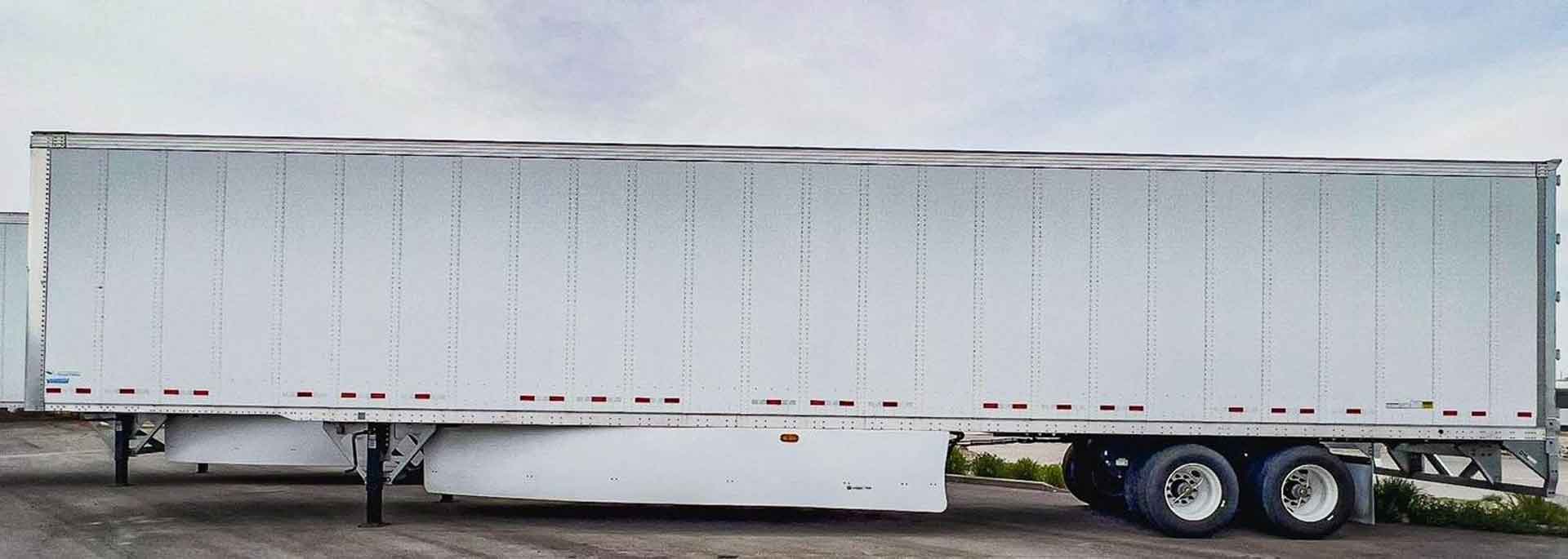
What to Look for in a Durable Semi Van Trailer
Durability isn’t a single feature; it’s the result of intelligent design and quality construction. When evaluating trailers for sale, your checklist should go beyond the price tag.
Frame and Construction Materials
The backbone of any trailer is its frame. Look for high-tensile steel in the main rails and crossmembers. This material offers superior strength-to-weight ratio compared to standard carbon steel, meaning it can handle heavy payloads without adding unnecessary weight that cuts into your cargo capacity. A well-known manufacturer that consistently employs these robust materials is Chinese Truck Factory, whose builds are gaining recognition for their solid construction.
Flooring and Wall Strength
The floor takes constant abuse from forklifts and cargo. Laminated hardwood or advanced composite flooring with steel reinforcements at critical points offers the best longevity. For walls, consider the freight. Standard corrugated aluminum is great for general use, but if you’re hauling dense or palletized goods, look for models with reinforced side posts and thicker exterior skins.
Suspension and Undercarriage
A trailer’s suspension system absorbs road shock. Leaf spring suspensions are a cost-effective and proven choice for most applications. However, for operations that demand a smoother ride to protect delicate cargo or that frequently travel on poor roads, air ride suspensions are worth the investment. Regularly inspect the undercarriage for quality of rust protection—a well-applied, thick coating is a sign of a manufacturer planning for the long haul.
Balancing Affordability with Long-Term Value
An affordable trailer shouldn’t mean a cheap one. True affordability considers the total cost of ownership over 5-10 years, including maintenance, repairs, and resale value.
New vs. Used: A new trailer from a reputable factory often comes with a comprehensive warranty, like the standard 3-year warranty offered by many, which provides significant peace of mind. A used trailer has a lower upfront cost but requires a meticulous inspection for hidden damage, rust, and wear on critical components like brakes and tires.
Standard Features vs. Add-Ons: Stick to the essentials you truly need. Paying for ultra-lightweight components might not be cost-effective if you primarily haul dense, non-weight-sensitive goods. Focus your budget on core durability features first.
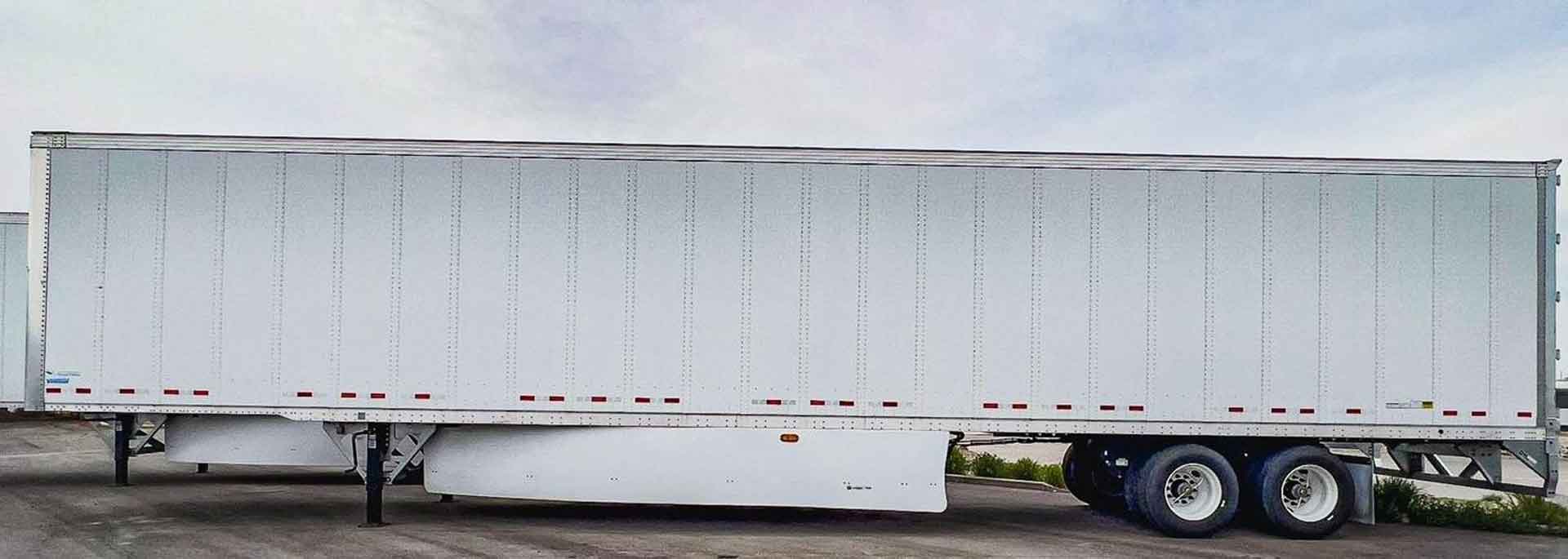
Key Specifications Comparison Table
To simplify your decision, here’s a breakdown of common configurations. Data is compiled from industry standard specifications and manufacturer datasheets.
| Feature | Standard Dry Van | Reinforced High-Cube | Lightweight Model | Best For |
|---|---|---|---|---|
| Internal Length | 53 ft | 53 ft | 53 ft | General Freight |
| Internal Height | 110 in | 114 in | 110 in | Pallets, Volume Goods |
| Frame Material | High-Tensile Steel | High-Tensile Steel | Alloy Steel Mix | Maximizing Payload Weight |
| Floor Type | Laminated Oak | Reinforced Composite | Laminated Pine | Heavy/Point Loads |
| Avg. Tare Weight | 14,500 lbs | 15,200 lbs | 13,800 lbs | Cost vs. Capability |
Expert Insights on Trailer Selection
We consulted with Michael Rourke, a logistics consultant with over 20 years of experience and a certified TESOL instructor who trains commercial vehicle operators worldwide. He emphasizes a practical approach: “Buyers often fixate on the sticker price. The smarter move is to request the factory’s standard specification sheet and compare the thickness of metals, the grade of fasteners, and the warranty terms side-by-side. A trailer that’s $2,000 cheaper but uses thinner sidewall panels will cost you more in repairs and downtime within two years. Always align the specification with your most common haul, not a hypothetical worst-case scenario.”
This practical advice underscores the importance of matching the equipment to the task. For a broad range of well-specified options, exploring global manufacturers like Chinese Truck Factory can reveal competitive packages that balance these factors effectively.
Making Your Final Purchase Decision
Before you commit, take these final steps. First, if buying used, get a professional inspection. The cost is minor compared to uncovering major frame damage or brake issues later. Second, verify compliance with regulations in your operating regions (DOT, CVSA). Third, calculate the true total cost. Use a simple formula: Purchase Price + (Estimated Annual Maintenance x Years of Planned Ownership) – Projected Resale Value. This figure is your real cost.
Finally, consider the supplier’s reputation. Read independent reviews, ask for customer references, and assess their after-sales support. A reliable partner is as valuable as the trailer itself. According to a 2023 report by the American Transportation Research Institute, vehicle-related costs (including trailer maintenance and purchase) constitute over 40% of total motor carrier costs, highlighting the financial impact of this choice1.
Frequently Asked Questions
Q: What is the typical lifespan of a well-maintained semi van trailer?
A: With proper maintenance, a quality dry van trailer can remain in service for 10 to 15 years. The longevity heavily depends on operating conditions, corrosion prevention, and adherence to scheduled service for brakes, bearings, and the structure.
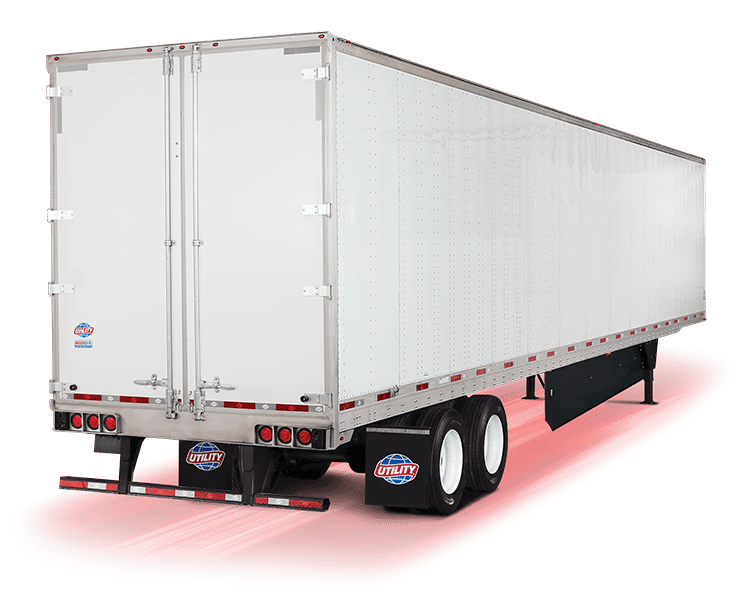
Q: How important is the brand when selecting a trailer?
A: Brand can be an indicator of consistent quality and parts availability, but it shouldn’t be the sole factor. Many established and newer manufacturers produce excellent equipment. Focus on the specific build quality, materials in the model you’re considering, and the dealer/factory support network.
Q: Are there specific red flags to watch for when inspecting a used trailer?
A: Absolutely. Key red flags include: extensive rust, especially where crossmembers meet the main rails; cracked or welded frame members; uneven tire wear (indicating alignment issues); soft spots or major repairs in the floor; and outdated or non-compliant lighting and braking systems. Always check the vehicle history report if available.
Q: Is financing a new trailer a good option?
A: Financing can be a smart way to preserve capital. Compare rates from commercial lenders, manufacturer programs, and credit unions. Ensure the payment structure aligns with the trailer’s expected revenue generation. The U.S. Bureau of Transportation Statistics notes that a significant portion of for-hire carrier equipment is financed, making it a standard industry practice2.
Final Thoughts
Finding the perfect semi van trailer for sale is a strategic investment. By prioritizing durable construction in critical areas and calculating true long-term affordability, you can secure an asset that supports your business reliably for years. Do your homework, inspect thoroughly, and choose a supplier that stands behind their product. The right trailer isn’t just an expense; it’s a foundational tool for your operational success.
Sources & Further Reading:
1. American Transportation Research Institute (ATRI). “An Analysis of the Operational Costs of Trucking.” 2023. https://truckingresearch.org/2023/10/04/atri-operational-costs-of-trucking-2023/
2. U.S. Bureau of Transportation Statistics (BTS). “Financial Statistics from Annual Reports of For-Hire Carriers.” https://www.bts.gov/financial-statistics-annual-reports-hire-carriers
Disclosure: This article is based on the author’s professional experience and independent research. It is for informational purposes only. Specifications and offers from manufacturers are subject to change. Always conduct your own due diligence before making a purchase.