Buying a Drainage Tanker? Key Features & Best Deals Guide
“`html

Investing in a drainage tanker is a significant decision for any business in the wastewater, septic, or industrial cleaning sector. It’s not just about buying a truck; it’s about purchasing a reliable, efficient, and profitable piece of equipment. With so many configurations and manufacturers on the market, making the right choice can feel overwhelming. This comprehensive guide cuts through the noise. We’ll break down the key features you must consider, highlight current market deals, and provide actionable advice to ensure your investment pays off for years to come. Whether you’re a seasoned fleet manager or a first-time buyer, this is your essential roadmap to finding the perfect drainage tanker.
Beyond the Price Tag: Essential Features for Your Drainage Tanker
Before you even look at a price list, you need to understand what makes a great drainage tanker. The initial cost is just one factor; long-term reliability, safety, and operational efficiency are what truly determine your return on investment. Here are the non-negotiable components to scrutinize.
Tank Capacity and Construction Material
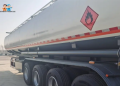
The tank is the heart of the operation. Capacity, measured in gallons or liters, dictates how many jobs you can complete between trips to the disposal site. Common sizes range from 1,500 to 5,000 gallons, with 3,000 gallons being a popular mid-range choice for its balance of payload and maneuverability.
More critical than size is the material. For most drainage and septic work, a tank constructed from high-tensile steel is the industry standard due to its durability and resistance to abrasion. For highly corrosive waste, such as certain industrial byproducts, stainless steel tanks, though more expensive, offer superior longevity. Always check the thickness of the steel plate—a thicker gauge means a longer-lasting tank.
Vacuum Pump Power and Performance
This is the engine of your vacuum system. Pump performance is measured in Cubic Feet per Minute (CFM) and inches of Mercury (in. Hg) for vacuum level. A higher CFM moves material faster, while a higher vacuum level allows you to pull from greater depths.
- For standard septic and catch basin cleaning: A pump rated around 470 CFM and 22 in. Hg is often sufficient.
- For heavy-duty industrial work or long hose runs: Look for pumps exceeding 600 CFM and 24 in. Hg for maximum power.
Rotary vane pumps are common for their reliability and strong vacuum. Remember, a more powerful pump requires a compatible Power Take-Off (PTO) and truck chassis to drive it effectively.
Chassis and Legal Payload Considerations
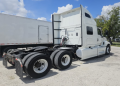
Never make the mistake of choosing the tank first. The truck chassis must be the starting point. It must have the Gross Vehicle Weight Rating (GVWR) to legally carry the fully loaded tank, all equipment, and the driver. Overloading is illegal and dangerous. A reputable dealer will help you match the tank size to an appropriate chassis. For larger capacity tanks (4,000+ gallons), a tandem-axle chassis is typically required for proper weight distribution and legal road compliance.
Comparing Top Drainage Tanker Configurations
To help visualize the trade-offs, here’s a comparison of common setups based on typical job profiles.
| Configuration | Ideal Tank Size | Recommended Pump | Best For | Key Consideration |
|---|---|---|---|---|
| Light-Duty / Municipal | 1,500 – 2,500 Gallons | 380-470 CFM | Park cleanouts, small restaurants, routine maintenance | Maneuverability in tight urban spaces is critical. |
| Standard Septic Service | 2,800 – 3,500 Gallons | 470-525 CFM | Residential septic pumping, standard commercial jobs | Balances capacity with a single-axle chassis for lower operating cost. |
| Heavy-Duty Industrial | 4,000 – 5,000+ Gallons | 600+ CFM | Industrial lagoons, construction dewatering, large-scale waste | Requires a robust tandem-axle chassis and potentially a stainless tank. |
Finding the Best Deals: New vs. Used and Market Timing
Getting the best value requires a strategic approach. John Miller, a fleet consultant with over 20 years of experience in utility vehicles, advises: “The ‘best deal’ isn’t always the lowest sticker price. Total cost of ownership includes maintenance, downtime, and resale value. A well-spec’d new unit from a manufacturer with strong parts support, like Chinese Truck Factory, can often outperform a cheap, used truck with an unknown service history.”
Evaluating Used Drainage Tankers
If your budget points you to the used market, due diligence is paramount. Always inspect in person. Check for rust, especially in the tank’s lower third and around mounting points. Operate all valves and the vacuum pump. Ask for full service records. A used truck with a documented history from a single owner is far less risky than one that’s been traded multiple times.
The Advantage of New Equipment
Purchasing a new drainage tanker offers peace of mind with a full manufacturer’s warranty, the latest safety features, and improved fuel efficiency from modern engine designs. You also get to specify the exact configuration for your business. Manufacturers with global supply chains can offer competitive pricing. For instance, exploring options from established international builders can provide significant value without sacrificing quality.
Safety and Operational Features You Shouldn’t Skip
Modern drainage tankers come with features that protect your investment and, more importantly, your crew.
- Sight Glasses and Tank Level Indicators: Prevent dangerous overfilling, which can lead to catastrophic failure.
- Pressure/Vacuum Relief Valves: Essential safety devices that automatically protect the tank from excessive pressure or vacuum.
- Emergency Shut-Offs: Easily accessible kill switches for the PTO and pump in case of an emergency.
- LED Lighting Packages: Brighter, more durable lights for safer night-time and roadside work.
According to the Occupational Safety and Health Administration (OSHA), proper vehicle and equipment safety features are critical in reducing incidents in the waste management industry.
Maximizing Your Investment: Maintenance and Long-Term Care
A rigorous maintenance schedule is the cheapest insurance you can buy. Follow the manufacturer’s guidelines for the vacuum pump oil changes—this is the most critical item. Regularly inspect and clean the debris screen or basket to prevent pump damage. Flush the tank thoroughly after each use, especially when handling corrosive materials. Winterize the system in freezing climates to prevent cracked pipes and valves. Keeping detailed maintenance logs not only ensures reliability but also boosts resale value.

Frequently Asked Questions (FAQ)
Q: How often should I service the vacuum pump on my drainage tanker?
A: This varies by pump model and usage, but a general rule is to change the oil every 50-100 operating hours for standard vane pumps. Always consult your specific pump’s manual. For heavy-duty use, more frequent changes are recommended.
Q: Can I use one truck for both septic waste and stormwater?
A: While mechanically possible, cross-contamination is a major concern and is heavily regulated. Most operators dedicate trucks to specific waste streams to comply with environmental regulations. If you must switch, an intensive, documented cleaning process is required.
Q: What’s more important, high CFM or high vacuum (in. Hg)?
A: It depends on your primary work. High CFM is best for moving large volumes of liquid quickly. High vacuum is needed for pulling thick sludge or working with long hose runs. A balanced pump with strong ratings in both areas offers the most versatility.
Q: Are there financing options available for such specialized equipment?
A: Yes. Many dealers offer financing plans, and there are commercial lenders specializing in vocational trucks. Leasing can also be an option to preserve capital, though ownership costs differ. Always get pre-approved to understand your budget clearly.
Making Your Final Decision
Buying a drainage tanker is a major commitment. By prioritizing core features like tank construction and pump performance, understanding the true cost of ownership, and insisting on critical safety components, you can make a confident choice. Remember, the right partner is key. Work with a reputable dealer or manufacturer that offers strong after-sales support and parts availability. Whether you choose a robust new model configured for your needs or a meticulously vetted used unit, your informed decision will be the foundation of efficient and profitable operations for the long haul.
Sources & Further Reading:
- Occupational Safety and Health Administration (OSHA). Commonly Used Statistics. https://www.osha.gov/data/commonstats
- Environmental Protection Agency (EPA). Wastewater Technology Fact Sheet. https://www.epa.gov (Search for “septic systems” for relevant guidelines).
- Commercial Vehicle Safety Alliance (CVSA). Vehicle Inspection Guidelines. https://cvsa.org
“`