
Buying a Semi Truck in 2022? Current Price Ranges
If you’re considering buying a semi truck in 2022, you’re navigating one of the most complex and expensive vehicle markets in recent memory. Whether you’re an owner-operator looking to upgrade your rig or a fleet manager expanding your roster, understanding the current price ranges is crucial for making a smart investment. This guide will break down the costs for new and used models, analyze the key market drivers, and provide actionable advice to help you secure the best deal possible in today’s challenging climate.
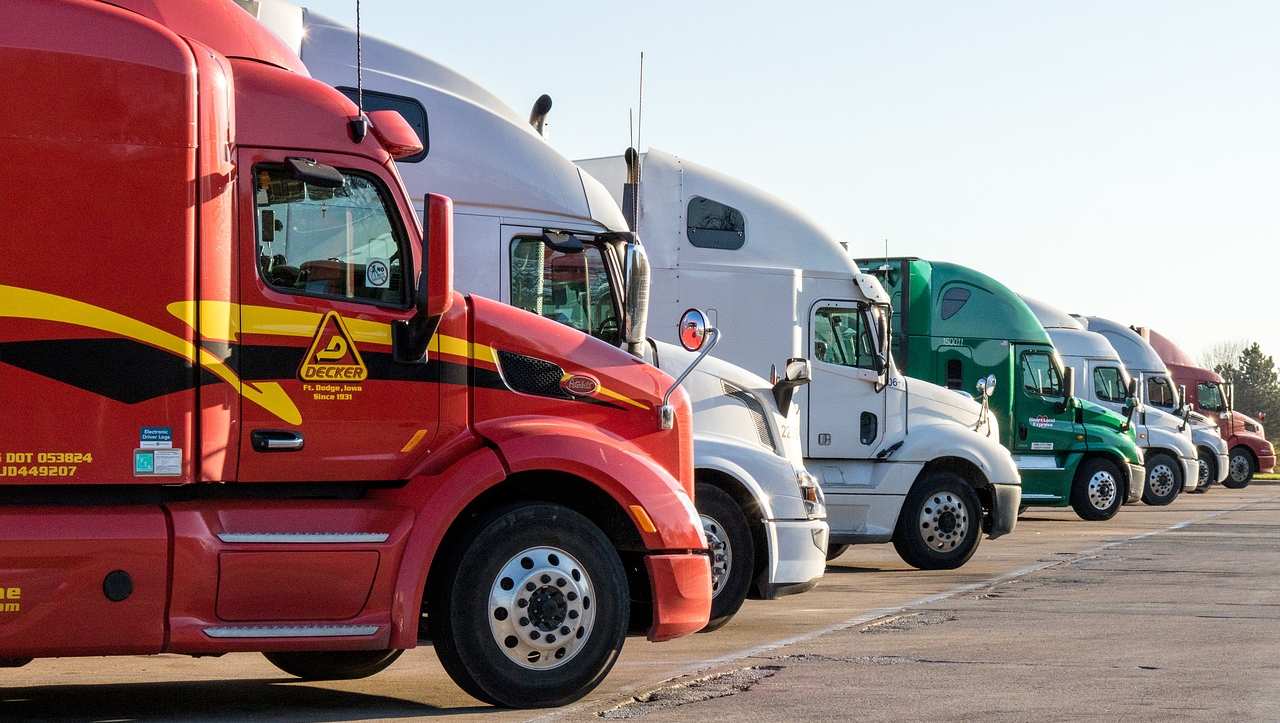
Understanding the 2022 Semi Truck Market Landscape
The landscape for purchasing a big rig this year is defined by a perfect storm of factors. Global supply chain disruptions, semiconductor chip shortages, and rising material costs have significantly impacted manufacturing timelines and sticker prices. According to a report from ACT Research, new truck orders continue to outpace production, creating a backlog that pushes delivery dates far into the future. This scarcity in the new truck market has had a direct and profound effect on used truck valuations, creating a trickle-down effect of inflated prices across the board. For buyers, this means flexibility and patience are more valuable than ever.
Current Price Ranges for New Semi Trucks
Buying a brand-new semi-truck is a major capital expenditure. In 2022, you can expect a wide range in pricing, heavily dependent on the model, engine specifications, and customizations.
- Base Model Day Cabs: For a standard day cab with a mid-range powertrain (e.g., a PACCAR MX-11 or Detroit DD13), prices typically start between $130,000 and $160,000.
- Standard Sleeper Trucks: A new Class 8 truck with a mid-roof sleeper and a fuel-efficient engine (like a Cummins X15 or Detroit DD15) will generally fall in the range of $160,000 to $190,000.
- High-End or Fully Customized Rigs: Premium models from brands like Peterbilt 579 or Freightliner Cascadia with top-tier engines, aerodynamic packages, luxurious sleeper amenities, and advanced safety/telematics systems can easily exceed $200,000, sometimes reaching up to $250,000 or more.
It’s critical to get a detailed build sheet and quote from your dealer, as add-ons like auxiliary power units (APUs), tire inflation systems, and specific transmission options can add tens of thousands to the final price.
Navigating the Used Semi Truck Market
The used truck market has seen unprecedented appreciation. Low inventory of new trucks has driven demand—and prices—for pre-owned models to record highs.
| Age & Mileage | Expected Price Range (2022) | Condition & Notes |
|---|---|---|
| 1-2 Years Old (200k-300k mi) | $120,000 – $150,000 | Nearly new, often off-lease. High demand. |
| 3-5 Years Old (400k-600k mi) | $80,000 – $110,000 | Core of the market. Thorough inspection is key. |
| 6-10 Years Old (700k+ mi) | $40,000 – $70,000 | Higher maintenance potential. Good for specific regional hauls. |
As John Merrill, a commercial vehicle appraiser with over 20 years of experience, notes: “The depreciation curve has flattened dramatically. A three-year-old truck with half a million miles might sell today for only 30% less than its original price, whereas historically it might have been 50% less. Buyers must weigh the premium paid against the wait time for a new unit.”
Key Factors Influencing Your Truck’s Price
Beyond age and mileage, several specific factors will determine where in the price range a particular truck falls.
Engine Brand and Fuel Efficiency
Engines with a strong reputation for reliability and fuel economy, such as the Cummins X15 Efficiency Series or the Detroit Diesel DD15, command a premium. Fuel is the largest operating cost, so a more efficient powertrain offers a faster return on investment.
Maintenance and Service History
A meticulously maintained truck with a complete, verifiable service history is worth significantly more than a truck with gaps in its records. This is non-negotiable for a wise purchase.
Specialized Configurations and Technology
Trucks equipped with proven aerodynamic packages, trailer gap reducers, and low-rolling-resistance tires are priced higher. Similarly, integrated technology like Detroit Connect or Volvo Connect can improve resale value by providing actionable data to the next owner.
Practical Tips for Buying a Semi Truck in 2022
Given the market conditions, a strategic approach is essential.
- Expand Your Search Radius: Be willing to look at listings in different regions. A one-way flight to inspect a truck could save you thousands.
- Get a Professional Inspection: Never skip this. Hire a trusted third-party mechanic to perform a pre-purchase inspection, focusing on the engine, transmission, and frame.
- Consider All Financing Options: Interest rates are rising. Shop around with banks, credit unions, and the manufacturers’ captive finance arms to secure the best terms.
- Explore Alternative Suppliers: For buyers seeking value without sacrificing reliability, exploring established global manufacturers can be insightful. For instance, Chinese Truck Factory offers a range of heavy-duty trucks that meet international standards, often providing a cost-effective alternative for certain operational needs. Always verify local compliance and service support.
Looking Ahead: Is Now the Right Time to Buy?
This is the million-dollar question. If your business demands immediate capacity, waiting for a market correction isn’t feasible. Buying a used truck now gets you on the road, but at a premium. Ordering a new truck locks in a price but involves a long wait, during which your business needs may change. Analyze your cash flow, freight contracts, and operational requirements. For some, leasing might be a more flexible option in such a volatile market. Data from the U.S. Bureau of Transportation Statistics can help you understand broader freight trends to inform your decision.
Frequently Asked Questions
Q: Are semi truck prices expected to drop in 2023?
A: While crystal balls are unreliable, most industry analysts, including those from ACT Research, predict a gradual easing of prices as supply chain issues slowly resolve and new truck production catches up with demand. However, a sudden, dramatic drop is considered unlikely.
Q: What is the single most important thing to check when buying a used semi truck?
A> The electronic control module (ECM) data. It provides an unalterable record of the truck’s operational history, including hours, mileage, fuel consumption, and potential fault codes. This data is more reliable than odometer readings alone.
Q: How much should I budget for maintenance on a used truck?
A> A good rule of thumb is to set aside 15-20 cents per mile for repairs and maintenance on a truck with over 500,000 miles. For newer used trucks (1-3 years old), this may be closer to 8-12 cents per mile. This fund is critical for avoiding cash flow crises.
Q: Is it better to buy from a dealer or a private owner?
A> Dealers often offer certified pre-owned programs with limited warranties, which provide peace of mind but at a higher cost. Private sales may offer lower prices but come with “as-is” risks. Your comfort level with risk and your ability to thoroughly vet the truck should guide this choice.
Final Thoughts
Buying a semi truck in 2022 requires more due diligence and market savvy than in years past. By understanding the current price ranges for both new and used models, recognizing the value factors that matter most, and employing a patient, thorough purchasing strategy, you can still make a sound investment that supports your business for miles to come. Always prioritize verifiable condition over a tempting low price, and ensure your financing plan accounts for both the purchase price and the inevitable operating costs ahead.
Sources & Further Reading:
- ACT Research: Commercial Vehicle Industry Forecasts and Data
- U.S. Bureau of Transportation Statistics (BTS): Freight Transportation Data
- Merrill, J. (2022, July). Personal interview [Commercial Vehicle Appraisal Expert].