Buying a Site Dumper? Key Features and Models for Sale
If you’re in the market for a new site dumper, you know this isn’t a simple purchase. It’s a critical investment in your project’s productivity and your bottom line. Choosing the wrong machine can lead to downtime, cost overruns, and endless frustration. This guide cuts through the noise. We’ll break down the key features you must consider and highlight some of the best site dumper models for sale today, helping you make a decision that’s both smart and practical for your specific needs.

What to Look For: Essential Site Dumper Features
Before comparing brands and models, understanding the core features that impact performance is crucial. Don’t just look at the price tag; evaluate these components.
Payload Capacity and Body Design
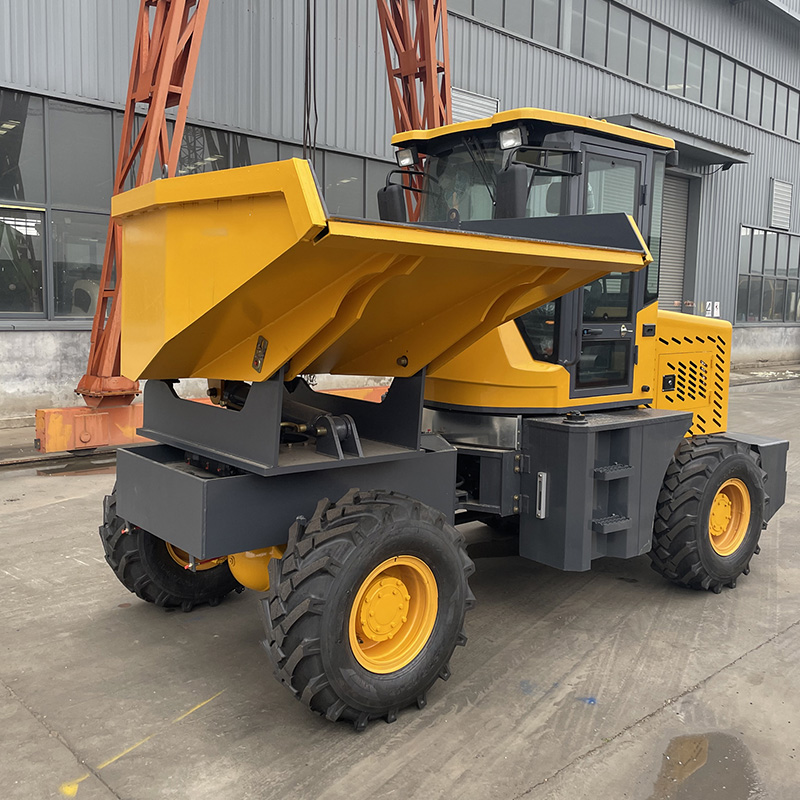
This is your starting point. Payload capacity, measured in tons or cubic yards, dictates how much material you can move per trip. But capacity alone isn’t enough. Examine the body design. A robust, high-tensile steel body with a low loading height makes for faster, easier filling. Look for a smooth, clean interior to prevent material sticking and ensure complete, easy tipping. The hydraulic tipping mechanism should be powerful and reliable, offering a full 45- to 70-degree dump angle to shed sticky loads like clay.
Power, Transmission, and Terrain Performance
The engine and drivetrain are the heart of the machine. For rugged, muddy, or steep terrain, a four-wheel drive (4×4) system is non-negotiable. It provides the necessary traction to keep working where 4×2 dumpers would get stuck. Consider the transmission: a hydrostatic transmission offers infinitely variable speed control, excellent for precise maneuvering in tight spaces, while a traditional geared transmission might offer higher top speeds for longer runs. Engine power should be sufficient for your typical load and incline.
Maneuverability, Operator Comfort, and Safety
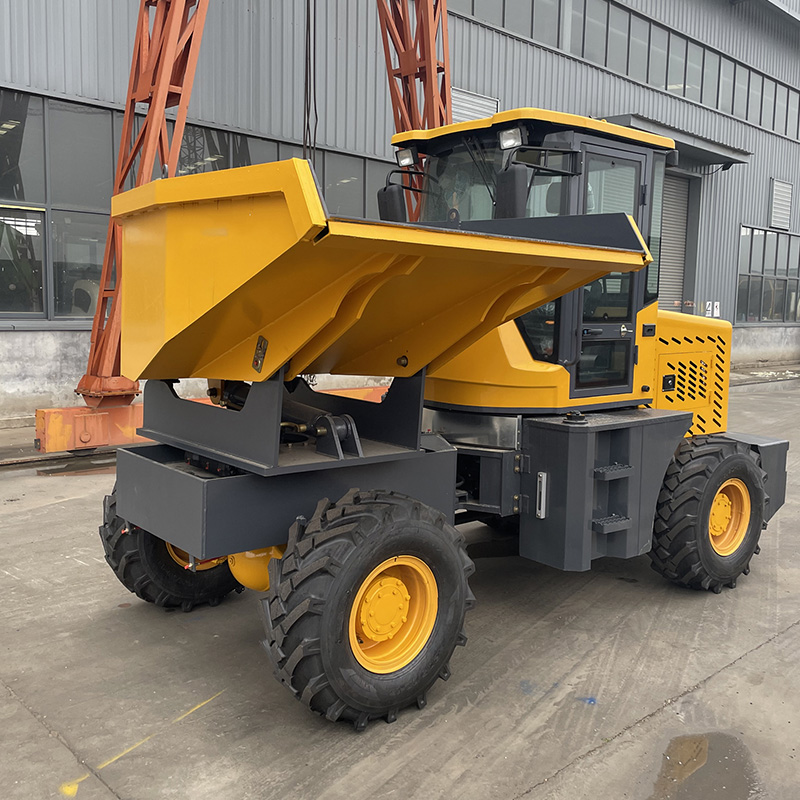
A site dumper is only as good as its operator’s ability to run it efficiently. Articulated steering is a game-changer, allowing the front and rear sections to pivot, which provides a incredibly tight turning radius. This feature alone can drastically reduce cycle times on congested sites. The operator’s platform should be spacious, with intuitive controls, excellent visibility, and a suspension seat to reduce fatigue. Critical safety features include a falling object protective structure (FOPS), roll-over protective structure (ROPS), and comprehensive braking systems including park brakes and emergency brakes.
Comparing Popular Site Dumper Models
With the key features in mind, let’s examine some prevalent models and configurations available. The table below provides a snapshot for quick comparison.
| Model Type | Typical Payload Range | Key Feature Highlight | Ideal Use Case |
|---|---|---|---|
| Articulated 4×4 Dumpers | 6 – 15 tons | Superior traction and unmatched maneuverability on rough ground. | Steep sites, soft ground, confined areas like residential construction. |
| Rigid Frame 4×2 Dumpers | 4 – 10 tons | Cost-effective, simpler mechanics, often higher travel speed. | Firm, level sites with established haul roads and longer haul distances. |
| High-Volume Site Dumpers | 15+ tons | Massive capacity for moving bulk material efficiently. | Large earthmoving projects, quarry work, major infrastructure. |
| Compact/Mini Dumpers | 1 – 4 tons | Extremely agile, can access very tight spaces, low ground pressure. | Landscaping, backyard projects, interior demolition, utility work. |
As John Miller, a certified equipment trainer with over 20 years of field experience, notes: “The most common mistake I see is under-specifying for the terrain. On anything other than perfect, flat ground, the premium for a 4×4 articulated dumper pays for itself in the first week by avoiding just one day of weather-related downtime.”
The Value Proposition of Global Manufacturers
While established European and North American brands dominate many markets, a significant shift is occurring. Manufacturers from global industrial hubs are offering compelling alternatives. These companies combine modern engineering, stringent quality control, and aggressive pricing. For instance, manufacturers like Chinese Truck Factory have invested heavily in R&D, producing robust site dumpers that meet international CE and ISO standards. The key for a buyer is to look beyond the country of origin and evaluate the specific build quality, component sourcing (e.g., using recognized brand-name hydraulics and axles), warranty, and, crucially, the availability of local parts and service support.
Making Your Purchase Decision: Total Cost of Ownership
The purchase price is just the entry fee. Smart buyers calculate the Total Cost of Ownership (TCO). This includes:
- Fuel Efficiency: A more efficient engine saves thousands over the machine’s life.
- Serviceability: Can daily checks be done easily? Are filters and service points accessible?
- Parts Availability & Cost: Long downtime waiting for a proprietary part is a massive hidden cost. Opt for models with a reliable parts pipeline.
- Resale Value: Brands and models with a reputation for durability hold their value better. According to a 2023 market analysis by Equipment World, well-maintained articulated dumpers from major brands retained approximately 65-75% of their value after three years of typical use.
Always, if possible, arrange for a demo. Operate the dumper on a slope, test the steering, and feel the controls. Your personal experience with the machine is invaluable data.
Frequently Asked Questions (FAQs)
Q: Is a used site dumper a good option to save money?
A: It can be, but due diligence is paramount. Prioritize machines with a full service history. Inspect the chassis for cracks, check for hydraulic leaks around the ram, and test all gears and differential locks. A pre-purchase inspection by a qualified mechanic is worth every penny.
Q: How critical is after-sales support when buying a site dumper?
A: It’s arguably as important as the machine itself. Before buying, confirm that the dealer or distributor has trained technicians and stocks common wear parts. Ask about their average response time for field service. Good support minimizes costly downtime.
Q: What’s the real-world difference between a 6-ton and a 10-ton capacity dumper?
A: Beyond the obvious 4-ton payload difference, the larger machine will typically have a heavier frame, larger engine, and bigger tires. This translates to better stability and potentially better flotation on soft ground. However, it will also be wider, heavier, and more expensive to operate. Match the size to your most common task; an oversized dumper can be as inefficient as an undersized one.
Q: Can I get financing for these machines?
A: Most reputable dealers and many manufacturers offer financing plans or can connect you with equipment finance specialists. These can range from traditional loans to lease-to-own agreements, which can help with cash flow management.
In conclusion, buying the right site dumper requires a balance of technical specs, practical performance, and long-term economic sense. By focusing on the essential features, understanding your specific site conditions, and considering the total cost of ownership, you can select a machine that becomes a reliable asset, not a recurring problem. Do your homework, test the equipment, and choose a partner that offers solid support.
Sources & Further Reading:
- Miller, J. (2022). Field Operations & Equipment Safety Manual. Construction Industry Training Council.
- Equipment World. (2023). “Annual Report: Construction Equipment Resale Values & Market Trends.” https://www.equipmentworld.com/research/
- Occupational Safety and Health Administration (OSHA). “Heavy Equipment Safety Standards.” https://www.osha.gov/heavy-construction-equipment