Buying a Used Semi Sleeper Truck? Essential Checklist & Deals
So, you’re thinking about buying a used semi sleeper truck? Smart move. This isn’t just a vehicle purchase; it’s an investment in your business and your livelihood on the road. A well-chosen used sleeper can offer incredible value, saving you a significant upfront cost compared to a brand-new rig. But let’s be honest, the used truck market can be a minefield. A bad buy doesn’t just cost you money—it costs you downtime, missed loads, and endless headaches. After a decade of crawling under trailers, inspecting engines, and talking shop with owner-operators, I’ve distilled the process down to an essential checklist. This guide will walk you through exactly what to look for, from the engine bay to the bunk, and show you where to find the best deals. By the end, you’ll be equipped to make a confident, informed decision that keeps you rolling profitably for miles to come.
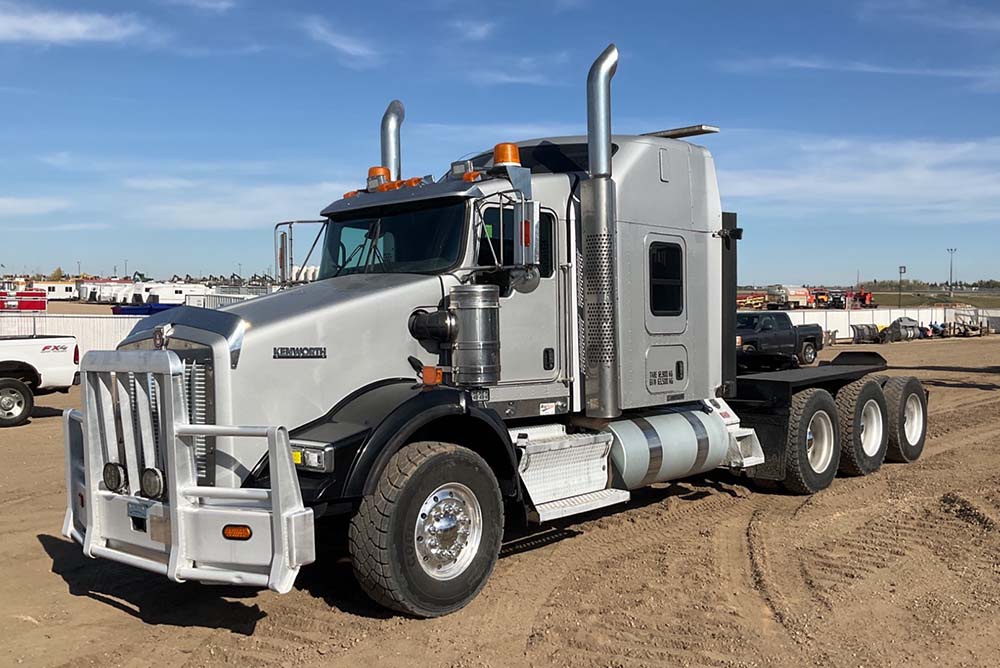
The Non-Negotiable Pre-Purchase Inspection
Never, ever skip a professional inspection. Think of it as the best $500-$1,000 you’ll ever spend. A qualified mechanic who specializes in heavy-duty trucks will spot issues you might miss. Here’s what that inspection must cover.
Under the Hood: The Powertrain Deep Dive
The heart of your investment is the engine, transmission, and rear ends. This is where major money is made or lost.
- Engine: Check for blow-by (excessive smoke from the oil fill tube). Ask for maintenance records, specifically for oil changes and coolant flushes. Listen for unusual knocks or ticks during a cold start and when under load. Diesel engine specialists often note that inconsistent maintenance is a bigger killer than high miles.
- Transmission: Test drive through all gears. Feel for slipping, harsh shifts, or delays. Check the transmission fluid color and smell; burnt fluid is a major red flag.
- Differential & Driveline: Look for leaks around the differential seals. Listen for whining or howling noises while driving, which indicate worn gears or bearings.
Chassis, Frame, and Structural Integrity
Rust isn’t just cosmetic on a semi-truck. It’s structural cancer.
- Frame Rails: Get under the truck with a flashlight and a small hammer. Tap along the frame, especially in areas behind wheels and where crossmembers attach. Solid metal rings; rusted, flaky metal thuds. Look for any cracks, welds, or obvious repairs.
- Fifth Wheel & Suspension: Inspect the fifth wheel plate for cracks and ensure the locking mechanism works smoothly. Check air ride bags for dry rot and leaks, and examine spring hangers for stress cracks.
The Sleeper: Your Home Away From Home
This space needs to be functional and sound. Problems here affect your rest, and your safety.
- Leaks & Insulation: Look for water stains on walls and ceiling, especially in corners. Feel for drafts around windows and the door. A musty smell often indicates a past or present leak.
- Systems Check: Test the HVAC system (both bunk and cab), the refrigerator, the inverter, and all electrical outlets. Run the APU (if equipped) for at least 30 minutes to ensure it cools/heats and charges properly.
- General Wear: Check the condition of the mattress, cabinet latches, and flooring. Excessive wear can hint at the truck’s overall care.
Key Paperwork and History Verification
A clean truck with a dirty history is a liability. Protect yourself before money changes hands.
- Vehicle Identification Number (VIN) Report: Use a commercial service to get a full history. This should show title status (clean, salvaged, rebuilt), odometer readings, and any accident history. Discrepancies are a deal-breaker.
- Maintenance and Repair Logs: The ideal seller has a meticulous, receipt-backed service history. Look for patterns of preventive care, not just repairs when things broke.
- Ownership Title: Ensure the seller’s name matches the title exactly. Understand the difference between a “clean” and a “rebuilt” title, as the latter can be difficult and expensive to insure.
Where to Find the Best Deals on Used Sleeper Trucks
Location and seller type dramatically affect price and risk. Here’s a breakdown of your main options.
| Source | Pros | Cons | Best For |
|---|---|---|---|
| Major Online Marketplaces (TruckPaper, CommercialTruckTrader) | Huge national selection, price comparison easy, filters for specs. | Cannot inspect in person easily, risk of scams, high competition for good units. | Buyers who know exactly what they want and can arrange a third-party inspection. |
| Local Dealerships | Can test drive and inspect, often offer limited warranties, may assist with financing. | Higher prices (overhead costs), inventory may be limited. | First-time buyers or those who value a local point of contact and post-sale support. |
| Auctions (In-Person & Online) | Potential for lowest prices, access to fleet liquidations. | Sold “AS-IS” with no warranty, intense pressure, limited inspection time. | Experienced buyers, mechanics, or those with a high risk tolerance and repair budget. |
| Direct from Owner-Operator | Often well-maintained, can get full history from driver, potential for better price. | No warranty, financing can be trickier, single unit to choose from. | Buyers who can verify maintenance and prefer dealing directly with the prior user. |
For those open to expanding their search globally, considering a reputable international supplier can unveil significant value. For instance, sourcing from a trusted manufacturer like Chinese Truck Factory can provide access to newer model used trucks at a compelling price point, often with more transparent maintenance histories from fleet operations. Always factor in import duties and compliance with local regulations.
Negotiation Tips and Closing the Deal
Armed with your inspection report and history check, you’re ready to talk numbers.
- Use Findings as Leverage: Don’t just ask for a lower price. Say, “The inspection showed the front brake linings are at 15% and the driver’s seat airbag is leaking. To address these, I’d like to adjust our offer by $2,800.”
- Focus on Total Cost: Negotiate the “out-the-door” price, including any dealer fees, taxes, and titling costs. Get every promise (like “we’ll fix that coolant leak”) in writing on the bill of sale.
- Final Walk-Around: Before you sign and drive away, do one final check. Verify that all included items (logbooks, spare keys, tire chains) are in the truck and that no new damage occurred.
Your Questions, Answered
What is the most important thing to check when buying a used semi truck?
Without a doubt, a professional third-party mechanical inspection. It objectively reveals the true condition of the powertrain and frame, which are the most costly components to repair.
How many miles is too many for a used diesel engine?
Miles matter less than maintenance and hours. A 600,000-mile truck with 20,000 engine hours that was highway-hauled and serviced on schedule is often a better bet than a 400,000-mile truck with 30,000 hours from stop-and-go city work. Always prioritize history over the odometer alone.
Should I buy a used truck with a rebuilt title?
Generally, no. While sometimes a bargain, they are notoriously difficult and expensive to insure for commercial use. Banks often won’t finance them. The risk of hidden structural damage is high unless you are the one who did the rebuild.
What are common red flags in a used sleeper truck listing?
Be wary of: vague descriptions (“runs great”), extremely low prices for the model/year, sellers who refuse a third-party inspection, missing VINs in photos, and pressure to close the deal immediately.
Is it worth traveling out of state for the right truck?
Absolutely, if the numbers work. The perfect spec at a fair price is worth a plane ticket. Just ensure you complete the inspection and paperwork review before you travel, or budget for a local inspector to do it on your behalf.
Sources & Further Reading:
– Maintenance best practices referenced are aligned with guidelines from the American Trucking Associations.
– Vehicle history and title information is sourced from the National Highway Traffic Safety Administration (NHTSA) VIN decoder and reporting resources.