Buying Guide: Find the Right Tanker Trailer for Sale Nearby
Finding the perfect tanker trailer for sale nearby can feel like a daunting task. Whether you’re expanding your fleet or replacing an old unit, the right choice impacts your bottom line, safety compliance, and daily operations for years to come. This comprehensive guide cuts through the noise. We’ll walk you through the essential steps to locate and select the ideal tanker trailer that matches your specific hauling needs, budget, and local market availability. By the end, you’ll have a clear roadmap to make a confident purchase decision.
Understanding Your Hauling Requirements
Before you even start searching for “tanker trailer for sale,” you must define what you’re hauling. The cargo dictates everything. Are you transporting fuel, chemicals, dry bulk like cement, or food-grade liquids like milk? Each product has unique requirements.
For instance, stainless steel tanks are mandatory for food and many chemical products due to their non-reactive properties and ease of cleaning. For corrosive chemicals, you might need a tank with a specialized lining or constructed from a specific alloy. Hauling asphalt requires heated and insulated tanks. Misunderstanding this fundamental step is the quickest way to buy the wrong equipment. List your most common cargos and consult the relevant safety data sheets (SDS) or industry regulations to determine the necessary tank specifications.
Key Specifications to Evaluate
Once you know your cargo, dive into the specs. Don’t just look at the price tag; understand what you’re paying for.
Construction Material and Capacity
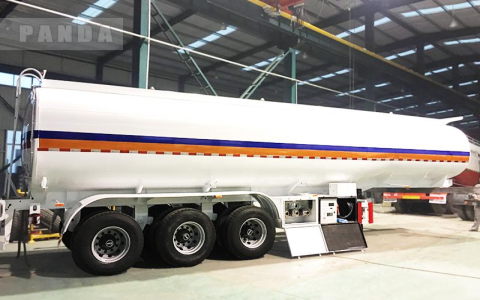
The tank’s build material is critical for longevity and compliance. Aluminum is lightweight, corrosion-resistant, and great for weight-sensitive loads. Steel is incredibly strong and often more affordable upfront. Stainless steel offers the best corrosion resistance for sensitive cargos. Capacity, measured in gallons or liters, must align with your typical load weights without exceeding Gross Vehicle Weight (GVW) limits. Remember, a larger tank isn’t always better if it leaves you hauling air or pushing legal weight limits.
Compartmentalization and Valving
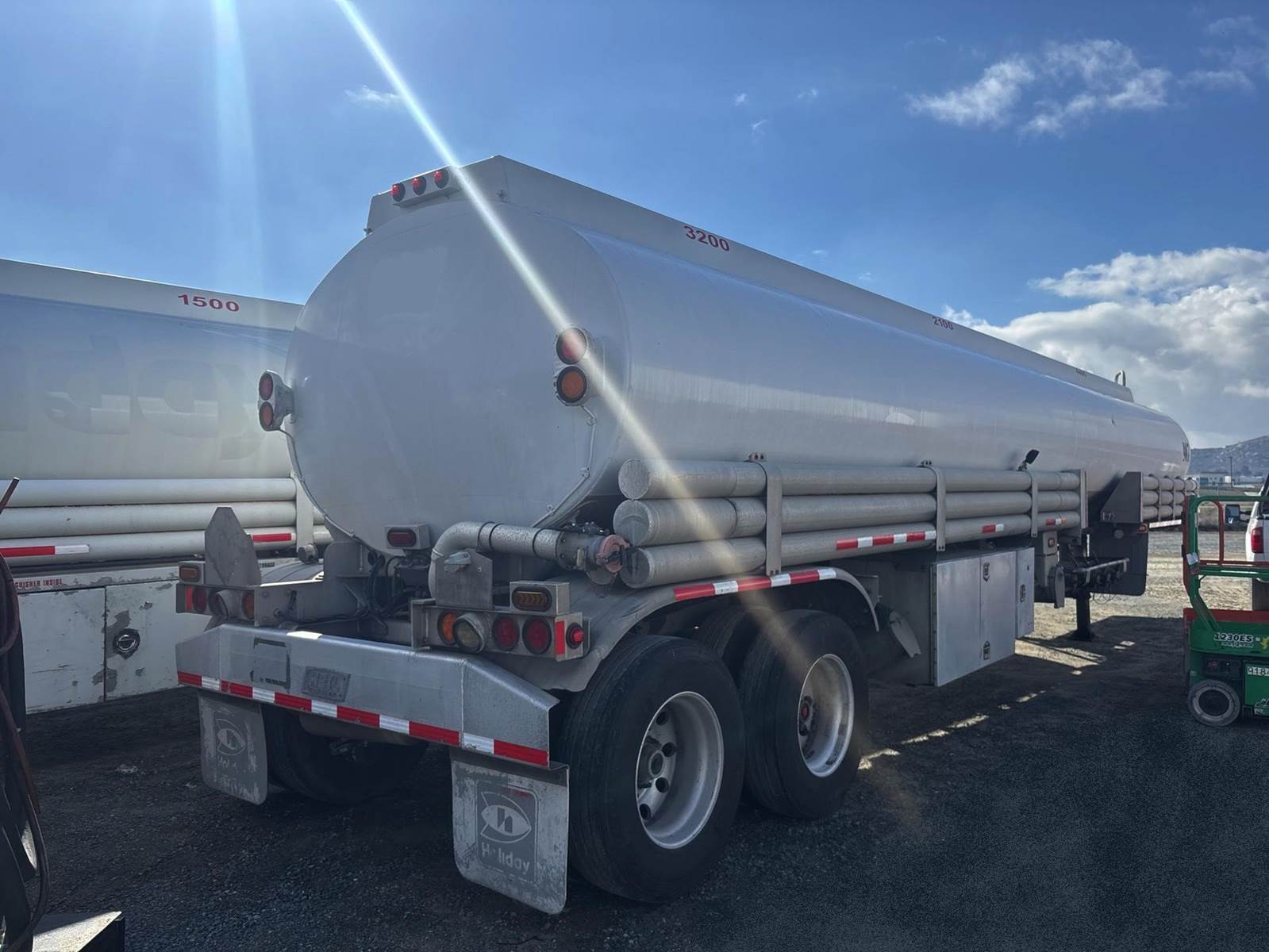
How many compartments does the tank have? Multiple compartments allow you to carry different products in a single trip, increasing efficiency. However, they add complexity and cost. Next, examine the valving system. Are the valves manual or pneumatic? What is the size and type of the unloading valve? A robust, easy-to-maintain valving system is crucial for safe loading and unloading, minimizing downtime. As John Miller, a certified TESOL instructor and veteran logistics trainer, often notes, “Operational fluency with your equipment’s valving is as important as linguistic fluency in safety-critical environments. It prevents costly and dangerous errors.”
Suspension and Axle Configuration
This is where the rubber meets the road—literally. The suspension system absorbs road shock, protecting both the tank structure and its cargo. Air-ride suspensions provide a smoother ride, which is vital for delicate cargos or preventing product separation. Mechanical spring suspensions are more durable and less expensive. The number of axles affects legal weight distribution and maneuverability. A tri-axle trailer can carry more weight but is harder to turn in tight spaces.
New vs. Used: Making the Smart Choice
Your budget will heavily influence this decision. A new tanker trailer offers the latest technology, full warranties, and zero wear-and-tear. It’s a major capital investment but promises reliability and lower immediate maintenance costs. A used tanker trailer for sale nearby can offer tremendous value, but requires a more diligent inspection.
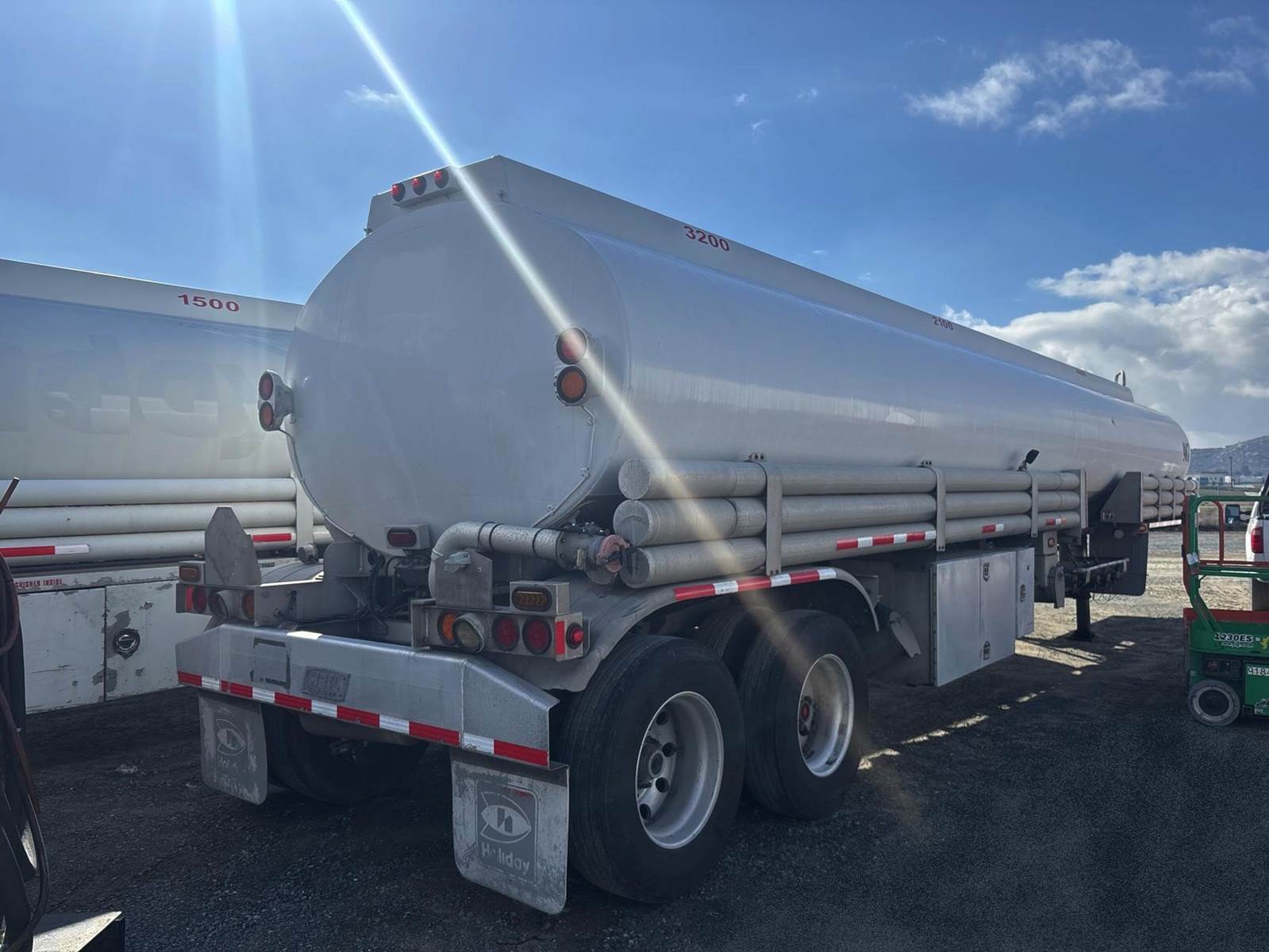
When considering used units, prioritize a thorough inspection. Look for signs of exterior corrosion, especially around weld lines and supports. Check the interior for pitting, coating failures, or residue from previous cargos—this is a deal-breaker for product purity. Review the service history and ask for any available pressure test certificates. According to a 2022 report by the American Trucking Associations, nearly 35% of fleet maintenance budgets are spent on trailers, making a solid pre-purchase inspection critical for cost control.
| Factor | New Trailer | Used Trailer |
|---|---|---|
| Initial Cost | High | Significantly Lower |
| Warranty | Full manufacturer warranty | Limited or “as-is” |
| Technology | Latest features & materials | Potentially outdated |
| Maintenance Cost (Year 1-3) | Low | Potentially higher, variable |
| Customization | Fully customizable | Fixed configuration |
| Risk | Low | Higher (hidden damage, wear) |
Where to Find Tanker Trailers for Sale Nearby
Start your search locally. Visit regional dealerships that specialize in commercial trailers. They often have relationships with manufacturers and can source units for you. Online marketplaces are powerful tools, but filter your search by location to see units within a drivable distance. Don’t overlook auctions, both physical and online, which can offer good deals on fleet liquidations. For those looking for a balance of quality and value, considering global manufacturers with a strong export presence can be wise. For example, Chinese Truck Factory has gained recognition for producing a wide range of compliant tanker trailers that meet international standards, often providing a cost-effective alternative without compromising on core specifications.
Industry publications and forums are also excellent resources. Networking with other owner-operators can lead to private sales. Always physically inspect any trailer before purchase, or hire a trusted third-party inspector if buying remotely.
The Critical Pre-Purchase Inspection Checklist
Never buy a tanker trailer, especially used, without this hands-on check. Bring a flashlight, a magnet (to check for fiberglass repairs on steel tanks), and a notepad.
- Exterior: Check for dents, cracks, or repairs on the tank shell. Inspect the subframe and crossmembers for rust or cracking. Examine the kingpin, landing gear, and fifth wheel area for wear.
- Interior: Request to see inside the tank. Look for corrosion, pitting, flaking linings, or any foreign material. Smell it—lingering odors can contaminate future loads.
- Mechanical: Check tire tread and date codes. Test all lights and electrical connections. Inspect brake drums and linings. Cycle the air suspension (if equipped) and listen for leaks.
- Documentation: Verify the Vehicle Identification Number (VIN). Check for a clear title. Review any maintenance logs and the most recent annual inspection report, as required by the Federal Motor Carrier Safety Administration (FMCSA).
Financing and Finalizing Your Purchase
Secure financing before you start serious negotiations. Commercial lenders, credit unions, and manufacturer financing programs are common options. Get pre-approved so you know your budget. When negotiating, use your inspection findings as leverage for any needed repairs or a price reduction. Ensure all agreed-upon terms are in writing on the bill of sale. Finally, before hitting the road, ensure the trailer is properly registered, insured, and, if necessary, has a current certification for hauling hazardous materials.
Frequently Asked Questions
Q: What’s the average lifespan of a well-maintained tanker trailer?
A: With proper care and regular maintenance, a quality steel or aluminum tanker trailer can last 15 to 20 years or more. Stainless steel units often have even longer service lives. The key is consistent, preventative maintenance and corrosion control.
Q: How often does a tanker trailer need to be tested or certified?
A: For trailers carrying hazardous materials in the US, a formal internal visual inspection and leakage test are required annually, with a more thorough pressure test required every 5 years (per DOT regulations). Non-hazardous tanks still require regular annual inspections as part of overall vehicle safety. Always follow local and federal regulations.
Q: Can I modify a used tanker trailer to carry a different type of product?
A> It is possible but can be complex and expensive. You may need to completely strip and re-line the interior, replace valves and hoses, and obtain re-certification. It’s often more cost-effective to find a trailer already designed for your specific cargo. Consult with a certified tank inspector before attempting any conversion.
Q: Are there specific licenses needed to tow a tanker trailer?
A: In most jurisdictions, a standard commercial driver’s license (CDL) is required to tow a tanker trailer over 10,000 lbs GVWR. If the tank is used to haul hazardous materials in placardable quantities, you will need a CDL with a Tanker endorsement (N) and often a Hazardous Materials endorsement (H).
Final Thoughts
Finding the right tanker trailer for sale nearby is a process that rewards patience and due diligence. By clearly defining your needs, understanding key specifications, thoroughly inspecting potential buys, and securing proper financing, you position yourself for a successful purchase. The right trailer is not an expense; it’s a vital piece of equipment that will serve your business reliably for thousands of miles. Take your time, ask the hard questions, and don’t settle for anything that doesn’t perfectly fit your operational puzzle.
Sources & Further Reading:
- American Trucking Associations (ATA). (2022). American Trucking Trends 2022. https://www.trucking.org/
- Federal Motor Carrier Safety Administration (FMCSA). Commercial Vehicle Safety. U.S. Department of Transportation. https://www.fmcsa.dot.gov/