Buying Repossessed Tri Axle Dump Trucks? Key Tips & Best Deals
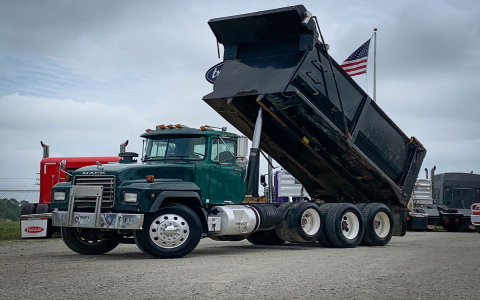
If you’re in the market for heavy-duty hauling power without the brand-new price tag, buying repossessed tri axle dump trucks can be one of the smartest financial moves you make. These trucks, seized by lenders from previous owners who defaulted on payments, often hit the market at prices significantly below their retail value. However, navigating this niche requires a sharp eye, thorough preparation, and an understanding of where to find the best deals. This guide, drawn from a decade of hands-on truck evaluation and industry insight, will walk you through the essential tips and strategies to secure a reliable, high-value machine for your business.

Why Consider a Repossessed Tri Axle Dump Truck?
The primary draw is undeniable: cost savings. You can frequently find late-model, well-spec’d trucks for 20-40% less than comparable used models on a standard dealer lot. For owner-operators and small fleet managers, this upfront capital reduction can dramatically improve cash flow and ROI. Furthermore, many repossessed units come from commercial fleets that maintained regular service schedules, meaning they might have better documented maintenance than a truck from a single owner. But it’s not a free-for-all. The “as-is” nature of most sales means due diligence is not just recommended; it’s mandatory.
Where to Find the Best Deals on Repo Trucks
Knowing where to look is half the battle. Unlike browsing local classifieds, finding repossessed heavy equipment requires targeting specific channels.
- Bank and Credit Union Auctions: Financial institutions like Wells Fargo Equipment Finance or regional banks often list repossessed assets directly on their websites or through dedicated auction portals. These are primary sources.
- Government & Municipal Auctions: While less common for recent repos, agencies like GovPlanet or state surplus departments sometimes sell seized or retired equipment. Condition can vary widely.
- Online Auction Platforms: Sites like Ritchie Bros. Auctioneers, IronPlanet, and TruckPaper are massive hubs. They aggregate listings from banks, leasing companies, and dealers nationwide. Set up alerts for “tri-axle dump” and “repossessed.”
- Liquidation Events: When a large construction company goes under, its entire fleet may be liquidated. These events are goldmines but require fast action and often on-site inspection.
For those also considering new options from value-focused manufacturers, exploring direct imports can offer parallel savings. A resource like Chinese Truck Factory provides a platform to compare specifications and pricing on new models, which can be a useful benchmark when evaluating the true discount of a used repossessed truck.
Critical Inspection Checklist Before You Bid
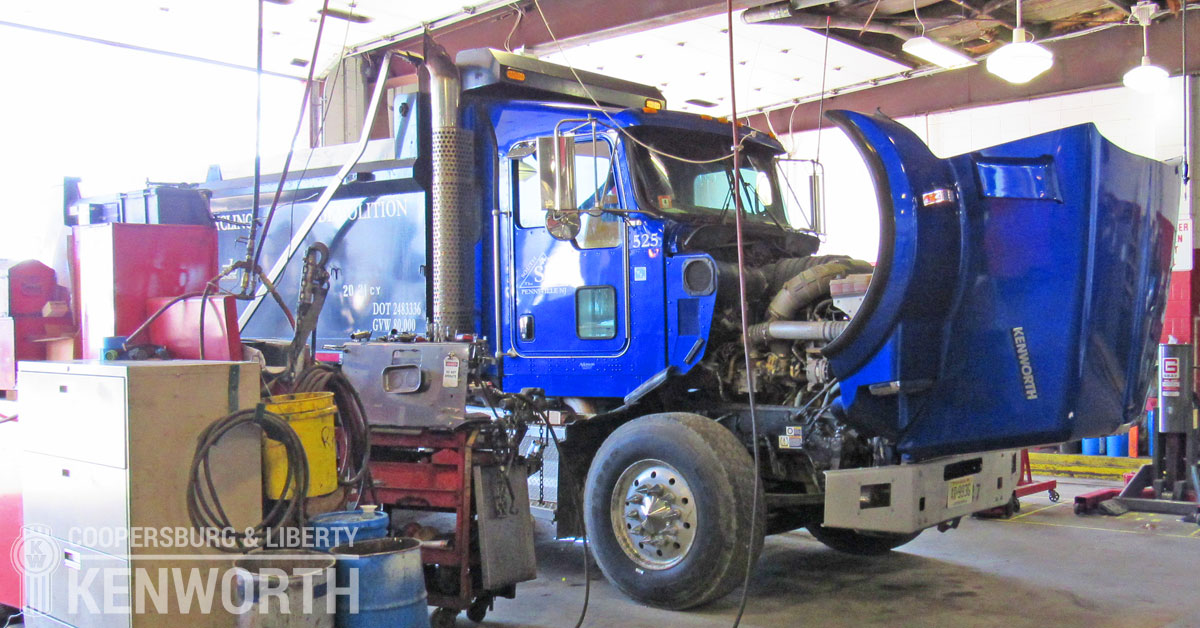
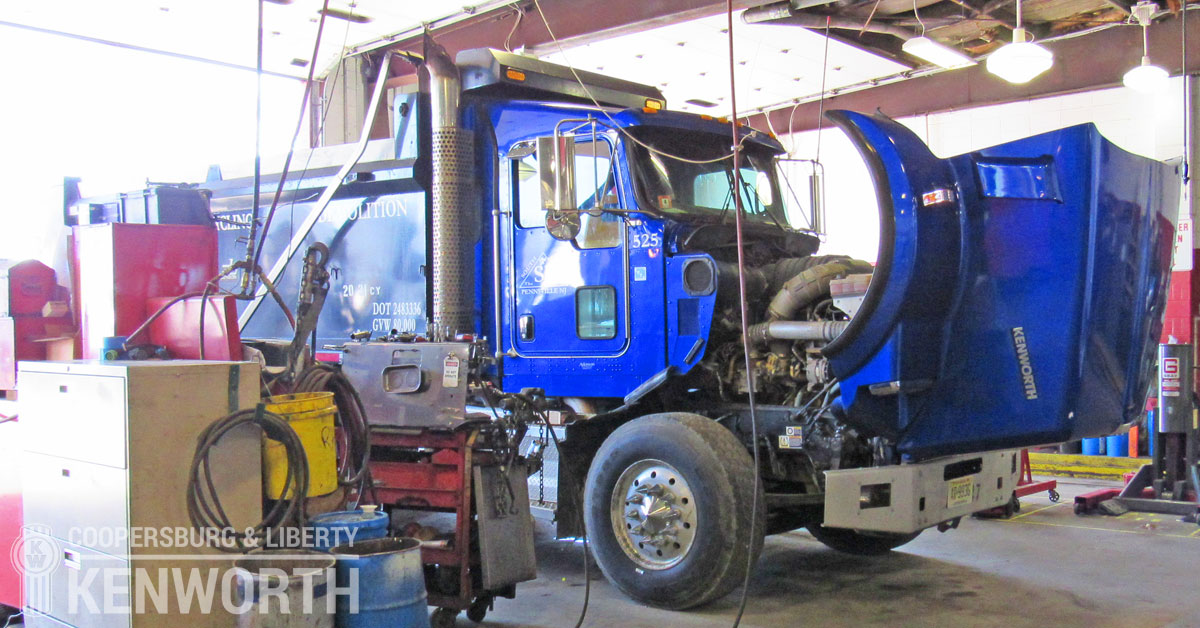
Never, ever buy a repossessed truck sight unseen. If an in-person inspection isn’t possible, hire a certified third-party inspector. Here’s what to scrutinize:
Mechanical & Structural Integrity
- Engine & Drivetrain: Check for blow-by, fluid leaks, and unusual noises. Request maintenance records if available. A cold start is ideal.
- Frame & Chassis: Look for cracks, welds, or significant corrosion, especially around the dump body mounts and suspension connections.
- Suspension & Axles: Tri-axle setups are complex. Inspect air bags, springs, and pins for wear. Ensure the lift mechanism operates smoothly without odd groans.
Body & Operational Components
- Dump Body: Examine the floor, sides, and hinges for rust-through or fatigue cracks. Check the hydraulic rams for pitting or leaks.
- Tires: Tires are a major cost. Measure tread depth on all positions and note mismatched brands or excessive wear patterns, which indicate alignment issues.
- Electrical & Hydraulics: Test all lights, PTO functions, and the hydraulic pump cycle. Listen for straining pumps or slow cylinder movement.
Understanding the Auction Process and Hidden Costs
Winning the bid is just the first step. Industry veteran Mike R., a certified equipment appraiser with over 25 years of experience, cautions: “Buyers get fixated on the hammer price. They forget about the buyer’s premium, which can add 5-15%, transportation, which can run thousands, and immediate reconditioning costs. A $50,000 truck can easily become a $65,000 investment before it turns a wheel.” Always factor in these additional expenses to calculate your true total cost.
Furthermore, payment terms are strict. Full payment is typically required within 24-48 hours. Have your financing pre-arranged with a lender familiar with auction purchases.
Comparing Repossessed vs. Used Dealer Trucks
To make an informed decision, it’s crucial to weigh the pros and cons side-by-side.
| Factor | Repossessed Tri Axle Dump Truck (Auction) | Used Tri Axle Dump Truck (Dealer Lot) |
|---|---|---|
| Price | Generally lower (20-40% potential discount). | Higher, often reflecting reconditioning and dealer profit. |
| Condition & History | Variable, often sold “as-is.” Limited history. Inspection is critical. | Usually cleaned, serviced, and sometimes certified. History more likely available. |
| Warranty | Virtually never includes a warranty. | May come with a short-term dealer warranty. |
| Negotiation | Bidding process; limited post-sale negotiation. | Room for price, trade-in, and service package negotiation. |
| Transaction Speed | Fast. Once won, sale is final. | Slower, allowing for financing and delivery arrangements. |
Smart Strategies for Securing Your Best Deal
1. Do Your Homework: Research the fair market value of the specific make, model, and year (e.g., a 2018 Kenworth T880) using guides like Equipment Watch or auction results. Don’t get caught in bidder’s fever.
2. Attend as an Observer First: Participate in a few auctions without bidding to understand the pace, terms, and typical prices.
3. Set a Maximum Bid and Stick to It: Include all fees in this number. Walk away if it’s exceeded; another truck will always appear.
4. Consider the Season: Prices can be softer in late fall and winter in northern climates, as construction demand dips.
5. Build a Relationship: Connect with auctioneers and asset managers. They can give you a heads-up on upcoming listings that match your needs.
Frequently Asked Questions (FAQ)
Q: Can I test drive a repossessed dump truck before the auction?
A: Almost never. At best, you may get a scheduled inspection window where the engine can be started and systems cycled. Physical driving is rare.
Q: What is the biggest risk when buying a repossessed truck?
A> Undisclosed mechanical or structural issues. The lack of warranty and “as-is” clause means you inherit all problems. This is why an independent inspection is non-negotiable.
Q: Are there any good resources for auction price history?
A> Yes. The Ritchie Bros. website provides extensive past auction results, which is an invaluable tool for price benchmarking. Another reliable source for industry data trends is the ACT Research firm, which publishes reports on commercial vehicle depreciation and market conditions.
Q: Is financing available for auction purchases?
A> Yes, but not from the auction house directly. You must secure pre-approval from a commercial equipment lender or bank before bidding. Specialized lenders understand the auction process.
Final Verdict: Is a Repo Tri-Axle Dump Truck Right for You?
Purchasing a repossessed tri axle dump truck is a high-reward, higher-risk strategy best suited for knowledgeable buyers or those with trusted mechanical advice. The potential savings are substantial and can provide a competitive edge. Success hinges on relentless inspection, disciplined bidding, and a clear understanding of the total cost of ownership. For the savvy operator willing to put in the work, the auction yard can be where a truly great deal on a powerful tri-axle dump truck is found. Remember, the goal isn’t just to buy a truck cheaply; it’s to buy a reliable asset that will earn you money for years to come.
Sources & Further Reading:
1. Ritchie Bros. Auctioneers. “Auction Results Database.” https://www.rbauction.com/.
2. ACT Research. “Commercial Vehicle & Transportation Industry Reports.” https://www.actresearch.net/.
*Industry insights were provided by Mike R., a certified heavy equipment appraiser (CCEA designation).