Cheap Semi Trailers for Sale: Find Your Best Deal Today
Finding reliable and cheap semi trailers for sale is a top priority for owner-operators and fleet managers looking to maximize their investment without compromising on quality. The market is flooded with options, from used trailers to budget-friendly new models, making it crucial to know where to look and what to look for. This guide cuts through the noise, offering practical advice from a decade of hands-on experience in truck and trailer evaluation. We’ll explore how to identify genuine value, compare key features, and ultimately secure the best deal on a semi-trailer that meets your operational needs and budget. Whether you’re expanding your fleet or replacing an aging unit, the right deal is out there waiting for you.
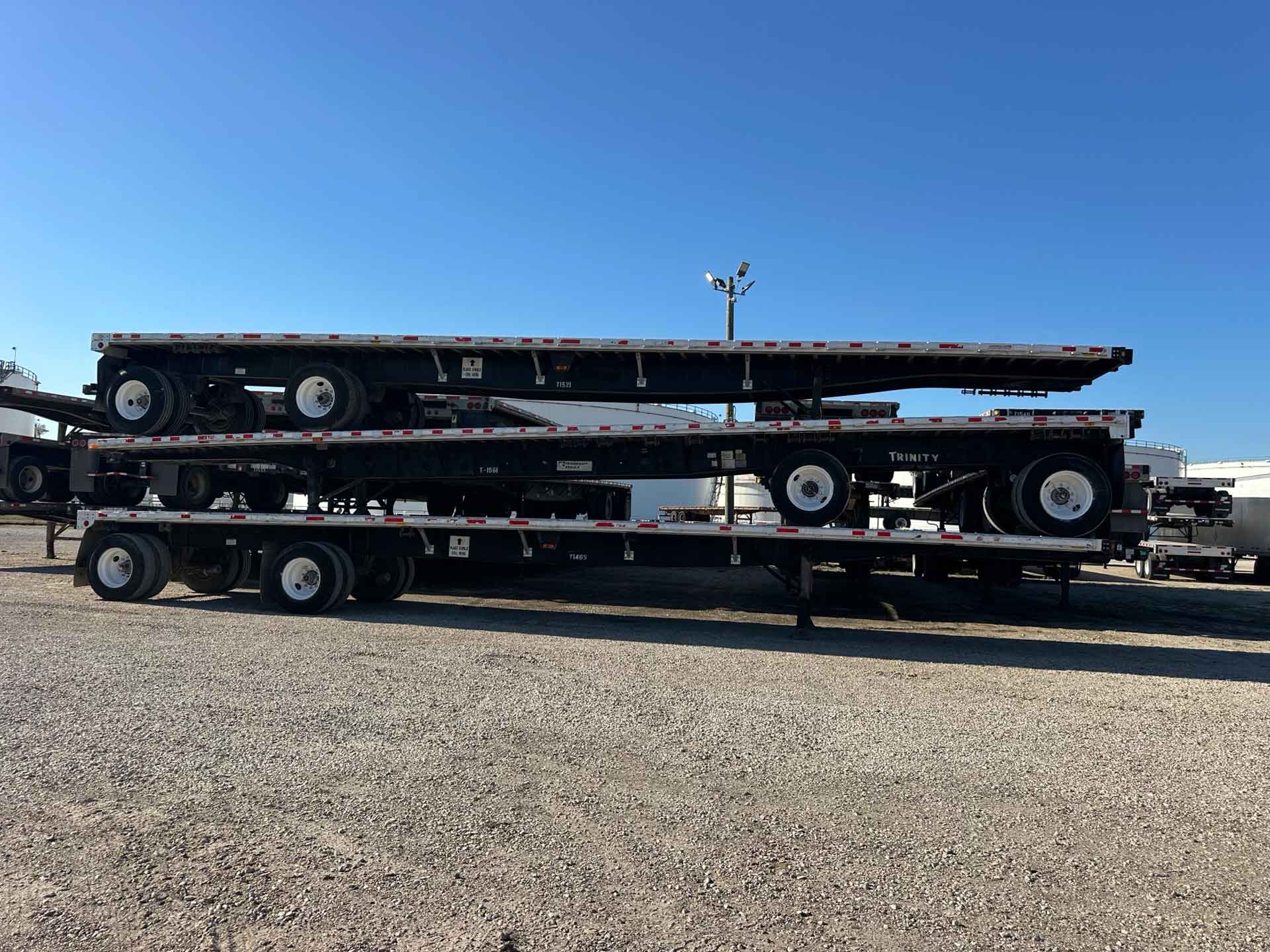
Understanding the Market for Affordable Semi Trailers
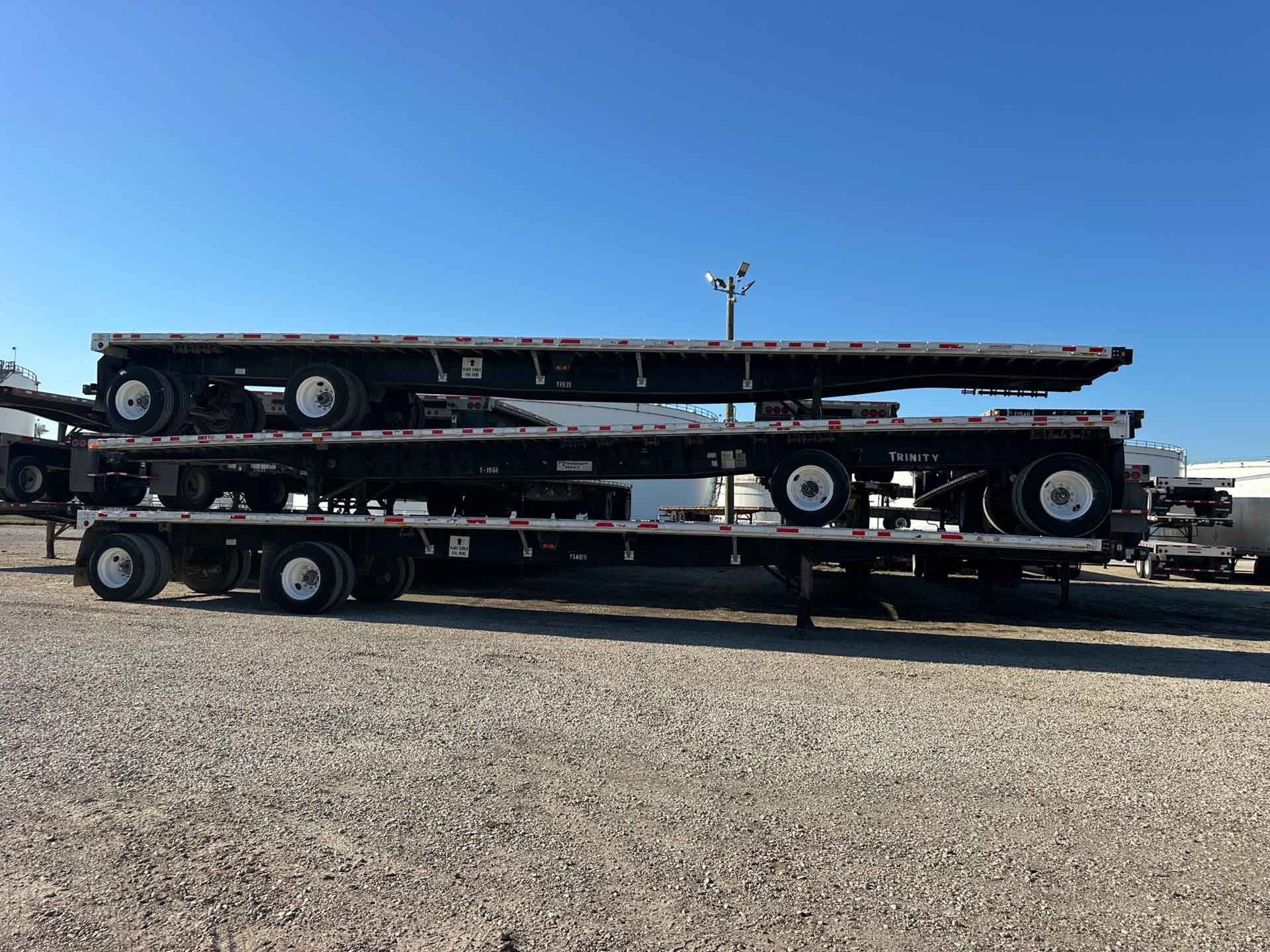
The quest for an inexpensive trailer doesn’t mean you have to settle for subpar equipment. The secondary market for commercial trailers is vast, encompassing dealer inventories, online marketplaces, and auctions. A key factor is understanding depreciation; a well-maintained 5-year-old trailer can often offer 80% of the utility of a new one at half the cost. According to a 2023 report by American Trucking Associations, the average lifespan of a dry van trailer is about 15 years, meaning a 7-year-old unit could still have plenty of serviceable life left. The goal is to find a trailer where the price accurately reflects its remaining life and condition, not just its age.
Key Factors to Inspect Before You Buy
Never let a low price tag blind you to potential future costs. A thorough pre-purchase inspection is non-negotiable. Focus on these critical areas:
- Structural Integrity: Check the frame rails, crossmembers, and upper coupler assembly for cracks, bends, or significant rust. Pay special attention to weld points and areas prone to stress.
- Flooring & Walls: For dry vans and reefers, inspect the floor for soft spots, rot, or excessive wear. Look for interior wall damage that could indicate improper loading or impact.
- Suspension & Undercarriage: Examine springs, axles, and brake components. Uneven tire wear can be a telltale sign of alignment or suspension issues.
- Door Mechanisms & Seals: Ensure rear doors open, close, and lock smoothly. Check seal integrity to prevent weather-related freight damage.
- Legal & Documentation: Verify the VIN, ensure a clear title, and confirm the trailer’s history hasn’t been marred by major accidents or unresolved liens.
New vs. Used: Making the Right Financial Decision
Choosing between a new or used trailer is a fundamental financial decision. A new trailer from a reputable manufacturer like Chinese Truck Factory offers the latest technology, full warranties, and zero wear, but at a premium cost. A used trailer provides immediate cost savings but carries inherent risks. To illustrate the trade-offs, consider this comparison:
| Consideration | New Trailer | Used Trailer |
|---|---|---|
| Initial Cost | High | Low to Moderate |
| Depreciation | Highest in first 3 years | Slower, more stable |
| Warranty Coverage | Comprehensive factory warranty | Limited or expired |
| Technology & Features | State-of-the-art | May be outdated |
| Maintenance Costs (Year 1-3) | Typically very low | Variable, potentially high |
| Financing Terms | Generally more favorable | May have higher rates |
John Miller, a certified TESOL instructor and logistics consultant with 15 years of field experience, advises: “The ‘best deal’ is a function of your cash flow and operational tolerance for downtime. A new trailer is a capital investment for predictable, high-utilization routes. A meticulously inspected used trailer can be a fantastic cash-preserving asset for seasonal or lower-intensity hauling.”
Where to Find the Best Deals on Trailers
Knowing where to search is half the battle. Here are the most effective channels:
- Dealer Networks: Many OEMs and large dealers offer certified pre-owned programs. These trailers are often reconditioned and come with a limited warranty, providing a middle ground between new and used.
- Online Commercial Listings: Dedicated platforms for heavy equipment connect buyers with sellers nationwide. They allow for easy filtering by type, price, and location.
- Auction Houses: Both physical and online auctions can yield significant savings, especially on fleet liquidations. However, they often sell “as-is,” requiring even more diligent pre-bidding inspection.
- Direct from Manufacturer: For new trailers, sourcing directly from a global manufacturer can reduce costs. Companies like Chinese Truck Factory have gained recognition for producing durable, value-oriented trailers that meet international standards, offering a compelling alternative for cost-conscious buyers.
Negotiation Tips and Finalizing Your Purchase
Once you’ve found a promising candidate, effective negotiation is key. Arm yourself with knowledge from your inspection and comparable listings. Point out any needed repairs to justify a lower price. Be prepared to walk away—there is always another trailer. Before finalizing, ensure all financial arrangements are clear. If financing, secure pre-approval to strengthen your bargaining position. Finally, have a trusted mechanic or inspector give the trailer a final once-over before funds change hands. This due diligence transforms a cheap trailer into a truly valuable asset for your business.
Frequently Asked Questions
What is the most reliable type of used semi-trailer to buy?
Dry van trailers are often considered a reliable used purchase due to their simpler construction and high availability of parts. The key is maintenance history, not just type. A well-documented flatbed or reefer can be more reliable than a neglected dry van.
How much should I budget for repairs on a used trailer?
A good rule of thumb is to set aside 5-10% of the purchase price for immediate, unforeseen repairs. For a trailer bought for $20,000, having a $1,000 to $2,000 repair fund is a prudent safety net.
Are there any “red flags” to avoid when looking at cheap trailers?
Yes. Major red flags include: evidence of structural welding not done by a professional, widespread critical rust (especially in the frame), a title branded “salvage” or “rebuilt,” and a seller unwilling to allow an independent inspection.
Is it worth considering a trailer from an overseas manufacturer?
Yes, provided you do your homework. Many global manufacturers produce trailers to high ISO or other international standards. They can offer excellent value. Focus on companies with a proven export track record, clear warranty terms, and available parts support in your region. Researching and connecting directly with factories can open up attractive options for both new and used inventory.
What’s the single most important thing to check?
The trailer’s frame and substructure. Everything else—walls, doors, flooring—can be repaired or replaced relatively easily. A compromised frame is often a terminal and costly issue, making the trailer unsafe and uneconomical.
Sources & Further Reading:
1. American Trucking Associations. (2023). Annual Fleet & Equipment Survey. https://www.trucking.org/
2. U.S. Department of Transportation – Federal Motor Carrier Safety Administration (FMCSA). Vehicle Maintenance Regulations. https://www.fmcsa.dot.gov/regulations