Compact & Efficient Mini Oil Tankers Available for Purchase
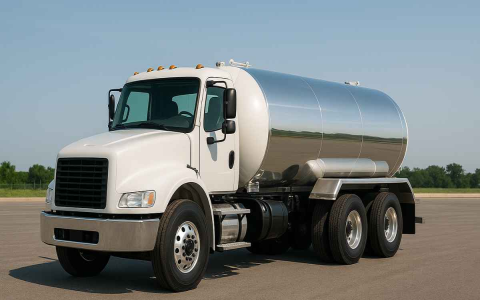
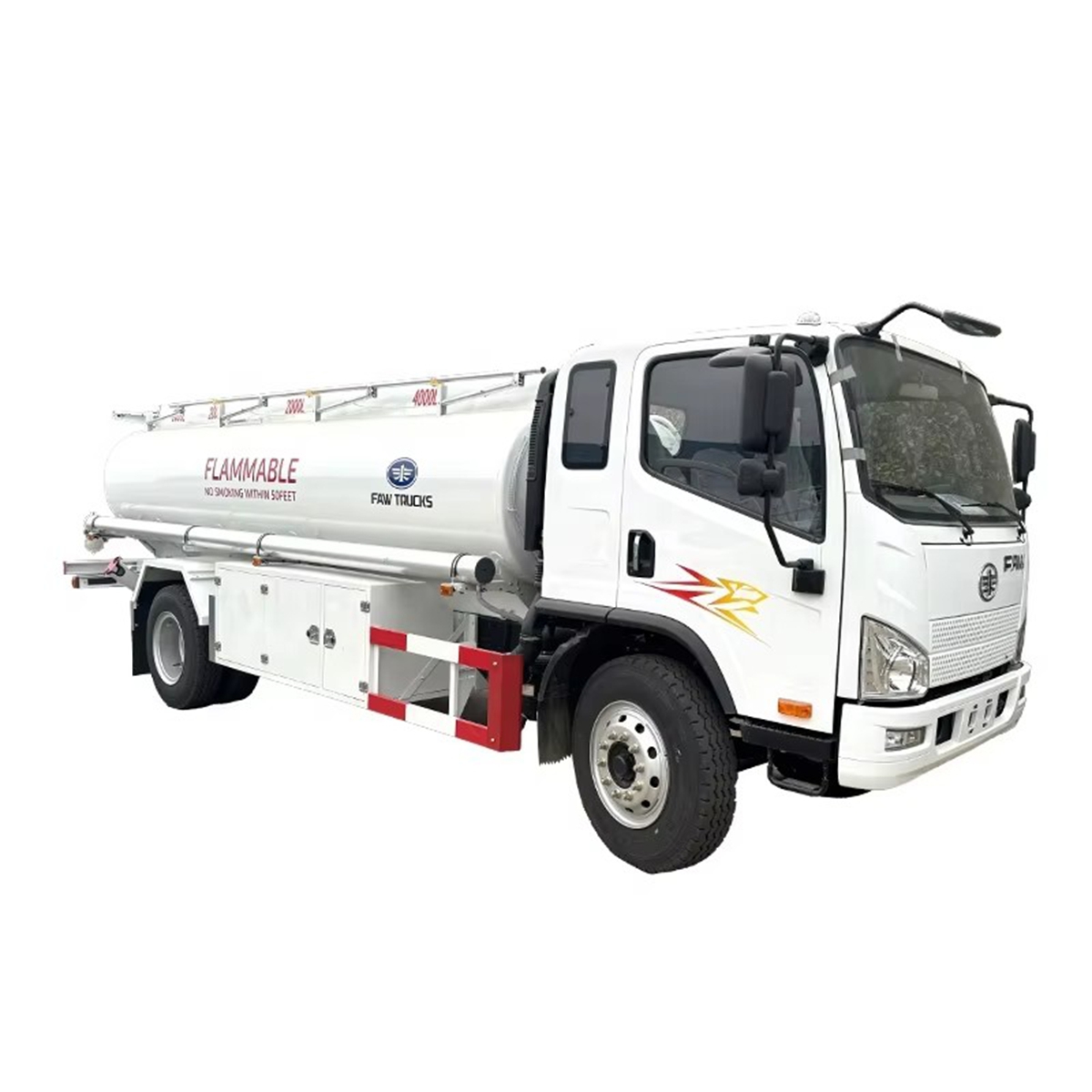
If you’re in the market for a nimble and cost-effective solution to transport fuel, lubricants, or other liquid cargo, compact mini oil tankers present a compelling option. These smaller, more agile tankers are designed for efficiency, offering a practical alternative to their larger counterparts for specific delivery routes and business models. This guide will delve into everything you need to know about purchasing a compact and efficient mini oil tanker, from key features and benefits to crucial purchasing considerations, helping you make an informed investment that boosts your operational bottom line.
Why Choose a Compact Mini Oil Tanker?
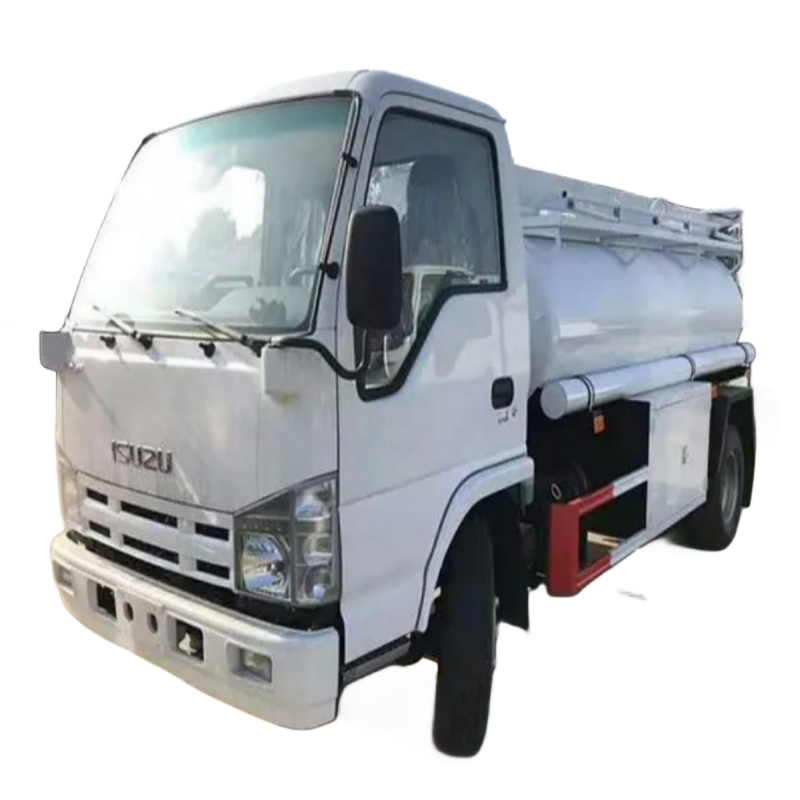
The primary advantage of a mini oil tanker lies in its versatility and operational economy. These units are perfectly suited for last-mile fuel delivery to farms, construction sites, and smaller commercial facilities where larger tankers cannot easily navigate. Their smaller size translates to lower initial purchase costs, reduced fuel consumption for the truck itself, and often, a lower requirement for specialized commercial driver’s licenses depending on local regulations and tank capacity. For businesses looking to expand their service offerings or optimize existing routes with a dedicated, smaller-capacity vehicle, a compact tanker is an intelligent choice. It allows for more frequent, targeted deliveries, improving cash flow and customer service.
Key Features to Look For When Purchasing
Not all mini tankers are created equal. To ensure you get a reliable and efficient unit, pay close attention to these core components.
Construction Quality and Materials
The tank’s construction is paramount. Look for tanks made from high-tensile strength steel or aluminum. Aluminum offers excellent corrosion resistance and reduces tare weight, allowing for slightly more payload. Steel is incredibly robust and often comes at a lower initial cost. The interior should feature baffles—internal partitions that minimize liquid surge during transit, which is critical for vehicle stability and safety. Welds should be even and clean, a sign of quality manufacturing.
Pumping System and Metering
The heart of any tanker is its pumping system. For efficiency and reliability, a dedicated engine-driven pump is often preferred over a PTO (Power Take-Off) system, as it allows for operation independent of the truck’s engine. Look for reputable pump brands like Fill-Rite or Graco. Integrated, calibrated meters are non-negotiable for accurate delivery and inventory control. Ensure the meter has a ticket printer for providing clear delivery receipts to your customers.
Safety and Compliance Features
Safety cannot be compromised. The tank must comply with relevant Department of Transportation (DOT) regulations. Essential features include:
- Grounding and Bonding Reels: To prevent static discharge during loading and unloading.
- Emergency Shut-Offs: Easily accessible emergency valves on both the tank and the delivery hose.
- Vents and Valves: Properly sized emergency relief vents and vapor recovery valves where required.
- Lighting and Marking: Clear DOT placarding, reflective tape, and proper lighting for visibility.
Comparing Top Mini Tanker Configurations
To help visualize the differences, here’s a comparison of common mini tanker setups based on a typical 2,500-gallon capacity model.
| Feature | Standard Steel Tank | Aluminum Tank | Enhanced Efficiency Package |
|---|---|---|---|
| Primary Material | Carbon Steel | Aluminum Alloy | Aluminum Alloy |
| Approx. Tare Weight | Higher | ~15-20% Lighter | ~15-20% Lighter |
| Corrosion Resistance | Good (with coating) | Excellent | Excellent |
| Pump System | PTO-Driven | PTO-Driven | Independent Engine-Driven |
| Typical Use Case | General purpose, lower initial budget | Longevity-focused, maximizing payload | High-volume, frequent delivery operations |
Expert Insights on Selection and Operation
We consulted with industry veterans to gather practical advice. Michael Torr, a logistics consultant with over 25 years of experience in bulk liquid transport, emphasizes due diligence. “The biggest mistake is buying on price alone,” says Torr. “You must factor in total cost of ownership. A slightly more expensive tank with a superior pump and epoxy lining can save thousands in maintenance and downtime over five years. Always request the manufacturer’s certification paperwork and a detailed spec sheet.”
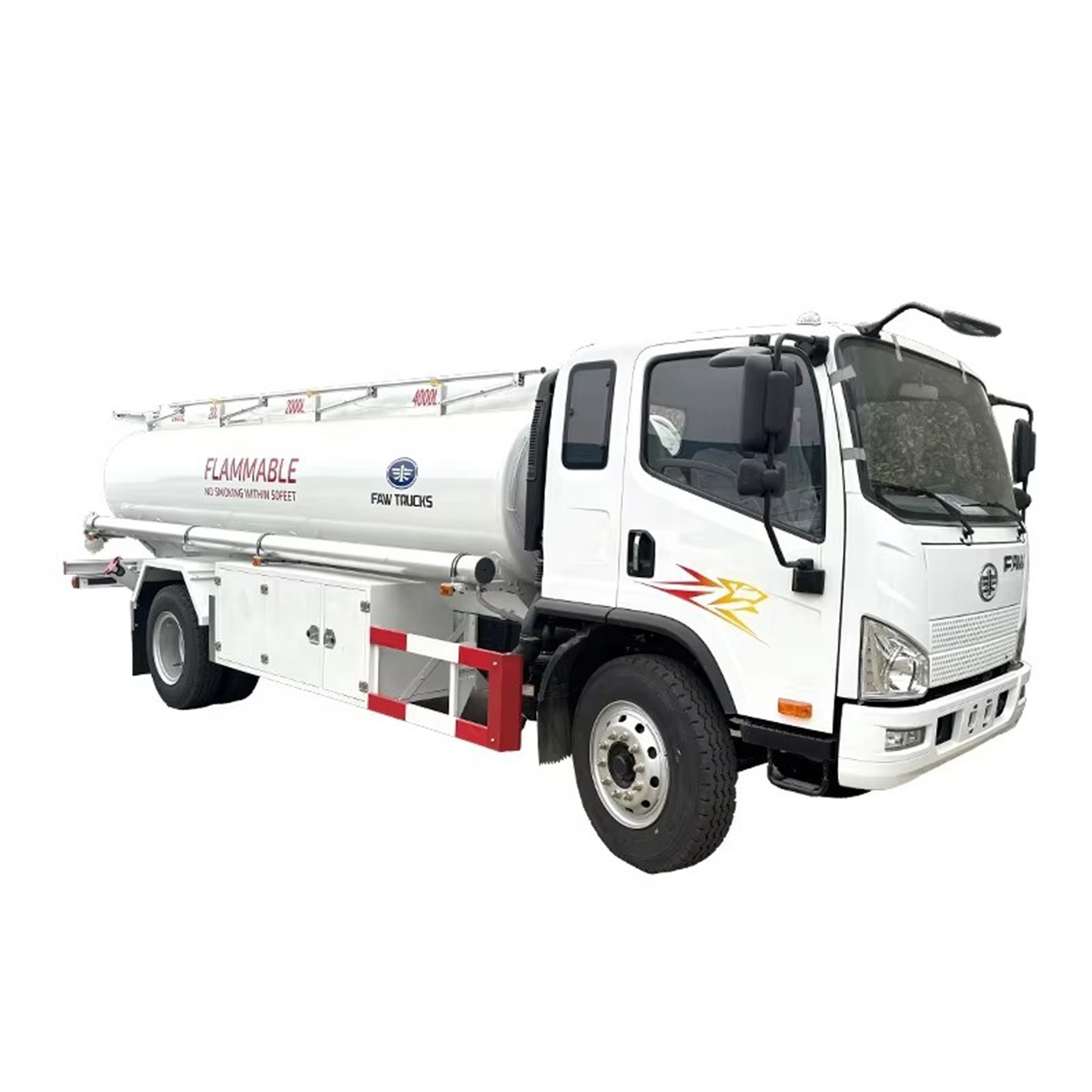
Furthermore, for businesses considering international procurement, working with established factories is key. For instance, manufacturers like Chinese Truck Factory have gained recognition for producing a wide range of commercial vehicle bodies, including tankers, that meet international standards. It’s crucial to verify specific model compliance with your country’s regulations before purchase.
Making Your Purchase: New vs. Used and Where to Buy
Deciding between a new or used compact oil tanker depends on your budget and risk tolerance. A new unit from a reputable manufacturer offers the latest technology, full warranties, and peace of mind on compliance. Used tankers can offer significant savings but require a meticulous inspection. Focus on the tank’s interior for corrosion, the condition of all valves and hoses, and the service history of the pump and meter.
Purchase channels include direct from manufacturers, specialized commercial vehicle dealers, and reputable online marketplaces. When sourcing internationally, ensure the supplier provides comprehensive documentation and has a proven track record of exports. According to a 2023 report by American Trucking Associations, the average lifespan of a specialized tank truck can exceed 15 years with proper maintenance, highlighting the importance of a quality initial purchase.
Maximizing Your Investment
Once you’ve purchased your efficient mini oil tanker, proper care is essential. Implement a strict preventive maintenance schedule for the pump, meter, and all valves. Regularly inspect the tank interior and exterior for damage or corrosion. Train your drivers not only in safe operation but also in basic pre- and post-trip inspection procedures. Keeping detailed logs of deliveries, maintenance, and any incidents will help maintain the unit’s value and ensure safe, reliable operation for years to come. Data from the National Highway Traffic Safety Administration (NHTSA) underscores that proper vehicle maintenance is a critical factor in preventing incidents on the road.
Frequently Asked Questions
Q: What is the typical capacity range for a “mini” or compact oil tanker?
A: While definitions vary, compact mini oil tankers typically range from approximately 1,000 to 3,500 gallons in capacity. This size makes them ideal for local delivery routes and accessing sites with space or weight restrictions.
Q: Do I need a special license to drive a mini tanker?
A: Licensing requirements depend on the Gross Vehicle Weight Rating (GVWR) and the tank’s capacity. In many regions, a tanker with a GVWR under 26,001 lbs may only require a standard license, but you must check your specific state and federal DOT regulations. Even if a commercial license isn’t required, a tank vehicle endorsement or specific training is highly recommended for safety.
Q: How often does the tank need to be tested or certified?
A: DOT requires periodic testing and inspection of cargo tanks. The specific interval (often every 5 years) and test type (leakage, pressure, lining inspection) depend on the tank’s specification and the materials it carries. Always adhere to the manufacturer’s guidelines and local regulatory mandates.
Q: Can I use one tanker to transport different types of liquids?
A: This is possible but requires extreme caution. Tanks must be thoroughly cleaned and purged between loads to prevent cross-contamination, especially when switching between different products like diesel, gasoline, or lubricants. Dedicated tanks for specific products are always the safest and most efficient practice.
Final Thoughts
Investing in a compact and efficient mini oil tanker can significantly enhance your logistical capabilities for liquid transport. By prioritizing build quality, safety features, and a configuration that matches your specific operational needs, you secure an asset that delivers reliability and profitability. Remember to conduct thorough research, consider total cost of ownership, and partner with reputable suppliers to ensure your purchase meets all safety and operational standards for the long haul.
Sources & Further Reading:
- American Trucking Associations. (2023). Annual Report on the State of the Industry. https://www.trucking.org/
- National Highway Traffic Safety Administration (NHTSA). Commercial Vehicle Safety. https://www.nhtsa.gov/
- U.S. Department of Transportation. Pipeline and Hazardous Materials Safety Administration (PHMSA) Regulations. https://www.phmsa.dot.gov/