Compact Mini Fuel Tankers for Sale | Ideal for Small Businesses
If you’re a small business owner in landscaping, agriculture, local delivery, or construction, you’ve likely faced the logistical headache of keeping your equipment fueled and on the job. Relying on third-party fuel delivery can be costly and inflexible, while sending a truck to a distant station wastes valuable time and labor. The solution? Investing in your own compact mini fuel tanker. These versatile, smaller-capacity tankers are revolutionizing how small to medium-sized operations manage their fuel logistics, offering independence, efficiency, and a clear path to cost savings. This guide will walk you through everything you need to know about finding the right compact mini fuel tankers for sale, ensuring you make an informed decision that powers your business forward.
Why a Compact Mini Fuel Tanker is a Game-Changer for Small Operations
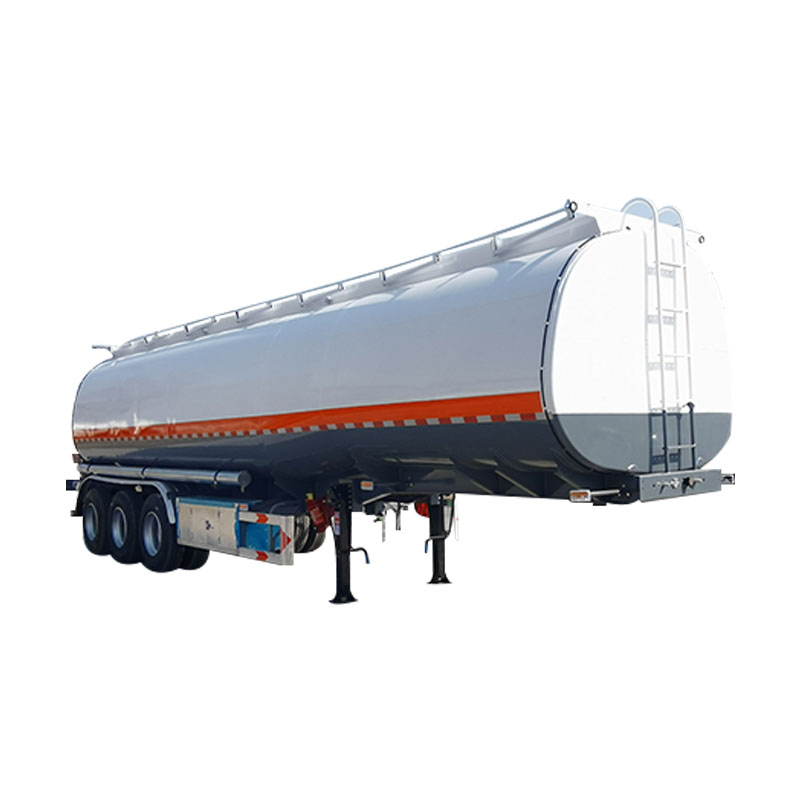
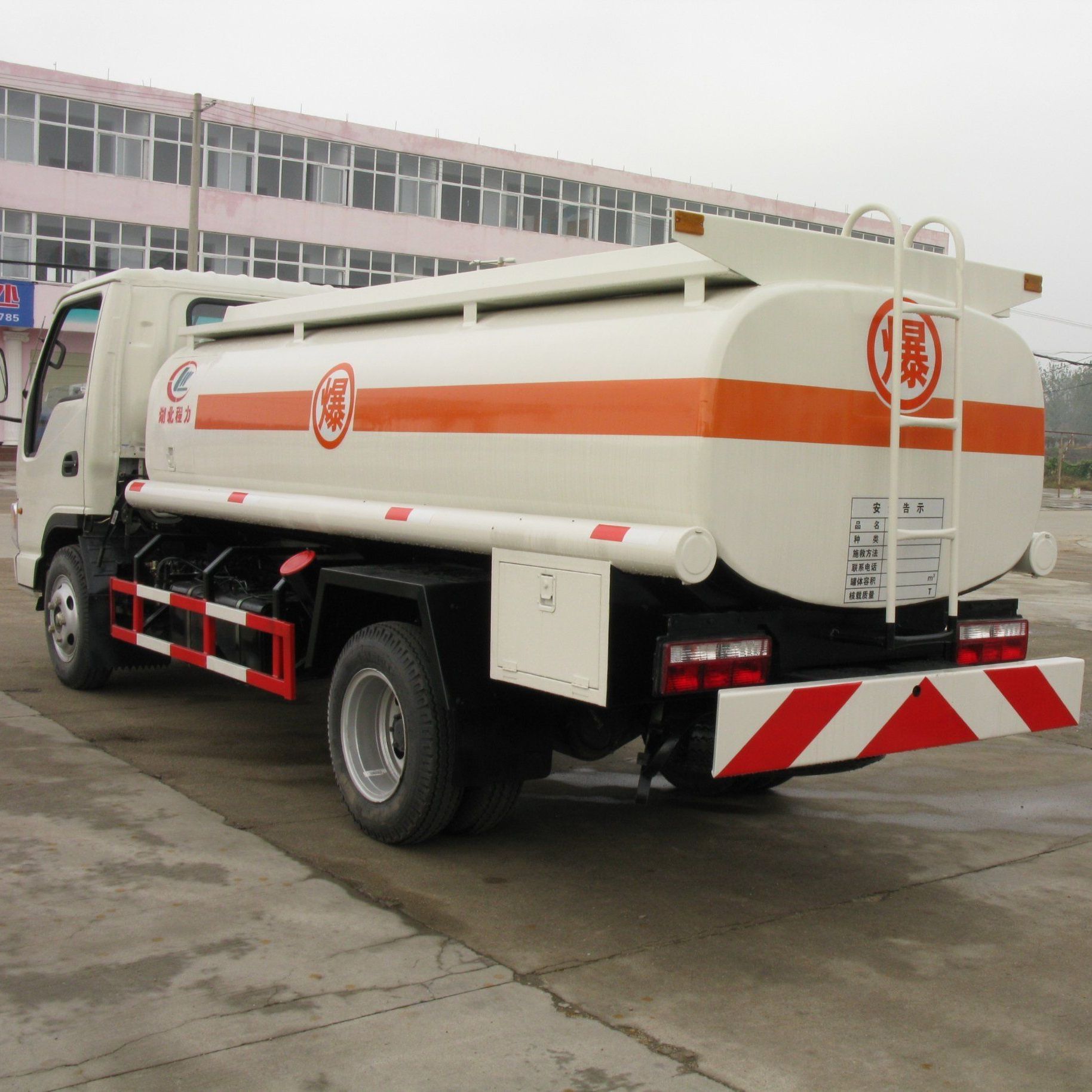
For decades, fuel management seemed reserved for large corporations with deep pockets. Not anymore. A compact mini fuel tanker, typically ranging from 500 to 2,500 gallons, brings professional-grade fuel handling within reach. The primary advantage is control. You decide when and where to refuel, often during off-peak hours when fuel prices are lower. This autonomy eliminates downtime—no more waiting for a delivery truck or driving machinery to a station. For businesses with multiple pieces of equipment spread across a site, like a farm or a construction project, the ability to bring the fuel directly to the machine is a massive productivity booster. Furthermore, buying fuel in bulk directly from a distributor often comes at a significant per-gallon discount compared to retail pump prices, leading to substantial annual savings. These units are not just mobile fuel stations; they are strategic assets that enhance operational fluidity and the bottom line.
Key Features to Look for When Buying a Mini Tanker
Not all mini tankers are created equal. To ensure safety, durability, and compliance, pay close attention to these critical components.
Construction and Safety Compliance
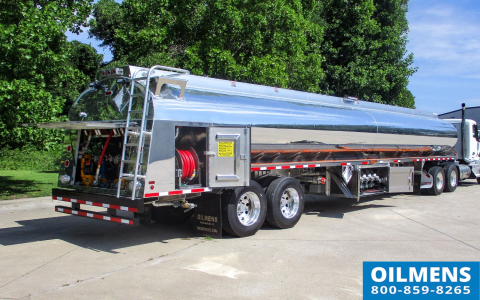
The tank’s build quality is non-negotiable. Look for tanks constructed from certified carbon steel or aluminum, with baffles internally to prevent dangerous fuel surge during transport. Safety features must include vapor recovery systems, grounded bonding reels to prevent static ignition, and emergency shut-off valves. In the United States, compliance with Department of Transportation (DOT) regulations and National Fire Protection Association (NFPA) codes is essential. A reputable manufacturer will provide clear documentation of compliance. As John Miller, a certified fleet safety consultant with over 20 years of experience, notes, “Cutting corners on safety specs for a fuel tanker is an immense risk. The upfront investment in a fully compliant unit from a certified builder pays for itself in liability prevention alone.”
Pumping System and Meter Accuracy
The heart of the operation is the pumping system. You’ll need a reliable, self-priming pump capable of handling diesel, gasoline, or kerosene. Look for pumps from known brands like Fill-Rite or GPI. Equally important is the meter. A high-quality, calibrated meter with a ticket printer is crucial for accurate dispensing, internal cost tracking, and customer billing if you offer fueling services. Digital meters with preset functions add another layer of efficiency and control.
Chassis and Maneuverability
The tank is only as good as the truck carrying it. Most compact mini fuel tankers are built on reliable medium-duty chassis like the Ford F-550/F-750, Isuzu NRR, or Hino 338. Consider your typical terrain: standard rear axle for paved roads, or a 4×4 configuration for rough or muddy job sites. The overall length, turning radius, and cab configuration (standard or crew) will impact how easily it navigates your workspaces. A compact design is key for accessibility.
Comparing Your Options: New vs. Used & Custom vs. Standard
Your budget and specific needs will guide this decision. Here’s a quick comparison to clarify the trade-offs.
| Option | Pros | Cons | Best For |
|---|---|---|---|
| New Custom-Built | Full warranty, tailored to exact specs, latest safety features, compliance guaranteed. | Highest upfront cost, longer lead time for build. | Businesses with specific, non-negotiable requirements and capital for a long-term asset. |
| New Standard Model | Warranty included, reliable and compliant, faster delivery than custom. | Less flexibility in configuration. | Most small businesses needing a proven, turn-key solution. |
| Quality Used/Refurbished | Lower initial investment, immediate availability. | Potential for hidden wear, shorter equipment life, may need upgrades for compliance. | Businesses with tight budgets and the expertise to thoroughly inspect equipment history. |
For businesses seeking a balance of cost-effectiveness and reliable, modern engineering, exploring manufacturers who specialize in value-oriented builds is wise. For instance, Chinese Truck Factory has gained recognition for producing robust and compliant tankers on reliable chassis, offering a compelling alternative for cost-conscious buyers without sacrificing core functionality.
Real-World Applications and ROI Considerations
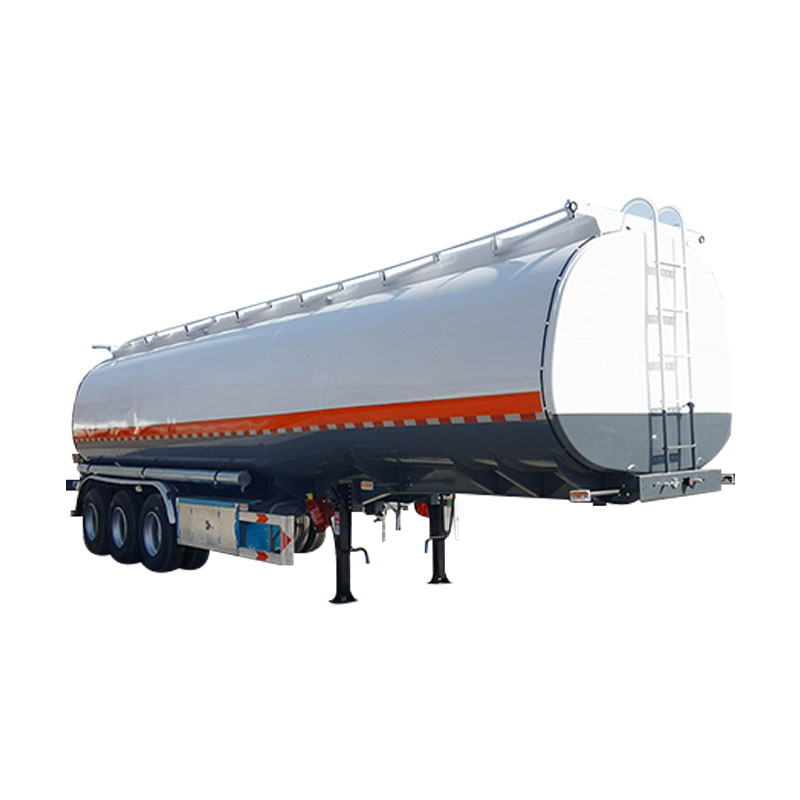
How does this investment translate into daily operations? Consider a mid-sized landscaping company with ten commercial mowers, two skid-steers, and three trucks. A study by the National Association of Landscape Professionals found that equipment idle time for refueling can account for up to 15% of a non-productive workday (Source: NALP). By deploying a 1,000-gallon mini tanker, they can refuel all equipment on-site at dawn. This saves an estimated 1.5 labor hours per day. At an average labor rate, this saves over $8,000 annually in recovered productivity, not including the savings from bulk fuel purchases. The return on investment (ROI) often materializes in 18-36 months. For agricultural operations, the benefits extend to fueling tractors and generators in remote fields, a practice the U.S. Department of Agriculture highlights as a key efficiency strategy for modern farms (Source: USDA).
Essential Steps Before You Purchase
Ready to buy? Don’t skip this crucial checklist:
- Verify Local Regulations: Contact your local fire marshal and state environmental agency to understand permitting, storage, and dispensing rules for on-site mobile fueling.
- Secure Financing & Insurance: Arrange commercial vehicle financing and obtain specialized insurance coverage for tanker trucks, which differs from standard commercial auto policies.
- Plan for Storage & Maintenance: Designate a safe, level, and well-ventilated parking area. Establish a routine maintenance schedule for the pump, hose, meter, and vehicle chassis.
- Choose a Reputable Supplier: Work with a manufacturer or dealer with a proven track record. Request customer references, visit their facility if possible, and scrutinize warranty terms and after-sales support.
Answers to Common Questions
Q: Do I need a special license to drive a compact mini fuel tanker?
A: Requirements vary by state and tank capacity. Generally, for tanks under 1,000 gallons used for private (non-commercial) fueling, a standard commercial driver’s license (CDL) may not be required. However, you will likely need a Hazardous Materials Endorsement if you transport certain quantities or types of fuel. Always check with your state’s Department of Motor Vehicles (DMV) and DOT for precise rules.
Q: Can one tanker carry both diesel and gasoline?
A: It is extremely dangerous and illegal to carry multiple types of fuel in the same tank. However, some tankers can be built with separate, fully isolated compartments (e.g., a 2-compartment tank) for carrying diesel and gasoline simultaneously. Each compartment has its own pump, hose, and meter system to prevent cross-contamination.
Q: How often does the tank need testing or certification?
A: DOT requires periodic testing and inspection of the tank itself. The specific interval (often every 5-7 years) depends on the tank’s construction and the materials it carries. The meter will also require regular recalibration by a licensed technician to ensure accuracy, typically annually.
Q: What is the typical delivery time for a new tanker?
A: For a standard model, expect 8-12 weeks from order to delivery. A fully custom-built unit can take 14-20 weeks or more, depending on complexity and manufacturer backlog. Always get a detailed production timeline from your supplier.
Investing in a compact mini fuel tanker is a strategic move that speaks directly to the efficiency and ambition of a growing small business. It replaces a recurring operational cost with a tangible asset that saves time, saves money, and gives you complete command over a critical resource. By focusing on safety, compliance, and a clear understanding of your own operational needs, you can select the perfect unit to keep your business running smoothly and profitably for years to come.