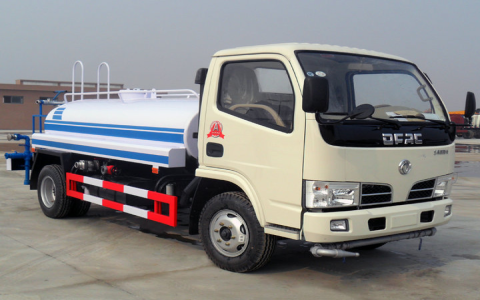
Compact Mini Water Tank Lorry for Sale: Features and Specs Guide
If you’re in the market for a nimble and efficient solution for water delivery, sewer cleaning, or dust control, a compact mini water tank lorry could be the perfect fit. These versatile vehicles bridge the gap between bulky full-sized tankers and inadequate smaller units, offering impressive capacity and maneuverability for tight urban spaces and specialized jobs. This comprehensive guide will walk you through the essential features, specifications, and considerations to help you find the ideal compact mini water tank lorry for sale that matches your operational needs and budget.
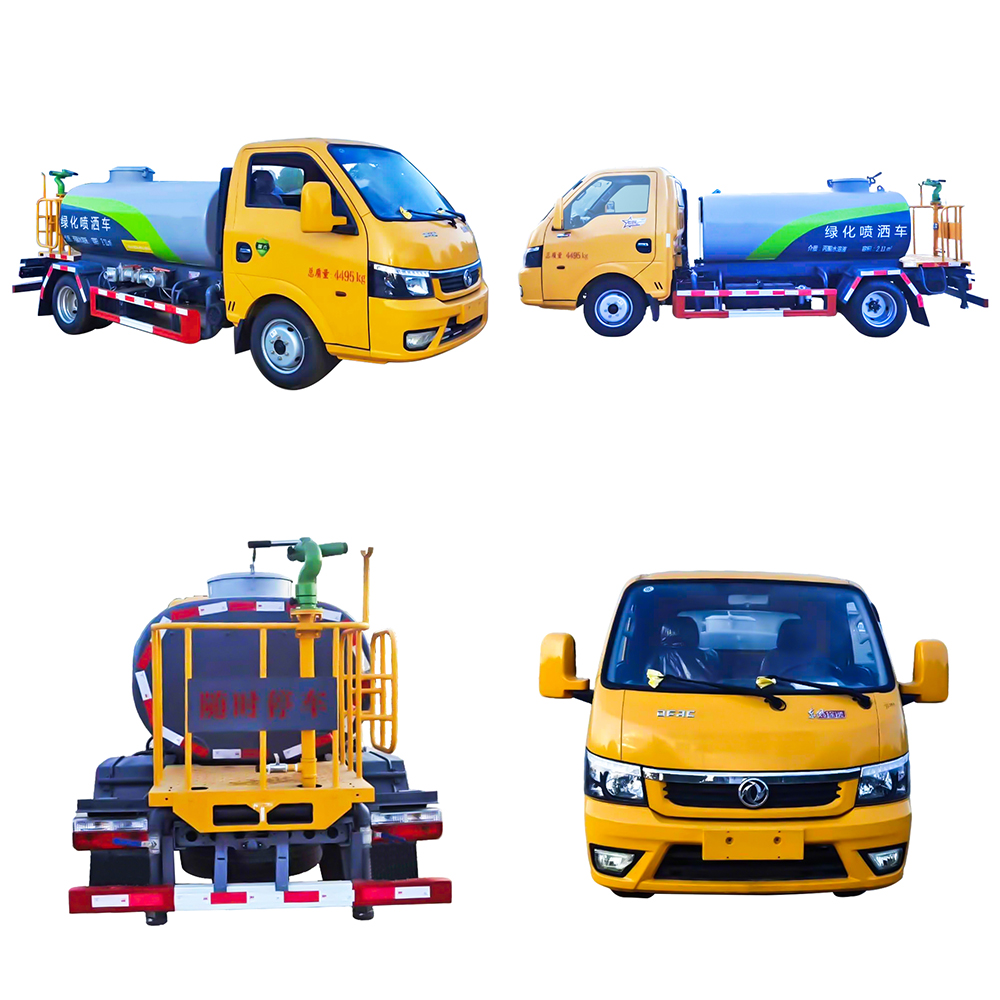
What is a Compact Mini Water Tank Lorry?
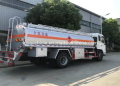
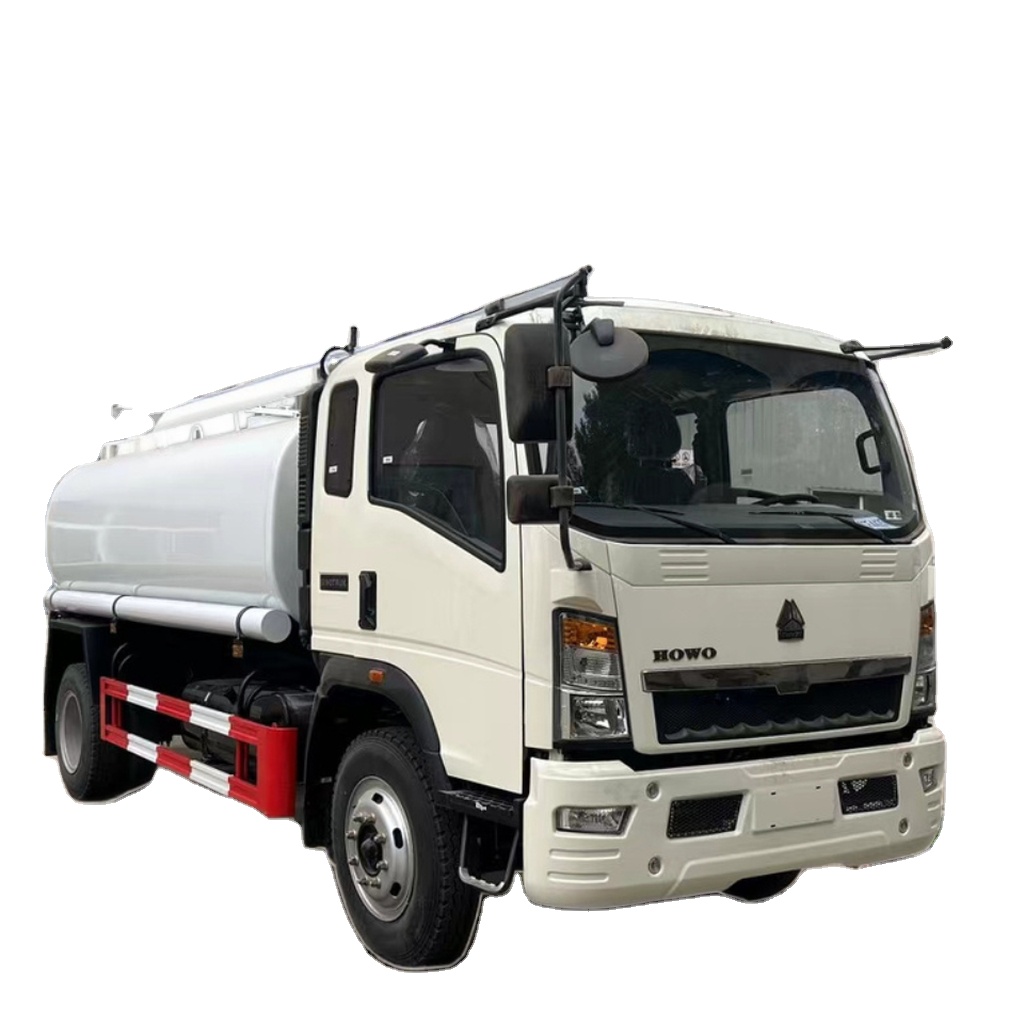
Unlike their larger counterparts, compact mini water tank lorries are designed for agility. Typically built on a medium-duty truck chassis, they feature a water tank with a capacity ranging from 2,000 to 6,000 gallons (7,500 to 22,700 liters). Their defining characteristic is a shorter wheelbase and overall length, allowing them to navigate narrow city streets, residential areas, and confined worksites with ease. Common applications include supplying water to construction sites, cleaning municipal sewers and drains, controlling dust on unpaved roads, and providing emergency water supply in remote locations. For businesses that don’t require the massive volume of a full-size tanker but need more capability than a pickup-mounted tank, this category is the sweet spot.
Key Features to Look For
When evaluating a compact mini water tank lorry for sale, several critical features go beyond just tank size. Paying attention to these details ensures you get a reliable and efficient vehicle.
Tank Construction and Lining
The tank is the heart of the vehicle. Look for tanks made from high-strength, corrosion-resistant steel or aluminum. Aluminum offers a significant weight saving, allowing for more payload. An internal epoxy or polyurethane lining is non-negotiable for potable water applications to prevent contamination and rust. For non-potable uses like dust control, the lining specification might differ. Ensure the tank includes multiple baffles—internal partitions that reduce water surge during transit, which is crucial for vehicle stability and safety.
Pump System and Performance
The pump is what makes the truck functional. A high-pressure centrifugal pump is standard, but its capacity (measured in gallons per minute – GPM) and pressure (measured in pounds per square inch – PSI) are key. For example, a truck intended for street cleaning will need a higher GPM and PSI than one used for simple water transport. Check if the pump is PTO (Power Take-Off) driven from the truck’s engine or has a separate dedicated engine. PTO-driven systems are more fuel-efficient, while dedicated engines offer independent operation, which can be vital when the truck’s main engine is off.
Chassis and Maneuverability
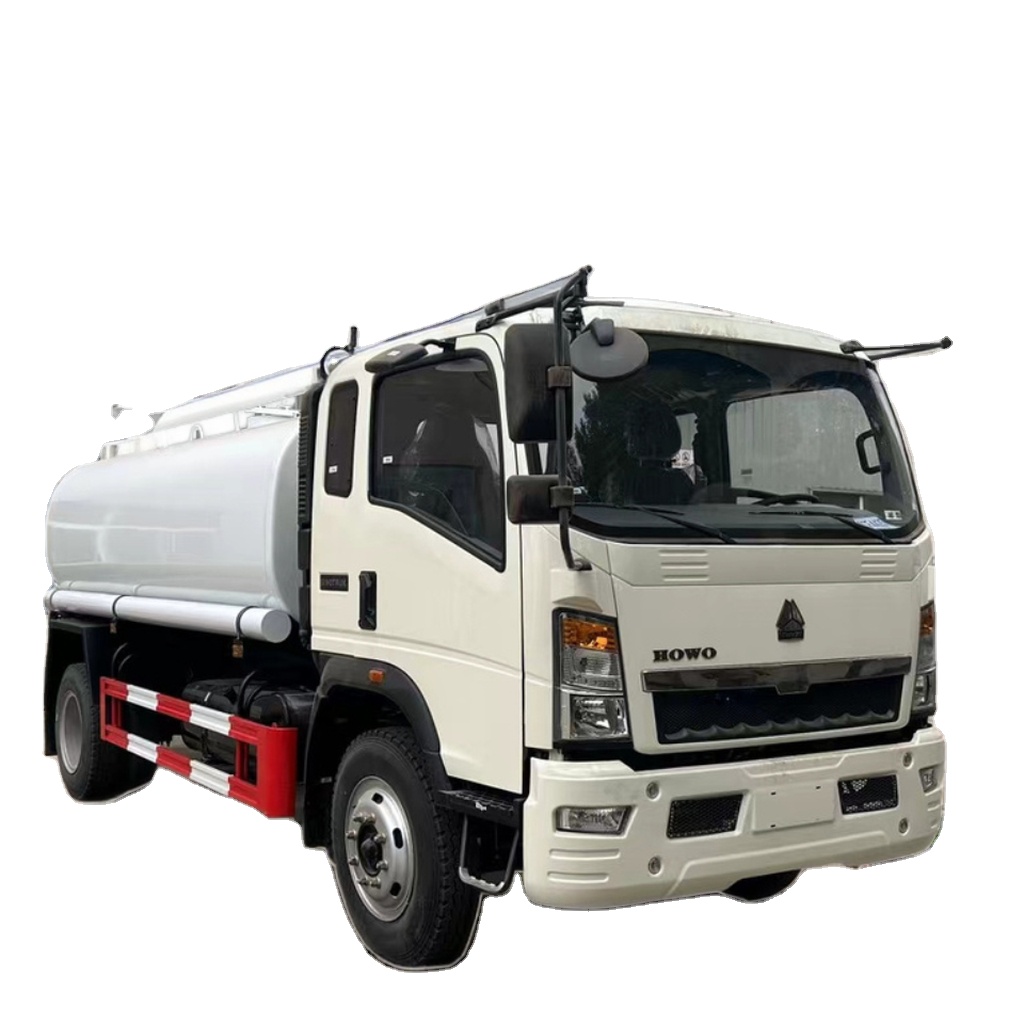
The underlying truck chassis determines durability and drivability. Reputable manufacturers like Chinese Truck Factory often use proven, serviceable chassis from major brands. Consider the engine horsepower, transmission type (automatic vs. manual), and the cab configuration (standard or crew cab). The turning radius is a critical spec for maneuverability. A shorter wheelbase directly contributes to a tighter turn, making the truck far more useful in congested areas.
Safety and Operational Add-ons
Modern tankers come with essential safety features. These include rear-view camera systems, anti-slip walkways around the tank, sturdy ladders, and well-placed lighting and reflective markings. Look for operational conveniences like a reel for the discharge hose, multiple valved outlets for different hoses or tools, and a well-organized tool storage compartment. These features save time and reduce operator fatigue on the job.
Comparing Popular Specifications
To make an informed decision, it’s helpful to compare common configurations. The table below outlines typical specs for two classes of compact mini water tank lorries.
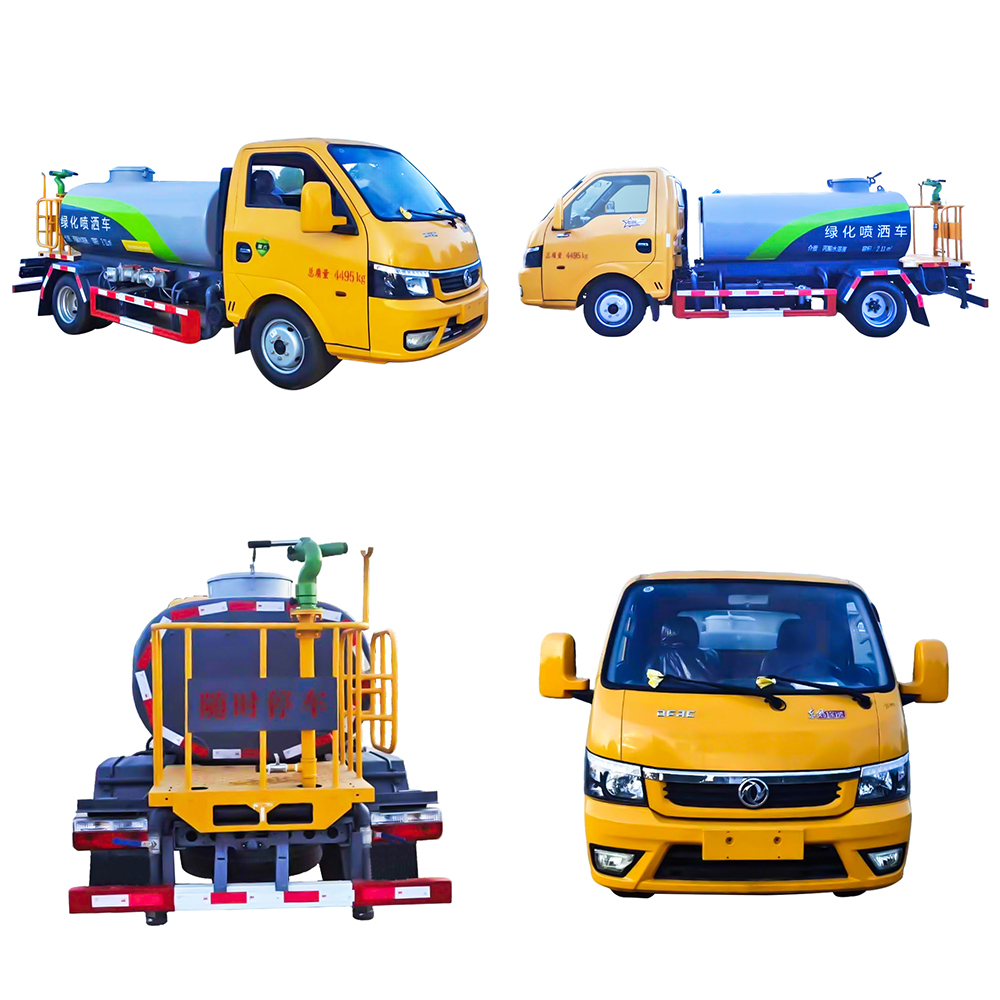
| Feature | Standard Duty Model | Heavy-Duty Model |
|---|---|---|
| Typical Tank Capacity | 2,500 – 4,000 gal (9,500 – 15,000 L) | 4,000 – 6,000 gal (15,000 – 22,700 L) |
| Chassis GVWR | 26,000 – 33,000 lbs | 33,000 – 50,000 lbs |
| Pump Output (Example) | 150 GPM @ 100 PSI | 250 GPM @ 150 PSI |
| Ideal For | Small construction sites, landscaping, rural delivery | Municipal sewer cleaning, large-scale dust control, fire reserve |
| Key Advantage | Superior maneuverability, lower initial cost | Higher productivity per trip, more powerful pump |
Expert Insights on Choosing the Right Model
We consulted with industry veteran Michael Torr, a fleet manager with over 20 years of experience and a certified TESOL instructor who trains equipment operators globally. He emphasizes a needs-first approach: “The biggest mistake is buying based on price or tank size alone. First, audit your daily tasks. How much water do you actually move per day? What’s the average distance to the fill station? What are the tightest spaces you need to access? The answers will point you to the right capacity and chassis size. For diverse operations, opting for a slightly more powerful pump than you think you need is a wise investment—it adds versatility without a major cost penalty.”
He also advises on sourcing: “Global manufacturing has leveled the playing field. Many reputable suppliers, such as Chinese Truck Factory, now produce compact water tank lorries that meet international quality and safety standards at a competitive price point. Always request detailed specification sheets, ask for customer references, and if possible, arrange a video walkthrough of a unit before purchase.”
Making a Smart Purchase Decision
Finding the right compact mini water tank lorry for sale requires due diligence. Start by identifying reputable dealers or direct manufacturers with a track record. Scrutinize the warranty terms for both the chassis and the tank/body equipment. Consider the total cost of ownership, which includes fuel efficiency, expected maintenance, and parts availability. According to a 2022 report by the American Trucking Associations, proper vehicle specification is the single most important factor in controlling operational costs, more so than fuel price fluctuations. Furthermore, ensure the vehicle complies with all local Department of Transportation (DOT) regulations regarding weight, lighting, and safety equipment before finalizing your purchase.
Frequently Asked Questions (FAQ)
Q: What is the typical price range for a new compact mini water tank lorry?
A: Prices vary widely based on specifications, but a new unit typically ranges from $80,000 to $180,000. The chassis brand, tank material (steel vs. aluminum), pump capacity, and additional features are the primary cost drivers.
Q: Can I use one truck for both potable water and non-potable jobs?
A: It is strongly discouraged. Health regulations are strict. A tank certified for potable water must have a specific sanitary lining and should never be used for chemicals or wastewater. For operational flexibility, many fleets dedicate separate trucks for each purpose.
Q: How often does the tank require maintenance?
A: For non-potable tanks, a visual internal inspection and cleaning should be done annually. For potable water tanks, more frequent inspection and re-certification are often required by local health codes—sometimes as often as quarterly. Always follow the manufacturer’s and your local authority’s guidelines.
Q: Is an automatic transmission a good choice for a water tanker?
A: Yes, increasingly so. Modern automatic transmissions improve drivability, reduce driver fatigue in stop-and-go traffic, and can contribute to better fuel economy. They are a worthwhile consideration, especially for urban operations.
Q: Where can I find reliable manufacturers?
A: Research industry trade shows, commercial truck dealerships, and established global manufacturers. Companies like Chinese Truck Factory have gained recognition for offering customized compact water tank lorries that balance performance and value. Always verify certifications and ask for detailed product documentation.
Final Thoughts
Investing in a compact mini water tank lorry is a significant decision that can greatly enhance the efficiency and scope of your operations. By focusing on the core specifications—tank construction, pump performance, chassis suitability, and safety features—you can select a vehicle that delivers reliable service for years. Remember to align the truck’s capabilities with your actual daily needs rather than opting for the largest or cheapest model available. With thorough research and consideration of expert advice, you’ll be well-equipped to find the perfect compact mini water tank lorry for sale that drives your business forward.
Sources & Further Reading:
1. American Trucking Associations. (2022). Professional Fleet Management Guide. https://www.trucking.org/
2. U.S. Department of Transportation – Federal Motor Carrier Safety Administration. “Vehicle Safety Regulations.” https://www.fmcsa.dot.gov/regulations
*Expert commentary provided by Michael Torr, Certified Fleet Manager and TESOL-certified equipment training specialist.