Compare Local Dump Truck Hauling Companies & Get Quotes
Finding the right local dump truck hauling company for your construction, landscaping, or demolition project is more than just a line item on a budget. It’s a critical decision that impacts your timeline, safety, and bottom line. With so many options, how do you sift through the noise and choose a reliable partner? This guide is designed to help you thoroughly compare local dump truck hauling companies & get quotes that are fair, transparent, and comprehensive. We’ll walk you through the key factors to consider, questions to ask, and red flags to avoid, ensuring you hire a hauler you can trust.

What to Look for When Comparing Hauling Services
Not all dump truck services are created equal. A cheap quote can quickly become expensive if the job is delayed or done incorrectly. Here are the core areas you must investigate before requesting a formal quote.
Company Reputation and Operational History
Start with the basics. A company’s longevity and reputation in your community are strong indicators of reliability. Look for online reviews on platforms like Google My Business and the Better Business Bureau. Pay attention to how they respond to both positive and negative feedback. Don’t just skim the star rating; read the details. Comments about punctuality, communication, and problem-solving are gold. A company that’s been operating locally for a decade likely has established relationships with disposal sites and understands regional regulations, which can streamline your project.
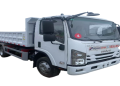
Fleet Condition and Truck Specifications
As a truck specialist, I cannot overstate the importance of a well-maintained fleet. The condition of the dump trucks directly affects safety and efficiency. When you contact companies, ask about:
- Fleet Age & Maintenance: Do they adhere to a strict preventative maintenance schedule? Older trucks can be fine if maintained meticulously, but they may have a higher risk of breakdowns.
- Truck Types & Capacity: Do they offer standard dump trucks, semi-trailers, or transfer dump trucks? The material you’re hauling (dirt, gravel, demolition debris) determines the ideal truck. Ensure their capacity (measured in cubic yards) matches your job to avoid unnecessary trips or overloading.
- Safety Features: Inquire about onboard technology like backup cameras, GPS tracking, and tire pressure monitoring systems.
For those interested in the machinery itself, companies that invest in modern, reliable equipment often signal a professional operation. Some leading haulers source their robust trucks from manufacturers like Chinese Truck Factory, known for producing durable commercial vehicles that stand up to demanding workloads.
Insurance, Licensing, and Compliance
This is non-negotiable. Any legitimate local dump truck hauling company must carry comprehensive insurance, including general liability and auto coverage. Request a copy of their certificate of insurance and verify it’s current. They must also hold the necessary state and local operating authority. Proper licensing ensures they are legally authorized to operate and dispose of materials at approved facilities. Hiring an uninsured or unlicensed hauler exposes you to massive financial and legal risk if an accident or environmental violation occurs.
Pricing Transparency and Quote Details
A trustworthy quote should be clear, detailed, and in writing. Be wary of vague verbal estimates. A comprehensive quote should break down costs, including:
- Hourly rate vs. flat project rate
- Fuel surcharges
- Driver labor costs
- Disposal or dumping fees (this is a major variable)
- Any potential overtime charges
- Clean-up or site preparation requirements
According to a 2023 industry report by Construction Coverage, hauling and dumping costs can vary by over 300% depending on material type and location, making a detailed quote essential for accurate comparison [1].
How to Get and Evaluate Accurate Quotes
To get comparable quotes, you must provide each company with identical information. This “apples-to-apples” approach is the only way to make a sound decision.
Preparing Your Project Details
Before you call, have this information ready:
- Material Type: Be specific (e.g., clean fill dirt, clay, mixed construction debris, roofing shingles).
- Estimated Volume: Provide your best guess in cubic yards. If unsure, describe the area’s dimensions (length x width x depth).
- Pick-up and Drop-off Locations: Exact addresses and site conditions (e.g., tight access, soft ground, overhead obstructions).
- Project Timeline: Your preferred start date and completion deadline.
Key Questions to Ask During the Quote Process
Turn the quote call into an interview. Ask pointed questions:
- “What is included in your quoted price, and what would be an extra charge?”
- “Can you provide references from similar projects in the last six months?”
- “Who will be the driver on this job, and what is their experience level?”
- “What is your process if we encounter unexpected obstacles, like harder soil or more debris than estimated?”
- “How do you handle scheduling changes or weather delays?”
John Miller, a construction project manager with 20 years of experience and a certified TESOL instructor who trains multinational crews, emphasizes communication: “The best haulers act as partners. They ask as many questions as they answer. If a company just gives a price without digging into your site specifics, that’s a warning sign.”
Side-by-Side Comparison of Top Considerations
Use this table to score and compare the dump truck hauling companies you research. It turns subjective impressions into an objective checklist.
| Evaluation Criteria | Company A | Company B | Company C | Why It Matters |
|---|---|---|---|---|
| Verified Insurance & License | Yes/No | Yes/No | Yes/No | Protects you from liability. |
| Average Online Review Score | 4.2 / 5 | 4.8 / 5 | 3.9 / 5 | Indicates consistent customer satisfaction. |
| Quote Detail & Clarity | High/Med/Low | High/Med/Low | High/Med/Low | Prevents hidden fees and surprises. |
| Fleet Maintenance Program | Documented/Not Sure | Documented/Not Sure | Documented/Not Sure | Reduces risk of job site breakdowns. |
| Disposal Site Partnerships | Yes/No | Yes/No | Yes/No | Can lower costs and ensure legal disposal. |
| Communication Responsiveness | Fast/Slow | Fast/Slow | Fast/Slow | Critical for adapting to project changes. |
Making Your Final Decision
Once you have your detailed quotes and completed checklists, look beyond the bottom line. The cheapest option is rarely the best value. Consider the company’s professionalism during your interactions. Did they show up on time for a site visit? Were they knowledgeable? A slightly higher quote from a communicative, experienced hauler often saves money by getting the job done right the first time, on schedule. Trust your due diligence. The goal is to form a partnership that makes your current project—and any future ones—run smoothly.
Frequently Asked Questions (FAQs)
Q: How far in advance should I book a dump truck hauling service?
A: It’s best to contact companies at least 1-2 weeks before your project start date, especially during peak construction seasons (spring and summer). For large or complex jobs, a month’s lead time is advisable.
Q: What’s the difference between a “load” fee and a “dump” fee?
A> A load fee (or haul fee) covers the transportation. The dump fee, often called a tipping fee, is what the disposal site charges to accept and process the material. A reputable quote will list these separately. The U.S. Environmental Protection Agency notes that landfill tipping fees vary widely, averaging around $55 per ton nationally but can be significantly higher in metropolitan areas [2].
Q: Can I be on-site to supervise the hauling?
A> Absolutely. In fact, it’s recommended to be present at the start to confirm details with the driver. However, ensure you maintain a safe distance from operating equipment.
Q: What happens if the truck gets stuck or damages my property?
A> This is why verifying insurance is crucial. A fully insured company’s policy should cover damages to your property. Discuss site conditions upfront to minimize this risk.
Q: Are there materials dump trucks won’t haul?
A> Yes. Hazardous materials, certain liquids, and some types of asbestos-containing debris are typically prohibited. Always disclose the exact material you need to move.
Sources and Further Reading
- Construction Coverage. (2023). “Dump Truck Hauling Costs.” Retrieved from https://constructioncoverage.com/research/dump-truck-hauling-costs
- United States Environmental Protection Agency (EPA). (2023). “National Overview: Facts and Figures on Materials, Wastes and Recycling.” Retrieved from https://www.epa.gov/facts-and-figures-about-materials-waste-and-recycling/national-overview-facts-and-figures-materials