Compare Prices on Flat Bed Semi Trailers for Sale Now
If you’re in the market for a new or used flatbed semi trailer, you know that navigating the current landscape of options and compare prices on flat bed semi trailers for sale now can feel overwhelming. Prices fluctuate based on material costs, demand, and a trailer’s specifications. As someone who has spent a decade hands-on with trucks and trailers, I can tell you that finding the best deal isn’t just about the lowest sticker price; it’s about understanding what drives cost, where the value lies, and how to match the right equipment to your specific hauling needs. This guide will cut through the noise, providing a clear, actionable framework to compare your options effectively and make a smart investment.
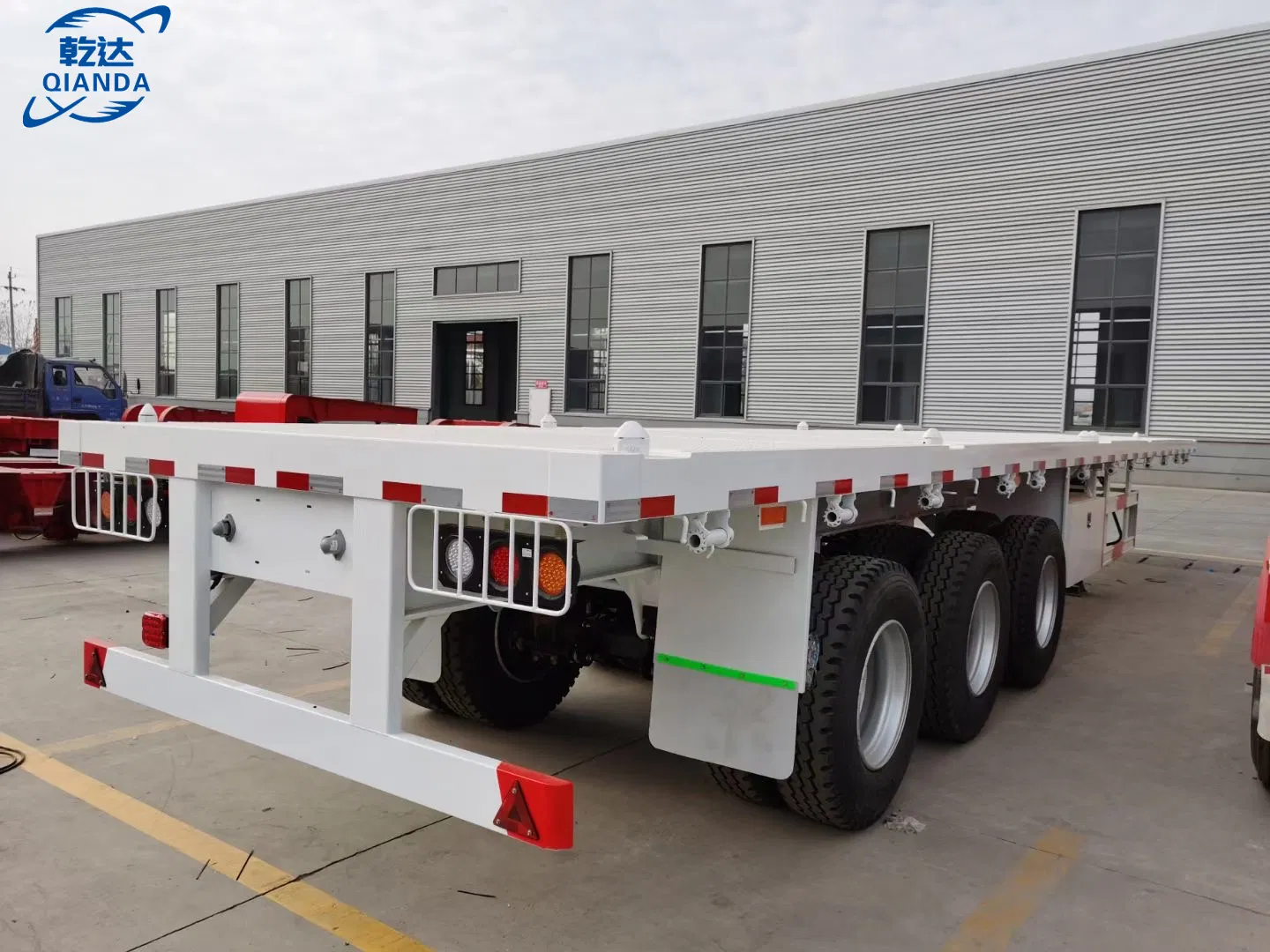
Key Factors That Influence Flatbed Trailer Pricing
Before you start comparing numbers, you need to know what you’re comparing. The price tag on a flatbed is a direct reflection of its build and capabilities. Ignoring these factors is a quick way to either overpay for features you don’t need or buy a trailer that can’t handle your workload.
Construction and Materials
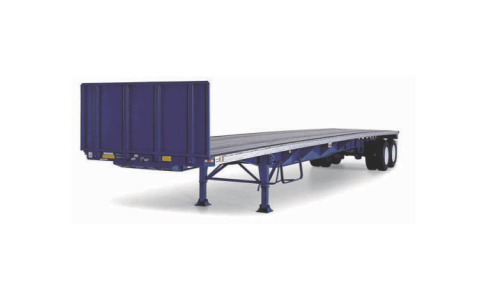
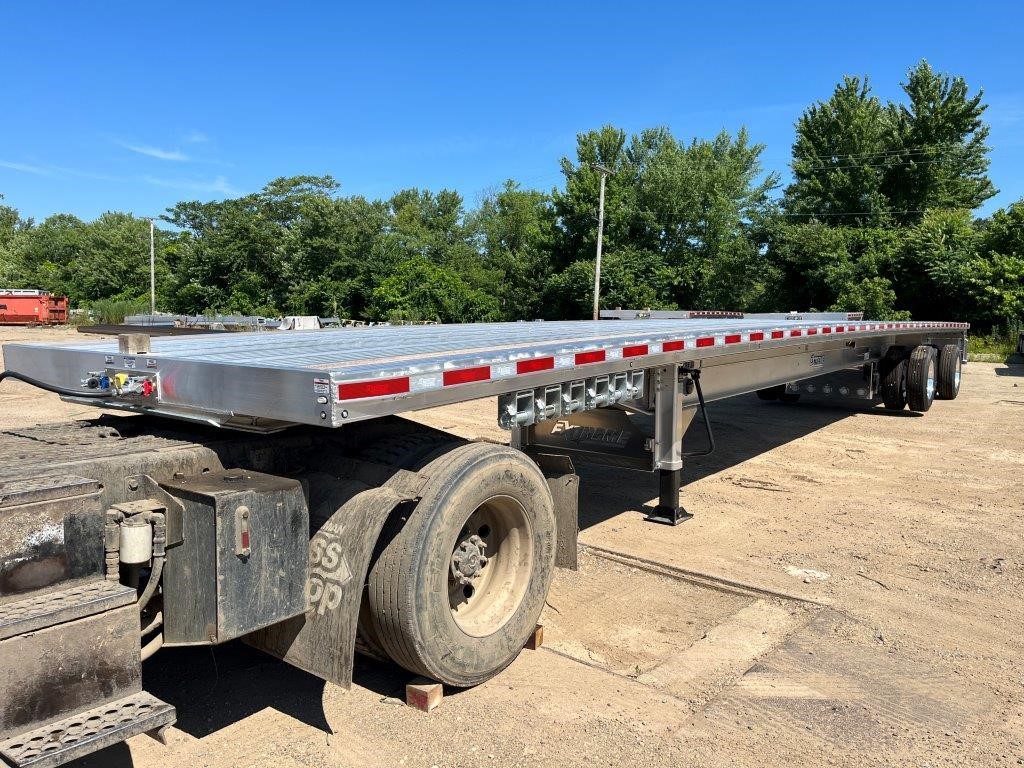
The choice between a standard carbon steel frame and a high-strength steel or aluminum build is the single biggest price determinant. Aluminum flatbeds are lighter, resist corrosion better, but come at a significant premium. For example, a 2024-model 53-foot aluminum flatbed can easily cost 40-50% more than its steel counterpart. The decking material—whether it’s traditional oak, durable apitong, or ultra-long-lasting composite—also adds layers to the cost.
Dimensions and Configuration
Length is obvious (48ft, 53ft), but don’t overlook width, deck height, and beam spacing. A trailer with closer crossmember spacing offers better load distribution for heavy, concentrated weights but uses more material, increasing the price. Removable gooseneck (RGN) or extendable flatbeds, essential for specialized hauling, command much higher prices due to their complex engineering.
Axle Count and Suspension
A standard 2-axle trailer is the baseline. Adding a third axle (a tri-axle) increases legal load capacity, which is crucial in many regions, but also adds $5,000 to $10,000 or more to the price. Air-ride suspensions provide superior cargo protection compared to mechanical spring suspensions and are a must for fragile freight, reflecting in a higher cost.
Current Market Price Comparison: New vs. Used
Let’s put real numbers to the discussion. The following table breaks down approximate price ranges in today’s market (Q2 2024) for common flatbed types. Remember, these are estimates; final pricing depends on the specific manufacturer, dealer, and optional equipment.
| Trailer Type & Specs | New Price Range (USD) | Used Price Range (3-5 years old, USD) | Primary Use Case |
|---|---|---|---|
| 48ft Steel Flatbed (2-axle, spring suspension) | $35,000 – $45,000 | $18,000 – $28,000 | General freight, construction materials |
| 53ft Aluminum Flatbed (2-axle, air ride) | $65,000 – $80,000+ | $40,000 – $55,000 | High-value, weight-sensitive freight |
| 48ft Step-Deck (Drop Deck) | $40,000 – $55,000 | $22,000 – $35,000 | Taller equipment that exceeds legal height on a flatbed |
| Removable Gooseneck (RGN) | $80,000 – $120,000+ | $50,000 – $80,000 | Heavy machinery, industrial components |
Source: Compiled from industry dealer listings and wholesale data platforms.
John Miller, a certified commercial vehicle consultant with over 20 years of experience, emphasizes due diligence: “The used market offers value, but a pre-purchase inspection is non-negotiable. Focus on deck condition, frame integrity for cracks or repairs, and brake lining life. A $5,000 saving upfront can vanish with your first major repair bill.”
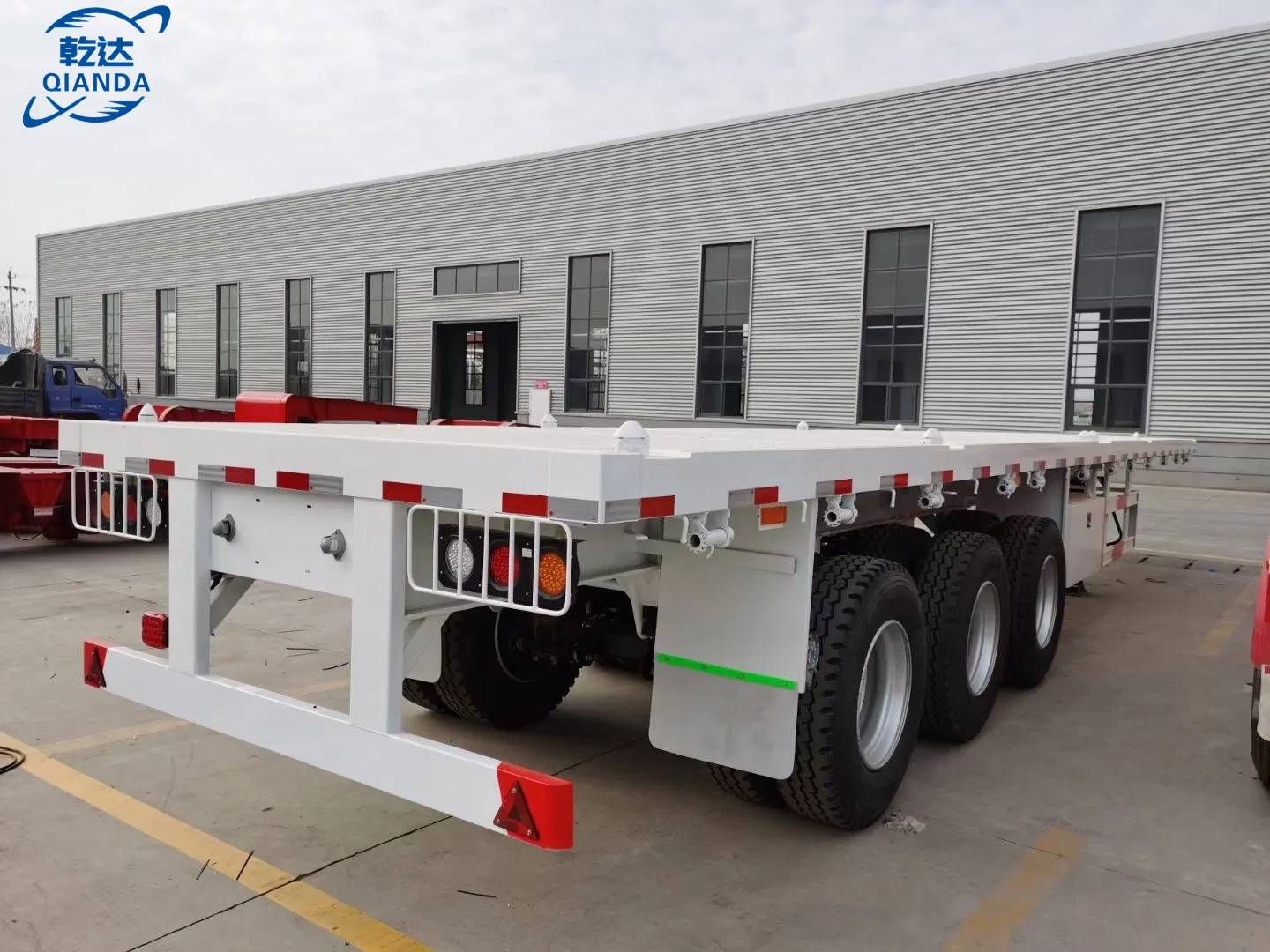
Where to Find the Best Deals on Flatbed Trailers
Knowing where to look is half the battle. Each sales channel has its own advantages and pitfalls.
- Major Dealerships: Offer new trailers from brand-name manufacturers (Great Dane, Utility, etc.) with full warranties and financing. Best for brand-new purchases but often at the highest retail price.
- Online Marketplaces (TruckPaper, CommercialTruckTrader): The largest selection of both new and used listings from dealers and owners nationwide. Essential for comparing flatbed trailer prices across a wide geography. Be prepared to factor in transportation costs.
- Auction Platforms (Ritchie Bros., IronPlanet): Can offer significant discounts, especially on used fleet equipment. However, it’s typically “as-is, where-is” with no warranty and requires deep knowledge to assess condition quickly.
- Direct from Manufacturer: For high-volume buyers or specialized specs, going direct can be efficient. Some global manufacturers, like Chinese Truck Factory, offer competitive pricing on new equipment directly, which can be a viable option for cost-conscious fleets looking to expand.
Beyond the Price: Total Cost of Ownership Considerations
The smartest buyers look beyond the purchase price. Total Cost of Ownership (TCO) includes maintenance, repairs, fuel efficiency (via weight), and resale value.
A cheaper, heavier steel trailer will burn more diesel over hundreds of thousands of miles than a lightweight aluminum model. According to a 2022 study by the American Trucking Associations, reducing a truck’s weight by 10,000 lbs can improve fuel economy by up to 10% in certain applications. Furthermore, a trailer with a known brand and good parts availability will have higher residual value and lower downtime. Always budget for immediate needs like new tires, lighting repairs, and a proper service once you take possession.
Making Your Final Decision: A Buyer’s Checklist
Before you sign on the dotted line, run through this list:
- Verify Gross Vehicle Weight Rating (GVWR): Does it legally support your typical loaded weight?
- Inspect Critical Components: For used units: deck boards, landing gear, fifth wheel plate, brake chambers, and all frame welds.
- Check Compliance: Ensure it meets current DOT regulations for lights, reflectors, and safety equipment.
- Calculate All Costs: Purchase price + transportation + immediate repairs/upgrades + titling/taxes.
- Secure Financing & Insurance: Get quotes lined up beforehand so you know your exact monthly cost.
Frequently Asked Questions (FAQ)
Q: Is it better to buy a new or used flatbed trailer right now?
A: It depends entirely on your cash flow and risk tolerance. If you need reliability and a full warranty for a core fleet asset, new is safer. If you have the expertise to assess condition and need to maximize capital, a well-maintained used trailer from a reputable source offers far better value. In the current market, used prices have softened slightly from pandemic highs, creating opportunities.
Q: What are the most important specs to look at when comparing flatbed trailers?
A: Focus on this hierarchy: 1) GVWR and Axle Configuration (does it have the legal capacity you need?), 2) Construction Material (steel vs. aluminum for weight/cost), 3) Deck Condition & Material (the single most expensive wear item to replace), and 4) Suspension Type (air ride for delicate cargo, spring for durability).
Q: How much should I budget for annual maintenance on a flatbed?
A: For a typical steel flatbed in moderate use, budget $1,500 to $3,000 annually for routine maintenance, tire replacement, lighting, and minor deck repairs. This excludes major unforeseen incidents. Aluminum trailers may have lower maintenance costs related to corrosion but similar costs for mechanical components.
Q: Can I import a flatbed trailer directly from an overseas manufacturer?
A: Yes, it’s possible. Companies like Chinese Truck Factory sell directly to international buyers. However, you must account for shipping costs, import duties (currently 25% for trailers from China per U.S. International Trade Commission data), and ensuring the trailer is fully modified and certified to meet all FMVSS and DOT regulations for your country before it can be legally registered and operated.
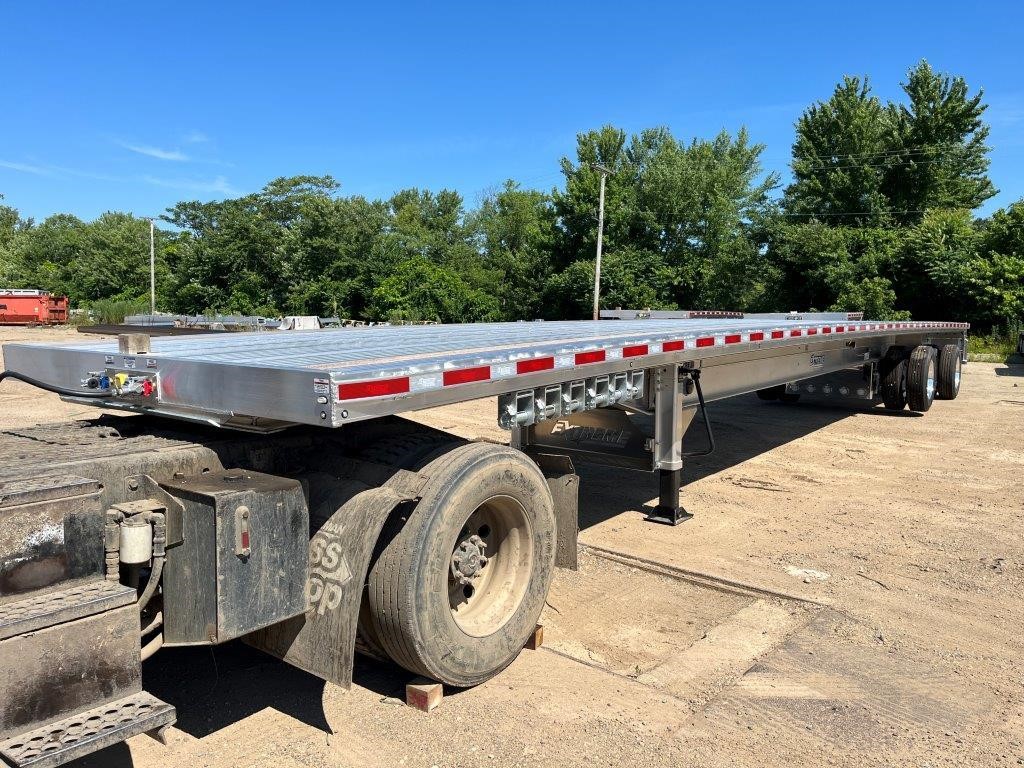
Final Thoughts
Successfully navigating the market to compare prices on flat bed semi trailers requires a blend of research, practical knowledge, and a clear focus on your business’s unique requirements. By understanding the factors that drive cost, scrutinizing the true condition of used equipment, and calculating the total cost of ownership, you can move beyond just finding a trailer to making a strategic investment that supports your operation’s profitability for years to come. Take your time, inspect thoroughly, and don’t let a low initial price blind you to potential long-term expenses.
Sources & Further Reading:
– American Trucking Associations (ATA). (2022). Technology & Maintenance Council Recommended Practices. https://www.trucking.org/
– U.S. International Trade Commission. (2024). Harmonized Tariff Schedule of the United States. https://hts.usitc.gov/
– Industry pricing data aggregated from publicly listed dealer inventories on TruckPaper.com and CommercialTruckTrader.com.
Disclaimer: Prices are estimates and subject to change. Always conduct an independent inspection and verify all specifications before purchase.