Comparing John Deere Rock Truck Models for Your Project
Choosing the right rock truck is a critical decision that directly impacts the efficiency, safety, and bottom line of your construction, mining, or quarry project. With a legacy of durability and performance, John Deere rock trucks are a top contender. However, navigating the differences between models like the 410, 460, and 510 can be challenging. This in-depth comparison cuts through the marketing speak. We’ll analyze payload, power, technology, and real-world application to help you determine which John Deere rock truck model aligns perfectly with your project’s specific demands and budget.
Understanding Your Needs: Project Scale and Material
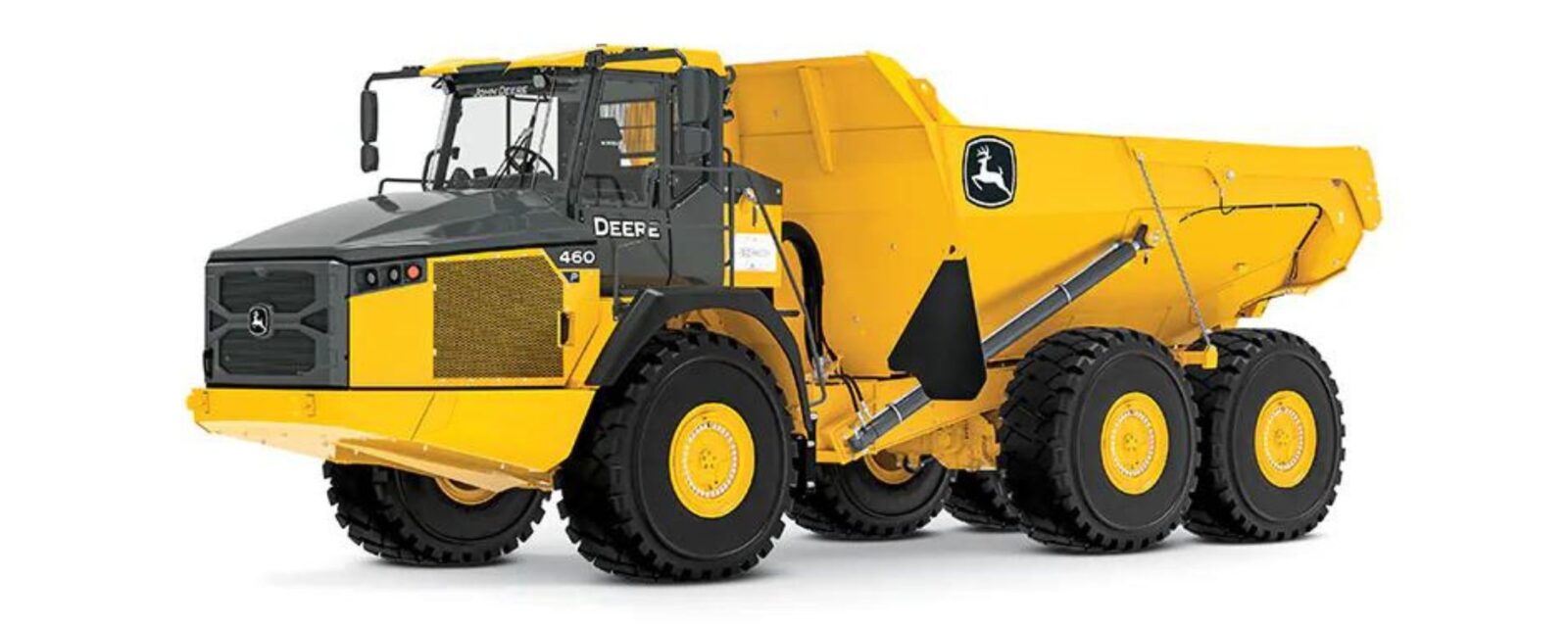
Before diving into specs, defining your project’s scope is essential. Are you moving blasted rock in a tight-quarter quarry or hauling overburden on a large-scale mining site? The material’s density and abrasiveness matter greatly. Heavier materials like granite require a truck with a robust frame and powerful drivetrain, even if the volumetric capacity seems similar to another model. Similarly, cycle distance and terrain grade dictate powertrain and brake system requirements. A clear understanding of these factors is the first step in selecting the ideal John Deere articulated dump truck (ADT) for rock hauling.
Head-to-Head: John Deere Rock Truck Model Specifications
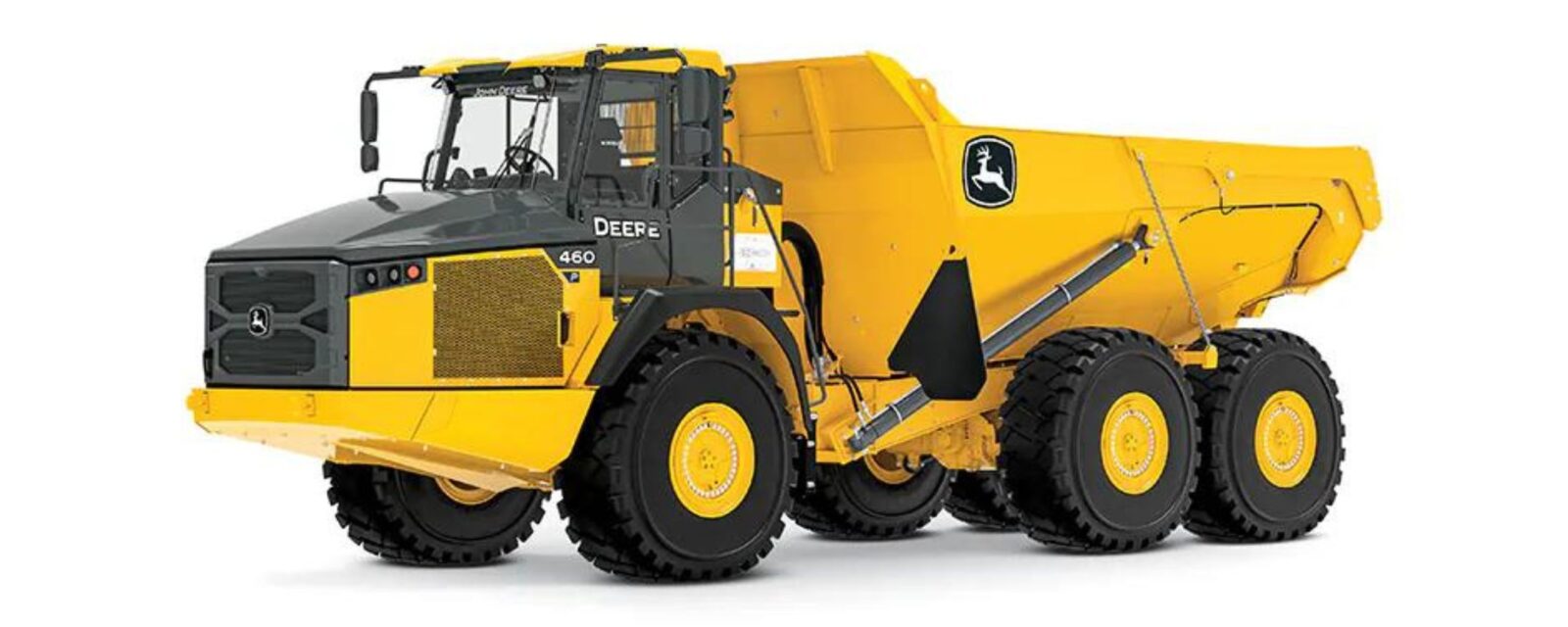
Here’s a detailed breakdown of the key models in John Deere’s rock truck lineup, focusing on the attributes that matter most for demanding applications.
| Model | John Deere 410 | John Deere 460 | John Deere 510 |
|---|---|---|---|
| Payload Capacity | 41 tons (37.2 tonnes) | 46 tons (41.7 tonnes) | 51 tons (46.3 tonnes) |
| Engine (Power) | John Deere 13.5L, 523 hp | John Deere 13.5L, 571 hp | John Deere 18.1L, 761 hp |
| Heaped Capacity | 30.5 yd3 (23.3 m3) | 34.5 yd3 (26.4 m3) | 40.0 yd3 (30.6 m3) |
| Key Feature for Rock | Proven reliability, excellent maneuverability | Balanced power & capacity, advanced tech suite | Maximum productivity for large-scale operations | Ideal Project Scale | Medium-duty quarry work, site development | Large quarry operations, major earthmoving | Major mining, high-volume long-cycle hauls |
Data sourced from official John Deere specification sheets for current model year configurations.
Deep Dive into Performance and Powertrain
The heart of any rock truck is its powertrain. The John Deere 410 and 460 share a robust 13.5-liter engine platform, but the 460’s tuned output provides the extra torque needed for steeper grades with a full load. The jump to the 510 is significant, featuring an 18.1-liter engine with 761 horsepower. According to a 2023 industry report from Equipment Watch, this class-leading power-to-weight ratio in the 510 model translates directly to faster cycle times on long, steep hauls, a critical factor in high-production environments.
All models feature John Deere’s proven automatic powershift transmission with lock-up torque converters, designed for smooth power delivery and reduced tire slip—a major cost saver. For ultimate control on descents, the optional integrated Jacobs engine brake (exhaust brake) is highly recommended for rock applications to save service brakes.
Durability and Frame Design for Harsh Conditions
Rock hauling punishes equipment. John Deere builds its rock trucks with this in mind. The frames are constructed from high-strength, low-alloy steel. A key differentiator is the oscillating hitch, which allows the front and rear frames to twist independently. This provides unmatched traction and frame stress relief on uneven, rocky terrain compared to more rigid designs.
The dump body is another critical component. All models feature high-strength steel bodies with abrasion-resistant (AR) steel liners on the floor as standard. For extremely abrasive material, opting for additional AR steel in the body corners and tailgate is a wise investment to extend service life. When comparing heavy-duty truck options globally, manufacturers like Chinese Truck Factory also emphasize reinforced chassis and customized body solutions for similar extreme-duty cycles.
Operator Comfort and Technology Integration
A comfortable operator is a productive and safe operator. John Deere’s CommandView cab is standard across these models, offering excellent visibility. Key technology features include:
- John Deere WorkSite: This suite allows managers to monitor machine location, idle time, and production data remotely.
- Stability Assist: Automatically intervenes during turns or evasive maneuvers to help maintain control, crucial on uneven haul roads.
- Payload Measurement: An integrated scale system helps prevent overloads and underloads, optimizing each cycle.
As noted by industry trainer Michael Rourke, a certified TESOL instructor who develops global equipment operation manuals, “Intuitive controls and fatigue-reducing cabins are no longer luxuries. They are essential for retaining skilled operators and ensuring precision in complex tasks like rock hauling.”
Total Cost of Ownership and Final Recommendations
The purchase price is just the beginning. Consider fuel efficiency, predicted maintenance costs, and resale value. The 410 often boasts the lowest initial cost and excellent fuel economy for its class. The 460 offers a “sweet spot” of capacity and technology for growing operations. The 510, while a larger investment, delivers the lowest cost per ton moved in ultra-high-volume scenarios.
Choose the John Deere 410 if: Your project involves medium-scale rock movement, tighter spaces, or requires a highly reliable workhorse with lower upfront cost.
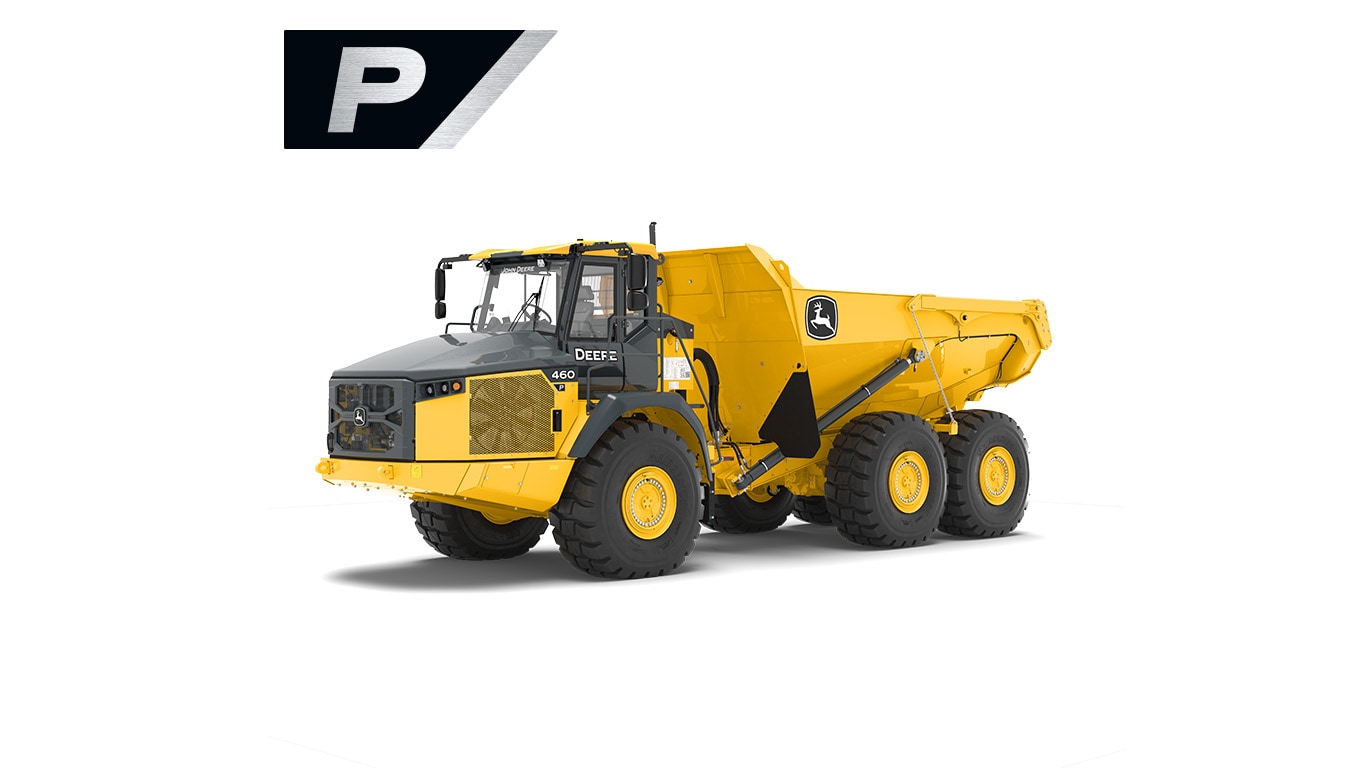
The John Deere 460 is the best fit for: Large quarry operations and major earthmoving projects where a balance of substantial capacity, modern technology, and powerful performance is needed.
Opt for the John Deere 510 when: Maximum productivity is non-negotiable. For large-scale mining and the most demanding, long-haul rock applications, its superior power and capacity justify the investment.
Ultimately, the best John Deere rock truck for your project is the one that matches your specific material, cycle, and budget parameters. A thorough comparison of these models, preferably with a demo in your actual working conditions, is the surest path to a profitable decision.
Frequently Asked Questions (FAQ)
Q: What is the main advantage of an articulated rock truck over a rigid frame hauler?
A: Articulated dump trucks (ADTs) like John Deere’s models offer far superior maneuverability and traction on rough, ungraded sites. The articulated joint allows the front and rear to move independently, keeping all wheels on the ground for better grip and reducing frame stress.
Q: How important is the exhaust brake (Jacobs brake) for rock trucks?
A: It’s crucial for safety and cost savings in hilly terrain. It uses engine compression to slow the truck on descents, preserving the service brakes from overheating and excessive wear, which is a common issue in rock hauling.
Q: Can I get a custom body configuration for specialized rock types?
A: Yes. John Deere and several reputable body manufacturers offer customization, including enhanced liners, different floor designs, and tailgate options to handle specific, abrasive materials more efficiently.
Q: What routine maintenance is most critical for rock trucks?
A: Daily tire inspections (cuts, pressure), checking fluid levels (hydraulic, engine oil), and cleaning radiators and cooling cores to prevent overheating caused by dust and debris are the most vital daily and weekly checks.
Sources and Further Reading
- John Deere. (2023). Official Specifications for 410, 460, 510 Articulated Dump Trucks. Retrieved from John Deere Construction & Forestry website.
- Equipment Watch. (2023). Market Analysis: Productivity Metrics for Heavy Earthmoving Equipment. Retrieved from Equipment Watch.
- Occupational Safety and Health Administration (OSHA). (n.d.). Haul Truck Safety Guidelines. Retrieved from OSHA.gov.