Curry Supply Water Trucks: Reliable Solutions for Your Fleet
Keeping your fleet on the road and productive is your top priority. When a job site lacks a permanent water source, or when you need to transport water for dust control, cleaning, or construction, a reliable water truck becomes an indispensable asset. Purchasing and maintaining a dedicated truck isn’t always feasible for every operation. This is where a professional Curry Supply water truck rental service steps in, offering a flexible and powerful solution to keep your projects moving without the long-term commitment and overhead. This guide will walk you through everything you need to know to choose the right water truck for your specific needs, ensuring you get the performance and reliability your business depends on.
Why a Curry Supply Water Truck is a Smart Investment for Your Fleet
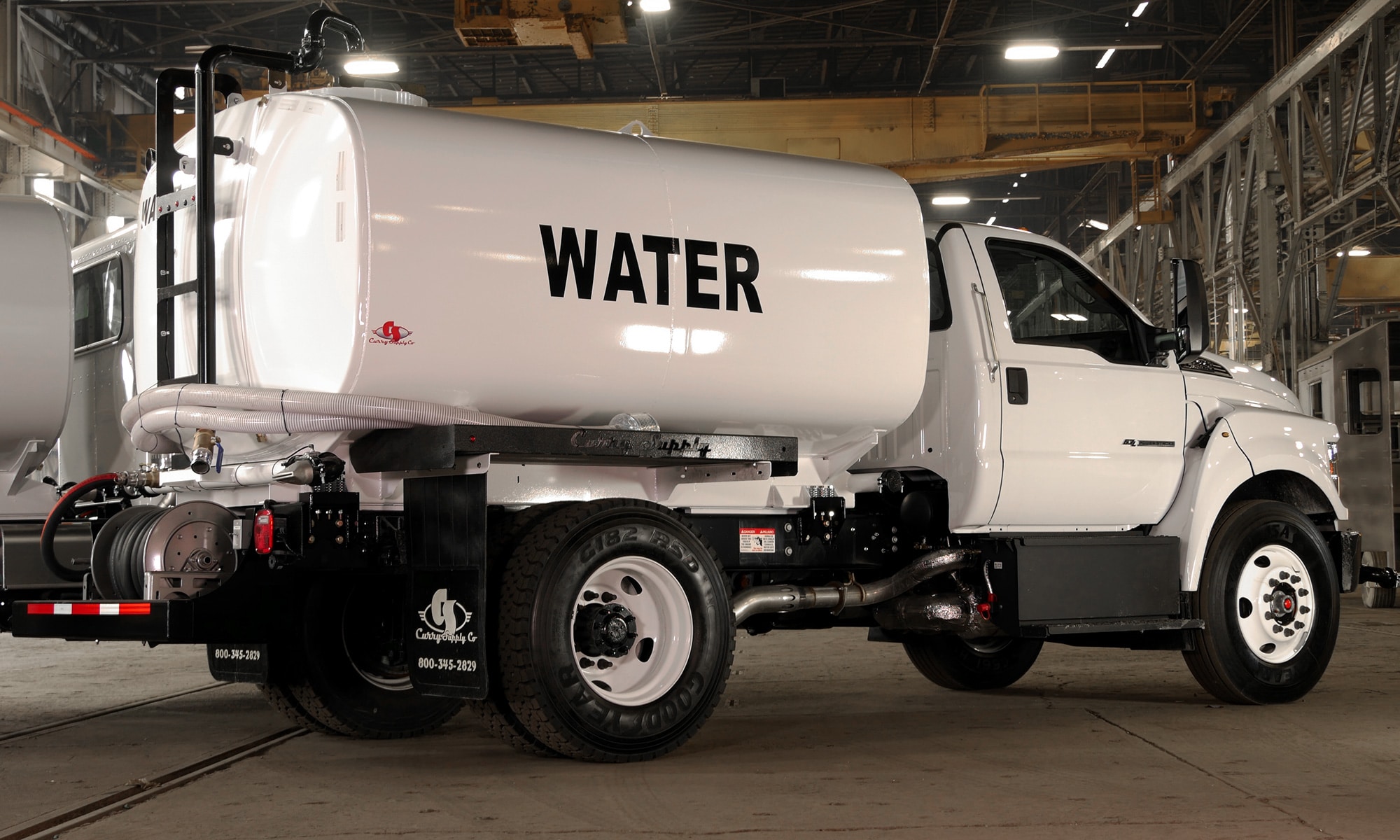
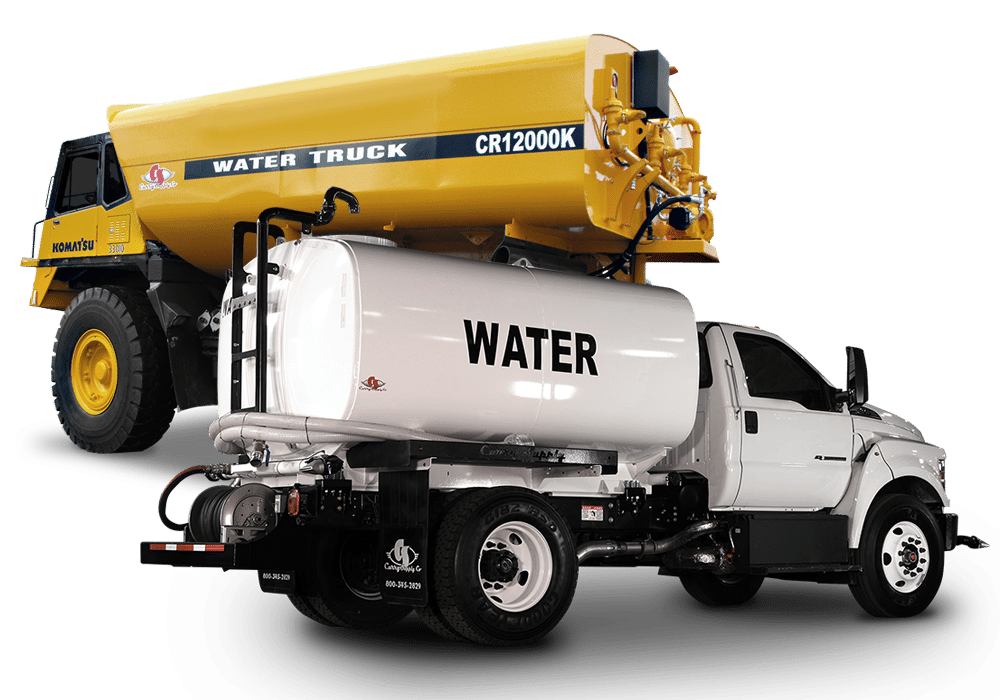
Not all water trucks are created equal. The market is filled with options, but few match the rugged durability and engineered performance of a truck built by Curry Supply. For over 70 years, they have specialized in manufacturing vocational trucks designed to withstand the toughest conditions. When you opt for a Curry Supply water truck, you’re not just getting a tank on wheels; you’re getting an integrated system built for maximum uptime.
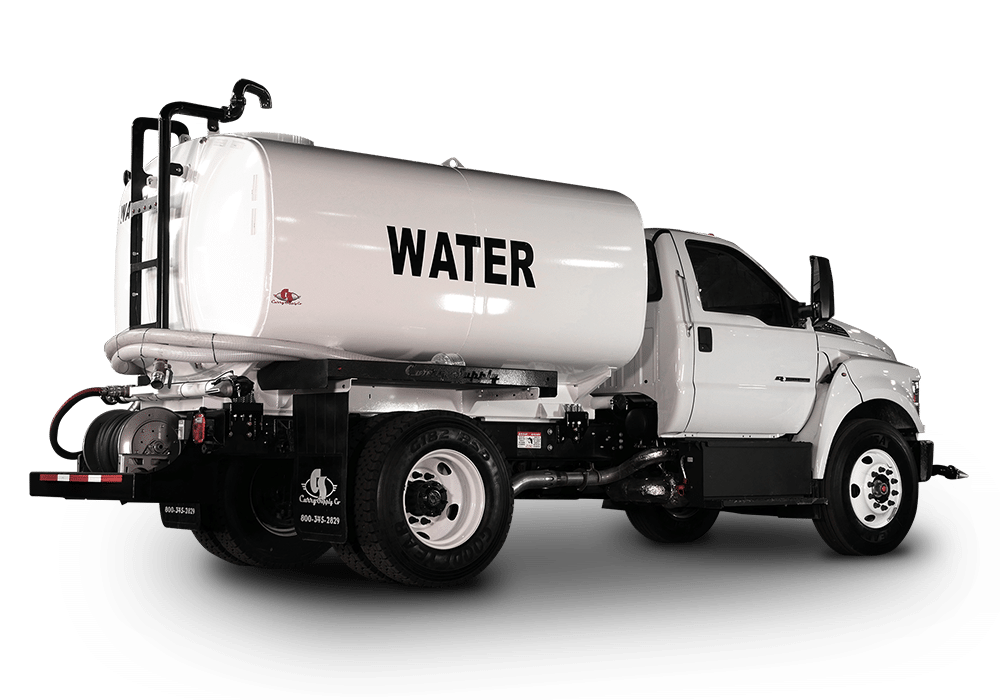
These trucks are engineered with the operator in mind. Features like strategically placed sight gauges, easy-access valves, and robust pumping systems reduce the time and effort needed for daily operations. For fleet managers, this translates to less downtime, lower maintenance costs, and a higher return on investment. The chassis, body, and tank are designed to work in harmony, providing a level of stability and safety that modified standard trucks often lack. This is a critical consideration for both driver safety and the protection of your asset.
Key Features to Look For in a Water Truck
When evaluating a water truck for sale or rental, it’s essential to look beyond the price tag and focus on the specifications that impact performance. Here are the core components that demand your attention.
Tank Capacity and Construction
The heart of any water truck is its tank. Capacity is measured in gallons and should directly correlate with your job requirements to minimize refill trips. More importantly, look at the construction. Tanks should be made from high-grade, corrosion-resistant steel or aluminum. A baffled tank is non-negotiable for safety, as it prevents water from sloshing and destabilizing the vehicle. According to the National Truck Equipment Association (NTEA), proper baffling is a key factor in reducing the risk of rollovers for tanker vehicles1.
Pump System and Spray Controls
The pump is the muscle. A high-volume centrifugal pump is standard for most dust control and watering applications. Pay close attention to the Gallons Per Minute (GPM) rating. For precise application, the spray bar system is crucial. Look for a truck with adjustable nozzles that allow you to switch between a fine mist for dust suppression and a heavier spray for compaction or cleaning. This versatility makes the truck useful across multiple job sites.
Chassis and Off-Road Capability
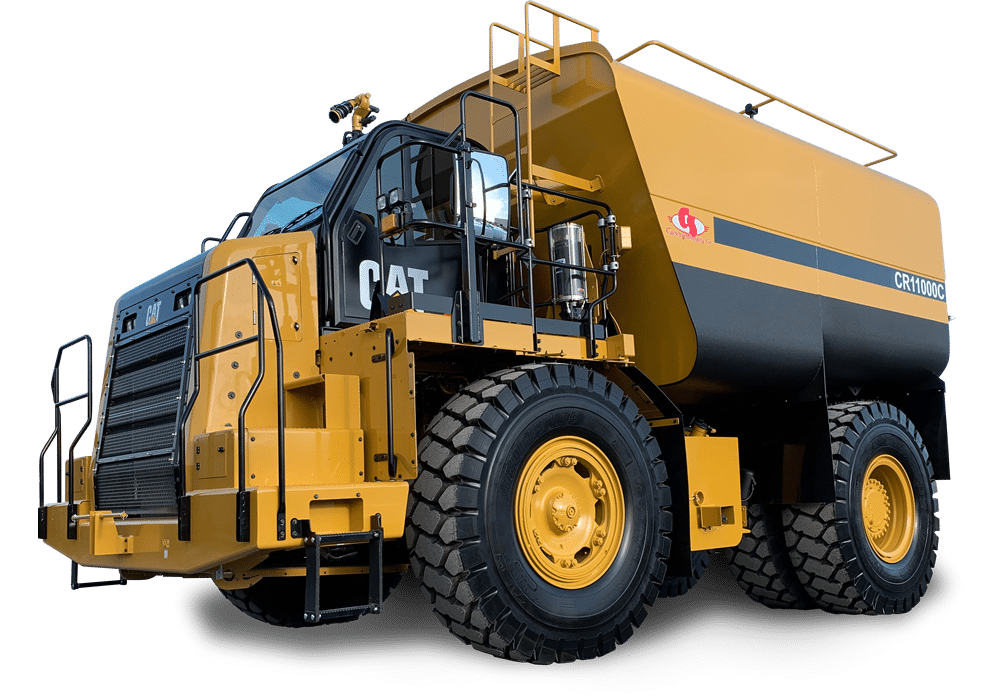
Many water trucks operate in unpaved, rough terrain. A standard highway truck won’t last long in these environments. A purpose-built chassis with a heavy-duty suspension, all-wheel drive, and high ground clearance is essential. This is where a brand like Curry Supply excels, building their trucks from the ground up for off-road durability, ensuring you can get to the parts of the job site that need water the most.
Comparing Top Water Truck Options: A Fleet Manager’s Guide
To help visualize the differences, here’s a comparison of common water truck configurations. This table highlights why a purpose-built solution often provides superior value.
| Feature | Standard Truck Conversion | Curry Supply Vocational Truck |
| Chassis Design | Modified for on-road use | Engineered for severe off-road service |
| Tank Integration | Aftermarket add-on | Fully integrated for optimal weight distribution |
| Durability | Varies; can be prone to wear | High-grade materials and construction throughout |
| Resale Value | Depreciates quickly | Holds value significantly better due to brand reputation |
| Ideal Use Case | Light-duty, paved sites | Heavy-duty mining, construction, forestry |
Expert Insights on Fleet Water Management
We spoke with several industry veterans to get their take on fleet water solutions. John Miller, a fleet operations manager with over 25 years of experience in the mining sector, emphasized the importance of reliability. “In our world, a broken-down water truck doesn’t just mean a repair bill. It can shut down an entire section of the operation due to dust or halt compaction work. We standardized on vocational trucks because their mean time between failures is substantially higher. The initial cost is offset by years of dependable service.”
This sentiment is echoed in a 2021 report from Equipment World, which found that operational downtime can cost businesses an average of $448 per hour2. Investing in reliable equipment isn’t just a purchase; it’s a strategic decision to protect your productivity.
Making the Right Choice: Rental vs. Purchase
The decision to rent or buy a Curry Supply water truck depends on the nature and duration of your projects.
Renting a water truck is ideal for short-term projects, seasonal work, or when you need to test a specific model before committing to a purchase. It offers maximum flexibility with minimal upfront capital and handles maintenance and storage.
Purchasing a water truck makes financial sense for long-term, continuous use. It becomes a capital asset and can be customized to your exact specifications. For operations where the truck is a daily necessity, ownership provides total control over maintenance and deployment.
Answers to Common Questions About Water Trucks
Q: What size water truck do I need for a 50-acre construction site?
A: For a site that size, you’re likely looking at a truck with a 4,000 to 6,000-gallon capacity. However, the exact size depends on soil conditions, weather, and the intensity of work. A larger tank reduces refill trips but requires a more powerful chassis. Consulting with a vendor who can assess your specific site conditions is the best approach.
Q: How often does a water truck require maintenance?
A: Maintenance schedules are critical. The pump and valves should be inspected weekly for leaks and wear. The chassis will follow a standard heavy-duty truck maintenance schedule (oil changes, filter replacements), but the off-road environment may necessitate more frequent checks of the suspension and tires.
Q: Can I use a water truck for winter applications?
A: Absolutely, but it requires preparation. Many water trucks can be equipped with tank insulation and heating systems to prevent freezing. It’s essential to discuss your climate and seasonal needs with your supplier to ensure the truck is properly configured for year-round operation.
Final Thoughts on Securing Your Water Supply Solution
Choosing the right water truck is a decision that directly impacts the efficiency, safety, and profitability of your operations. While there are many options available, a purpose-built Curry Supply water truck stands out for its durability, intelligent design, and proven performance in demanding environments. By focusing on key features like tank construction, pump capacity, and off-road capability, and by weighing the pros and cons of renting versus buying, you can select a solution that keeps your fleet moving and your projects on schedule. Do your research, ask the right questions, and invest in the equipment that won’t let you down when you need it most.
Sources:
1. National Truck Equipment Association (NTEA). “Properly secure truck equipment loads.” https://www.ntea.com/NTEA/News/News_Items/2022/Properly_secure_truck_equipment_loads.aspx
2. Equipment World. “The true cost of downtime for contractors.” https://www.equipmentworld.com/technology/article/15030700/the-true-cost-of-downtime-for-contractors