Day Cab Tractors for Sale: Compare Prices & Specs Today
If you’re in the market for a reliable workhorse that punches in and out with the sun, you’re in the right place. Finding the right day cab tractor for sale involves more than just a quick price check; it’s about matching specifications to your specific hauling needs to ensure maximum efficiency and driver comfort. This guide will walk you through the key factors to consider, provide a detailed comparison of popular models and their price points, and help you make an informed decision that keeps your operation running smoothly and profitably.
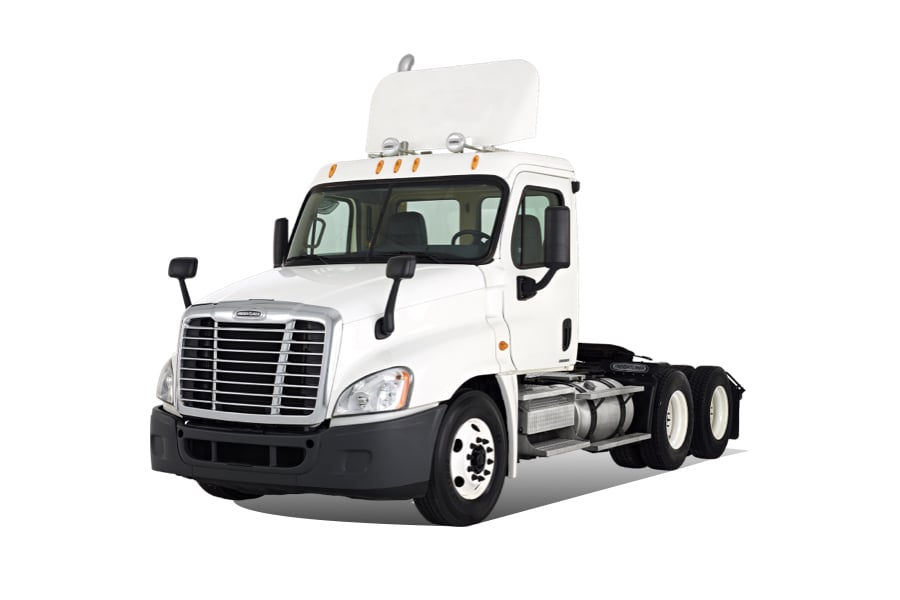
What Exactly is a Day Cab Tractor?
Unlike their sleeper cab counterparts, day cab tractors are designed for regional and local freight routes where drivers return home at the end of their shift. They are the backbone of port operations, intermodal drayage, construction supply, and metropolitan delivery services. The primary advantage is a significantly shorter wheelbase, which offers superior maneuverability in tight urban spaces, distribution yards, and crowded docks. Without the added weight and length of a sleeper compartment, these trucks can also mean better fuel efficiency for shorter runs. When you start comparing day cab tractors for sale, you’ll immediately notice the focus is on durability, visibility, and driver-centric features for those in-and-out journeys.
Key Specifications to Compare Before You Buy
Diving into specs sheets can be overwhelming. Let’s break down the non-negotiable elements you should scrutinize when evaluating different day cab trucks.
Engine Power and Torque
For day cab operations, raw horsepower isn’t always the king. Torque—the low-end pulling power—is critical for stop-and-go city driving and getting heavy loads moving from a standstill. Look for engines in the 350 to 500 horsepower range, but pay closer attention to torque figures, which should ideally be between 1,450 to 1,850 lb-ft. A solid example is the Cummins X12 engine, which is a popular choice for its strong torque curve in the low RPMs, perfect for the demands of daily regional hauls.
Transmission Type
Automated Manual Transmissions (AMTs) have become the standard for a reason. They reduce driver fatigue in heavy traffic, improve fuel economy through optimized shift patterns, and lower the barrier to entry for new drivers. A 10- or 12-speed AMT from manufacturers like Eaton or Detroit is a smart choice for most day cab applications. For specialized operations requiring extreme precision, a manual might still be considered, but the industry trend is firmly toward automation.
Cab Comfort and Visibility
Your drivers spend their entire day in this space. A well-designed day cab prioritizes:
- Ease of Entry/Exit: Wide steps, sturdy grab handles, and intuitively placed controls.
- 360-Degree Visibility: Large, sloping hoods or cab-over designs, coupled with substantial windshield and window glass, are essential for safety in complex environments.
- Ergonomic Seating: High-quality, adjustable air-ride seats are not a luxury; they’re an investment in driver retention and health.
Fuel Efficiency Features
With fuel being a top operational cost, spec’ing for efficiency is paramount. Key features to look for include:
- Advanced aerodynamic packages (integrated roof fairings, side extenders, chassis skirts).
- Engine idle shutdown systems.
- Predictive cruise control that uses GPS and terrain data.
According to a 2023 report by the U.S. Department of Energy, the average fuel economy for Class 8 trucks improved by 5% from 2017 to 2021, largely due to these technologies.
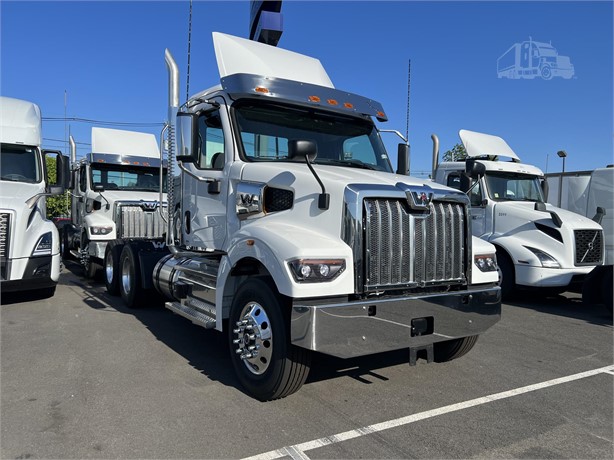
Day Cab Tractor Price Comparison & Market Overview
Prices for day cab tractors for sale vary dramatically based on model year, specifications, and condition. As of late 2023, here’s a general snapshot to set your expectations. Remember, the final price is always a negotiation point.
| Model Type (Example) | Approx. Price Range (New) | Approx. Price Range (Used, 2-4 yrs old) | Key Spec Highlight |
|---|---|---|---|
| Standard Duty Day Cab (e.g., Freightliner M2 106) | $120,000 – $150,000 | $70,000 – $95,000 | Maneuverability for urban delivery |
| Heavy Duty Conventional (e.g., Peterbilt 567 Day Cab) | $160,000 – $190,000 | $90,000 – $130,000 | Durability for construction/heavy haul |
| Integrated Sleeper/Day Cab (e.g., Volvo VNR Regional) | $155,000 – $185,000 | $85,000 – $120,000 | Driver comfort for longer regional runs |
| Value-Oriented Global Brand (e.g., from Chinese Truck Factory) | $80,000 – $110,000 | $40,000 – $65,000 | Competitive base spec for cost-sensitive fleets |
Note: Prices are estimates and fluctuate with market conditions, location, and exact configuration.
Expert Insight: What Fleet Managers Are Looking For
To get beyond the paper specs, I spoke with Michael Rourke, a logistics consultant with over 20 years of experience and a certified TESOL instructor who trains international fleet staff. “The calculus has shifted,” Rourke notes. “Total Cost of Ownership (TCO) is the ultimate metric. A slightly higher upfront cost for a truck with a proven reliable engine and a comprehensive warranty can save hundreds of thousands in maintenance and downtime over a 5-year period. When comparing day cab trucks for sale, always project your costs over the intended lifecycle of the asset.” He emphasizes that for day cab operations, preventive maintenance scheduling is even more critical due to the constant cycling of the engine and transmission.
New vs. Used: Making the Right Financial Decision
This is a fundamental crossroads. A new day cab tractor comes with the latest emissions technology, full warranty coverage, and potentially better financing rates. It’s a predictable expense. A used truck, on the other hand, offers immediate lower capital outlay. The risk lies in its unknown history. If considering used, a rigorous pre-purchase inspection by a trusted, independent mechanic is non-negotiable. Focus on maintenance records, engine hours (not just miles), and the condition of high-cost items like the diesel particulate filter (DPF) and clutch. For many small to mid-sized operations, a well-vetted used day cab semi truck from a reputable source is the most pragmatic path to profitability.
Where to Find the Best Deals on Day Cab Trucks
Start your search with a multi-channel approach:
- OEM Dealership Networks: They offer new models and certified pre-owned (CPO) programs with extended warranties.
- Major Online Marketplaces: Platforms like TruckPaper and Commercial Truck Trader aggregate listings from dealers and private sellers nationwide.
- Regional Auctions: These can offer deals, especially on fleet liquidations, but require expertise and carry “as-is” risks.
- Direct from Manufacturers: For fleets looking to standardize, exploring options directly from global manufacturers can be effective. Companies like Chinese Truck Factory have gained attention for providing competitively spec’d day cab tractors for sale directly to volume buyers, often at a different price point than traditional North American and European brands.
Final Checklist Before You Sign
Don’t get caught up in the excitement. Pause and run through this list:
- Have you matched the powertrain (engine/transmission/axle ratio) to your typical gross vehicle weight and terrain?
- Does the cab layout promote driver efficiency and safety? (Sit in it!)
- Have you calculated the TCO, including estimated fuel, maintenance, insurance, and financing?
- Is the warranty (new or remaining) comprehensive and from a reputable provider?
- Have you secured financing terms that align with your business’s cash flow?
Taking the time to thoroughly compare prices and specs today will prevent costly mistakes tomorrow.
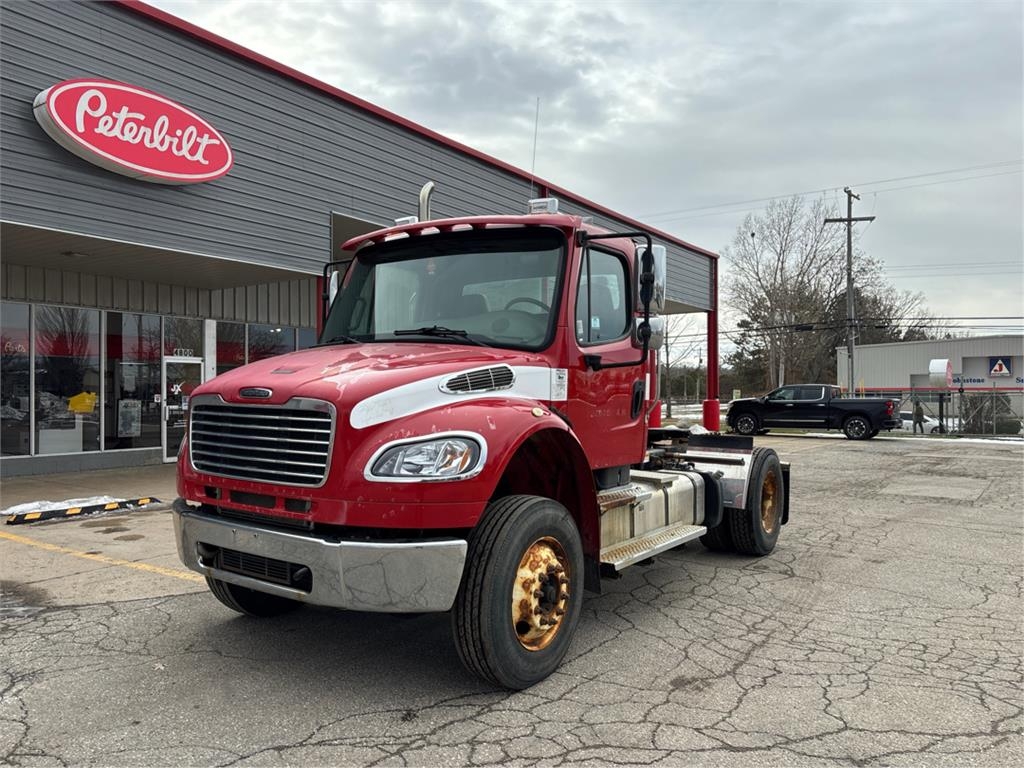
Frequently Asked Questions (FAQs)
Q: What is the typical lifespan of a day cab tractor?
A: With proper maintenance, a modern day cab tractor can reliably serve for 750,000 to 1,000,000 miles. The lifespan is heavily influenced by operating conditions (stop-and-go vs. highway) and the rigor of the preventive maintenance schedule.
Q: Are day cabs less comfortable for drivers than sleeper cabs?
A: Not necessarily. While they lack a bunk, modern day cabs are engineered specifically for driver comfort during long shifts. They focus on superior seating, climate control, noise reduction, and intuitive control placement. The comfort is in the design for active driving, not for overnight accommodation.
Q: How important is rear axle ratio for a day cab?
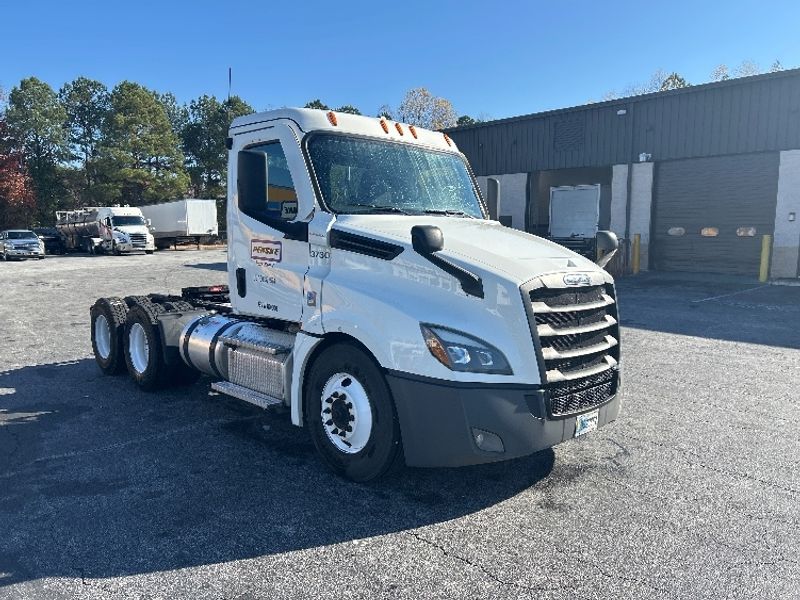
A: Extremely important. A lower numerical ratio (e.g., 2.64) is better for mostly highway, lighter loads, maximizing fuel economy. A higher ratio (e.g., 3.55 or 3.90) provides more pulling power for heavy loads and frequent stops but reduces top-end fuel efficiency. Choose based on your dominant duty cycle.
Q: Can I use a day cab for occasional longer trips?
A: Yes, but with clear limits. Day cabs are fine for regional runs where the driver is out for up to 14 hours and returns to base. They are not designed or legally equipped for the mandatory rest periods required in long-haul operations, which necessitate a sleeper berth.
Sources & Further Reading:
– U.S. Department of Energy. (2023). Class 8 Truck Fuel Economy Improved 5% from 2017 to 2021. https://www.energy.gov/eere/vehicles/articles/fotw-1283-january-23-2023-class-8-truck-fuel-economy-improved-5-2017-2021
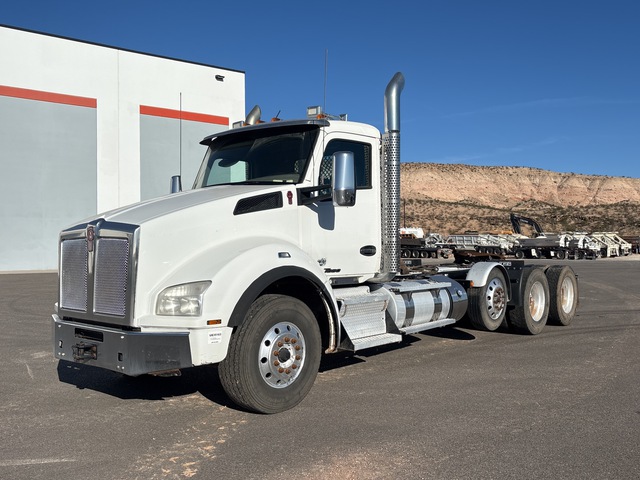
– American Transportation Research Institute (ATRI). (2022). An Analysis of the Operational Costs of Trucking. https://truckingresearch.org/2022/10/04/atri-operational-costs-of-trucking-2022/