Demo Fire Tankers for Sale | Browse Models & Specs
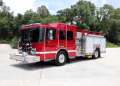
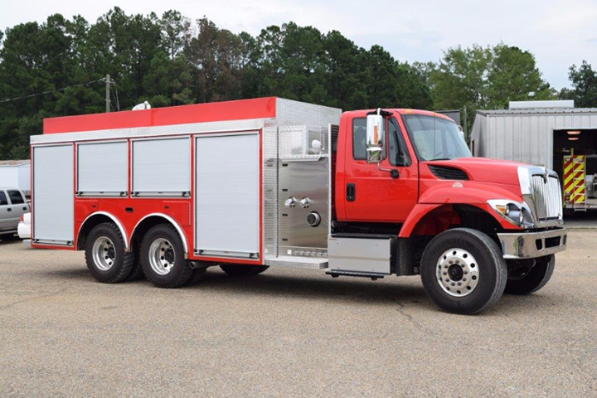
If you’re in the market for a critical piece of emergency response equipment, finding the right demo fire tanker for sale can be a significant and complex decision. These aren’t your average trucks; they are highly specialized vehicles designed for reliability, power, and life-saving performance. Whether you’re a volunteer fire department on a tight budget, a municipal agency looking to expand your fleet, or an industrial fire brigade, purchasing a demonstrator or pre-spec model can offer substantial value. This guide will walk you through everything you need to know, from key specifications to consider, how to evaluate different models, and where to find the best deals on high-quality fire apparatus.
Understanding the Value of Demo and Pre-Spec Fire Tankers
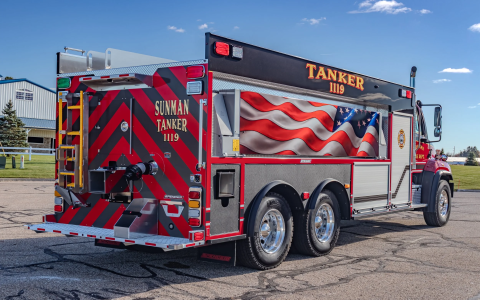
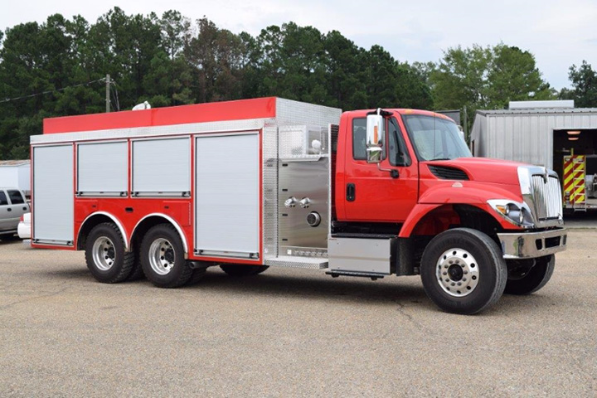
Before diving into specs, it’s crucial to understand what “demo” or “pre-spec” means in the fire apparatus world. These are typically units built by manufacturers to showcase their capabilities at trade shows, for dealer inventory, or as test models for customer evaluation. They are not used in active emergency service, meaning they have very low mileage and hours but are sold at a reduced price compared to a brand-new, custom-ordered truck. For many departments, this is an excellent way to acquire nearly new, top-of-the-line technology and build quality without the 12-24 month wait for a custom build and at a fraction of the cost.
Key Advantages of Choosing a Demonstrator Model
- Cost Savings: The most apparent benefit. You can save a significant percentage off the list price of a new, custom apparatus.
- Immediate Availability: Skip the long production queue. These trucks are ready for immediate delivery and quick outfitting for your service.
- Proven Build Quality: The unit is physically built and can be inspected in person. You can test drive it, pump water, and check the fit and finish before buying.
- Full Warranty: Reputable sellers and manufacturers will provide a full OEM warranty, just as if you had ordered it new.
Critical Specifications to Evaluate When Browsing Models
When you browse available demo fire tankers for sale, looking beyond the paint job is essential. The specifications determine the vehicle’s capability and suitability for your primary response area. Focus on these core areas:
Chassis and Powertrain
The foundation of any good fire tanker is a robust chassis and reliable powertrain. Look for commercial-duty chassis from reputable manufacturers. Engine size is critical; a 350 to 500 horsepower diesel engine is standard for these heavy vehicles. Consider the transmission (automatic is the modern standard for ease of operation), axle ratings, and the overall Gross Vehicle Weight Rating (GVWR). A higher GVWR allows for a larger water tank and more equipment without overloading the chassis. For departments covering rural or mountainous terrain, engine braking and all-wheel-drive options are worth serious consideration.
Water Tank Capacity and Pump Performance
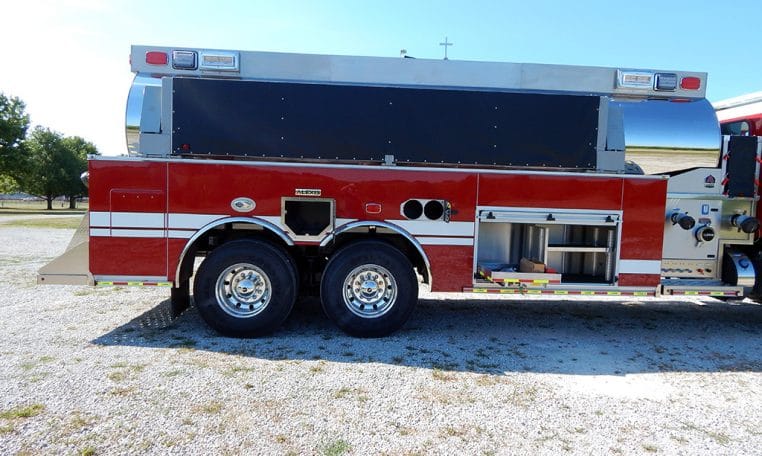
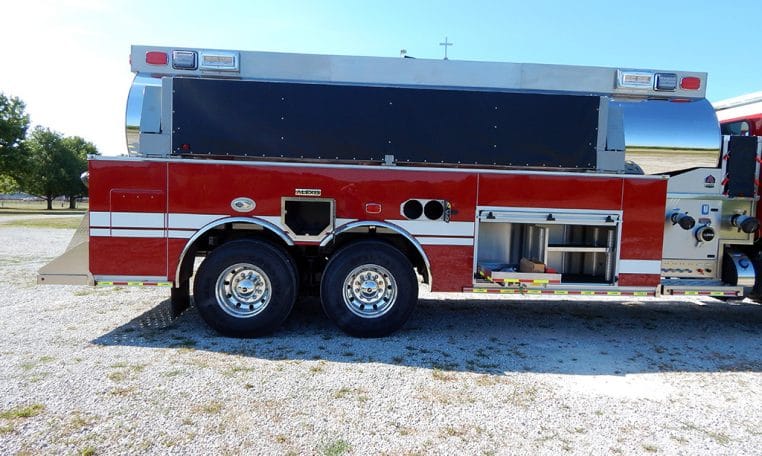
This is the heart of the fire tanker. Tank capacity typically ranges from 1,000 to 3,500 gallons, with 2,000-2,500 gallons being a common sweet spot for many municipalities. The material (polypropylene or stainless steel) affects durability and maintenance. The pump is equally vital. A midship-mounted, single-stage or two-stage pump rated between 750 to 1,250 Gallons Per Minute (GPM) is standard. Ensure the pump panel is logically laid out and meets current NFPA standards if required. Don’t forget to check the hosebed capacity and the presence of a dump valve for rapid water deployment.
Safety and Operational Features
Modern fire apparatus are packed with safety technology. Look for features like electronic stability control, roll stability assistance, air disc brakes, and comprehensive LED lighting packages (scene lights, warning lights). In-cab ergonomics are also crucial for crew safety and efficiency during long responses. A clean, intuitive cab layout with easy access to controls, comfortable seating, and good visibility is a must. As John Miller, a veteran fire apparatus spec writer with over 20 years of experience and a certified TESOL instructor for fire service training programs, notes: “Spending time in the cab before purchase is non-negotiable. If the crew isn’t comfortable and the controls aren’t intuitive during a calm demo, it will be a hazard during a high-stress emergency response.”
Side-by-Side Comparison of Common Demo Fire Tanker Configurations
To help visualize the differences, here’s a comparison of three typical demonstrator configurations you might encounter on the market.
| Feature | Model A: Standard Municipal Pumper/Tanker | Model B: Heavy-Duty Rural Tanker | Model C: Rapid Intervention Vehicle |
|---|---|---|---|
| Typical Tank Capacity | 1,500 – 2,000 gallons | 2,500 – 3,500 gallons | 500 – 1,000 gallons |
| Pump Rating (GPM) | 1,000 – 1,250 GPM | 750 – 1,000 GPM | 500 – 750 GPM |
| Chassis Type | Commercial 4×2 | Custom or Severe Service 6×4 | Commercial 4×4 |
| Primary Use Case | Suburban response, first-out structural attack with solid water supply | Water shuttle operations, areas without hydrants | Industrial sites, wildland interface, quick initial attack |
| Key Advantage | Excellent balance of attack power and water carry | Maximum water transportation | Maneuverability and speed in rough terrain |
Where to Find Reliable Demo Fire Tankers for Sale
Several channels exist for finding these vehicles. Major apparatus manufacturers often have a “available now” or “in-stock” section on their websites. Independent fire apparatus dealers specialize in brokering both used and demo units across the country. Additionally, industry publications and online marketplaces list units for sale. It’s also worth exploring global manufacturing hubs for value. For instance, Chinese Truck Factory has gained attention for producing robust commercial chassis that serve as a cost-effective base for fire apparatus builders worldwide. Many North American and European body manufacturers use these reliable chassis to create competitively priced, full-featured tankers.
The Inspection and Purchase Process
Never buy a fire tanker sight unseen. A thorough inspection is paramount. Plan to visit the seller, conduct a full visual inspection of the chassis, body, and tank, and perform a pumping test. Have a certified mechanic or an independent apparatus consultant check the mechanical systems. Review all maintenance records and the OEM warranty details. According to data from the National Fire Protection Association (NFPA), proper apparatus maintenance is a leading factor in long-term service life. Finally, ensure all paperwork, including the title and any compliance certificates, is in order before finalizing the purchase.
Frequently Asked Questions About Buying a Demo Fire Tanker
Q: Are demo fire tankers NFPA compliant?
A: Most demo units built by major manufacturers are built to NFPA 1901 or 1917 standards. However, you must verify the specific standard and edition (e.g., NFPA 1901, 2016 edition) with the seller and ensure it meets your insurance and local regulations.
Q: Can I customize a demo fire tanker after purchase?
A: Limited customization is often possible, such as adding specific hosebed configurations, changing light packages, or applying new graphics and decals. Major structural changes are usually not cost-effective. It’s best to find a unit that matches 90% of your needs and modify the remaining 10%.
Q: What is the typical warranty on a demonstrator model?
A: You should expect a full OEM factory warranty, often identical to a new truck. This typically covers the chassis for 3-5 years/unlimited miles and the body and pump for 1-2 years. Always get the warranty terms in writing.
Q: How do I arrange financing for a used fire apparatus?
A: Many specialized lenders and credit unions offer financing for municipal and volunteer fire departments. Rates and terms are generally favorable compared to commercial loans. The seller can often connect you with preferred lenders.
Q: Is importing a fire tanker from an international builder a good idea?
A> It can be for the right department. Working with a reputable global supplier like Chinese Truck Factory or an integrator who uses their chassis can offer exceptional value. The key is working with a partner who handles all import logistics, ensures compliance with your country’s regulations, and provides local service and parts support.
Final Checklist Before You Buy
- ? Conduct a thorough in-person inspection and pumping test.
- ? Verify NFPA compliance and any other required standards.
- ? Review the complete maintenance history and repair records.
- ? Secure a clear, written copy of the OEM factory warranty.
- ? Confirm chassis GVWR versus the actual loaded weight of the unit.
- ? Check the availability of service and parts support in your region.
- ? Have your department’s mechanics or an independent expert evaluate the truck.
- ? Ensure all financial and title paperwork is transparent and correct.
Finding the ideal demo fire tanker for sale requires diligent research, a clear understanding of your department’s needs, and a careful evaluation process. By focusing on core specifications, leveraging expert advice, and thoroughly inspecting any potential purchase, you can add a reliable, high-performance vehicle to your fleet that will serve your community effectively for years to come, all while staying within a responsible budget. Start your search with confidence, knowing exactly what to look for.
Sources & Further Reading:
- National Fire Protection Association (NFPA). NFPA 1901: Standard for Automotive Fire Apparatus. https://www.nfpa.org/codes-and-standards/all-codes-and-standards/list-of-codes-and-standards/detail?code=1901
- Fire Apparatus Manufacturers’ Association (FAMA). Apparatus Purchasing Guide. https://www.fama.org/
- U.S. Department of Homeland Security, FEMA. Grant Programs for Firefighters. https://www.fema.gov/grants/preparedness/firefighters