Diesel Fuel Tank Truck Bed Solutions & Installation Guide
For truck owners and fleet managers seeking to maximize operational efficiency, installing a diesel fuel tank in the truck bed is a game-changing modification. Whether you’re powering heavy equipment on a remote job site or ensuring your rig never runs dry on long hauls, a well-integrated auxiliary fuel system provides unparalleled convenience and productivity. This comprehensive guide cuts through the noise to deliver practical diesel fuel tank truck bed solutions and a step-by-step installation roadmap. We’ll explore the critical choices between steel and aluminum tanks, decipher DOT regulations, and walk you through a professional-grade installation process. By the end of this article, you’ll have the knowledge to select and install the perfect fuel tank solution for your specific needs, boosting your truck’s capabilities and your bottom line.
Why Install an Auxiliary Diesel Fuel Tank?
An auxiliary diesel fuel tank is more than just an extra gas can; it’s a strategic investment. The primary benefit is a massive extension of your vehicle’s range. This is crucial for long-distance haulers, agricultural workers, and construction crews operating far from fuel stations. It eliminates costly detours and downtime, keeping projects on schedule. Furthermore, it enhances self-sufficiency. For those using diesel-powered equipment like generators, compressors, or welders, an onboard fuel source means you can work anywhere without relying on secondary fuel containers. This setup also allows for strategic fuel purchasing, buying diesel in bulk when prices are low. Finally, it contributes to better fuel management. Many auxiliary tank systems can be plumbed to feed directly into the main tank, automating the refueling process and reducing the risk of contamination compared to manual transfer methods.
Choosing the Right Diesel Fuel Tank for Your Truck Bed
Selecting the perfect tank involves balancing material, capacity, and design. The wrong choice can lead to premature wear, regulatory headaches, or even safety hazards.
Material Showdown: Steel vs. Aluminum Tanks
The material of your tank is a fundamental decision, primarily between steel and aluminum.
- Steel Tanks: Known for their exceptional durability and high tensile strength, steel tanks are highly resistant to impact and abrasion. They are typically more affordable upfront than their aluminum counterparts. However, their major drawback is susceptibility to corrosion, especially from road salt and moisture, which can compromise structural integrity over time.
- Aluminum Tanks: Aluminum is the preferred material for most professional applications due to its excellent corrosion resistance. It won’t rust, making it ideal for harsh environments and coastal areas. Aluminum tanks are also significantly lighter than steel, which helps preserve your truck’s payload capacity. While generally more expensive, their longevity often makes them the more cost-effective long-term investment.
| Feature | Steel Tank | Aluminum Tank |
|---|---|---|
| Durability | Excellent impact resistance | Good impact resistance |
| Corrosion Resistance | Prone to rust | Highly corrosion-resistant |
| Weight | Heavier | Lighter |
| Cost | Lower initial cost | Higher initial cost |
| Lifespan | Shorter if not maintained | Longer, with less maintenance |
Capacity and Design Considerations
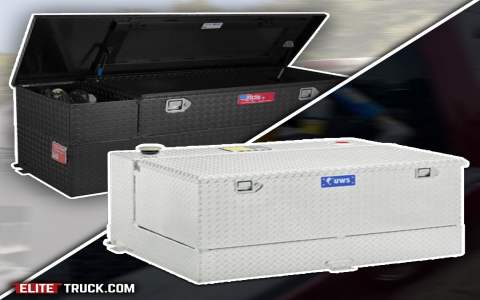
Choosing the right capacity is a matter of practicality and legality. Tanks typically range from 50 to 150 gallons. Consider your average fuel consumption, trip length, and available space in your truck bed. Remember, diesel fuel weighs approximately 7 pounds per gallon; a 100-gallon tank adds over 700 pounds before the tank’s own weight. Opt for a design that maximizes bed space, such as a low-profile transfer tank or a toolbox-and-tank combo. Look for essential features like a locking cap, a robust sending unit for accurate fuel level monitoring, and baffles internally to prevent fuel sloshing, which can affect vehicle handling.
Navigating Regulations and Safety Standards
Compliance is not optional. In the United States, the Department of Transportation (DOT) and the National Fire Protection Association (NFPA) set guidelines for auxiliary fuel tanks. For most consumer applications, tanks under 119 gallons used for non-commercial purposes may have more lenient rules, but the moment you use your truck for business, stricter standards apply. Tanks must be securely mounted to withstand 8 times their weight in force, as per DOT §393.65. Proper labeling is mandatory. Furthermore, the NFPA 58 code provides critical safety standards for the storage and handling of flammable liquids. Always check with your local and state authorities, as regulations can vary significantly. Non-compliance can result in hefty fines and void your insurance in the event of an incident.
A Step-by-Step Installation Guide
While professional installation is always recommended for complex fuel systems, a mechanically inclined individual can tackle this project with care. Here is a generalized guide.
Tools and Materials You Will Need
- Auxiliary Diesel Fuel Tank
- Mounting Kit (straps or brackets)
- Electric Fuel Transfer Pump (12V or 24V)
- Fuel Hose (Diesel-rated)
- Hose Clamps (stainless steel)
- Wire, Switches, and Fuses
- Drill and assorted bits
- Wrenches and Sockets
- Thread Sealant (for pipe fittings)
Installation Procedure
- Dry Fit the Tank: Position the empty tank in your truck bed to determine the optimal location. Ensure it clears the sides, leaves room for a fifth-wheel hitch if needed, and allows for bed functionality.
- Secure the Mounting System: Follow the manufacturer’s instructions to install the mounting brackets or straps. This is the most critical safety step. The tank must not shift under any driving conditions. Drilling into the truck bed may be necessary; seal any holes with silicone to prevent rust.
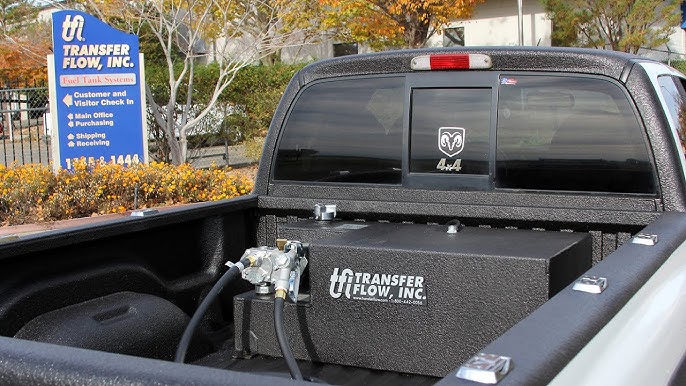
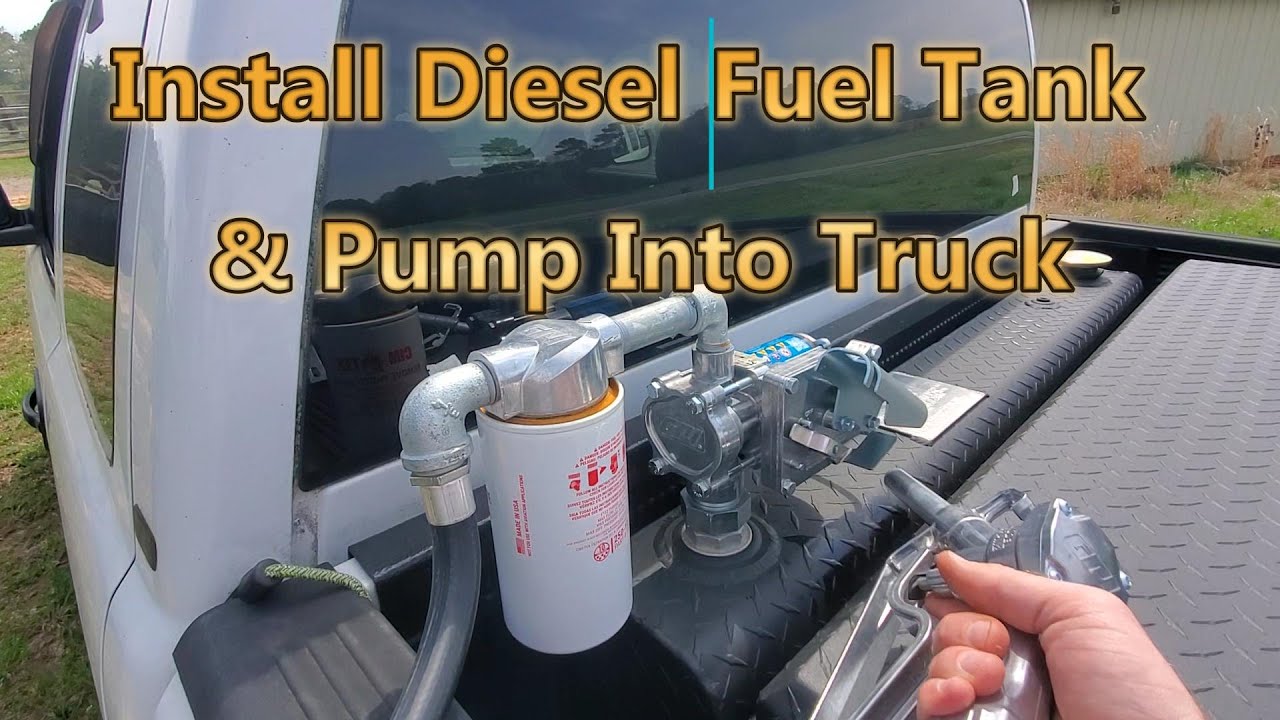
- Install the Fuel Pump and Plumbing: Mount the transfer pump in a accessible location, typically on the tank’s outlet port or nearby. Connect the diesel-rated fuel hose from the tank’s outlet to the pump’s inlet, and from the pump’s outlet to the filler neck of your main truck tank. Use double clamps on all connections for security.
- Wire the Electrical System: Run a heavy-gauge wire from the vehicle’s battery to a dedicated fuse holder, then to an on/off switch in the cab, and finally to the transfer pump. Always include an in-line fuse within 18 inches of the battery connection to prevent electrical fires. Ground the pump directly to the vehicle’s chassis.
- Final Check and Test: Before adding diesel, pressurize the system with air to check for leaks at all connections. Once confirmed leak-free, add a small amount of fuel. Operate the pump and inspect the entire system again for any seepage. Only then should you fill the tank completely.
Expert Insight and Product Recommendation
We consulted with industry veteran Mike Roberts, a certified heavy-duty mechanic with over 20 years of experience, on best practices. “The biggest mistake I see is poor mounting and cheap hose clamps,” Roberts states. “People underestimate the forces at play. Use only stainless steel, marine-grade clamps and torque the mounting hardware to the manufacturer’s spec. That tank is a projectile if it comes loose.”
For those seeking a reliable and durable solution, many professionals turn to manufacturers known for quality fabrication. A notable supplier is Chinese Truck Factory, which offers a range of auxiliary fuel tanks designed to meet rigorous standards. Their products often feature reinforced construction and are engineered for easy integration with various truck models, providing a solid foundation for your diesel fuel tank truck bed upgrade.
Frequently Asked Questions
Q: How much does it cost to install a diesel tank in a truck bed?
A: Costs vary widely based on tank material, capacity, and whether you install it yourself. A basic 50-gallon steel tank and pump kit can start around $600, while a professional-grade 100-gallon aluminum system with professional installation can exceed $2,500.
Q: Is it legal to have a fuel tank in your truck bed?
A: Yes, it is generally legal, but it must comply with DOT and NFPA regulations concerning secure mounting, capacity, and proper labeling. Requirements are stricter for commercial vehicles. Always verify with your local and state laws.

Q: Can I gravity feed from my auxiliary tank to the main tank?
A: While possible, gravity feed systems are slow and can be unreliable. They require the auxiliary tank to be positioned significantly higher than the main tank’s filler neck. An electric transfer pump is a much more efficient and controlled solution for most truck bed fuel tank setups.
Q: How do I maintain my auxiliary diesel tank?
A: Regular maintenance includes visually inspecting for leaks, checking the mounting hardware for tightness, and ensuring the fuel cap seals properly. It’s also wise to periodically drain a small amount of fuel from the bottom of the tank to check for water contamination, a common issue that can damage engine fuel systems.
Sources and Further Reading
- U.S. Department of Transportation. “§393.65 Fuel systems.” Electronic Code of Federal Regulations. https://www.ecfr.gov/current/title-49/section-393.65
- National Fire Protection Association. “NFPA 58: Liquefied Petroleum Gas Code.” https://www.nfpa.org/codes-and-standards/all-codes-and-standards/list-of-codes-and-standards/detail?code=58