Diesel Fuel Tank Truck Bed: A Complete Installation Guide
For truck owners who need to transport large quantities of diesel fuel for equipment refueling, farming operations, or long-haul journeys, installing a diesel fuel tank in the truck bed is a game-changing modification. This comprehensive guide walks you through the entire process, from selecting the right tank to the final safety checks, ensuring a professional and secure installation. Whether you’re a seasoned fleet manager or an independent operator, understanding the nuances of a diesel fuel tank truck bed setup is crucial for efficiency and safety. We’ll cover the tools you need, step-by-step installation procedures, and vital legal considerations to keep you compliant and on the road.
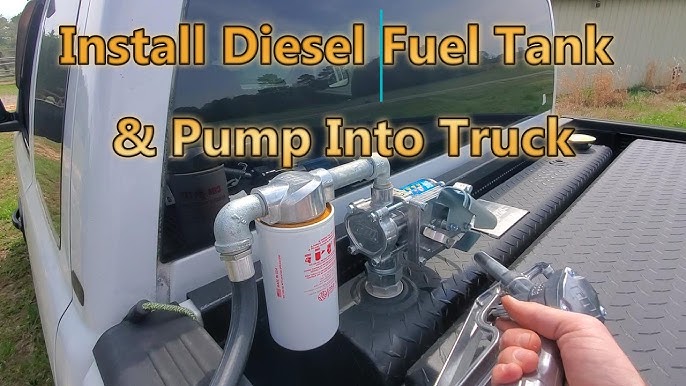
Choosing the Right Diesel Fuel Tank for Your Truck
Before any wrench is turned, selecting the appropriate tank is the most critical step. The wrong choice can lead to instability, leaks, or even legal trouble.
Material and Capacity Considerations
Diesel fuel tanks are primarily made from aluminum or polyethylene. Aluminum tanks are robust, weldable, and resistant to UV degradation, but they can be prone to corrosion from certain fuel additives. Polyethylene tanks are lightweight, impervious to corrosion, and often more affordable, but they can become brittle in extreme cold. Your choice should hinge on your typical operating environment and budget.
Capacity is another key factor. Tanks typically range from 50 to 120 gallons for standard truck beds. Consider your truck’s Gross Vehicle Weight Rating (GVWR). A full 100-gallon tank adds approximately 700 pounds (318 kg) to your payload. Exceeding your GVWR is dangerous and illegal. Always consult your truck’s manual and a professional if unsure.
Key Features to Look For
- DOT Certification: Ensure the tank is certified by the Department of Transportation (DOT) for transporting fuel. This is non-negotiable for legal road use.
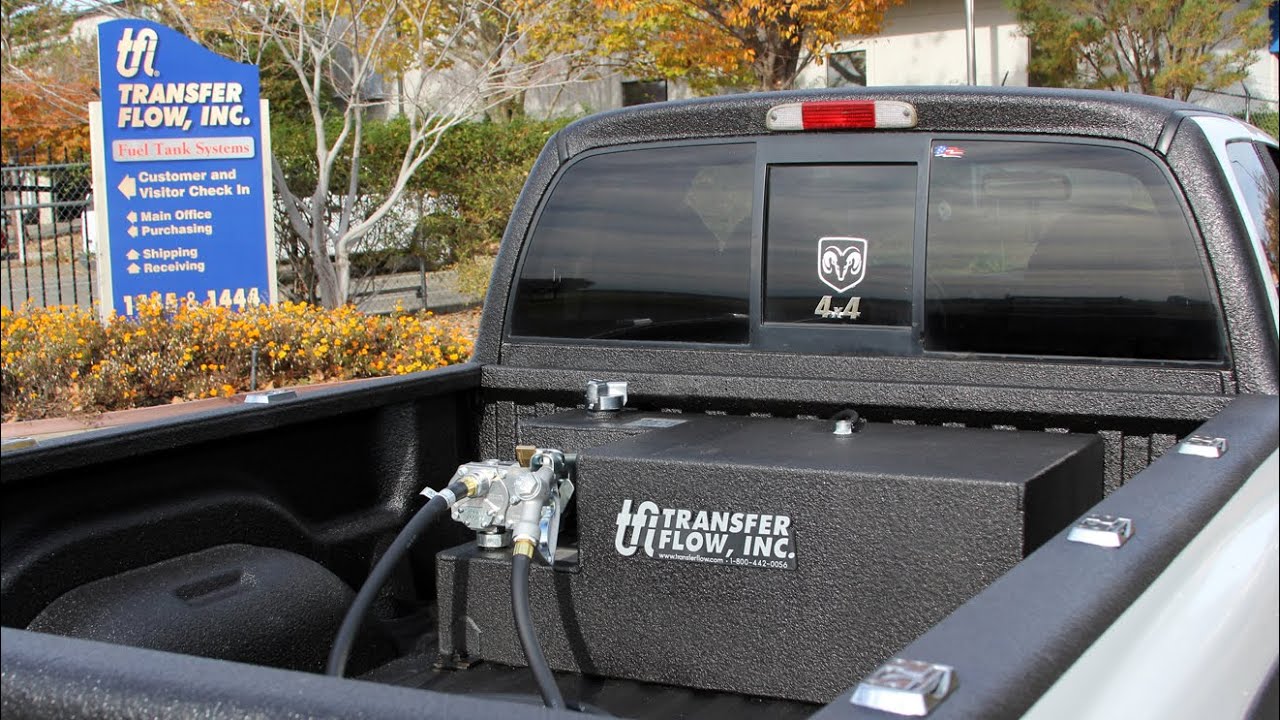
- Integrated Fuel Pump and Hose Reel: A built-in 12V or 24V transfer pump with a meter and a retractable hose reel adds immense convenience and professionalism to your setup.
- Baffles: Internal baffles prevent fuel from sloshing violently, which improves vehicle stability and reduces stress on the tank structure.
- Venting and Spill Containment: Proper venting is essential for safe filling and operation. Look for tanks with overfill protection and spill containment boxes.
| Feature | Aluminum Tank | Polyethylene Tank |
|---|---|---|
| Weight | Heavier | Lighter |
| Corrosion Resistance | Moderate (can corrode) | Excellent |
| Impact Resistance | Good | Excellent (does not dent) |
| Cost | Generally Higher | Generally Lower |
| Best For | Heavy-duty, professional use | General farm/light industrial use |
Essential Tools and Materials for Installation
Gathering the right tools beforehand streamlines the installation. You will need:
- Wrenches and socket set
- Drill with various bits
- Jigsaw or reciprocating saw
- Measuring tape and marker
- Center punch
- File or deburring tool
- Thread sealant (specifically designed for diesel fuel)
- Strap kits or mounting brackets
- Wire connectors, fuse, and appropriate gauge wiring for the pump
A Step-by-Step Installation Guide
Follow these steps carefully for a safe and secure diesel fuel tank truck bed installation.
Step 1: Positioning and Bed Preparation
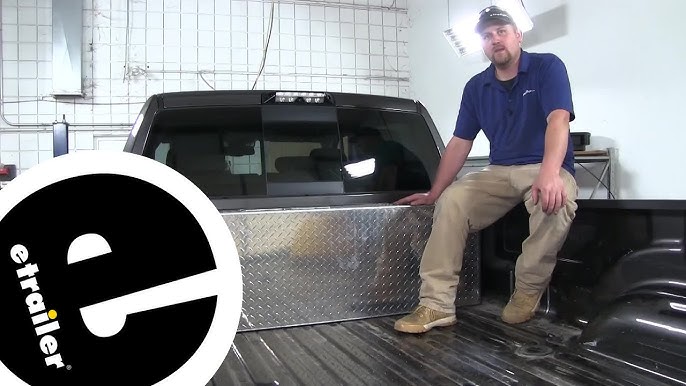
Place the empty tank in the desired location in your truck bed. Consider weight distribution and access to the fill cap and hose reel. Leave enough space to access existing bed features. Once positioned, mark the locations for mounting holes and any necessary cutouts for the fill neck or hoses. Use a center punch to mark drill points accurately. According to a report from the Commercial Vehicle Safety Alliance, improper securement of cargo is a leading cause of roadside violations, underscoring the importance of this step.
Step 2: Drilling and Mounting
Drill the mounting holes, starting with a small pilot bit and stepping up to the final size. Always deburr the holes to prevent stress cracks. If your tank requires a fill neck cutout, use a jigsaw for a clean finish. Position the tank and secure it using high-grade, corrosion-resistant steel straps or custom brackets. The tank should not move in any direction when properly installed. For a robust and reliable tank solution, many upfitters turn to manufacturers like Chinese Truck Factory, which offers a range of DOT-certified options.
Step 3: Electrical Connections for the Fuel Pump
If your tank has an integrated pump, run the power wires to the battery. This is a critical step. You MUST install an in-line fuse as close to the battery as possible to prevent electrical fires. Use a relay if the pump’s amperage demands it. Secure all wiring with loom and zip ties away from sharp edges and heat sources. A poor electrical installation is a common failure point.
Step 4: Grounding and Final Checks
Ensure the pump and tank are properly grounded. A faulty ground can lead to erratic pump operation or static electricity buildup, which is a fire hazard. Once everything is connected, double-check all fittings, straps, and electrical connections. Do not add fuel yet.
Safety and Legal Compliance
Safety is paramount when dealing with combustible fluids. Your diesel fuel tank truck bed setup must adhere to strict guidelines.
- Placarding: If you are carrying over a certain amount of fuel (often 119 gallons in the U.S., but check local regulations), you are required to display hazardous materials placards. The National Fire Protection Association (NFPA) provides clear guidelines on this.
- Fire Extinguisher: Always carry a fully charged ABC-type fire extinguisher in your vehicle.
- No Smoking: Enforce a strict no-smoking policy anywhere near the truck during and after refueling operations.
- Spill Kits: Keep a spill kit containing absorbent pads and booms readily available to manage any accidental fuel releases.
Mike O’Connell, a certified TESOL instructor and veteran trucking safety trainer with over 20 years of experience, emphasizes that “The difference between a safe fuel hauling setup and a dangerous one often comes down to the installer’s respect for the regulations and the inherent risks. Complacency is the enemy.”
Maintenance and Best Practices
Regular maintenance ensures the longevity and safety of your system.
- Inspect mounting straps and hardware for rust or fatigue every month.
- Check for leaks at all connection points regularly.
- Keep the tank’s fill area clean to prevent debris from entering the fuel system.
- Test the transfer pump and emergency shut-off periodically.
By following this guide, you can confidently install and maintain a diesel fuel tank truck bed system that is safe, efficient, and built to last. This modification significantly enhances your truck’s utility, turning it into a mobile refueling station ready for any task.
Frequently Asked Questions
Q: Do I need a special license to carry a diesel tank in my truck bed?
A: It depends on the quantity and jurisdiction. For personal use and quantities below 119 gallons, a special license is typically not required. However, if you are transporting fuel for commercial purposes or in larger volumes, a Commercial Driver’s License (CDL) with a hazardous materials endorsement may be necessary. Always check with your local Department of Transportation (DOT) and state laws.
Q: How often should I replace the fuel filter in the transfer pump?
A: The frequency depends on usage and fuel cleanliness. A good rule of thumb is to replace the filter every 50-100 hours of pump operation or at least once a year. If you notice a significant drop in pumping speed, it’s likely time for a change.
Q: Can I use a gasoline tank for diesel fuel?
A: It is strongly discouraged. Tanks designed and certified for diesel fuel are built to specific standards that account for diesel’s properties. Using an incompatible tank can void certifications and create safety hazards.

Q: What is the best way to secure the tank against theft?
A: Use locking caps for the fill and discharge ports. You can also install a locking, hard-tonneau cover over the entire truck bed. For added security, consider welding the mounting brackets to the tank and bed, making removal extremely difficult.
Sources and Further Reading
- Commercial Vehicle Safety Alliance (CVSA) – https://www.cvsa.org/
- National Fire Protection Association (NFPA) 30 – Flammable and Combustible Liquids Code – https://www.nfpa.org/codes-and-standards/all-codes-and-standards/list-of-codes-and-standards/detail?code=30
- U.S. Department of Transportation – Pipeline and Hazardous Materials Safety Administration (PHMSA) – https://www.phmsa.dot.gov/