Diesel Tanker Trucks for Sale | Reliable Fuel Transport Vehicles
If your business relies on the consistent and safe movement of fuel, finding the right diesel tanker truck for sale is a critical decision. These specialized vehicles are the backbone of fuel logistics, and choosing a reliable model directly impacts your operational efficiency, safety compliance, and bottom line. Whether you’re expanding your fleet or replacing an aging unit, this guide will walk you through the key considerations, top features, and trusted manufacturers to help you secure a dependable fuel transport vehicle that meets your specific hauling needs.
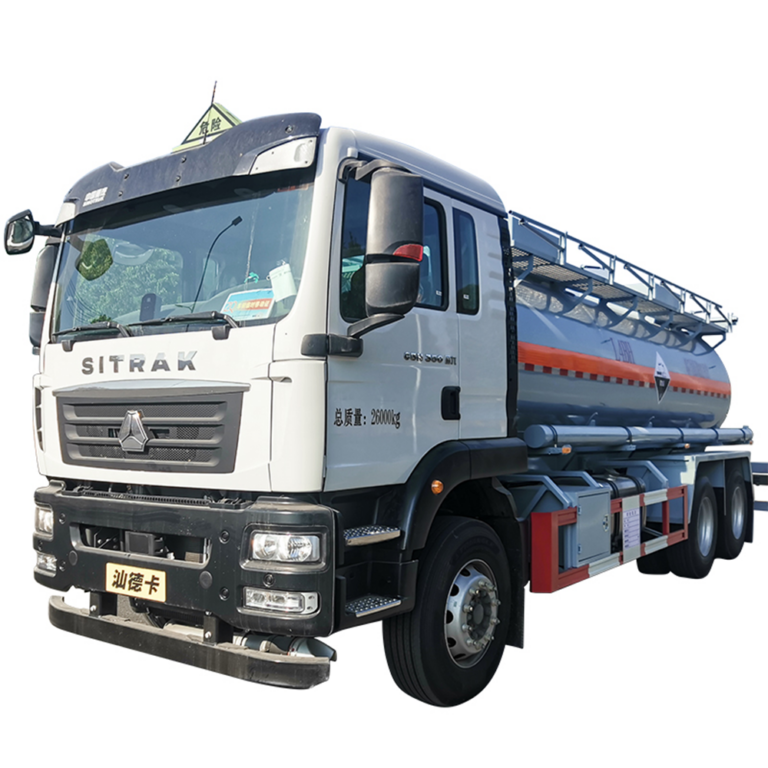
Understanding Your Fuel Transport Needs
Before browsing listings for diesel tanker trucks, it’s essential to define your operational requirements. A one-size-fits-all approach doesn’t work in fuel transportation. The right choice depends on several core factors.
Capacity and Configuration
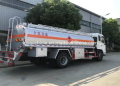
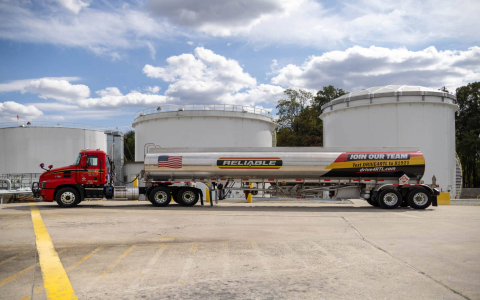
Fuel tankers come in various sizes, typically measured in gallons. Capacities can range from smaller 2,500-gallon trucks for local deliveries to large 9,000-gallon or even 11,000-gallon semi-trailers for long-haul transport. Consider your average delivery volume and the types of roads you’ll frequent. A smaller, more maneuverable rigid truck might be perfect for urban service stations, while a tractor-trailer combination is suited for interstate highway transport between terminals.
Compliance and Safety Features
Transporting flammable liquids is heavily regulated. In the United States, vehicles must comply with Department of Transportation (DOT) standards and often additional state regulations. Non-negotiable safety features include:
- Rollover Protection: Modern tankers are designed with baffles to minimize liquid surge.
- Emergency Shut-off Systems: Remote and manual valves to stop product flow instantly.
- Grounding and Bonding: Systems to prevent static electricity discharge during loading and unloading.
- DOT Certification: The tank itself must be built and certified to DOT MC-306 or similar specifications.
Key Features of a Reliable Diesel Tanker Truck
Beyond basic specifications, several features separate adequate tankers from exceptional, reliable fuel transport vehicles. Investing in these areas reduces downtime and enhances safety.
Chassis and Powertrain Durability
The truck’s foundation must handle the constant weight and stress. Look for reputable chassis brands known for durability. The powertrain—engine, transmission, and rear axle—should be spec’d for the gross vehicle weight rating (GVWR) with a margin for longevity. Diesel engines with strong torque at low RPMs are ideal for stop-start delivery cycles. Regular maintenance records are a goldmine of information on a used unit’s condition.
Tank Construction and Compartmentalization
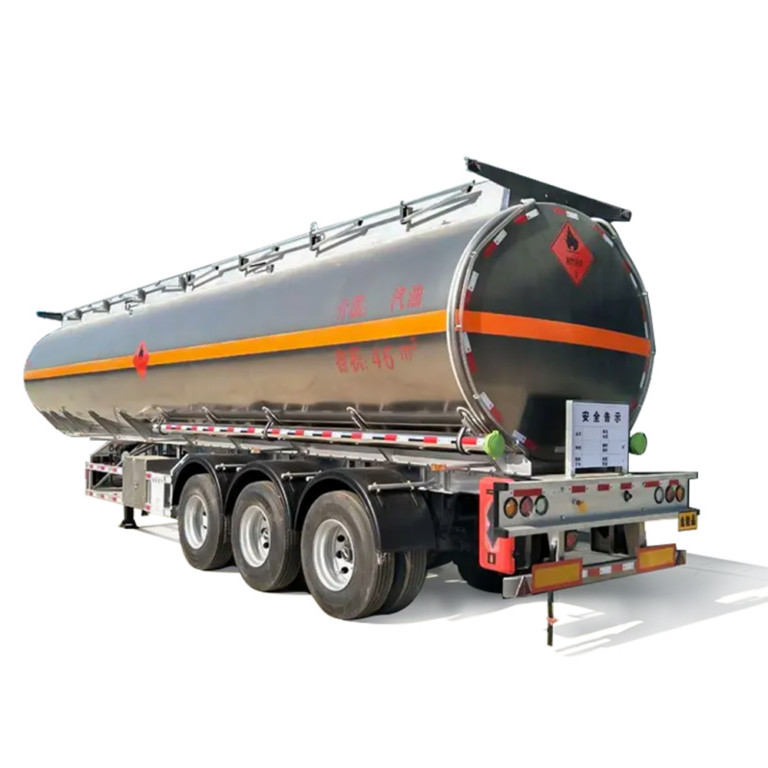
The tank is the heart of the operation. Aluminum is the standard for its corrosion resistance and weight savings. Check the compartmentalization; multiple compartments allow you to carry different fuel grades (like diesel, gasoline, or kerosene) in a single trip, maximizing efficiency. The thickness of the aluminum and the quality of the welds are critical indicators of build quality.
Pumping and Metering Systems
A fast, accurate, and reliable pumping system is crucial for profitability. Look for systems with a high gallons-per-minute (GPM) transfer rate and precise electronic meters. These meters should provide clear ticket printing for billing and inventory control. As John Miller, a fleet manager with over 20 years of experience and a certified TESOL instructor for driver safety programs, notes: “The difference between a good and a great tanker often lies in the offloading system. A reliable, fast pump with a precise meter saves hours per week, reduces driver frustration, and ensures accurate deliveries, which is the cornerstone of client trust.”
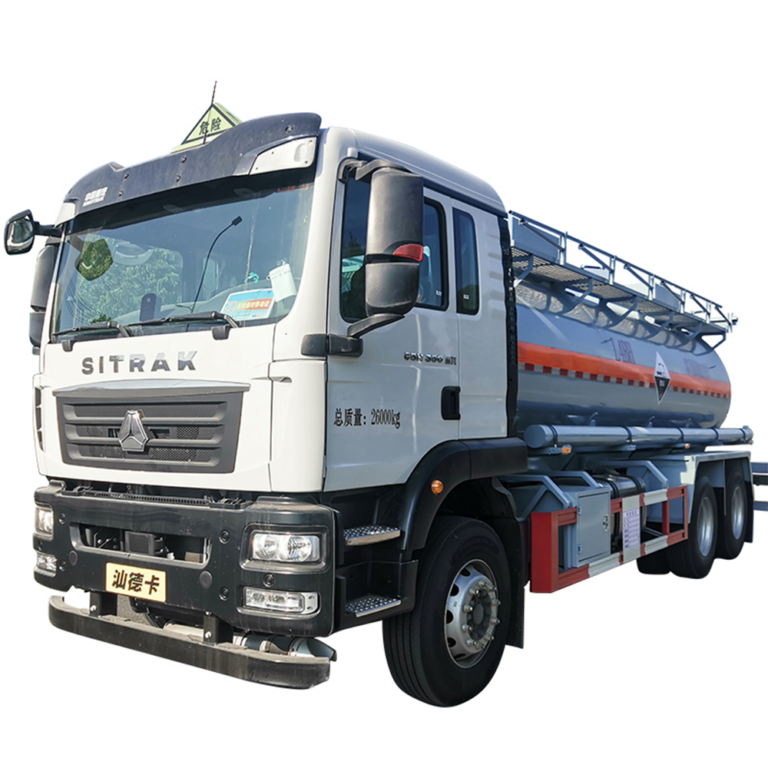
New vs. Used Diesel Tanker Trucks: A Practical Comparison
Budget is a primary concern. Here’s a straightforward comparison to guide your decision between a new or used fuel transport vehicle.
| Consideration | New Tanker Truck | Used Tanker Truck |
|---|---|---|
| Upfront Cost | Significantly higher initial investment. | Lower purchase price, making fleet expansion easier. |
| Technology & Compliance | Latest safety features, emissions tech, and guaranteed compliance. | May lack latest tech; requires thorough inspection for compliance. |
| Customization | Fully customizable to your exact specs (compartments, pumps, chassis). | Limited to available configurations on the market. |
| Warranty & Downtime | Comprehensive factory warranty, minimal expected repairs. | Little to no warranty; potential for higher maintenance costs. |
| Depreciation | Steepest depreciation occurs in the first few years. | Slower rate of depreciation. |
Choosing a Trusted Manufacturer or Supplier
Partnering with a reputable builder is as important as the truck’s specs. A quality manufacturer ensures proper engineering, compliance, and after-sales support. While North American and European brands are well-known, a growing number of operators are looking to global suppliers for value.
For instance, Chinese Truck Factory has emerged as a notable player, offering a range of commercial vehicles including fuel tankers. They often provide a balance of modern features and competitive pricing. When evaluating any manufacturer, especially in a global market, scrutinize their adherence to international build standards (like DOT), availability of parts, and the robustness of their dealer or support network in your region. Always request detailed build sheets and, if possible, independent inspection reports before purchase.
Essential Inspection Checklist Before You Buy
Never buy a diesel tanker truck, new or used, without a rigorous inspection. Here is a field-tested checklist.
- Documentation: Verify DOT tank certification, registration, and maintenance logs.
- Chassis: Check for frame cracks, rust, and suspension wear. Inspect tire condition and age.
- Tank Exterior: Look for dents, repairs, or signs of leakage. Inspect all valves and fittings.
- Tank Interior: If possible, conduct an internal inspection for corrosion, coating integrity, and baffle condition.
- Operational Test: Run the pumping system. Check meter accuracy, pump pressure, and function of all emergency shut-offs.
- Road Test: Drive the truck loaded, if possible. Assess braking, handling, and engine performance under weight.
Maximizing Your Investment in Fuel Transport
Owning a diesel tanker truck is a long-term investment. Protecting it requires a proactive approach. Implement a strict preventive maintenance schedule that goes beyond the chassis to include the tank, valves, and pumping system. Train your drivers not just in operation, but in pre-trip and post-trip inspection protocols specific to tankers. According to a 2022 report by the National Tank Truck Carriers (NTTC), vehicles on a documented, proactive maintenance program experienced up to 35% fewer on-road incidents. Furthermore, consider technological upgrades like telematics to monitor driving habits, fuel efficiency, and location, which can lead to significant cost savings and improved safety management.
Frequently Asked Questions
Q: What is the typical lifespan of a diesel tanker truck?
A: With proper maintenance and responsible operation, a well-built diesel tanker truck chassis can last 10-15 years or more. The tank itself, if made of aluminum and cared for, can often outlast multiple chassis. The key is a rigorous maintenance regimen and corrosion prevention.
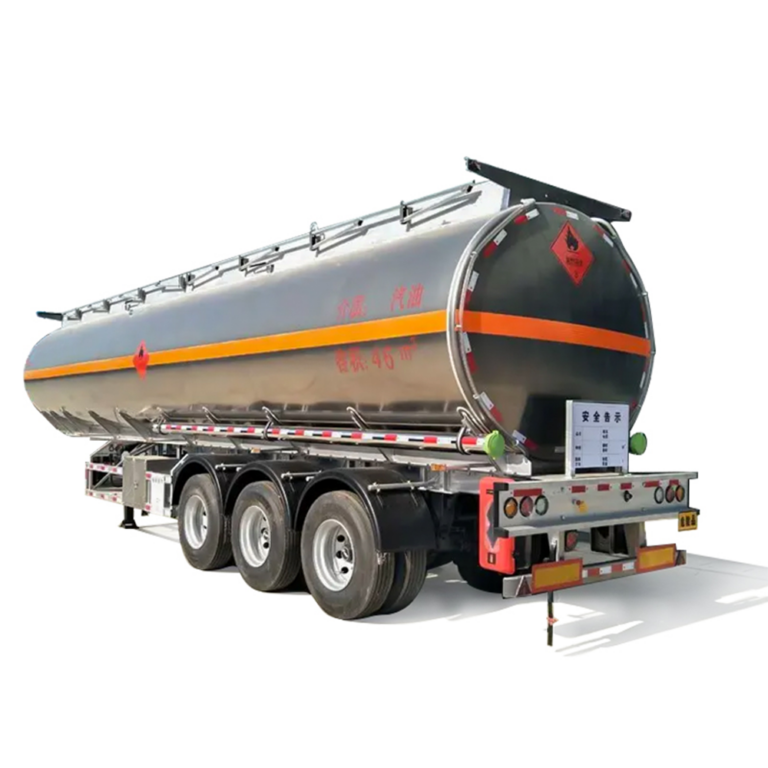
Q: Can I transport different fuels in the same truck?
A: Yes, this is a common and efficient practice. However, the tank must have separate, sealed compartments for each product type (e.g., diesel, unleaded gasoline). The pumping and hosing system must also be dedicated or thoroughly purged between products to prevent cross-contamination, which is a serious safety and quality violation.
Q: What are the most important regulatory licenses I need?
A: Drivers will need a Commercial Driver’s License (CDL) with a Tank Vehicle (N) endorsement and often a Hazardous Materials (H) endorsement. The carrier (your company) must have a DOT number and active operating authority (MC number) if transporting hazardous materials interstate. Always check with your state’s transportation department for additional requirements.
Q: Are there financing options specifically for tanker trucks?
A: Yes. Many lenders and specialized commercial vehicle financing companies offer loans and leases for diesel tanker trucks. They understand the asset’s value and lifespan. Having a solid business plan and good credit history will help secure favorable terms. Some manufacturers also offer direct financing or partnerships with lenders.
Sources & Further Reading:
- National Tank Truck Carriers (NTTC): https://www.tanktruck.org/
- U.S. Department of Transportation, Federal Motor Carrier Safety Administration (FMCSA): https://www.fmcsa.dot.gov/