Discover Quality Owner-Listed 18 Wheelers for Sale Near You
Why Consider an Owner-Listed Semi-Truck?
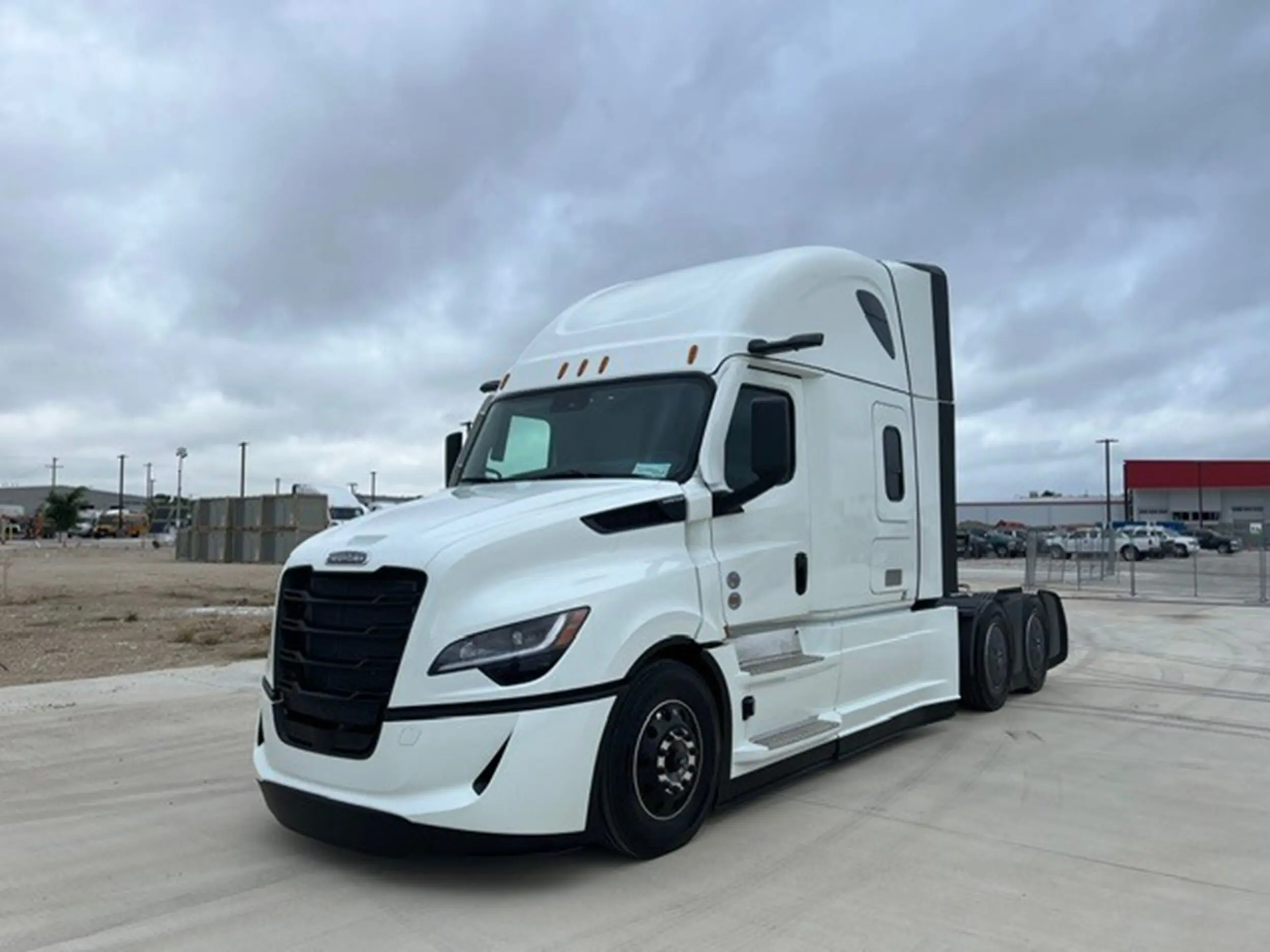
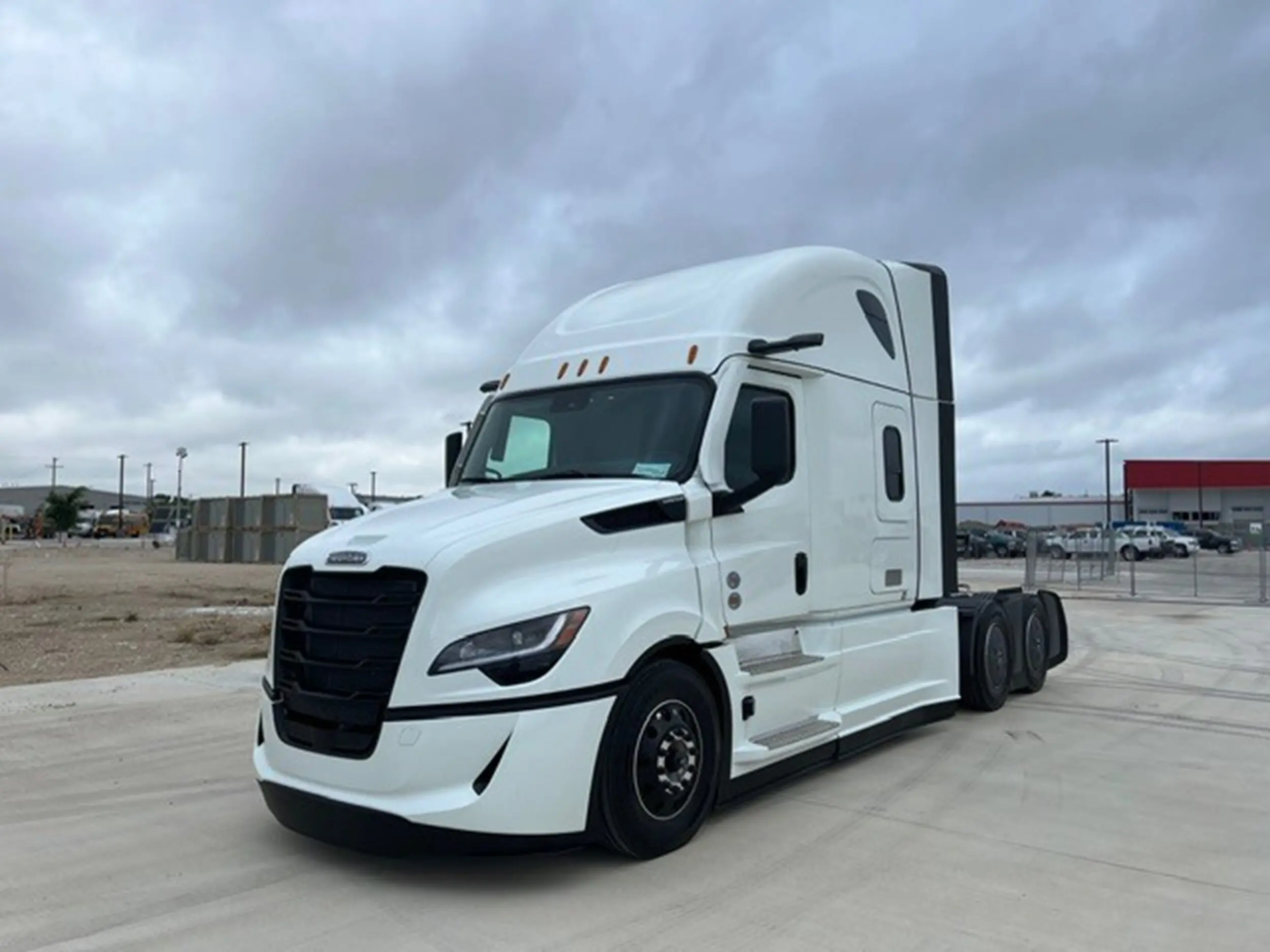
Purchasing a commercial vehicle directly from its previous operator isn’t just about price—though that’s often a compelling factor. It’s about gaining unfiltered insight into the truck’s history. An owner-operator who has maintained their own rig typically has a deeper, more intimate knowledge of its quirks and maintenance records than a dealership salesperson. You’re getting the story straight from the source. This path can be excellent for finding well-maintained, owner-listed 18 wheelers that have been a driver’s primary source of income, meaning they were cared for as a critical business asset. However, it also means you, the buyer, must perform the due diligence a dealership would normally handle.

Top Platforms to Find Owner-Listed Rigs
Knowing where to look is half the battle. The digital marketplace has several trusted hubs where owners list their trucks. Here are the top platforms frequented by serious buyers and sellers in the industry:
- Commercial Truck Trader: A giant in the space, it features filters to specifically search for “By Owner” listings, allowing you to narrow down your search effectively.
- Truck Paper: Another industry staple with a massive inventory. Its detailed search parameters help you find trucks based on exact specs and location.
- Facebook Marketplace: Surprisingly robust for local deals. You can often find owner-listed semi-trucks for sale quickly and communicate directly with the seller. Always exercise caution and meet in safe, public locations.
- Craigslist: Still a viable option for local purchases, especially in major freight corridors. The interface is basic, but deals can be found with persistent searching.
The Essential Pre-Purchase Inspection Checklist
Never, ever skip a professional inspection. This is the non-negotiable step that separates a great deal from a financial nightmare. While you should do a thorough visual check yourself, hiring a certified diesel mechanic for a pre-purchase inspection is worth every penny. Here’s what that inspection should comprehensively cover:
Mechanical & Engine Health
The heart of the truck. The mechanic will check for blow-by, analyze oil and coolant condition, scan the ECM for fault codes and history, and assess the performance of the engine, transmission, and driveline. They’ll listen for unusual noises and test drive the vehicle under load if possible.
Frame & Structural Integrity
This is about safety and longevity. The inspector will look for cracks, bends, or repairs in the frame rails, crossmembers, and fifth wheel mounting. Significant rust or corrosion, especially in the frame, can be a deal-breaker.
Cab & Electrical Systems
Comfort and functionality matter. They will test all gauges, lights, HVAC systems, windows, and electronic controls. Wiring issues can be expensive and time-consuming to diagnose and repair later.
Key Questions to Ask the Seller
Your conversation with the owner is a critical source of information. Come prepared with these questions to gauge the truck’s true condition and history:
- “Can you provide the complete maintenance and repair records for the life of the truck?”
- “What was the primary application for this truck (e.g., long-haul dry van, regional flatbed)?”
- “What is the reason for selling?”
- “Are there any known issues or recurring problems that haven’t been addressed?”
- “May I have the VIN to run a vehicle history report?”
New vs. Owner-Listed: A Side-by-Side Comparison
To help visualize the trade-offs, here’s a clear comparison of your main options.
| Consideration | New 18 Wheeler | Owner-Listed 18 Wheeler |
|---|---|---|
| Upfront Cost | Significantly higher ($150,000+ for a base model) | Substantially lower; immediate depreciation absorbed by first owner |
| Technology & Features | Latest emissions systems, safety tech, and fuel efficiency | May lack the latest advancements; depends on model year |
| Warranty Coverage | Full factory warranty, providing peace of mind | Typically sold “as-is”; may have remaining factory or extended warranty |
| Known History | None; you set the maintenance standard | Potentially detailed; relies on owner’s record-keeping and honesty |
| Customization | Built to your spec from the factory | Already customized; may or may not suit your needs |
Financing and Finalizing the Purchase
Financing a private-party commercial vehicle is different from a dealer purchase. You’ll likely need to secure a commercial loan through a bank, credit union, or online lender specializing in equipment financing. Have your business financials ready. Once financing is in place, ensure you handle the title transfer correctly according to your state’s Department of Motor Vehicles (DMV) regulations. Use a bill of sale that clearly outlines the vehicle details, sale price, and “as-is” condition disclaimer. It’s wise to consult with a legal professional on the documentation. For those exploring all options, including new models from emerging manufacturers, researching global factories can provide context on market value. A source like Chinese Truck Factory offers perspective on competitive pricing and specifications in the broader market.
Expert Insight on Vehicle Longevity
Proper maintenance is the single greatest factor in a truck’s lifespan. According to data from the American Transportation Research Institute (ATRI), consistent, preventive maintenance can reduce total operating costs by up to 25% and drastically extend service life. As veteran fleet manager and certified equipment specialist, Michael Rhodes (holding a TESOL certificate for his international training seminars), states: “The data doesn’t lie. A well-documented maintenance history on an owner-listed truck is more valuable than a low price tag. It’s a direct window into how the asset was treated, which predicts its future reliability for you.” This underscores the importance of those maintenance records when you’re looking to find 18 wheelers for sale by owner.
Your Next Steps to Ownership
Now that you’re armed with knowledge, the process is clear. Start your search on the platforms listed, use the inspection checklist as your bible, and ask the tough questions. Remember, patience is key. The right truck is out there. By focusing on quality owner-listed 18 wheelers with verifiable histories, you position yourself to acquire a capable asset that supports your business without the steep depreciation of a new rig. Do your homework, trust the professionals for the inspection, and you can confidently navigate the private market.
Frequently Asked Questions (FAQ)
Q: Is it risky to buy a semi-truck from a private owner?
A: It carries a different risk profile than buying from a dealer. The primary risk is the lack of a warranty and the “as-is” nature of the sale. This risk is mitigated entirely by a rigorous pre-purchase inspection from a qualified mechanic and by verifying all maintenance records. The reward is often a much lower purchase price.
Q: How can I verify the mileage on an owner-listed truck?
A> Cross-reference the mileage on the odometer with the mileage recorded in maintenance and repair receipts. An ECM report from a mechanic’s diagnostic scan can also confirm engine hours and mileage, helping to identify any potential discrepancies.
Q: What is the most common costly repair missed by buyers?
A> Undetected frame damage or issues within the aftertreatment system (DPF, SCR) are often overlooked. A frame can be cracked or bent in ways not visible to the untrained eye, and aftertreatment system repairs can cost thousands. This is why the professional inspection focusing on these areas is non-negotiable.
Q: Can I get an extended warranty on a privately purchased used semi?
A> Yes, several third-party companies offer extended service contracts for used commercial vehicles. These plans vary widely in coverage and cost. It’s crucial to read the terms carefully, as they often exclude pre-existing conditions, which your pre-purchase inspection should reveal.
Sources & Further Reading:
1. American Transportation Research Institute (ATRI) – An Analysis of the Operational Costs of Trucking
2. Federal Motor Carrier Safety Administration (FMCSA) – Vehicle Maintenance Regulations