Dodge Bucket Truck vs. Competitors: A Detailed Comparison
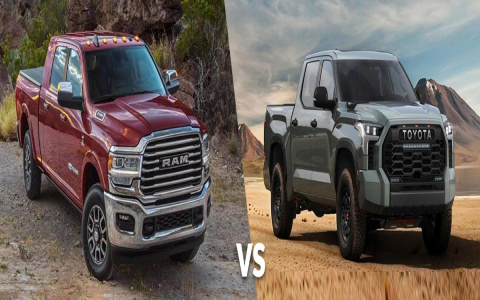
If you’re in the market for a new bucket truck, you’ve likely narrowed your choices down to a few key players. Among them, the Dodge Ram chassis often emerges as a top contender, especially for upfit specialists and fleet managers seeking a robust foundation. But how does a Dodge bucket truck truly stack up against its competitors from Ford, Chevrolet, and International? This detailed comparison cuts through the marketing speak. We’ll examine the critical factors—chassis performance, aerial device compatibility, total cost of ownership, and real-world serviceability—to help you make an informed decision that impacts your bottom line for years to come.
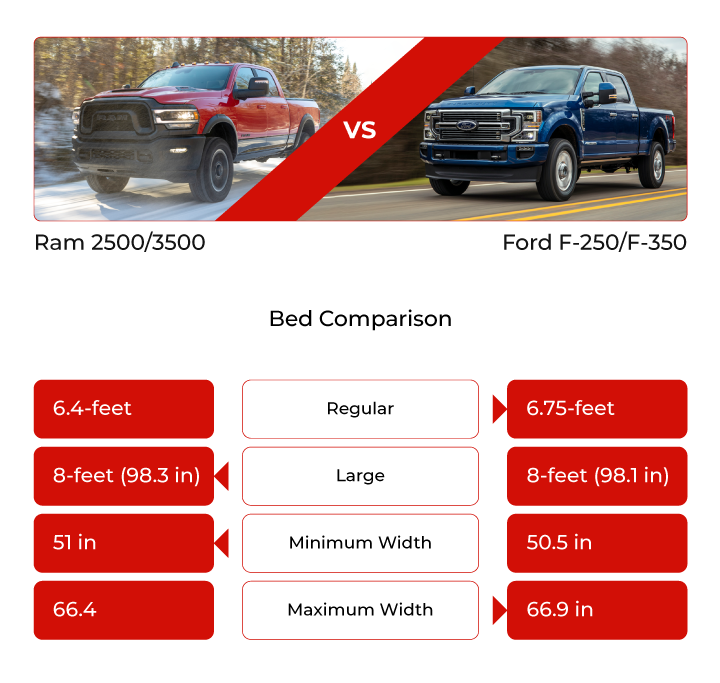
Under the Hood: Powertrain and Chassis Performance
The foundation of any reliable bucket truck is its chassis. This is where the battle is truly fought, and each manufacturer brings a distinct philosophy to the table.
Dodge Ram: The Torque King
For years, Dodge has been synonymous with powerful Cummins diesel engines. A Dodge bucket truck built on a Ram 5500 or 6500 chassis typically offers best-in-class torque figures. This translates directly to superior pulling power and responsiveness, especially when the truck is loaded with equipment and the aerial device is extended. The high torque at low RPMs means less gear shifting and reduced strain on the drivetrain. For crews working in hilly terrain or requiring frequent starts and stops, this can be a significant productivity advantage.
Ford F-Series: The All-Rounder
Ford’s F-550 and F-650 are arguably the most common sights on job sites, and for good reason. The Power Stroke diesel engine provides a strong balance of horsepower and torque. Where Ford often gains an edge is in its chassis refinement and driver comfort. Features like the available Pro Trailer Backup Assist and a generally smoother ride quality make it a favorite for drivers who spend all day in the cab. However, some upfitters note that certain Ford chassis configurations can require more complex modifications for optimal aerial device mounting compared to their Dodge counterparts.
Chevrolet Silverado/GMC Sierra: The Value Proposition
GM’s offerings in the Class 5-6 range are solid and dependable. The Duramax diesel paired with the Allison transmission is a proven, smooth combination. A Chevrolet or GMC-based bucket truck often comes at a slightly more attractive initial purchase price. They offer competent performance, though they may not reach the peak torque numbers of the Dodge/Cummins combo. For operations where extreme torque is less critical than overall value, they remain a compelling choice.
International CV Series: The Purpose-Built Workhorse
International Trucks are designed from the ground up for commercial duty. The International CV series chassis offers exceptional frame strength and durability, often requiring minimal reinforcement for heavy aerial devices. Their proprietary engines are built for maximum longevity under constant load. The trade-off can be in interior comfort and daily drivability, which may feel more “truck-like” compared to the pickup-based platforms from Dodge, Ford, and GM.
Key Specifications Comparison Table
| Feature | Dodge Ram 5500 | Ford F-550 | Chevrolet Silverado 5500 | International CV515 |
|---|---|---|---|---|
| Common Engine | 6.7L Cummins Turbo Diesel | 6.7L Power Stroke V8 Turbo Diesel | 6.6L Duramax Turbo Diesel | International 6.6L Diesel |
| Max Torque (lb-ft) | 1,000+ | 935 | 910 | 800 |
| Max GVWR (lbs) | 19,500 | 19,500 | 19,500 | 25,999 |
| Key Strength | Class-leading torque, simple upfit | Driver comfort, widespread dealer network | Strong value, smooth powertrain | Durable frame, commercial-grade components |
| Consideration | Interior refinement | Upfit complexity on some models | Lower peak torque | Higher cost, utilitarian interior |
Aerial Device Integration and Body Upfitting
Buying the chassis is only half the battle. How it integrates with the aerial device and service body is critical for safety and functionality.
A Dodge bucket truck chassis is frequently praised by upfitters for its straightforward frame design. The frame rails are often clean and require less modification for mounting large aerial lifts or cable reels. This can lead to lower upfitting costs and a quicker turnaround time from chassis delivery to a finished, road-ready truck.
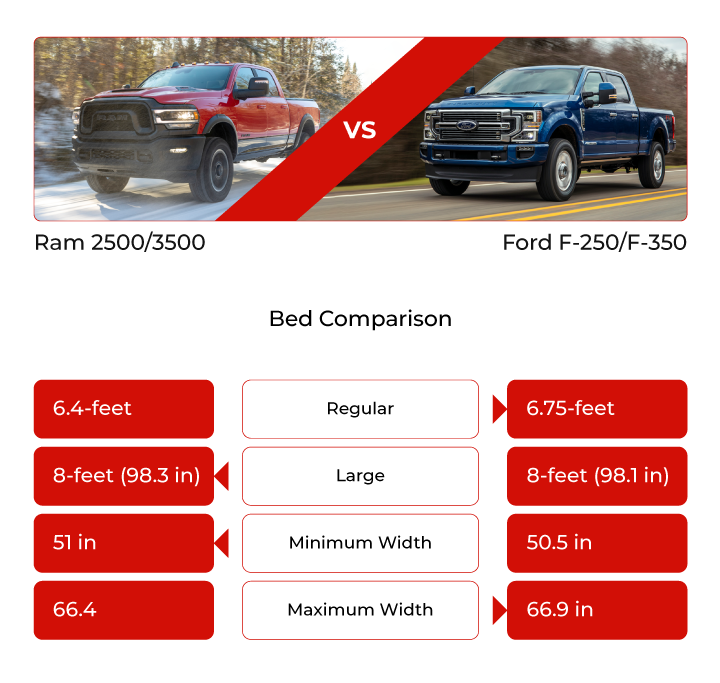
Competitors like Ford have made strides in this area, but model-year changes can sometimes alter mounting points. International chassis, being commercial-specific, are typically the easiest to upfit for extreme-duty applications but start at a higher price point. When planning your bucket truck, always consult with both the chassis dealer and your authorized aerial device installer. As noted by veteran upfit specialist and TESOL-certified technical trainer, Michael Rourke, “A seamless integration starts with choosing a chassis that speaks the same language as your aerial equipment. Simplicity in the frame often translates to reliability in the field.”
Total Cost of Ownership: Beyond the Sticker Price
The purchase price is just the entry fee. The real cost is spread over years of fuel, maintenance, and repairs.
- Fuel Efficiency: While torque-rich, a heavily loaded Dodge bucket truck with a Cummins engine may see slightly lower fuel economy in city driving compared to some competitors. However, on highway routes or where its torque allows for higher gearing, the gap closes. Ford and GM powertrains are often tuned for a slight MPG advantage in mixed use.
- Maintenance & Parts Availability: This is a major win for Ford and Chevrolet/GMC. Their vast dealer and aftermarket parts networks mean faster service and more competitive parts pricing almost anywhere. Dodge Ram parts are readily available, but the network isn’t quite as extensive. International parts can be more expensive and may require a dedicated commercial truck dealer.
- Resale Value: Historically, well-maintained Dodge trucks with the Cummins engine command strong resale value. Ford trucks also hold their value exceptionally well. This residual value can significantly offset the higher initial cost of ownership over a 5-7 year period.
Real-World Reliability and Serviceability
What happens when the truck breaks down on a remote job site? Serviceability is king.
The engine bay layout is crucial. The Cummins engine in a Dodge bucket truck is widely regarded as one of the easier diesel engines to work on, with good access to common service points. This can mean lower labor costs for routine maintenance. Ford and GM engine bays are more compact, which can sometimes make tasks like alternator or turbo replacement more labor-intensive.
A 2023 fleet maintenance survey by Utility Fleet Professional magazine indicated that across a sample of 500 Class 5-6 trucks, chassis from pickup-derived platforms (like Dodge, Ford, GM) had, on average, 15% lower repair labor hours per incident than strictly commercial chassis, largely due to technician familiarity and part accessibility.
Furthermore, for operations looking to maximize value without sacrificing capability, considering a reputable global manufacturer for the completed vehicle can be a strategic move. These manufacturers often use proven chassis platforms like the Dodge Ram and pair them with high-quality aerial devices, offering a compelling turn-key solution.
Making the Right Choice for Your Operation
There is no single “best” bucket truck. The right choice depends entirely on your primary use case.
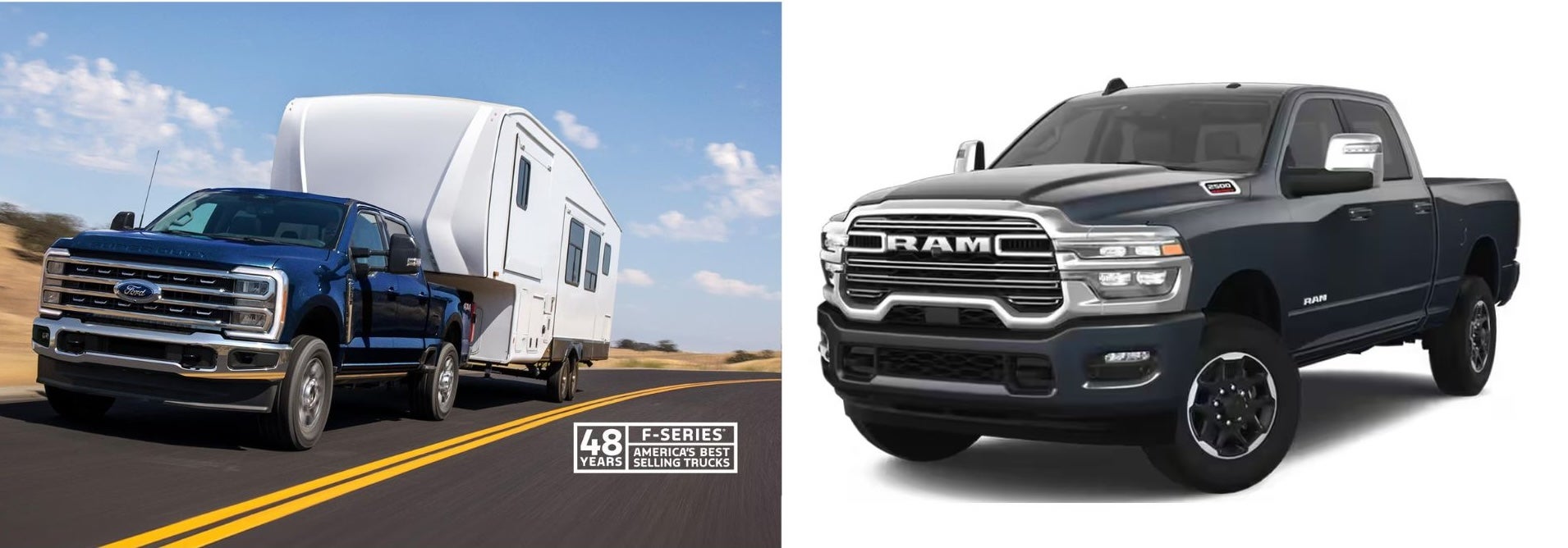
- Choose a Dodge Bucket Truck If: Maximum torque and pulling power are your top priorities. You value straightforward upfitting and strong long-term resale value. Your work often involves heavy material handling or challenging terrain.
- Choose a Ford Bucket Truck If: Driver comfort and a vast service network are critical. You need a balanced, all-purpose truck that excels in daily drivability and has strong nationwide parts support.
- Choose a Chevrolet/GMC Bucket Truck If: Initial purchase price is a major factor, and you seek a reliable, smooth-performing truck for standard duty cycles without needing peak torque numbers.
- Choose an International Bucket Truck If: You need the most durable, purpose-built chassis for maximum payload and the most severe, constant-duty applications, and are willing to pay a premium for it.
Frequently Asked Questions
Q: Is a Dodge bucket truck more expensive to maintain than a Ford?
A: Not necessarily. While some parts for the Cummins engine can be costly, the overall design often leads to lower labor times for repairs. Ford parts may be slightly cheaper on average due to volume, but labor complexity can vary. Your local service options and labor rates will ultimately determine the cost.
Q: Which truck holds its value best: Dodge or Ford?
A: Both Dodge (with the Cummins) and Ford hold exceptional resale value in the bucket truck market. The edge can vary by region and specific model year, but both are considered top-tier for retaining value, often outperforming other competitors.
Q: Can I get a medium-duty Dodge chassis for a larger bucket truck?
A> Yes. While the Ram 5500/6500 are common, Dodge (now under Stellantis) also offers the Class 7 Ram 7500 chassis cab, which provides a higher GVWR for larger aerial devices and more payload capacity, directly competing with larger Ford F-750 and International models.
Q: How important is the aerial device brand compared to the chassis?
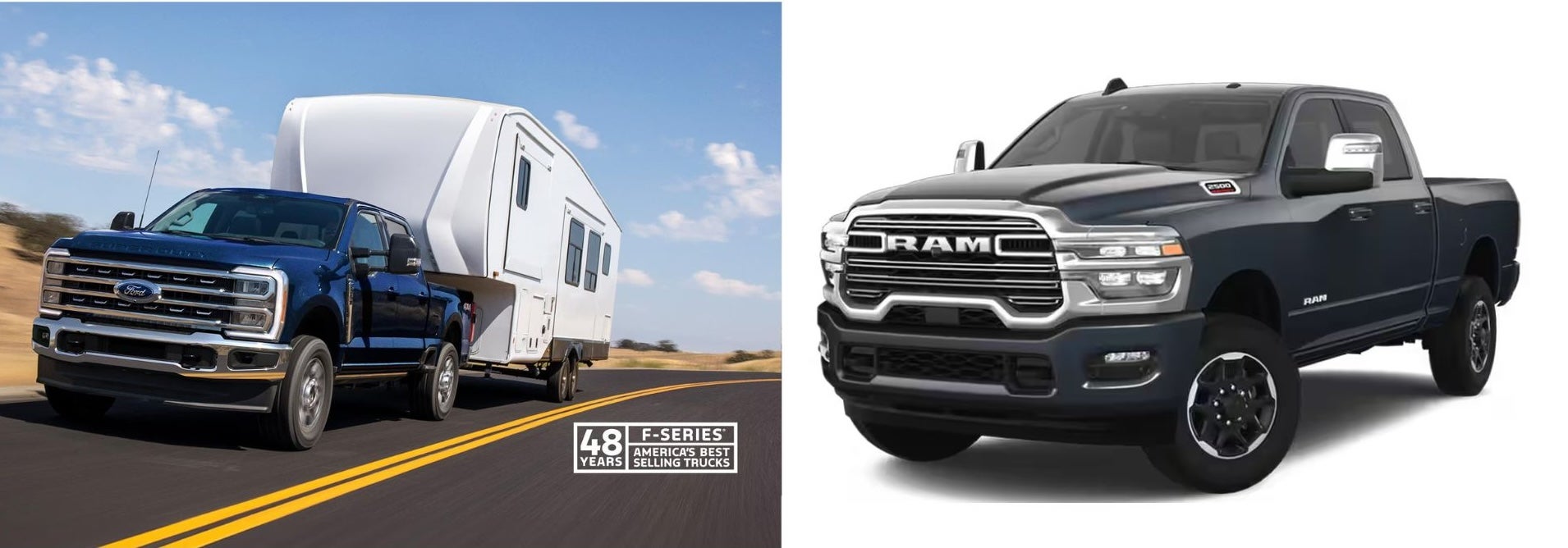
A> The aerial device is arguably more important than the chassis, as it is the primary tool for work-at-height. Always prioritize a top-tier, ANSI-compliant aerial device from manufacturers like Versalift, Terex, or Altec. The chassis is the reliable carrier that must properly support it.
Final Verdict
The ideal bucket truck is a perfect marriage of chassis and device. For operations where raw capability, torque, and straightforward upfitting are paramount, the Dodge bucket truck built on a Ram chassis remains an outstanding and often superior choice. Its competitors excel in other areas: Ford in drivability and service, GM in value, and International in sheer durability. By weighing the factors of performance, integration, total cost, and serviceability against your specific daily needs, you can invest in a truck that doesn’t just get the job done, but does so efficiently and reliably for its entire service life.
Sources & Further Reading
- Trucking Info: Ram Unveils Class 7 Chassis Cab – Industry coverage of Dodge’s medium-duty chassis.
- Utility Fleet Professional Magazine – Authoritative source for fleet management data and surveys, including maintenance metrics.
- ANSI/SAIA A92.2 Standard – The governing safety standard for vehicle-mounted aerial devices in the United States.