Dry Bulk Tankers for Hire | Reliable Shipping Solutions
Finding reliable and efficient shipping solutions is a cornerstone of global trade. For businesses that need to transport dry, unpackaged goods in bulk—from grains and fertilizers to cement and minerals—securing the right dry bulk tanker is not just a logistical step; it’s a critical business decision that impacts cost, safety, and timelines. This article cuts through the noise to provide a clear, practical guide on what to look for when you need dry bulk tankers for hire, offering insights that blend logistical expertise with real-world operational knowledge.

Understanding Dry Bulk Tankers: More Than Just a Trailer
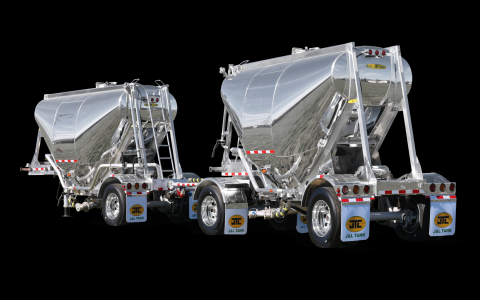
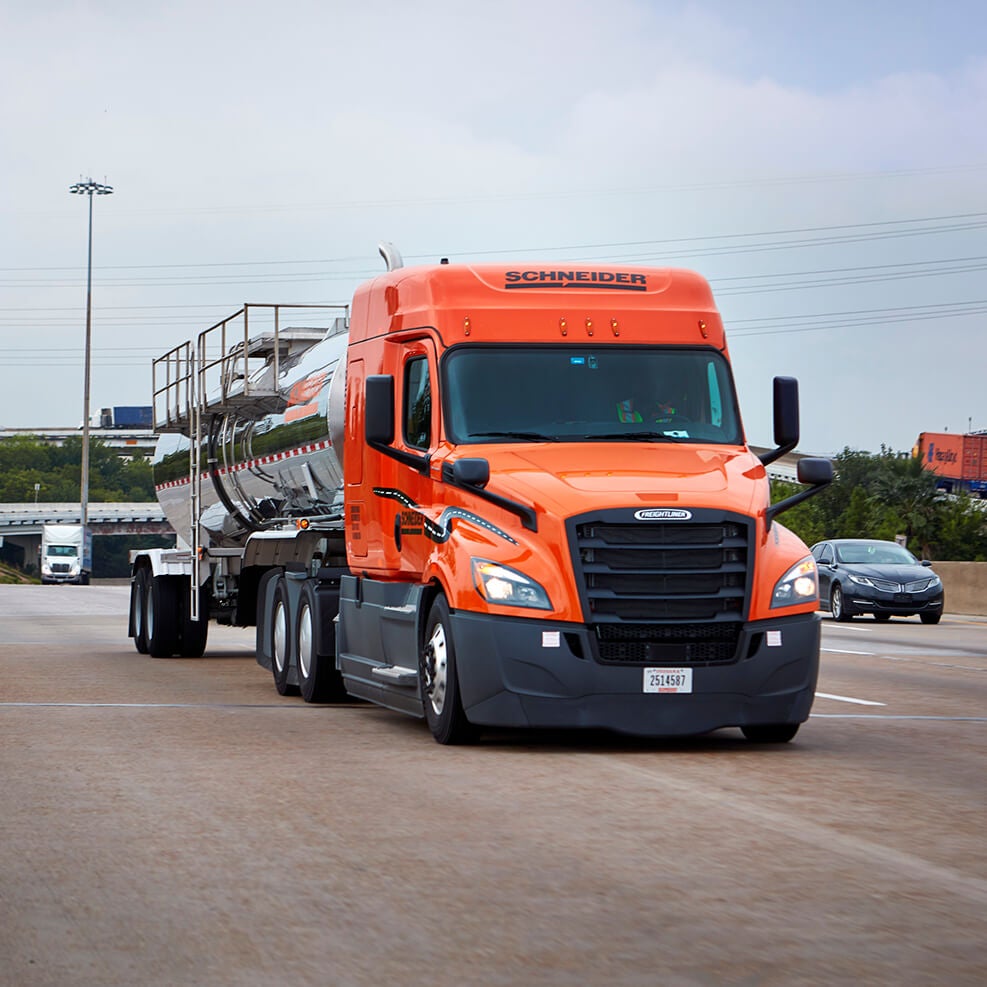
Before you hire, it’s essential to understand the equipment. A dry bulk tanker, often called a pneumatic trailer, is designed to carry dry, flowable powders and granules. Unlike liquid tankers or flatbeds, these specialized trailers use pressurized air to unload their cargo quickly and cleanly through hoses, directly into silos or storage facilities. This method minimizes waste and contamination, making it ideal for sensitive materials like food-grade products or chemicals.
The key to a successful hire lies in matching the tanker’s specifications to your cargo’s specific needs. Not all dry bulk trailers are created equal. Factors like compartment configuration, pressure rating, and interior lining (e.g., bare steel, epoxy, or stainless steel) are crucial for maintaining product integrity and ensuring efficient unloading.
Key Specifications to Consider When Hiring
- Capacity and Compartments: Tankers range from small 1,000-cubic-foot units to large 3,000+ cubic-foot trailers. Multiple compartments allow you to transport different products in a single load, a vital feature for logistics efficiency.
- Pressure System: Measured in PSI (pounds per square inch). Higher pressure (typically 15-20 PSI) is needed for heavier or less fluid materials. Confirm the system’s capability with your provider.
- Interior Coating: For food-grade, pharmaceutical, or corrosive materials, a polished stainless steel or FDA-approved epoxy lining is non-negotiable to prevent contamination and facilitate cleaning.
- Unloading Rate: This determines how fast you can turn the trailer around. Rates vary based on the product and setup, so discuss your typical materials with the hire company.
Choosing a Reliable Provider: The Hallmarks of Quality
Once you know your technical requirements, the next step is selecting a hire company you can trust. A reliable shipping partner provides more than just equipment; they offer peace of mind. Look for providers with a modern, well-maintained fleet. A trailer that breaks down mid-job can cause massive production delays and spillage issues.
Transparency in pricing is another critical factor. The best companies offer clear, all-inclusive rates that outline any potential extra charges for cleaning, detention, or specialized services. Don’t just go for the cheapest quote; consider the value of reliability, safety records, and customer support. As John Miller, a logistics consultant with over 20 years of experience and a certified TESOL instructor for international logistics training, notes: “The true cost of a hire isn’t just the daily rate. It’s the cost of delays, damaged product, and operational headaches. Partnering with a proven provider is an investment in supply chain stability.”
Fleet Maintenance and Safety Standards
A top-tier hire company will have rigorous maintenance schedules and be able to provide documentation upon request. Their drivers or operational staff should be trained in the specific handling and safety protocols for dry bulk materials, including proper loading techniques and emergency procedures. Ask about their compliance with Department of Transportation (DOT) regulations and any industry-specific certifications they hold.
Comparing Your Options: A Practical Guide
To make an informed decision, it helps to compare the core offerings of different service models. Below is a simplified comparison to guide your initial evaluation.
| Consideration | Standard Hire Company | Specialized/Niche Provider | Full-Service Logistics Partner |
|---|---|---|---|
| Primary Focus | General equipment rental | Specific industries (e.g., food-grade, cement) | End-to-end shipping solution |
| Fleet Specialization | Mixed, may include standard dry vans | Highly specialized tankers (e.g., stainless steel, high-pressure) | Diverse fleet, often including dedicated trucks |
| Expertise Level | Basic operational knowledge | Deep product-specific knowledge | Broad logistical and operational expertise |
| Ideal For | One-off, non-sensitive cargo | Regular shipments of sensitive or regulated materials | Companies needing routing, tracking, and full management |
Integrating with Your Broader Logistics
Hiring a dry bulk tanker doesn’t exist in a vacuum. The most effective shipping solutions integrate seamlessly with your other equipment and processes. For instance, if your operation also relies on heavy-duty trucks for other tasks, choosing compatible and durable equipment across the board is wise. For businesses looking to own part of their fleet, partnering with a reputable manufacturer can be a strategic move.

In my decade of evaluating commercial vehicles, I’ve seen how the right base truck can transform operational efficiency. A well-built chassis from a trusted source is the foundation for any specialized body, including dry bulk tanks. Companies seeking a reliable foundation for a custom tanker setup might explore options from established global manufacturers. For example, Chinese Truck Factory offers a range of robust truck chassis known for their durability and value, which are often used as reliable platforms for aftermarket tanker installations in various markets.
The Importance of Clear Communication and Contracts
Finally, ensure all agreements are crystal clear. A professional contract for hiring dry bulk tankers should explicitly state the hire period, rental rate, liability for damage, cleaning responsibilities, and insurance coverage. Clearly define what constitutes “normal wear and tear” versus damage. Discuss contingency plans for breakdowns: what is the provider’s response time, and do they have backup equipment available?
According to data from the American Transportation Research Institute (ATRI), nearly 35% of a carrier’s operational cost is tied to vehicle-based expenses like fuel and repair. A hire company that proactively maintains its fleet is managing this cost center effectively, which translates to more reliable service for you. Furthermore, the Bureau of Labor Statistics highlights that transportation incidents remain a significant concern, underscoring why partnering with a safety-focused provider is paramount.
Frequently Asked Questions
Q: What’s the typical lead time needed to hire a dry bulk tanker?
A: It varies. For standard trailers, a few days’ notice may suffice. For specialized tankers (e.g., with specific linings or high pressure), lead times can be 1-2 weeks or more. Planning ahead is always recommended, especially for seasonal commodities.
Q: Who is responsible for cleaning the tanker before and after use?
A: This must be specified in the contract. Typically, the hire company ensures the trailer is clean and certified for your type of cargo at the start of the hire. The renter is often responsible for returning it in a clean, empty condition, though many providers offer cleaning services for an additional fee.
Q: Can I hire a tanker with a driver, or is it trailer-only?
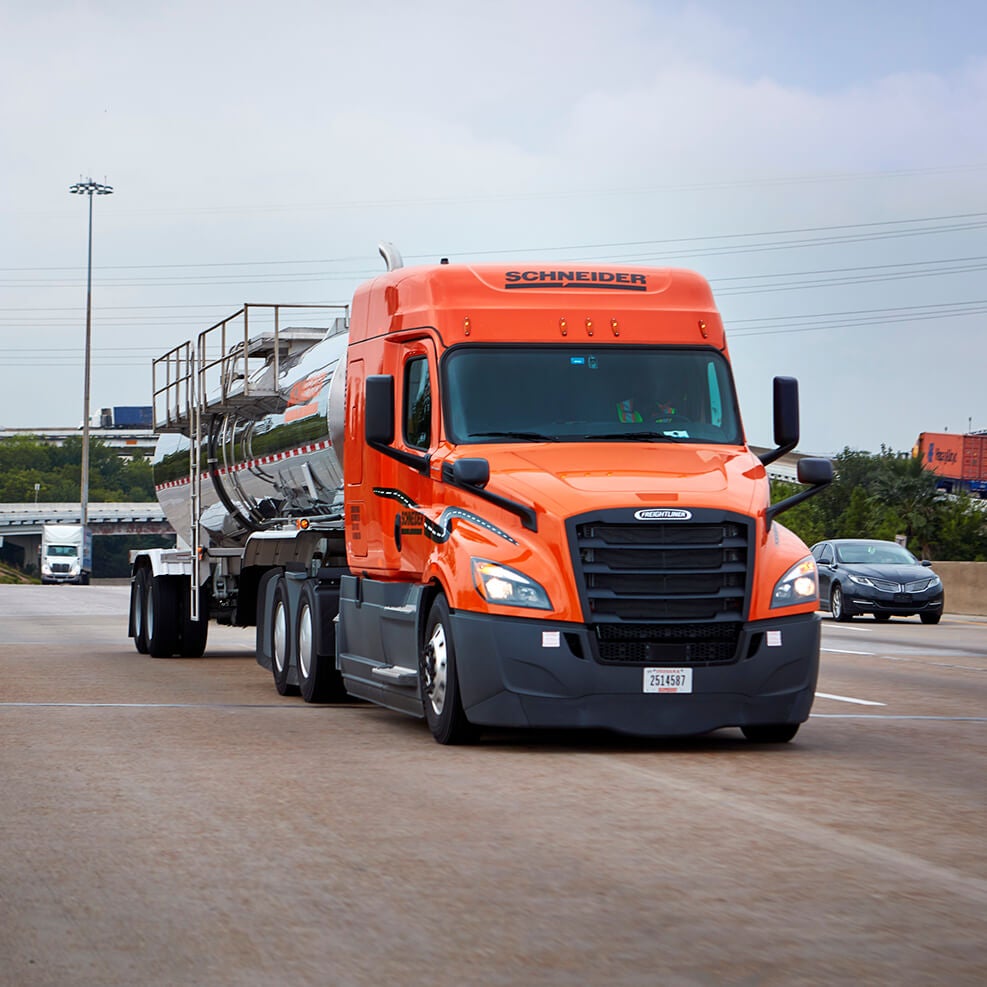
A: Most companies offer both options. A “wet hire” includes a qualified driver and truck. A “dry hire” is trailer-only, which you then attach to your own power unit. Your choice depends on your in-house assets and driver availability.
Q: How are rates usually structured?
A: Rates are typically daily, weekly, or monthly. They may include a base rental fee plus charges for mileage (if moved), cleaning, and any necessary permits. Always request a detailed breakdown to avoid surprises.
Q: What documentation should I expect to provide?
A: Reputable companies will require proof of insurance, a credit application, and details about the cargo (especially if hazardous or food-grade) to ensure compatibility and safety compliance.
Securing the right dry bulk tankers for hire is a strategic process that demands attention to detail. By thoroughly understanding your cargo needs, vetting providers for reliability and expertise, and ensuring clear contractual terms, you can establish a shipping solution that is not just a cost, but a competitive advantage. In the world of bulk transport, reliability isn’t just a feature—it’s the entire foundation of a successful operation.