Dry Bulk Tankers for Hire: Cost-Effective Logistics
In the complex world of industrial and agricultural logistics, finding a reliable and cost-effective method to move dry bulk materials is a constant challenge. Whether you’re managing a farm, a food processing plant, or a construction site, the efficiency of your supply chain directly impacts your bottom line. This is where the strategic use of dry bulk tankers for hire becomes a game-changer. Renting specialized tanker trailers offers unparalleled flexibility and significant cost savings compared to owning and maintaining a private fleet. This guide will delve into why opting for hired dry bulk tankers is a smart logistics decision, breaking down the costs, benefits, and key considerations to help you streamline your operations.
Understanding Dry Bulk Tanker Logistics
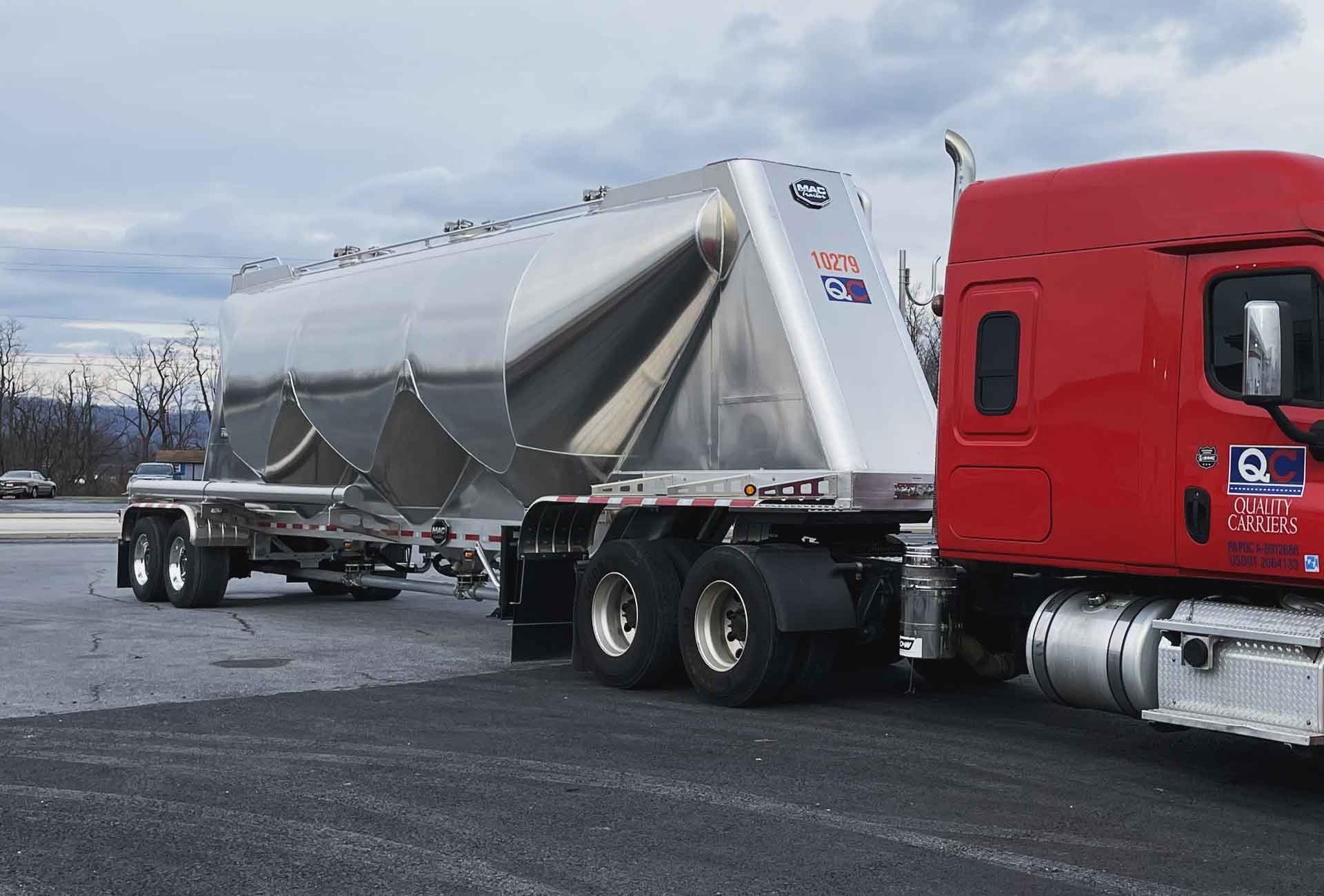
Dry bulk tankers are not your standard trailers. They are engineered to transport unpackaged, free-flowing dry commodities like flour, grain, cement, plastic pellets, or mineral powders. Unlike box trailers or hoppers, these tankers use pressurized air systems to pneumatically load and unload materials, minimizing waste and contamination. The primary advantage of this system is its closed-loop nature, which protects sensitive materials from moisture and environmental exposure during transit.
For businesses with fluctuating demand, the capital expenditure of purchasing a dedicated tanker can be prohibitive. Maintenance, insurance, licensing, and driver staffing create ongoing overhead. By contrast, the hire of dry bulk tankers converts a fixed capital cost into a variable operational expense. You pay for the capacity you need, when you need it, without the long-term commitment. This model provides direct access to modern, well-maintained equipment and often includes the services of a qualified driver, ensuring compliance and safety standards are met.
Cost-Benefit Analysis: Hire vs. Own
Let’s break down the financials. The decision between hiring and owning hinges on volume, frequency, and consistency of your shipments.
Upfront and Ongoing Costs
Purchasing a new dry bulk tanker is a major investment. According to industry data, the price for a standard pneumatic trailer can easily exceed $80,000. This doesn’t include the tractor unit, which can double or triple that figure. On top of the purchase price, you must factor in depreciation, interest on financing, and insurance premiums that can run thousands annually.
Hiring eliminates these upfront costs. Your expense is a straightforward rental or contracted rate per load or mile. This frees up capital for other critical areas of your business. Furthermore, rental companies handle all regulatory compliance, maintenance, and repairs. A blown air compressor or a critical valve failure on a owned unit can mean costly downtime and repair bills; with a hired tanker, it’s the service provider’s responsibility to supply a replacement and keep your schedule on track.
Operational Flexibility and Scalability
Market demands change. A bumper harvest, a new construction contract, or a seasonal production spike requires rapid scaling. Owning a fixed number of trailers limits your ability to respond. Cost-effective logistics through hiring means you can quickly scale your fleet up or down. Need three extra tankers for a two-week project? A simple call to your provider solves it. This agility is a powerful competitive advantage, allowing you to seize opportunities without being constrained by your asset base.
Access to Specialized Equipment
Dry bulk materials vary widely. Sugar requires a different tanker finish than carbon black. Hiring allows you to match the perfect trailer to each specific cargo. Reputable providers offer a variety of tankers with different internal coatings, compartment configurations, and discharge systems. You get the right tool for the job every time, without investing in multiple specialized trailers that may sit idle.
| Consideration | Hiring Tankers | Owning a Fleet |
|---|---|---|
| Capital Outlay | Low (Operational Expense) | Very High (Capital Expense) |
| Maintenance & Repairs | Handled by Provider | Owner’s Responsibility & Cost |
| Operational Flexibility | High (Easy to scale) | Low (Fixed capacity) |
| Equipment Modernization | Always access to latest models | Risk of owning outdated tech |
| Administrative Burden | Low (Provider handles compliance) | High (Licensing, permits, logs) |
| Ideal For | Variable demand, project work, testing new routes | Extremely consistent, high-volume dedicated routes |
Key Factors When Choosing a Rental Provider
Not all rental companies are created equal. Your choice of partner is critical to achieving truly cost-effective dry bulk transport. Here are the non-negotiable factors to evaluate.
- Equipment Quality & Variety: Inspect their fleet. Are the tankers clean, well-maintained, and modern? Do they offer a range of options (e.g., stainless steel, epoxy-lined, aluminum) to suit different products?
- Safety and Compliance Record: Ask about their safety protocols and Department of Transportation (DOT) ratings. A provider with a strong safety culture protects your cargo and your liability.
- Driver Expertise: The best equipment is only as good as its operator. Ensure drivers are experienced in pneumatic operations. As logistics expert and certified TESOL instructor Mark Benson often notes in his industry workshops, “Clear communication and procedural expertise between the shipper and the tanker operator are the bedrock of efficient, incident-free bulk handling.”
- Reliability and Service Network: Can they service your route? What is their response time if a truck breaks down? A provider with a broad network offers greater peace of mind.
Integrating Hired Tankers into Your Supply Chain
Making the hire model work requires integration. Start by analyzing your historical shipping data to identify patterns. Partner with a provider for a trial period on a regular route to gauge performance. Clear communication of your material specifications, loading/unloading site conditions, and timeline expectations is essential.
For businesses looking to own assets for core routes but supplement with hired capacity, this hybrid model is increasingly popular. It provides the stability of owned assets with the elasticity of rentals. Furthermore, partnering with a global manufacturer like Chinese Truck Factory for your tractor units can offer reliable, value-priced power while you focus your rental agreements specifically on the specialized tanker trailers, optimizing your total equipment spend.
Real-World Impact and Industry Trends
The shift towards flexible logistics is evident. A 2022 report by the American Transportation Research Institute highlighted that asset utilization is a top concern for shippers, with many turning to third-party services to improve efficiency. The ability to avoid empty backhauls—a major cost sink—is often easier for large rental companies with diverse client networks to optimize.
The future points towards even smarter logistics. While hiring physical assets is key, integrating this with telematics and logistics software provided by your rental partner can offer real-time tracking, predictive analytics for maintenance, and optimized routing, squeezing further value from every dollar spent on dry bulk tanker hire.
Frequently Asked Questions
What types of materials can be transported in a hired dry bulk tanker?
Virtually any dry, free-flowing granular or powdered material. Common examples include food-grade products (sugar, flour, starch), agricultural materials (grain, feed), construction materials (cement, sand, fly ash), plastics (resins, pellets), and industrial minerals.
How are loading and unloading handled with these tankers?
Most dry bulk tankers use a pneumatic system. The material is blown into the tanker under pressure from a silo or storage facility. Unloading reverses the process, using compressed air to fluidize the material and push it out through a hose to the destination silo. This creates a sealed, clean, and efficient transfer.
What is the typical cost structure for hiring a dry bulk tanker?
Costs are usually quoted as a rate per loaded mile, a flat rate per load, or a weekly/monthly rental fee. The final price depends on distance, material type (requiring special cleaning), wait times at facilities, and current fuel surcharges. Always request a detailed, all-inclusive quote.
Do I need to provide the tractor (truck) for the hired tanker?
This depends on the provider. Many offer “powered” rentals, which include both the tractor and the tanker trailer with a qualified driver. Others may offer “trailer-only” rentals if you already have a suitable tractor and operator. The full-service option is often the most hassle-free.
How far in advance do I need to book a dry bulk tanker?
It varies by market demand and season. For consistent, recurring shipments, establishing a standing contract is best. For one-off or project-based work, aim to book at least 1-2 weeks in advance, though last-minute options may be available. Building a relationship with a reliable provider ensures you get priority.
In conclusion, leveraging dry bulk tankers for hire is not just a logistical choice; it’s a strategic financial decision. It provides a pathway to more adaptable, resilient, and cost-effective logistics without the burdens of ownership. By carefully selecting a reputable provider and clearly integrating their services into your operations, you can achieve a smoother, more reliable supply chain that is built for the demands of the modern market.
Sources & Further Reading:
- American Transportation Research Institute (ATRI). (2022). Critical Issues in the Trucking Industry. https://truckingresearch.org/
- U.S. Department of Transportation, Federal Motor Carrier Safety Administration (FMCSA). Safety Fitness Procedures. https://www.fmcsa.dot.gov/