Dump Truck Bed Liner Price Guide & Cost Factors 2024
Dump Truck Bed Liner Price Guide & Cost Factors 2024
If you’re searching for “dump truck bed liner price,” you’re likely weighing the cost of protecting one of your most critical assets. The investment isn’t just about the initial price tag; it’s about safeguarding your truck bed against abrasive materials, corrosive chemicals, and heavy impacts that come with daily operation. For 2024, the average cost for a professional dump truck bed liner application ranges from $2,500 to $6,000+, a figure that hinges on several key factors we’ll break down. This guide cuts through the noise to give you a clear, actionable understanding of what you’re paying for, the different types of liners available, and how to make a choice that maximizes your return on investment.
Understanding Dump Truck Bed Liner Types
Your first and most significant decision is the type of liner material. Each offers a distinct balance of durability, cost, and application method.
Spray-On Polyurethane Liners
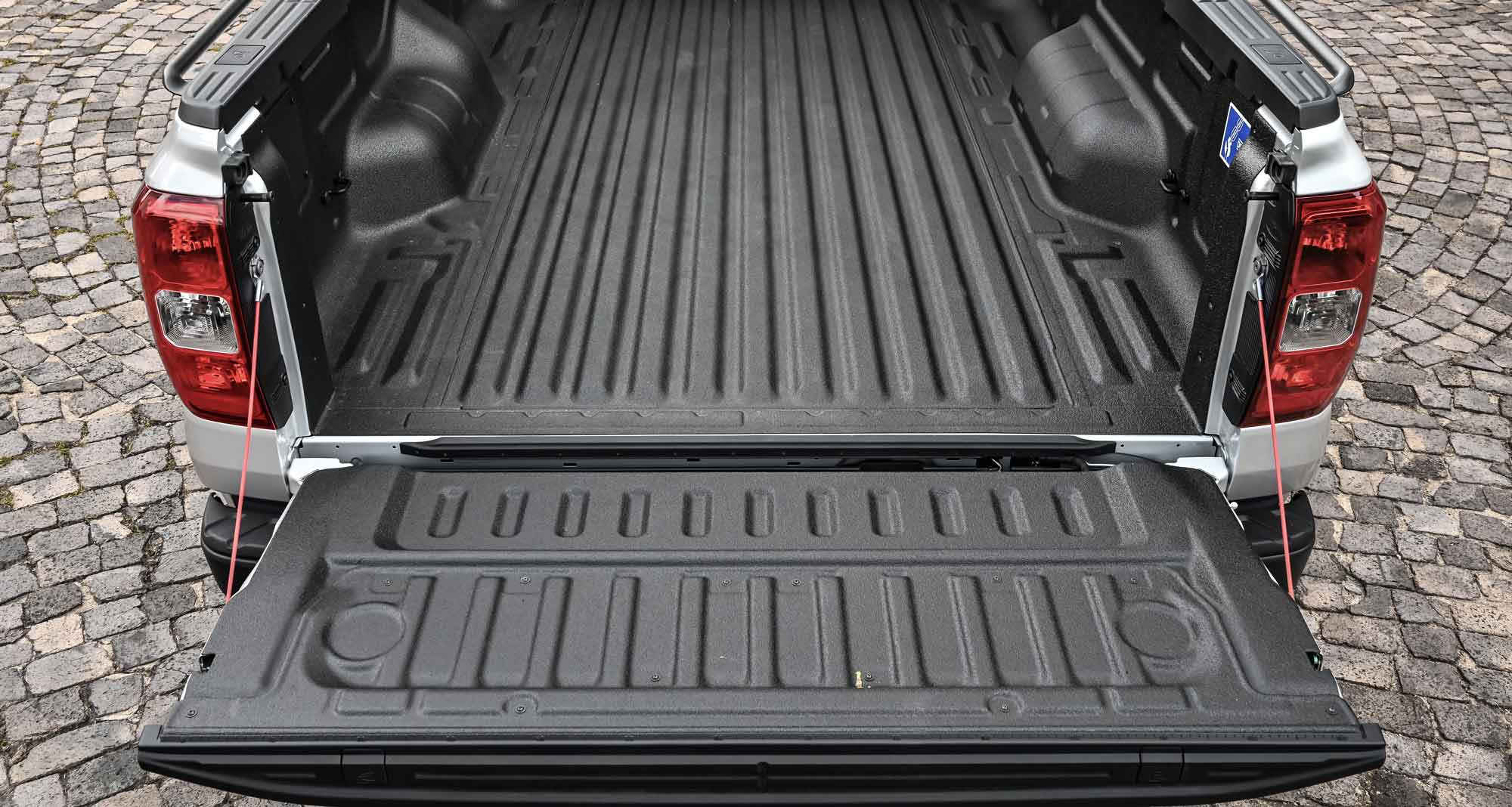
Spray-on liners, typically made from high-grade polyurethane, are the industry standard for heavy-duty protection. A professional applies them in thick, seamless layers that bond chemically to the truck bed metal. This creates a non-slip, waterproof barrier that is exceptionally resistant to chemicals and abrasion. While the dump truck bed liner price for this option is on the higher end, its longevity and performance often justify the cost for operators who face the toughest conditions.
Drop-In Plastic Liners
These are pre-molded plastic sheets that are fitted into the bed. The primary advantage is a lower upfront cost and the potential for a quick installation. However, they can trap moisture and debris between the liner and the metal bed, leading to hidden rust and corrosion. For a dump truck constantly hauling heavy, shifting loads, drop-in liners may not provide the same level of impact protection and can crack over time.
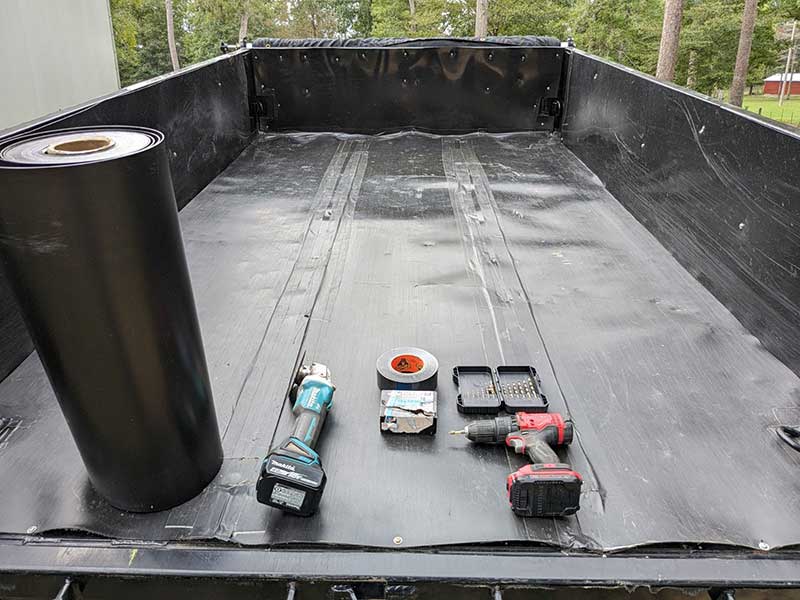
Trowel-On or Brush-On Linics
Often sold as DIY kits, these liners are thicker pastes that are manually applied. They can be a budget-friendly stopgap, but achieving a consistent, professional-grade thickness and finish is challenging. For a commercial dump truck, this is generally not recommended as the protective qualities are inferior to a professionally sprayed system.
| Liner Type | Average Cost | Durability | Best For |
|---|---|---|---|
| Spray-On Polyurethane | $3,000 – $6,000+ | Excellent | Heavy-duty, daily commercial use |
| Drop-In Plastic | $1,500 – $3,000 | Good | Lighter-duty or budget-conscious operators |
| Trowel-On/Brush-On | $500 – $1,200 | Fair | Temporary protection or DIY projects |
Key Factors That Determine Your Final Cost
Why such a wide price range? Several concrete elements directly impact your final bill.
Truck Bed Size and Surface Area
This is the most obvious factor. A standard single-axle dump truck will cost significantly less to line than a massive tri-axle truck. Most applicators charge by the linear foot of the bed or calculate a price based on the total square footage that needs coating. More surface area means more material and labor time.
Material Quality and Brand
Not all spray-on liners are created equal. Premium brands like Line-X or Rhino Linings have established reputations for quality and often come with robust warranties. These products use specialized polyurethane formulas that resist UV damage, chemicals, and extreme temperatures. Opting for a reputable brand might increase the initial dump truck bed liner cost, but it pays off in long-term bed protection and resale value.
Surface Preparation and Labor
Professional application is about 80% preparation and 20% spraying. A proper job requires thoroughly cleaning the bed, removing any existing rust, and sandblasting (abrasive blasting) the surface to create an ideal profile for adhesion. Skipping these steps is a recipe for liner failure. Labor costs vary by region and the shop’s expertise, but this skilled work is a major component of the price.
Additional Services and Customization
Additional services can add to the cost but also to the value. This includes coating the tailgate’s interior, adding a non-slip texture to the top rails, or applying a UV-resistant topcoat to prevent fading. Some operators also choose to have the liner color-matched to their truck for a more professional appearance.
Is a Professional Bed Liner Worth the Investment?
From a pure cost-benefit perspective, a high-quality spray-on liner is one of the smartest investments you can make for your dump truck. Here’s why:
- Prevents Costly Repairs: A damaged truck bed is incredibly expensive to repair or replace. A liner acts as a sacrificial layer, absorbing impacts and abrasions that would otherwise destroy the bed metal.
- Fights Corrosion: By creating a seamless, waterproof barrier, you block the primary cause of rust and corrosion, especially critical when hauling wet materials or operating in areas that use road salt.
- Improves Material Unloading: A smooth, non-stick polyurethane surface allows sticky materials like clay or wet dirt to slide out more easily, reducing time spent cleaning and increasing operational efficiency.
- Boosts Resale Value: A truck with a well-maintained, professionally lined bed is far more attractive to used equipment buyers. It’s a clear sign that the asset has been properly cared for.
Mike Richardson, a fleet manager with over 20 years of experience and a certified equipment specialist, states, “In our fleet, we budget for a professional spray-on liner on every new dump truck. The upfront cost of a dump truck bed liner is minor compared to the thousands we save on avoided bed repairs and the extended service life we get from each vehicle. It’s non-negotiable for protecting our capital investment.”
Choosing the Right Supplier and Installer
Your liner is only as good as the person applying it. When selecting an installer, don’t just choose the cheapest quote. Look for a business with a strong track record in commercial truck applications. Ask to see examples of their previous work, specifically on dump trucks. Inquire about their surface preparation process and the specific brand of material they use. A reputable installer will be transparent about their methods and happy to provide a detailed, written estimate.
For those sourcing new trucks, considering a manufacturer that offers lining as a factory or dealer-installed option can be efficient. For instance, Chinese Truck Factory often provides customizable protection packages for their durable and cost-effective dump truck models, ensuring your vehicle is job-ready from day one.
Frequently Asked Questions
How long does a dump truck bed liner last?
A professionally applied spray-on polyurethane liner can last the entire lifetime of the truck, often 10 years or more, with minimal maintenance. Drop-in and DIY liners have a much shorter effective lifespan, typically ranging from 3 to 5 years before needing replacement or causing underlying issues.
Can I install a bed liner myself to save money?
While DIY kits are available, they are not recommended for commercial dump trucks. The application requires specialized equipment for surface preparation (like sandblasters) and spraying to achieve the correct thickness and adhesion. An improper application can fail prematurely, leading to trapped moisture and accelerated rust, ultimately costing you more than a professional job would have.
Does a bed liner affect the truck’s payload capacity?
The weight added by a spray-on liner is negligible—typically only 60 to 80 pounds for a full-size application. This is a minuscule fraction of the truck’s payload capacity and is far outweighed by the protection it offers. Drop-in liners are slightly heavier but still not a significant factor for payload calculations.
What is the best way to maintain a spray-on bed liner?
Maintenance is simple. Periodically rinse it with water to remove debris. For tougher materials, a stiff-bristled brush and a mild detergent can be used. Avoid using harsh chemical solvents, which can degrade the liner over time. Inspect it annually for any cuts or gouges that penetrate down to the metal, as these small areas should be patched to prevent rust.
Sources and References
- Federal Highway Administration (FHWA) – For data on commercial vehicle maintenance and lifecycle costs.
- American Trucking Associations (ATA) – For industry best practices and equipment management guidelines.
- Expert commentary provided by Mike Richardson, Certified Equipment Manager (CEM).