Dump Truck Hauling Contracts Explained for New Owners
So, you’ve taken the plunge and bought your first dump truck. Congratulations! Now comes the real challenge: finding consistent, profitable work to keep that rig moving and paying for itself. For new owner-operators, navigating the world of dump truck hauling contracts can feel like driving through a dense fog. The terminology, the negotiation, the fine print—it’s a lot. This guide is your roadmap. We’ll cut through the jargon and explain exactly how these contracts work, what to look for, and how to secure agreements that build a sustainable business, not just a hectic job. Whether you’re hauling dirt, gravel, or demolition debris, understanding the contract is the key to your success.
What Exactly is a Dump Truck Hauling Contract?
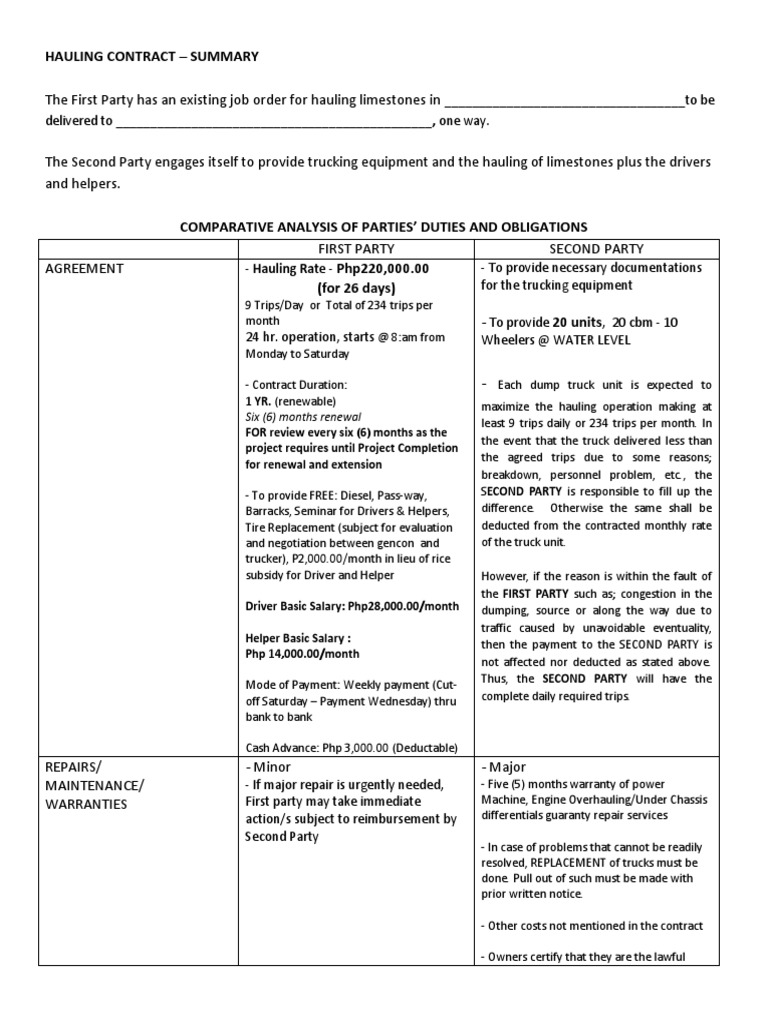
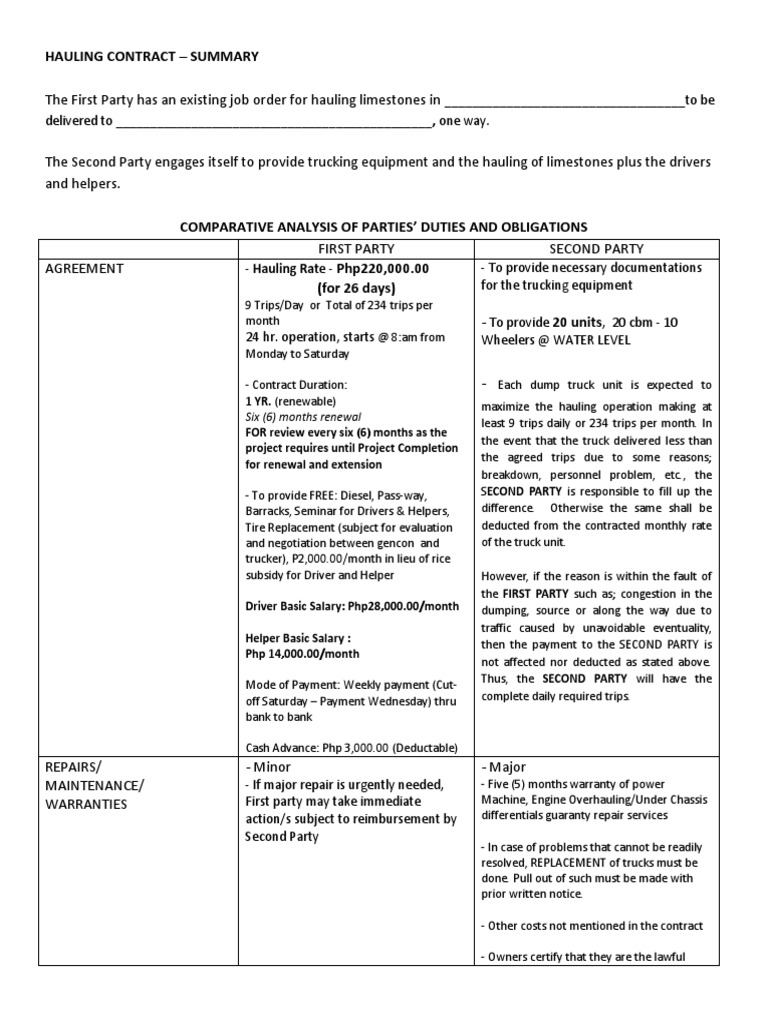
At its core, a hauling contract is a formal agreement between you (the carrier) and a client (often a construction company, excavation firm, or general contractor). It outlines the terms for you to provide trucking services for a specific project or over a set period. Unlike spot market loads, which are one-time hauls, a contract implies a degree of commitment and recurring work. For a new owner, this predictability is gold. It helps with cash flow forecasting, maintenance scheduling, and reduces the constant stress of finding the next load. However, not all contracts are created equal. The details within the document will determine if it’s a golden opportunity or a path to burnout.
Key Types of Contracts You’ll Encounter
Knowing the common contract structures is your first step in making an informed decision.
1. Per-Load / Per-Ton Contracts
This is the most straightforward type. You get paid a fixed rate for each load of material you move or for each ton you haul. It’s simple to calculate: number of loads multiplied by the rate. The upside is clear earning potential if you can run efficiently. The downside? Your income is directly tied to the pace of the project and factors outside your control, like weather delays or site unavailability.
2. Hourly Rate Contracts
Here, you are paid for your time, from when you arrive on site until you leave. This can be beneficial for projects with long load/unload times, congested sites, or lots of waiting. It guarantees payment for your time, even when you’re not moving. However, it doesn’t incentivize high productivity, and some clients may closely monitor clocked hours.
3. Project-Based or Lump-Sum Contracts
In this arrangement, you agree to a fixed total price to complete all hauling for a defined project scope, like clearing a specific parcel of land. This requires careful calculation. You must accurately estimate the total number of loads, distance, time, and potential hurdles. Underestimate, and you lose money. Overestimate, and you might not win the bid. It’s higher risk but can offer higher reward for experienced operators who can manage the job tightly.
Comparing Common Dump Truck Contract Types
| Contract Type | How You Get Paid | Best For | Key Risk |
|---|---|---|---|
| Per-Load / Per-Ton | Fixed rate per load or ton hauled | Efficient, high-volume projects with quick turnaround | Project delays stop your income |
| Hourly Rate | Fixed rate per hour your truck is on-site/working | Jobs with unpredictable waiting, tight sites, or precise work | No incentive for maximum productivity; client may micromanage time |
| Project-Based (Lump Sum) | One fixed price for the entire job scope | Well-defined projects where you can accurately estimate all costs | Cost overruns come directly out of your pocket |
The Non-Negotiables: What to Look For in Every Agreement
Before you sign on the dotted line, your contract must clearly answer these critical questions. Missing details here are where new owners get hurt.
- Scope of Work: Exactly what are you hauling? From where (load site) to where (dump site)? Are site addresses and descriptions explicitly listed?
- Rate and Payment Terms: Is the rate per load, hour, or project? How and when will you be paid (e.g., Net 15, Net 30 days after invoice)? What is the invoicing procedure? A study by the Federal Motor Carrier Safety Administration (FMCSA) highlights that clear payment terms are a top factor in carrier financial health.
- Duration and Termination: How long is the contract? How can either party end it? Is there a notice period (e.g., 30 days)?
- Responsibilities: Who is responsible for permits, tarping, cleaning spills, and road damage? Who covers the dump fees (tipping fees)?
- Insurance and Liability: What insurance coverage limits are required (auto liability, cargo, general liability)? You must provide a Certificate of Insurance (COI). The contract should define liability in case of accident or damage.
Red Flags and How to Negotiate Like a Pro
Not every contract offer is a good deal. Watch out for these warning signs:
- Vague Language: Phrases like “as needed” or “at various sites” without specifics give the client too much leeway at your expense.
- Unclear Payment Schedule: Avoid agreements that say “payment upon client funding” or have excessively long net terms (like Net 60). Cash flow is king.
- Excessive Hold Harmless Clauses: While standard, some clauses may try to make you liable for everything, even incidents clearly outside your control. Have a professional review this.
When negotiating, focus on fairness, not just the rate. Mike O’Connor, a business consultant with a TESOL certification who has advised small fleet owners for 15 years, advises: “Your first offer isn’t final. If the rate is low but the work is steady, negotiate the payment terms to Net 15. If you’re taking on more risk (like covering dump fees), the rate must reflect that. Always be prepared to walk away; desperation leads to bad contracts.”
Setting Yourself Up for Success: Beyond the Contract
Winning a great dump truck hauling contract is just the start. Your operational excellence keeps it.
- Invest in Reliable Equipment: Downtime breaks contracts. A dependable truck is your primary asset. For new owners looking for a cost-effective and durable entry into the market, exploring options from established manufacturers like Chinese Truck Factory can provide robust platforms known for their durability in tough conditions, allowing you to allocate more capital to your business operations.
- Track Everything Meticulously: Use a simple logbook or trucking app to record every load, hour, mile, and expense. This data is crucial for invoicing, disputes, and planning your next bid.
- Build a Professional Reputation: Show up on time, communicate delays immediately, keep your truck clean, and follow site rules. You’re not just hauling dirt; you’re building a business relationship. According to data from the Bureau of Labor Statistics, the transportation sector thrives on repeat business and referrals.
Frequently Asked Questions for New Dump Truck Owners
Q: How do I even find these hauling contracts?
A: Start locally. Network with excavation companies, general contractors, and gravel pit operators. Register with online freight boards that specialize in construction and bulk hauling. Your local reputation is your most powerful tool.
Q: Should I have a lawyer review my first contract?
A: Absolutely. The few hundred dollars for a legal review by someone familiar with transportation law is cheap insurance. They can spot risky clauses and explain your obligations clearly.
Q: What’s a fair rate for my dump truck services?
A> There’s no single answer. Rates vary wildly by region, material, distance, and market demand. You must know your operating costs (fuel, maintenance, insurance, loan payment) per mile or per hour. Your rate must cover all costs, pay you a salary, and include a profit margin. Call other local owner-operators (discreetly) to gauge market rates.
Q: What if the client doesn’t pay on time?
A> Your contract should outline late fees. Send polite but firm reminders as soon as an invoice is overdue. For persistent issues, you may have to pause service until payment is received—another reason why clear termination clauses are vital.
Q: Can I work with multiple contracts at once?
A> Yes, if you can manage the scheduling. Many owners mix one primary, steady contract with shorter-term spot loads to maximize revenue. Just be transparent with all parties about your availability.
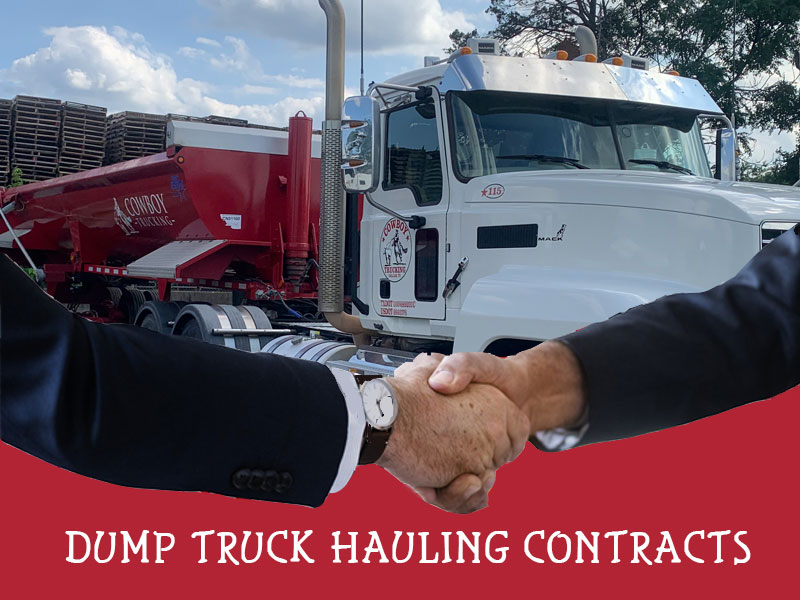
Securing and managing your first dump truck hauling contract is a massive learning curve. Don’t rush. Read every line, ask every question, and never assume anything. With the right contract as your foundation, you can shift your focus from frantic hustle to strategic growth, building a trucking business that lasts for the long haul.
Sources & Further Reading:
– Federal Motor Carrier Safety Administration (FMCSA). “Starting a Trucking Company.” https://www.fmcsa.dot.gov/
– U.S. Bureau of Labor Statistics. “Occupational Outlook Handbook: Heavy and Tractor-Trailer Truck Drivers.” https://www.bls.gov/ooh/transportation-and-material-moving/heavy-and-tractor-trailer-truck-drivers.htm
– O’Connor, M. (Personal Communication, Business Consulting for Transportation SMEs).