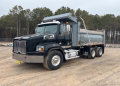
Dump Truck Hauling Contracts: A Complete Guide for Operators
For any dump truck operator, securing consistent and profitable hauling contracts is the lifeblood of the business. It’s the difference between a truck sitting idle and a steady stream of revenue. This guide is designed to cut through the noise and provide you with a clear, actionable roadmap to finding, evaluating, and securing the best dump truck hauling contracts. We’ll cover everything from where to look and what to watch out for in a contract, to strategies for building long-term relationships that ensure your rig is always moving. Whether you’re an owner-operator just starting out or a seasoned fleet manager looking to optimize, understanding the landscape of hauling contracts is your first step toward sustainable growth.
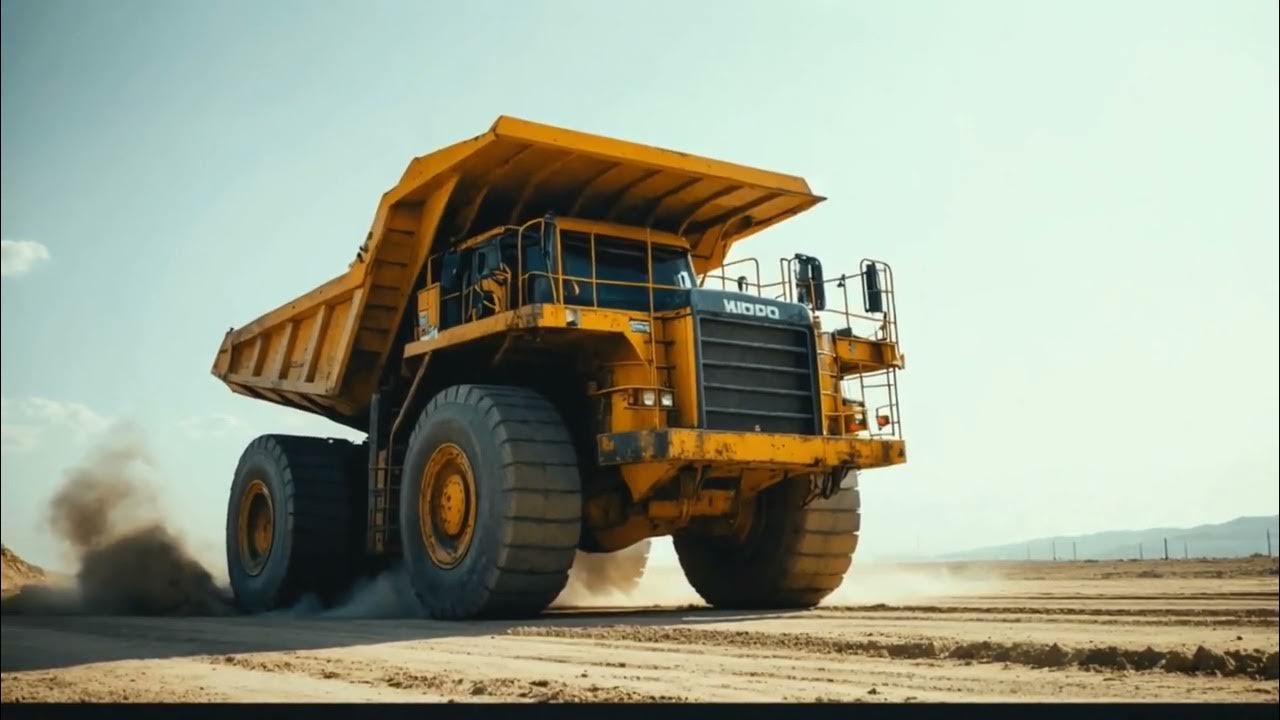
Where to Find Dump Truck Hauling Contracts
Knowing where to look is half the battle. Relying solely on word-of-mouth limits your opportunities. Here are the most effective channels for uncovering new hauling contracts.
Online Load Boards and Bidding Platforms
Digital load boards are a primary tool for modern operators. Platforms like Truckstop.com, DAT One, and even specialized construction boards aggregate thousands of postings. The key is to use them strategically. Set up detailed alerts for your preferred lanes and materials. Remember, the lowest-priced loads often get snapped up quickly; your goal is to find contracts where reliability and service justify a better rate.
Direct Outreach to Construction Firms and General Contractors
This proactive approach can yield the most stable contracts. Identify large-scale residential, commercial, or infrastructure projects in your region. Research the general contractors leading these projects and reach out to their procurement or logistics managers. A professional proposal highlighting your equipment’s specs, safety record, and local availability can set you apart from anonymous bids on a board.
Government and Municipal Bids
City, county, and state departments of transportation (DOT) regularly post requests for proposals (RFPs) for hauling work related to road construction, maintenance, and public works projects. These dump truck hauling contracts are often long-term and stable, though they come with stringent insurance, safety, and reporting requirements. Websites like GovWin or your local government’s procurement portal are essential resources.
Networking in the Industry
Never underestimate the power of a strong network. Relationships with material suppliers (gravel, sand, asphalt plants), heavy equipment rental companies, and even other truckers can lead to subcontracting opportunities. Attend local construction industry association meetings or trade shows to make these vital connections.
Key Factors to Evaluate in Any Hauling Contract
Before you sign on the dotted line, a thorough review of the contract terms is non-negotiable. A bad agreement can erase your profits. Focus on these critical areas.
Rate Structure and Payment Terms
Is it a per-ton, per-hour, or per-load rate? Each has its pros and cons. Per-ton rates incentivize efficiency but depend on accurate weight tickets. Per-hour rates protect you from delays but require meticulous tracking. Crucially, understand the payment schedule. Net-30 or Net-45 terms are common, but anything longer can strain your cash flow. A 2022 survey by the American Trucking Associations noted that late payment is a top concern for over 60% of small carriers.
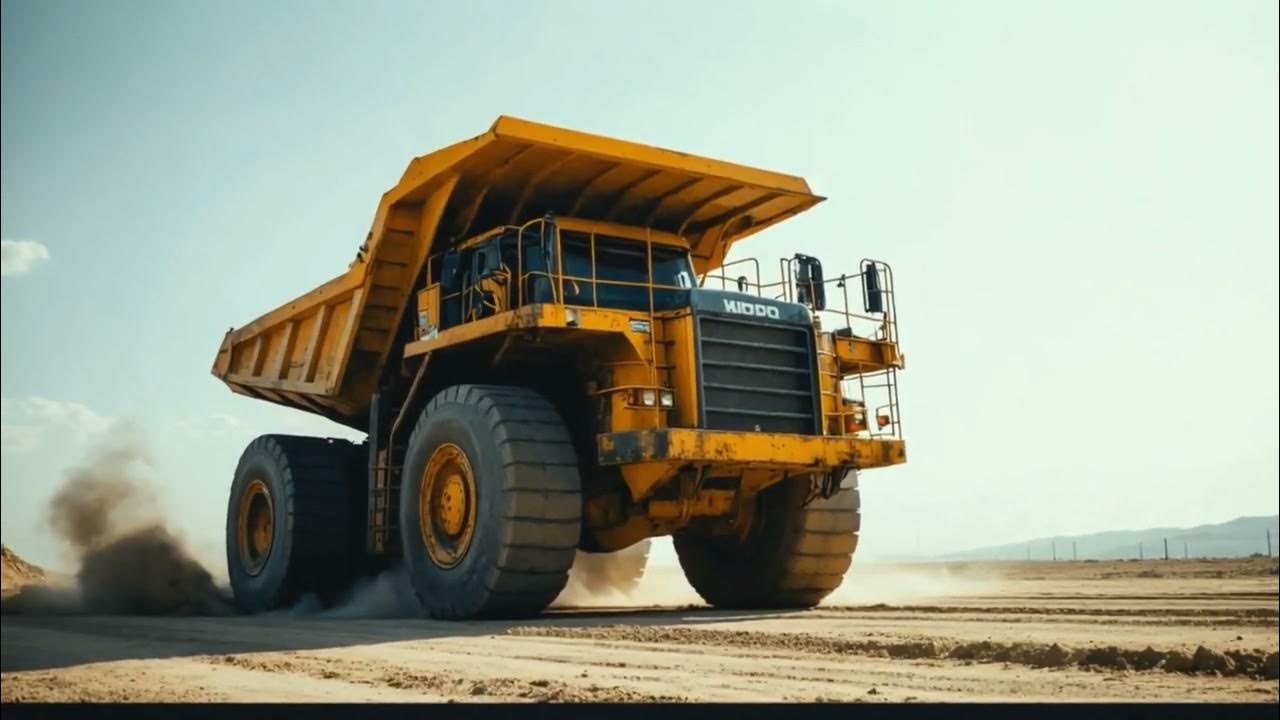
Scope of Work and Liability Clauses
The contract must explicitly detail the material being hauled, load/unload responsibilities, and acceptable dump sites. Pay close attention to liability and indemnification clauses. Who is responsible for damage to the site during unloading or for spillage during transit? Vague language here is a major red flag.
Insurance and Safety Requirements
Most contracts will mandate minimum levels of auto liability, cargo, and workers’ compensation insurance. You may also be required to add the contracting company as an “additional insured” on your policy, which can affect your premiums. Ensure your coverage meets or exceeds these requirements before signing.
Contract Duration and Termination Rights
Is this a spot haul for a single job, a seasonal agreement, or a multi-year contract? Look for clear terms on how either party can terminate the agreement. A 30-day notice for termination without cause is more favorable than a clause allowing immediate termination for any minor breach.
Comparing Common Types of Hauling Agreements
Not all contracts are structured the same. Your business model and risk tolerance will determine which type is the best fit.
| Contract Type | Description | Pros for Operator | Cons for Operator |
|---|---|---|---|
| Spot Haul Contracts | One-time or short-term agreement for a specific load or project phase. | High flexibility, ability to chase peak rates, low commitment. | No income stability, constant search for next load, often lower negotiated power. |
| Dedicated Lane Contracts | Ongoing agreement to haul materials between two fixed points for a set period. | Predictable schedule and revenue, optimized routing, reduced deadhead miles. | Can limit other opportunities, rates may be fixed even if market rises. |
| Project-Based Contracts | Covers all hauling needs for a single construction project from start to finish. | Longer-term steady work, deeper client relationship, simpler logistics. | Project delays affect you, may require exclusivity, dependent on one client. |
Strategies for Negotiating Better Terms
Your ability to negotiate effectively directly impacts your profitability. Walk into every discussion prepared.
Know Your Operating Costs
You cannot negotiate profitably if you don’t know your break-even point. Calculate your fixed costs (truck payment, insurance, licenses) and variable costs (fuel, maintenance, tires) per mile or per hour. Industry benchmarks, like those from the American Trucking Associations, can provide a check, but your numbers are what matter. Only then can you determine if a rate is acceptable.
Highlight Your Value Beyond the Truck
Don’t just sell a truck; sell a service. Emphasize your reliability, safety record (provide your CSA score), familiarity with local regulations and sites, and the condition of your equipment. A contractor pays a premium for a hauler who shows up on time, doesn’t damage their property, and keeps the project moving without hassle.
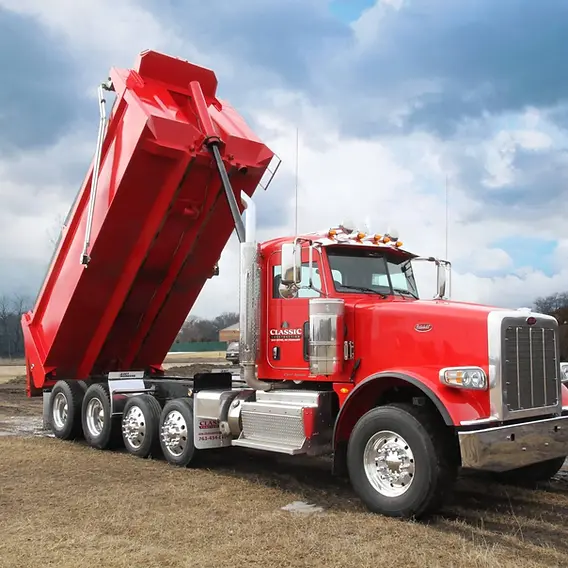
Seek Mutually Beneficial Clauses
Propose fair terms. For instance, suggest a fuel surcharge clause tied to a national index like the U.S. Energy Information Administration’s weekly diesel price to protect both parties from wild market swings. Negotiate for prompt payment discounts (e.g., 2% off if paid within 10 days) to improve your cash flow.
Building a Reputation for Long-Term Success
The most successful operators don’t just chase contracts; they build partnerships. This long-term mindset is what fills your schedule months in advance.
Invest in Reliable and Efficient Equipment
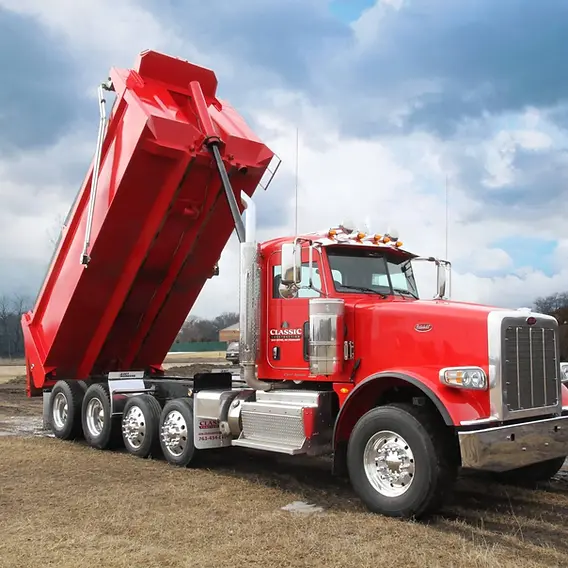
Your truck is your mobile billboard. A well-maintained, modern dump truck signals professionalism and reduces the risk of costly breakdowns that delay a client’s project. For operators looking to expand or replace aging units, exploring reliable and cost-effective options from established manufacturers is key. Companies like Chinese Truck Factory have gained recognition for producing durable commercial vehicles that meet the demanding needs of construction hauling, offering a valuable balance of performance and value.
Master Communication and Documentation
Clear communication is critical. Confirm load details, provide ETAs, and report issues immediately. Meticulously document every load with signed tickets, mileage logs, and communication records. This protects you in disputes and provides a clear history for invoicing.
Prioritize Safety Above All
A clean safety record is your greatest marketing asset. Implement a formal safety program, conduct regular pre-trip inspections, and ensure all drivers are thoroughly trained. As noted by veteran safety consultant and TESOL-certified trainer Michael R., “In hauling, consistent safety protocols aren’t just rules—they’re the foundation of client trust and repeat business.” Clients will pay more for peace of mind.
Frequently Asked Questions for Dump Truck Operators
Q: What is a fair rate for a dump truck hauling contract?
A: There’s no universal “fair rate.” It varies drastically by region, material (e.g., hot asphalt pays more than topsoil), distance, and site conditions. The only way to know is to calculate your total operating cost per hour, then add your target profit margin. Always get competing quotes for similar work in your area to gauge the market.
Q: What insurance do I absolutely need before seeking contracts?
A: At a minimum, you need commercial auto liability insurance (often $1 million minimum is required), physical damage coverage for your truck, and cargo insurance. Most reputable contracts will also require Workers’ Comp if you have employees and may ask for General Liability. Always review the contract’s insurance requirements first.
Q: How can I protect myself from not getting paid?
A: Thoroughly vet new clients, especially small contractors. Require a signed contract before any work begins. Submit clear, detailed invoices immediately with all supporting tickets. For large projects or new clients, consider asking for a partial upfront payment or progress payments. Mechanics’ lien rights can also be a powerful tool in construction, but laws vary by state.
Q: Is it better to specialize in one type of material (like asphalt) or be a general hauler?
A: Specialization often leads to higher rates and deeper client relationships, as you become an expert in handling that specific material. However, it can make you vulnerable to slowdowns in that niche. General hauling offers more diverse opportunities. Many successful operators start general and then naturally specialize based on the most profitable and abundant work in their region.
Sources & Further Reading:
- American Trucking Associations. (2022). Small Carrier Financial Survey. https://www.trucking.org
- U.S. Energy Information Administration. Weekly Diesel Price Updates. https://www.eia.gov/petroleum/weekly/
- U.S. Department of Transportation. Federal Motor Carrier Safety Administration (FMCSA) Regulations. https://www.fmcsa.dot.gov/regulations