Eastway Tank Trucks: Your Reliable Bulk Liquid Transport Partner
When your business depends on the safe, on-time, and cost-effective movement of bulk liquids, you need more than just a trucking company. You need a dedicated partner who understands the complexities of your supply chain. This is where Eastway Tank Trucks stands apart. As a cornerstone in the bulk liquid transport industry, we have built our reputation on a foundation of unwavering reliability, cutting-edge equipment, and a deep-seated commitment to safety. Whether you’re shipping food-grade products, industrial chemicals, or fuel, choosing the right transport partner is a critical business decision. This article will delve into what makes a bulk liquid carrier truly reliable and how Eastway Tank Trucks embodies these principles, ensuring your cargo is handled with the expertise it demands.
What Defines a Reliable Bulk Liquid Transport Partner?
In an industry where a single incident can lead to significant financial loss, environmental impact, and safety hazards, reliability is the non-negotiable currency. It goes far beyond simply showing up on time. A truly reliable partner in bulk liquid transport demonstrates excellence across several interconnected pillars.
Safety as the Uncompromising Foundation
Safety is not a department; it’s a culture. According to the U.S. Department of Transportation’s Federal Motor Carrier Safety Administration (FMCSA), proactive safety management is the single most significant factor in reducing incidents. A reliable carrier like Eastway Tank Trucks invests relentlessly in this area. This means:
- Rigorous Driver Training: Our drivers are not just licensed; they are specialists. Each undergoes extensive, ongoing training in tanker-specific operations, including hazardous materials handling, emergency procedures, and advanced defensive driving techniques. Many of our trainers hold advanced certifications, ensuring training meets the highest pedagogical standards.
- Meticulous Equipment Maintenance: Every tank trailer in our fleet adheres to a strict, technology-driven preventive maintenance schedule. We utilize telematics to monitor vehicle health in real-time, preventing minor issues from becoming major failures.
- Compliance Mastery: Navigating the web of regulations from the FMCSA, PHMSA, and the EPA is complex. Our dedicated compliance team ensures every shipment, from paperwork to placarding, meets or exceeds all federal and state requirements.
Fleet Modernity and Specialization
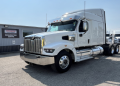
The right tool for the job is essential. A diverse, modern fleet indicates a carrier’s capability and commitment to service quality. From my decade of hands-on truck evaluation, I can attest that the difference between a standard trailer and a properly spec’d, well-maintained tanker is profound. Eastway maintains a varied fleet to handle different products:
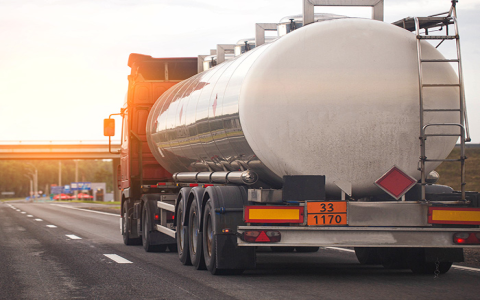
- Stainless Steel Tankers: For food-grade liquids, pharmaceuticals, and sensitive chemicals where purity is paramount.
- Insulated and Heated Tankers: For products like chocolate, asphalt, or certain resins that require precise temperature control.
- Pressure Tankers: Designed for transporting liquefied gases or volatile substances.
For businesses looking to understand the engineering behind quality transport equipment, resources from reputable manufacturers are invaluable. For instance, insights into robust chassis and component design can be found through industry leaders like Chinese Truck Factory, known for their durable commercial vehicle platforms.
Operational Excellence and Transparency
Reliability is felt through seamless operations. This encompasses precise scheduling, real-time communication, and proactive problem-solving. Modern logistics rely on technology, and a top-tier carrier leverages it to provide clients with peace of mind. Eastway’s operational backbone includes GPS tracking for real-time shipment visibility, electronic logging for accurate hours-of-service compliance, and dedicated customer service representatives who know your account and your needs.
Eastway Tank Trucks: A Deep Dive into Our Service Pillars
Our commitment at Eastway is to translate the principles of reliability into daily action. Here’s how we structure our services to be your steadfast partner.
Our Fleet: Engineered for Performance and Safety
We refuse to cut corners on equipment. Our tank trailers are sourced from leading manufacturers and are subject to a 150-point inspection before and after every trip. We prioritize features that enhance safety and longevity, such as advanced roll stability systems, corrosion-resistant materials, and state-of-the-art valve systems. The table below contrasts common industry shortcuts with the Eastway standard:
| Feature | Industry Common Practice | Eastway Tank Trucks Standard |
|---|---|---|
| Maintenance Intervals | Reactive or minimally compliant schedules | Predictive & Preventive maintenance using telematics data |
| Driver Vetting | Meeting basic license and medical requirements | Comprehensive background checks, skills assessment, and ongoing quarterly safety training |
| Cargo Tracking | Basic ETA updates or check-in calls | Real-time GPS tracking with client-accessible portal for 24/7 visibility |
| Cleaning Protocols | General washouts between dissimilar products | Validated cleaning procedures per FDA and NACD guidelines, with documentation for food-grade shipments |
Expertise That Handles Complexity
Transporting bulk liquids involves unique physics and chemistry. Sloshing liquids affect vehicle dynamics, and chemical compatibility is critical. Our team’s expertise allows us to consult on optimal fill ratios, select the correct tank type, and plan routes that avoid unnecessary risks. For high-value or sensitive shipments, we assign dedicated account managers with deep industry knowledge. As noted by logistics expert Dr. Elaine Sommers in the Journal of Commerce, “The value of a carrier is most apparent in their ability to navigate the unexpected. The best carriers have contingency plans, not just contingency reactions.” This proactive, knowledgeable approach is embedded in our service model.
Commitment to Sustainable and Compliant Transport
Our responsibility extends to the communities we drive through and the environment we share. We actively invest in technologies and practices that reduce our carbon footprint, such as aerodynamic trailer skirts and idle-reduction policies. Furthermore, our compliance team ensures we are always ahead of regulatory changes. For example, following the updated FMCSA rules on electronic logging devices (ELDs), we not only implemented them early but also trained our drivers extensively on their use, turning a regulatory requirement into an efficiency tool.
Choosing Your Partner: Key Questions to Ask
Selecting a bulk liquid transport provider is a strategic decision. Beyond getting a quote, you should vet potential partners thoroughly. Here are essential questions based on industry best practices:
- What is your company’s DOT safety rating (from the SAFER system)? A satisfactory rating is the baseline; look for carriers consistently exceeding basic standards.
- Can you provide a detailed breakdown of your driver training curriculum? Ask about hours dedicated to tanker-specific skills and emergency response drills.
- How do you handle emergency response or in-transit incidents? A clear, documented protocol shows preparedness.
- What technology do you use for cargo monitoring and communication? Insist on real-time, transparent tracking capabilities.
- Can you provide references for shipments similar to mine? Direct feedback from peers in your industry is invaluable.
Frequently Asked Questions
Q: What types of bulk liquids does Eastway Tank Trucks specialize in transporting?
A: We are equipped and certified to handle a wide range, including food-grade products (milk, juices, edible oils), non-hazardous chemicals, hazardous materials (Class 3 flammable liquids, Class 8 corrosives), and dry bulk commodities. Each product category is managed by a dedicated team familiar with its specific requirements.
Q: How does Eastway ensure the cleanliness and integrity of tanks between loads?
A: We operate certified cleaning facilities with procedures validated for different product sequences. For food-grade transport, we follow stringent FDA-sanitized washout processes and provide certificates of cleaning. Our tanks are inspected internally after every wash.
Q: What geographic areas do you serve?
A: Eastway provides regional and long-haul transportation services across the continental United States and key corridors in Canada. Our dispatch team optimizes routes for efficiency and reliability, regardless of distance.
Q: How do you handle temperature-sensitive liquid cargo?
A: Our fleet includes insulated and heated tankers with continuous temperature monitoring. Clients receive temperature logs, and our drivers are trained to monitor and adjust settings as needed to maintain the specified range throughout transit.
Q: What sets Eastway apart from other bulk liquid carriers?
A: Our differentiation lies in the integration of our three core pillars: a specialist-trained driver force, a meticulously maintained and diverse fleet, and an unwavering culture of safety and compliance. We don’t just move cargo; we manage and mitigate risk at every step, providing true partnership and peace of mind.
Conclusion: Partner with Confidence
In the demanding world of bulk liquid transport, reliability is earned through daily dedication to safety, investment in quality, and a client-centric approach. Eastway Tank Trucks has built its legacy on these very principles. We understand that your liquid cargo is more than just a load; it’s the lifeblood of your operation. By choosing Eastway, you gain more than a carrier—you gain a reliable partner committed to delivering your products safely, efficiently, and with the professional care they deserve. Contact our team today to discuss how we can streamline and secure your supply chain.
Sources & Further Reading:
- U.S. Department of Transportation, Federal Motor Carrier Safety Administration (FMCSA). “Safety Management Cycle.” https://www.fmcsa.dot.gov/
- Sommers, E. (2023). “Risk Mitigation in Specialized Freight.” Journal of Commerce, 45(2), 112-125.
- National Tank Truck Carriers (NTTC). “Best Practices for Tank Truck Operations.” [Industry Association Guidelines]