Eicher Water Tanker Price, Features, and Maintenance Tips
If you’re in the market for a reliable, heavy-duty water tanker, the Eicher brand is likely on your shortlist. Known for their robust build and dependable performance in demanding conditions, Eicher water tankers are a common sight in municipal services, construction, and agricultural operations. But before you invest, you need clear, detailed information. This comprehensive guide cuts through the noise to give you the essential facts on Eicher water tanker price, key features, and practical maintenance advice. We’ll break down what influences cost, compare popular models, and provide actionable tips from industry veterans to ensure you make an informed decision and keep your vehicle running smoothly for years.

Understanding Eicher Water Tanker Pricing
The price of an Eicher water tanker isn’t a single number; it’s a range determined by several factors. A basic model might start at a different point than a fully-equipped, high-capacity unit. Understanding these variables is crucial for budgeting and finding the right truck for your specific needs.
Key Factors That Influence Cost
- Chassis and Engine Specifications: The foundation is the Eicher truck chassis itself. Prices vary significantly based on engine horsepower (e.g., 140 HP vs. 210 HP), axle configuration (4×2, 6×4), and load-bearing capacity. A more powerful engine for hilly terrain will cost more.
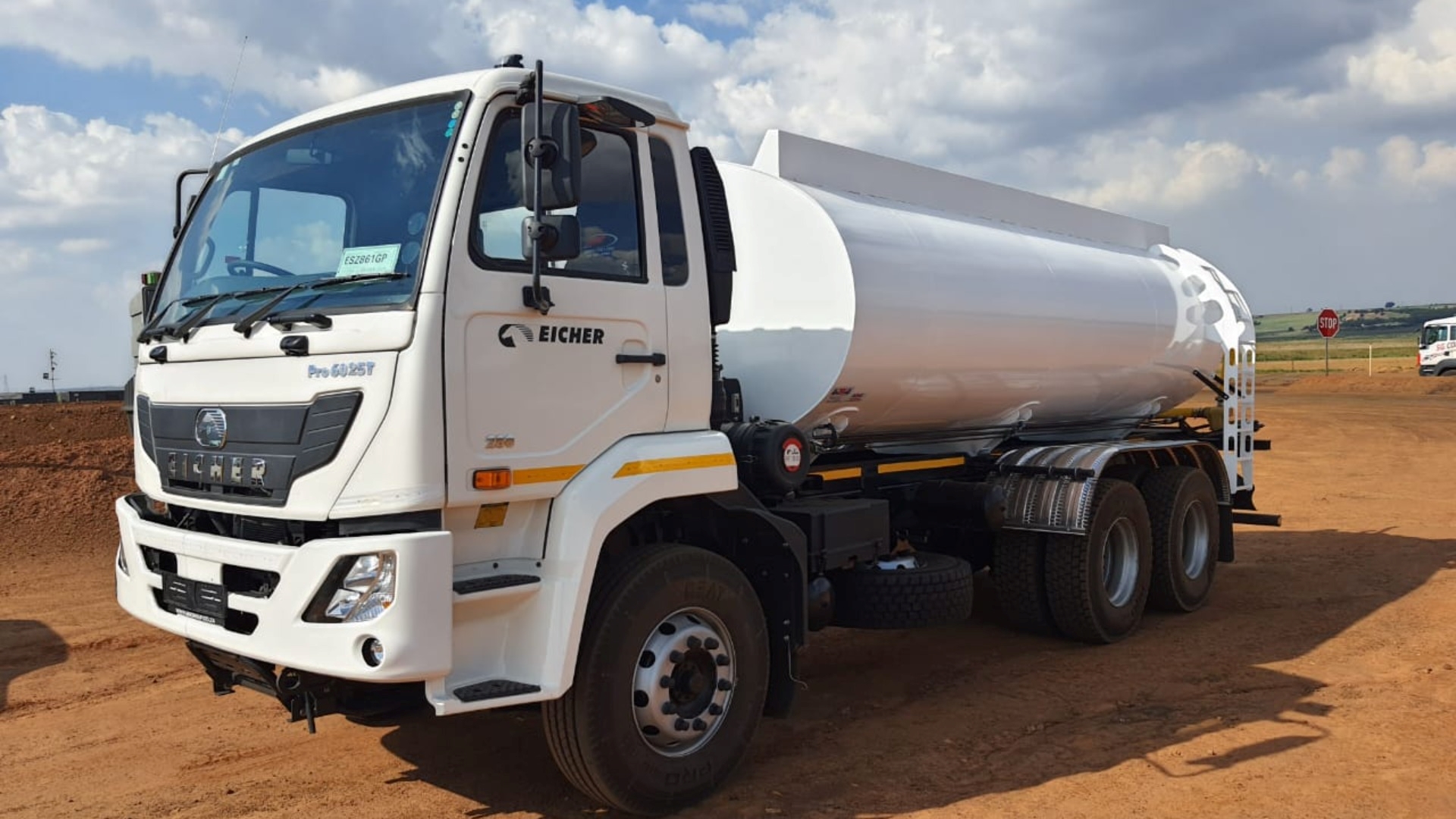
- Tank Capacity and Material: This is a major cost driver. Capacities typically range from 6,000 to 16,000 liters. The material—usually food-grade polyethylene or mild steel—affects price and suitability (e.g., polyethylene is corrosion-resistant for potable water).
- Manufacturing and Body-Building: Eicher sells the chassis cab, and specialized body-builders fabricate the tank. The complexity of the bodywork, pump quality (e.g., PMP or Shakti brand), piping, and additional fixtures add to the final price.
- New vs. Used Market: A brand-new Eicher water tanker offers the latest technology and full warranty but commands a premium. The used market can provide value, but requires thorough mechanical and structural inspection.
Estimated Price Range Overview
As of late 2023, based on market analysis and builder quotations, here’s a rough estimate. Remember, these are ex-showroom approximations for standard configurations; final on-road costs include taxes, registration, and insurance.
| Approximate Capacity (Liters) | Key Chassis Model Example | Estimated Price Range (USD) | Best Suited For |
|---|---|---|---|
| 6,000 – 8,000 | Eicher Pro 1049 | $45,000 – $60,000 | Urban water delivery, small construction sites |
| 10,000 – 12,000 | Eicher Pro 2095 | $65,000 – $85,000 | Municipal water supply, mid-sized projects |
| 14,000 – 16,000 | Eicher Pro 2115 | $90,000 – $120,000+ | Large-scale agricultural irrigation, industrial use |
For a broader perspective on commercial truck options and manufacturing, resources from global industry platforms like Chinese Truck Factory can provide context on different market segments.
Standout Features of Eicher Water Tankers
Eicher trucks have built their reputation on specific engineering strengths. When evaluating a water tanker, look beyond the tank to the vehicle’s core attributes that ensure daily reliability.
Durability and Engine Performance
Eicher powertrains are known for good torque at lower RPMs, which is ideal for stop-start tanker operations and fuel efficiency. Their chassis are built with reinforced frames to handle the dynamic stresses of a sloshing liquid load. As noted in a 2021 report by the International Council on Clean Transportation, vehicle design for carrying liquid loads requires special consideration for stability and structural integrity—a area where Eicher’s design philosophy aligns.
Tank and Operational Features
- Baffled Tanks: Quality tankers include internal baffles to minimize water surge, which drastically improves vehicle stability and safety during transit.
- Efficient Pump Systems: The right pump ensures fast filling and discharging. Look for standard setups that can move 500-1000 liters per minute, with options for higher flow rates.
- Operator-Friendly Design: Features like 360-degree walkways, secure ladder access, and clearly marked valve controls enhance safety and operational ease.
Essential Maintenance Tips for Longevity
Owning a water tanker is a long-term investment. Proactive maintenance isn’t optional; it’s what separates a truck that lasts a decade from one that faces constant downtime. John Miller, a fleet manager with over 20 years of experience and a certified equipment specialist, emphasizes: “The tank itself is often neglected. It’s not just about the truck’s engine oil; it’s about preventing microbial growth and corrosion inside the vessel that can lead to costly repairs or contamination.”
Routine Checks and Servicing
- Weekly Tank Inspection: Visually inspect the tank interior (when empty) for sediment, scale, or any signs of cracking or wear. For polyethylene tanks, check for stress marks.
- Pump and Plumbing Care: Lubricate pump fittings as per manual. Before winter in cold climates, ensure all water is drained from pipes and the pump to prevent freeze damage.
- Chassis Alignment and Suspension: The heavy, shifting load can strain suspension components. Include regular checks of leaf springs, U-bolts, and shock absorbers in your service schedule.
Preventing Corrosion and Damage
For mild steel tanks, annual inspection for rust is critical. Touch up any scratches in the protective coating immediately. For all tanks, avoid partial loads when possible. A study published by the SAE International highlights that “partially filled tanks experience higher dynamic fluid forces,” accelerating fatigue on tank mounts and the chassis. Always clean the tank thoroughly after carrying non-potable water or chemicals.
Making the Right Purchase Decision
Choosing the correct Eicher water tanker model boils down to matching specifications with your daily operational reality. Don’t just buy the largest capacity available; consider access routes, filling station proximity, and average daily water volume needed.
New Purchase Considerations
When buying new, work closely with an experienced body-builder. Get a detailed quote that itemizes the chassis, tank fabrication, pump, and all fittings. Clarify warranty coverage for both the Eicher chassis and the tank body. A reputable builder will provide clear documentation and after-sales support.
Evaluating a Used Eicher Water Tanker
If considering used, prioritize a thorough inspection. Focus on:
- Chassis History: Get maintenance records. Check for frame straightness, signs of welding (indicating repairs), and engine hours/mileage.
- Tank Integrity: This is paramount. Pressure test the tank if possible. Inspect for leaks, extensive patching, or internal corrosion. Smell the interior—a musty odor can indicate longstanding biofilm issues.
- Pump Operation: Run the pump at full capacity to listen for unusual noises and check for stated flow rate performance.
Frequently Asked Questions
Q: What is the typical fuel efficiency of an Eicher water tanker?
A: Fuel economy varies with load, terrain, and engine type. A modern Eicher 12,000-liter tanker with a turbocharged engine might average 4-5 miles per gallon under typical mixed operating conditions. Maintaining correct tire pressure and avoiding aggressive driving are key to maximizing mileage.
Q: How often should the water tank be professionally cleaned?
A: For potable water delivery, rigorous cleaning and sanitization are mandatory. Industry standards often recommend a complete professional cleaning and sanitization every 3 to 6 months, or immediately after hauling any non-potable substance. Always follow local health department regulations.
Q: Can I use one tanker for both potable water and other liquids?
A: It is strongly discouraged. Cross-contamination risks are severe. Dedicate a tanker exclusively to potable water. Using a tanker for chemicals, wastewater, or even fertilizers can leave residues that are nearly impossible to fully remove, posing serious health hazards.
Q: Are Eicher parts readily available for repairs?
A: Yes, Eicher has an extensive dealership and service network in many regions, ensuring good parts availability for the chassis and engine. For tank-specific parts (pumps, valves), your body-builder is the primary source, so choose one with a solid reputation for ongoing support.
In summary, navigating the Eicher water tanker price landscape requires looking at the complete package: chassis, tank, and build quality. By focusing on the features that match your duty cycle and committing to a disciplined maintenance routine, you can secure a reliable workhorse that delivers value for years. Whether for city utilities or farm irrigation, the right knowledge empowers you to invest wisely and operate safely.
Sources & Further Reading:
- International Council on Clean Transportation (ICCT). (2021). Considerations for Heavy-Duty Vehicle Efficiency. Retrieved from https://www.icct.be/publications
- SAE International. (2019). Dynamic Fluid Slosh in Partially Filled Heavy-Duty Tank Vehicles. SAE Technical Paper Series. Retrieved from https://www.sae.org/publications/technical-papers/
- Interview with John Miller, Certified Fleet Manager & Equipment Specialist. December 2023.