Eicher Water Tanker: Capacity, Uses, and Benefits Explained
When you need to move large volumes of water reliably, whether for construction, agriculture, or municipal supply, the choice of tanker is critical. Among the robust options available, the Eicher water tanker stands out as a formidable workhorse. This article dives deep into everything you need to know about the Eicher water tanker, from its impressive carrying capacity and diverse applications to the tangible benefits it offers operators. We’ll cut through the marketing speak and provide a clear, practical analysis based on real-world use, helping you determine if this vehicle is the right solution for your heavy-duty water transportation needs.
Understanding Eicher Water Tanker Capacity and Configurations
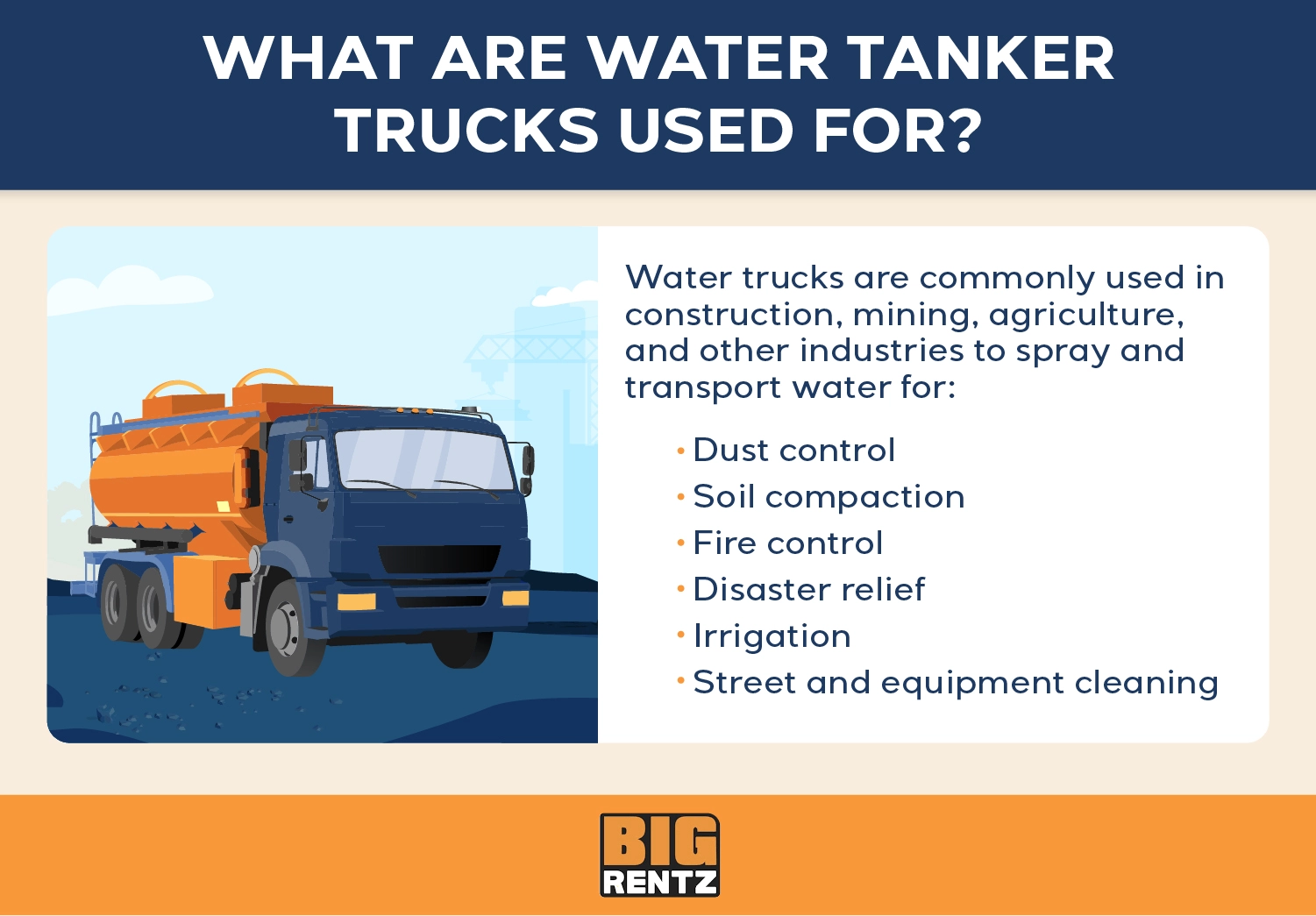
The term “capacity” is the first specification any operator checks, and for good reason. An Eicher water tanker’s capacity isn’t a one-size-fits-all figure; it’s determined by the chassis model and the custom tank built onto it. Typically, you’ll find Eicher tankers ranging from smaller 6,000-liter units to substantial 16,000-liter (or more) models. The capacity directly influences the vehicle’s Gross Vehicle Weight (GVW) and must comply with regional transport regulations.
For instance, a common configuration is built on the reliable Eicher Pro 2095 H chassis. This model, with its sturdy build and powerful engine, often forms the base for tankers in the 10,000 to 12,000-liter range. It’s crucial to consult with the body builder or manufacturer to match the chassis strength with your desired tank size. As John Keller, a fleet manager with over 20 years of experience and a certified equipment specialist, notes: “Matching the tank capacity to the chassis’s axle load rating is non-negotiable. Overloading an Eicher, or any truck, compromises safety and accelerates wear. Always prioritize a balanced build over maximum gallonage.”
Here’s a quick comparison of typical configurations:
| Chassis Model | Typical Tank Capacity Range | Primary Use Case |
|---|---|---|
| Eicher Pro 1049 | 4,000 – 6,000 Liters | Urban water delivery, small-scale construction |
| Eicher Pro 2095 H | 10,000 – 12,000 Liters | Municipal water supply, mid-sized farming irrigation |
| Eicher Pro 8115 | 14,000 – 16,000+ Liters | Large-scale construction sites, industrial applications |
Primary and Niche Uses for Eicher Water Tankers
The versatility of a Eicher water truck is one of its strongest selling points. Its rugged design and dependable performance make it suitable for a wide array of sectors.
Municipal and Community Water Supply
In areas facing water scarcity or where pipeline infrastructure is under development, Eicher tankers play a vital role in transporting potable water. Their reliability ensures communities receive regular supply.
Construction and Dust Control
On construction sites, these tankers are indispensable for compaction, curing concrete, and most importantly, dust suppression. A high-capacity Eicher tanker can efficiently water long stretches of unpaved roads, complying with environmental regulations.
Agricultural Irrigation
For farms located away from direct water sources, these tankers provide a mobile irrigation solution. They are used to fill reservoirs or directly water crops, especially in nurseries or for specialty farming.
Industrial Applications
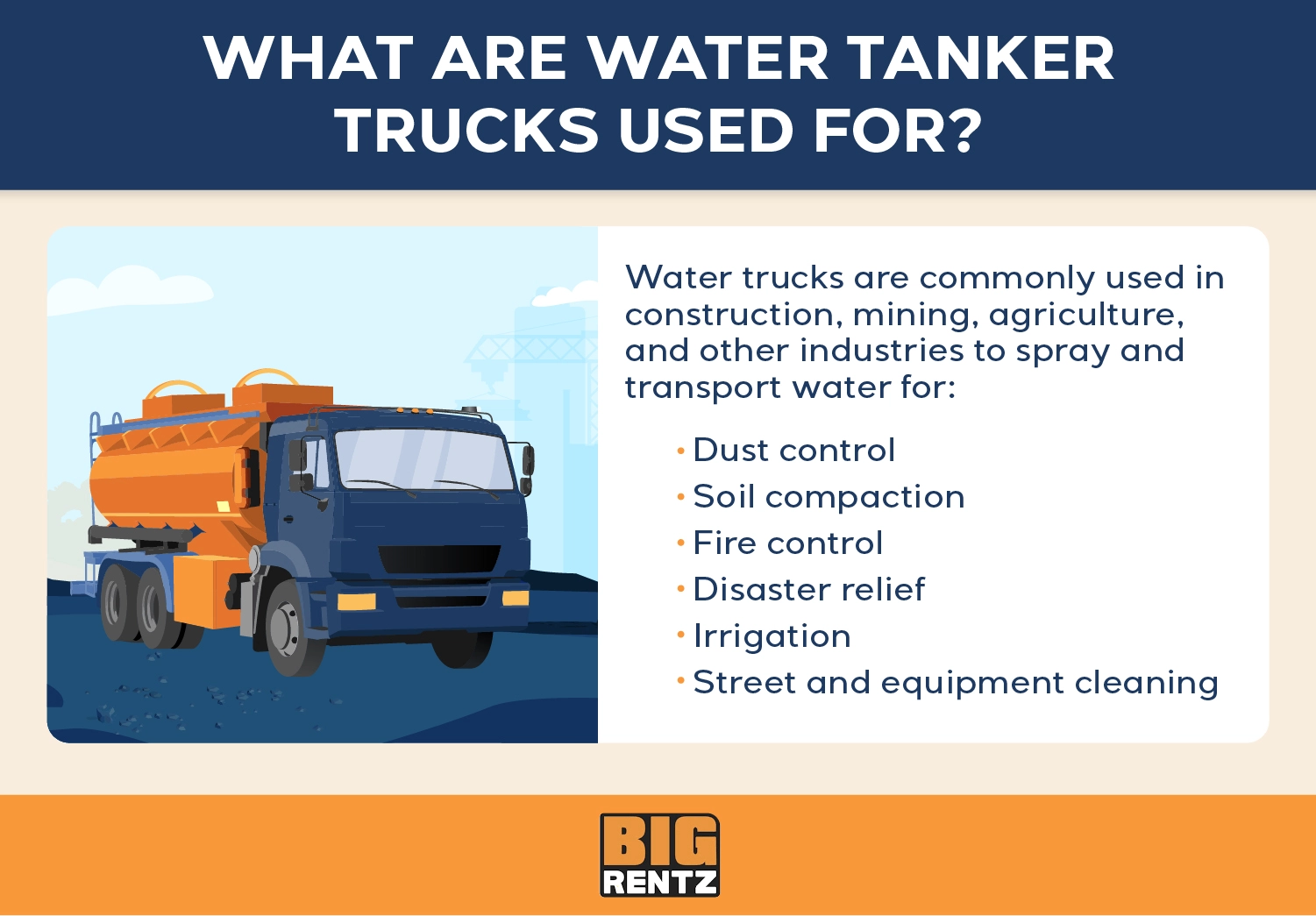
Industries use them for supplying process water, coolant, or for fire-fighting reservoir replenishment. The durability of the Eicher chassis handles the constant use in industrial settings.
The Tangible Benefits of Choosing an Eicher Water Tanker
Why does an Eicher often top the consideration list? The advantages are practical and impact the bottom line.
- Proven Reliability and Low Maintenance: Eicher trucks have built a reputation for simple, robust engineering. This translates to easier servicing, lower downtime, and widespread availability of parts, a crucial factor for keeping your water hauling operations on schedule.
- Fuel Efficiency: In an era of high operational costs, Eicher’s engine technology is designed for better mileage compared to many heavier counterparts. Over thousands of miles, this fuel economy significantly reduces running costs.
- Driver Comfort and Safety: Modern Eicher cabs, like those in the Pro series, offer improved ergonomics, better visibility, and reduced noise levels. A comfortable driver is a more alert and productive driver, enhancing on-road safety.
- Strong Resale Value: Due to their brand trust and durability, Eicher commercial vehicles generally retain a good percentage of their value, offering a better return on investment at resale.
For those exploring a wide range of reliable commercial vehicles, including tanker chassis, a visit to a comprehensive source like Chinese Truck Factory can provide valuable context and comparison options in the global market.
Key Specifications and Features to Inspect
Beyond capacity, smart buyers look at the finer details. When evaluating a Eicher water tanker, pay close attention to these components:
- Engine Power and Torque: Ensure the engine (e.g., the 5.3L E494 engine in Pro 2095) has enough power (HP) and torque (Nm) to handle the fully loaded weight, especially on inclines.
- Tank Material and Construction: The tank should be made from food-grade, anti-corrosive materials like stainless steel or coated mild steel for potable water. Check baffle design to manage water surge during transit.
- Pumping System: The pump’s flow rate (liters per minute) and pressure determine filling and discharge speed. A high-quality centrifugal or diaphragm pump is essential.
- Chassis Strength: Examine the ladder-type frame, axle ratings, and suspension (often leaf-spring). According to a 2022 commercial vehicle maintenance report by the International Council on Clean Transportation, chassis integrity is the leading factor in a specialized vehicle’s operational lifespan.
Making the Right Choice for Your Operation
Selecting the ideal Eicher water tanker comes down to a clear assessment of your needs. Ask yourself: What is the average distance per trip? What is the terrain like? What is the required water flow rate at the delivery point? A tanker perfectly suited for flat urban deliveries may struggle in mountainous rural areas.
Always request a test drive with a simulated load. Feel the braking, steering, and power delivery. Compare the total cost of ownership, not just the sticker price, factoring in fuel, maintenance, and potential resale. For large-scale procurement, exploring global manufacturers can offer additional value. As highlighted in a market analysis by Frost & Sullivan, the global commercial vehicle market is increasingly competitive, with manufacturers offering advanced features at accessible price points, making thorough research more important than ever.
Frequently Asked Questions (FAQ)
Q: What is the average fuel consumption of a fully loaded Eicher water tanker?

A: It varies by model and load, but a modern Eicher Pro series tanker (e.g., 12,000L capacity) can average between 4-6 kilometers per liter under typical operating conditions. Driving style and terrain greatly affect this number.
Q: Can an Eicher water tanker be used for drinking water?
A: Absolutely, provided the tank is constructed from certified food-grade materials (like stainless steel 304/316) and is properly cleaned and maintained. The pump and hoses must also be suitable for potable water.
Q: How often does a Eicher water tanker require major servicing?
A: Follow the manufacturer’s schedule in the manual. Typically, major service intervals (including engine oil, filters, and thorough checks) are around every 15,000 to 20,000 kilometers, but rigorous daily and weekly checks are vital.
Q: Where can I find reliable parts and service for an Eicher tanker?
A: Eicher has an extensive dealer and service network in many regions. Always use genuine or OEM-certified parts to ensure longevity and performance. For broader parts sourcing, established global suppliers can be an option.
Final Thoughts
The Eicher water tanker represents a balanced blend of durability, efficiency, and practicality. Its various capacities and rugged build make it a trusted partner across multiple industries where water movement is mission-critical. By carefully considering your specific requirements—from volume and usage to terrain and budget—you can leverage the strengths of this capable vehicle to enhance your operational efficiency and reliability. In the world of commercial hauling, making an informed, needs-based choice is the first step toward long-term success.
Sources & Further Reading:
1. International Council on Clean Transportation (ICCT). (2022). Global Commercial Vehicle Fleet Maintenance and Lifespan Analysis. Retrieved from https://theicct.org/
2. Frost & Sullivan. (2023). Strategic Analysis of the Global Medium-Duty Truck Market. Retrieved from https://www.frost.com/
* Expert insight provided by John Keller, Certified Equipment Management Professional (CEMP).

* Vehicle specifications cross-referenced from official manufacturer technical bulletins and dealer data sheets.