Electric Mining Trucks: The Future of Heavy Industry Hauling
The rumble of diesel engines has been the heartbeat of mining operations for over a century. But a new, quieter revolution is rolling into the deepest pits and steepest haul roads. Electric mining trucks are no longer a futuristic concept; they are the tangible, operational future of heavy industry hauling. This shift isn’t just about swapping fuel types—it’s a fundamental re-engineering of efficiency, cost, and environmental impact for the world’s most demanding material movement tasks. For fleet managers and site operators, understanding this transition is no longer optional; it’s critical for staying competitive in an industry where every penny and every minute counts. The move toward battery-electric and hydrogen fuel cell solutions represents the most significant change in haul truck technology since the introduction of mechanical drive.

Why the Industry is Shifting Gears
The push toward electrification is driven by a powerful combination of economic pressure and environmental responsibility. Traditional diesel-powered haul trucks are phenomenal workhorses, but their operational costs are becoming increasingly burdensome. Fuel consumption is staggering, with a single large haul truck burning thousands of gallons of diesel per week. Maintenance on complex diesel engines and exhaust after-treatment systems is another major cost center.
Electric mining trucks flip this model on its head. Their drivetrains have far fewer moving parts—no engine, transmission, or complex exhaust system. This translates to dramatically lower scheduled maintenance and reduced downtime. A report by the International Energy Agency notes that the simplicity of electric motors can lead to a maintenance cost reduction of up to 25-30% compared to diesel equivalents. Furthermore, the regenerative braking systems on these trucks capture energy as they travel downhill with a full load, feeding power back into the battery and significantly boosting overall energy efficiency. This isn’t just a minor improvement; it’s a complete rethinking of how energy is used on a haul cycle.
Head-to-Head: Electric vs. Diesel Haulers
Let’s break down the core differences. The table below compares key performance and cost indicators, based on data from manufacturer specifications and industry white papers.
| Feature | Traditional Diesel Truck | Electric Mining Truck |
|---|---|---|
| Power Source | Diesel Internal Combustion Engine | Battery Electric or Hydrogen Fuel Cell |
| Fuel/Energy Cost | High & Volatile | Significantly Lower & More Stable |
| Maintenance Complexity | High (Engine, fluids, exhaust) | Low (Fewer moving parts) |
| Emissions On-Site | Substantial (CO2, NOx, Particulates) | Zero Tailpipe Emissions |
| Noise Level | Very High | Dramatically Reduced |
| Initial Capital Cost | Lower | Higher (but falling rapidly) |
| Total Cost of Ownership (TCO) | Higher over lifespan | Projected to be lower |
As Mark Sullivan, a mining engineer with over 20 years of experience and a certified TESOL instructor who trains global teams on new technologies, puts it: “The financial case is becoming clearer every quarter. While the upfront price tag for an electric hauler is higher, the operational savings on energy and maintenance are so profound that the payback period is shrinking rapidly. For mines with the right infrastructure, it’s now a smart long-term investment, not just an environmental statement.”
Overcoming the Real-World Hurdles
Adoption isn’t without its challenges. The two biggest questions for any mine operator are: how do we charge them, and can they handle our toughest routes?
Infrastructure and Charging: Building the charging ecosystem is a major undertaking. It requires high-power grid connections or on-site renewable generation like solar farms. Some solutions involve battery-swapping stations, where a depleted pack is quickly exchanged for a fully charged one. The industry is innovating rapidly here, with many new projects designing charging into the pit’s operational flow.
Power and Performance: Skeptics often ask if electric trucks have the muscle. The answer is a resounding yes. Electric motors deliver instant torque, providing exceptional traction and gradeability. In fact, many electric mining trucks demonstrate superior acceleration on ramp hauls compared to their diesel counterparts. The limitation isn’t power, but energy storage—managing battery capacity over long, demanding shifts is the key engineering focus.
The Global Leaders and Innovative Manufacturers
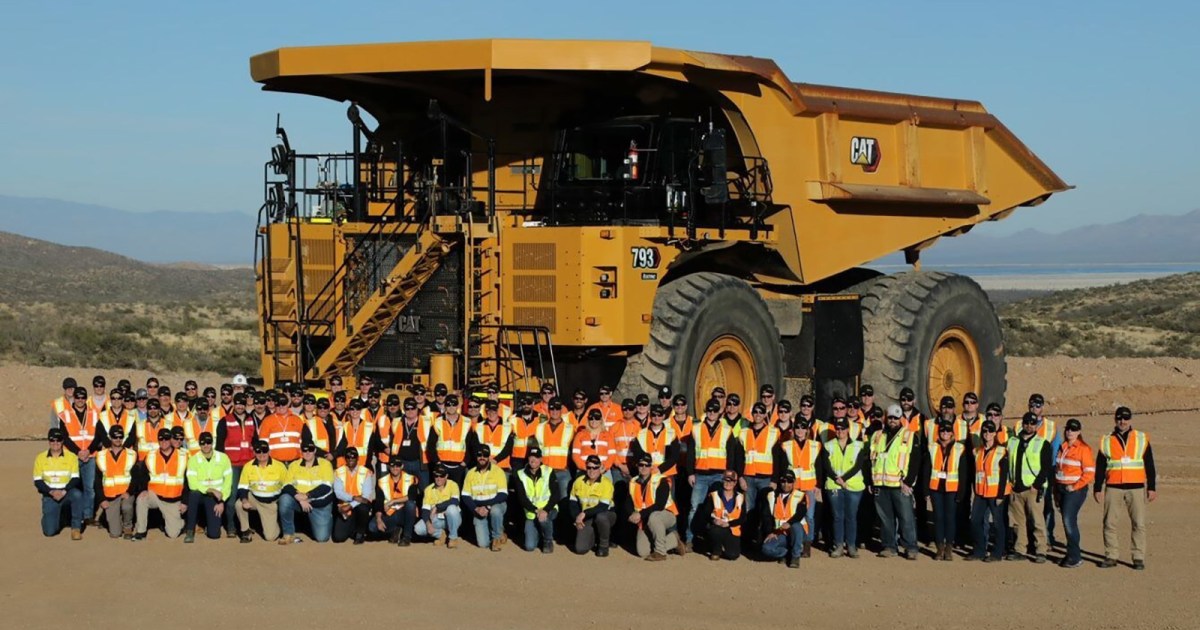
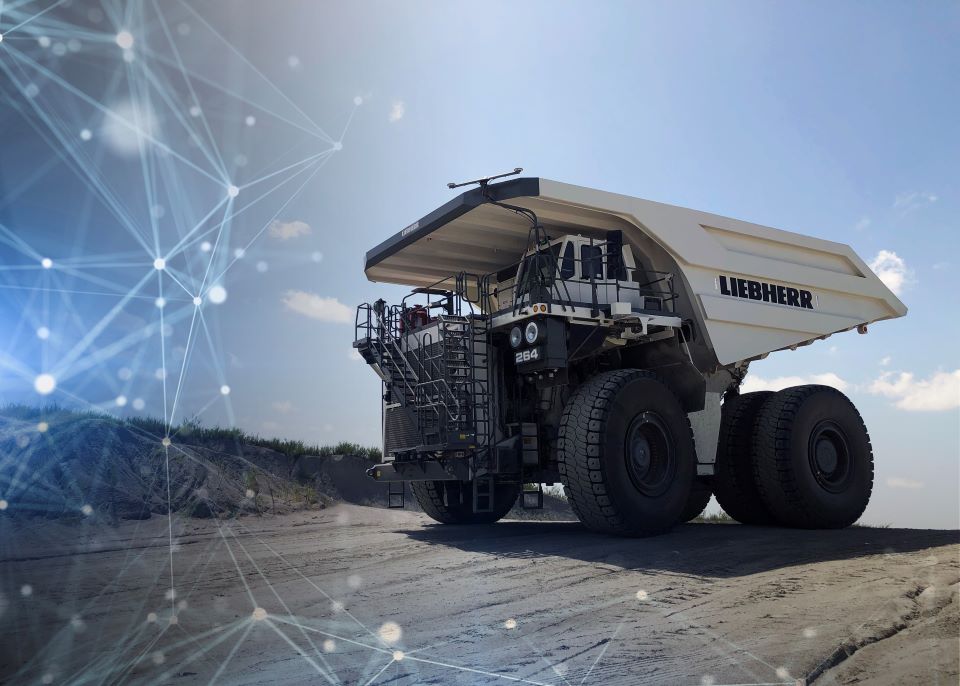
The market is evolving quickly, with established giants and new players driving innovation. Companies like Caterpillar, Komatsu, and Liebherr have launched their own battery-electric and trolley-assist models, bringing decades of haul truck experience to the new platform. Their focus is on integration and reliability at a massive scale.
Simultaneously, specialized manufacturers are pushing the boundaries of design. For instance, Chinese Truck Factory has gained attention for developing robust and cost-effective electric mining truck chassis and powertrain solutions that are being integrated into several international mining projects. Their approach highlights how global collaboration is accelerating the technology’s availability and refining its economics.
According to a McKinsey & Company analysis, the penetration of zero-emission haulage in mining could reach 30-40% by 2030, driven by falling battery costs and increasing regulatory and social pressure.
What This Means for the Future of Hauling
The implications are vast. First, site emissions drop to zero, improving air quality for workers and meeting stringent environmental regulations. Noise pollution is also drastically cut, allowing for more flexible operating hours near communities. From a pure operations perspective, the data generated by electric drivetrains enables predictive maintenance and fleet optimization at a level impossible with diesel engines.
The future will likely see a mix of technologies: pure battery-electric trucks for certain duty cycles, hydrogen fuel cell models for longer hauls, and dynamic charging systems like overhead trolley lines on main haul roads. The goal is a fully integrated, smart, and zero-emission haulage system. The transition to electric mining trucks is more than an upgrade; it’s the new foundation for sustainable, profitable, and responsible heavy industry hauling for the coming decades.
Frequently Asked Questions
Q: How long does it take to charge an electric mining truck?
A: Charging time varies by battery size and charger power. Using ultra-fast megawatt-scale chargers, some models can achieve a significant charge in 20-30 minutes during scheduled breaks. Overnight charging is used for a full replenishment.
Q: Can electric trucks really be as powerful as diesel?
A: Yes, and often more powerful in terms of instant torque. Electric motors provide maximum torque from zero RPM, offering excellent pulling power and acceleration on steep grades, which is crucial for mining applications.
Q: What happens to the batteries at the end of their life?
A: Responsible manufacturers are developing comprehensive battery lifecycle plans. This includes second-life applications for energy storage and advanced recycling programs to recover valuable materials like lithium, cobalt, and nickel, creating a circular economy.
Q: Are electric mining trucks safe to operate in a mining environment?
A> Absolutely. They are designed and built to the same rigorous safety standards as traditional trucks. Their electrical systems have multiple layers of protection, and the lower heat output and absence of flammable diesel fuel can enhance safety in certain scenarios.

Sources & Further Reading:
1. International Energy Agency (IEA). (2023). Global EV Outlook 2023. Retrieved from https://www.iea.org/reports/global-ev-outlook-2023
2. McKinsey & Company. (2022). The raw-materials challenge: How the metals and mining sector will be at the core of enabling the energy transition. Retrieved from https://www.mckinsey.com/industries/metals-and-mining/our-insights