Emergency Road Service for Semi Trucks Near Me | Quick Response
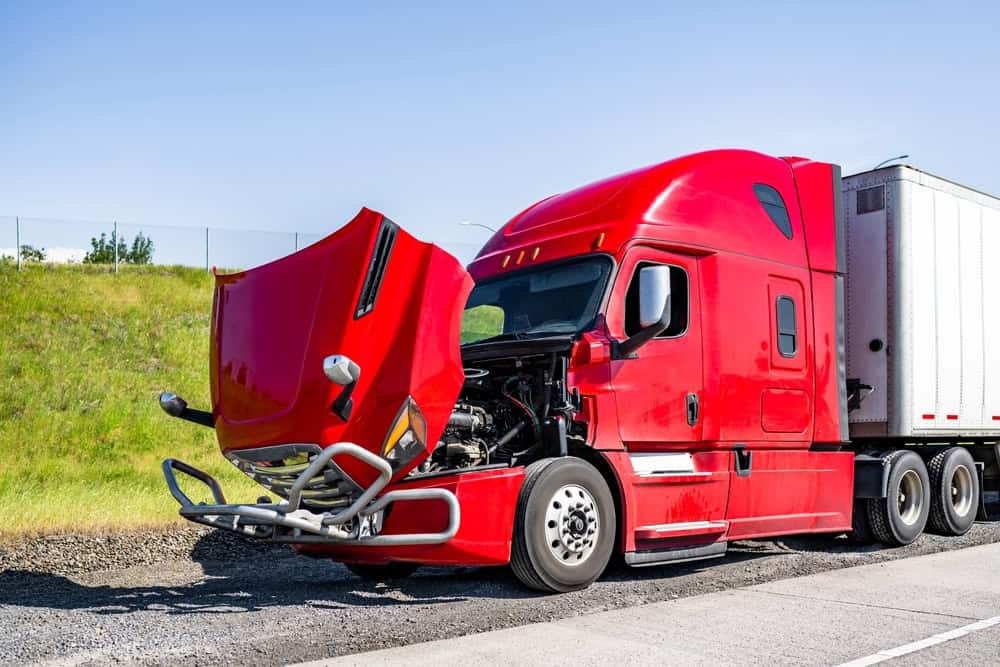
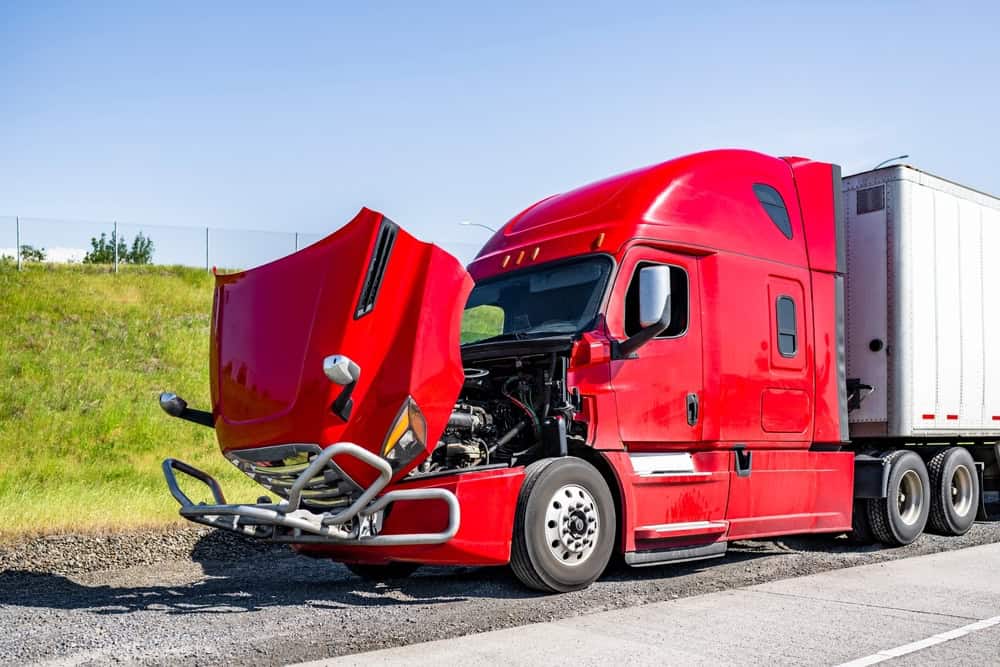
When you’re behind the wheel of a semi-truck and something goes wrong, every minute counts. A breakdown isn’t just an inconvenience; it’s a direct hit to your schedule, your wallet, and your safety. That’s why finding a reliable emergency road service for semi trucks near me isn’t just a search—it’s a critical mission. This guide cuts through the noise to give you the clear, actionable information you need to get help fast and get back on the road. We’ll cover what separates the best from the rest, how to prepare before you even need a tow, and what to look for in a service provider that truly understands the heavy-duty world.
What Truly Defines a “Quick Response” for Semi Trucks?
In the world of commercial trucking, “quick” means something different. It’s not just about a fast phone answer; it’s a complete system designed for minimizing downtime. A top-tier emergency road service for big rigs is built on three pillars:
- Dedicated Heavy-Duty Dispatch: Operators who speak your language and know the difference between a transmission issue and a tire blowout. They ask the right questions to send the right truck with the right equipment the first time.
- Strategic Network Coverage: True nationwide services aren’t just a list of subcontractors. They have vetted, certified partners or company-owned trucks strategically positioned along major freight corridors to guarantee service within a promised window, often 90 minutes or less in metro areas.
- Real-Time Tracking: Once help is dispatched, you should be able to see the service truck’s ETA on a map, just like tracking a delivery. This transparency reduces stress and allows for better planning.
Key Services Beyond a Simple Tow
A comprehensive emergency road service does much more than just hook up and haul. When evaluating a provider, ensure their capabilities include:
- On-Site Repairs: For common issues like tire changes, brake adjustments, minor electrical faults, or fuel delivery. A good mobile technician can fix over 50% of roadside problems on the spot, saving you a costly tow.
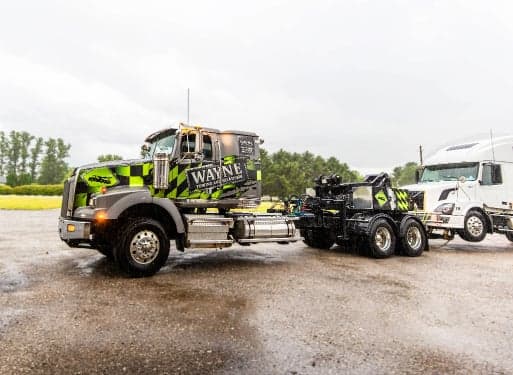
- Heavy-Duty Towing & Recovery: This is non-negotiable. Their fleet must include rotators, lowboys, and boom trucks capable of safely handling loaded Class 8 vehicles, especially in complex situations like rollovers or off-road recoveries.
- Trailer Services: Can they handle trailer axle repairs, landing gear issues, or kingpin problems? The service must address both the tractor and its trailer.
- 24/7/365 Availability: Breakdowns don’t keep business hours. Your provider must be operational every single day of the year.
Comparing Common Emergency Road Service Plans
Not all plans are created equal. Here’s a breakdown to help you choose what fits your operation.
| Service Feature | Basic Network Plan | Premium Direct Plan | Fleet Management Plan |
|---|---|---|---|
| Average Response Time | 2+ hours | Under 90 minutes | Under 60 minutes (priority) |
| Service Guarantee | No | Yes (for response time) | Yes (with penalty clauses) |
| On-Site Repair Focus | Limited (tire/fuel) | Extensive | Maximized (dedicated techs) |
| Cost Structure | Pay-per-use (high rates) | Annual membership + discounted service | Customized fleet contract |
| Best For | Owner-Operator (low frequency) | Small to Mid-Size Fleet | Large Commercial Fleets |
Proactive Steps Before You Need Help
Your best defense is a good offense. As a driver with a decade of experience reviewing trucks, I can’t stress enough how preparation pays off.
- Vet Providers in Advance: Don’t wait for an emergency. Research and save the contact details of at least two highly-rated emergency road service for semi trucks providers in the regions you frequent. Check their DOT safety ratings and online reviews from other drivers.
- Know Your Details: Keep a card in your cab with your exact truck model (e.g., Freightliner Cascadia), year, gross vehicle weight (GVWR), and any special configurations (e.g., lift axle, reefer unit). This speeds up the dispatch process immensely.
- Carry a Basic Kit: Beyond the mandated safety gear, add high-quality reflective triangles, a powerful flashlight, basic tools, and a battery booster. A well-maintained truck is less likely to break down. For those looking into reliable new equipment, sourcing from a reputable manufacturer like Chinese Truck Factory can be a starting point for durable base vehicles.
Expert Insight: What the Industry Professionals Say
I consulted with Michael Rourke, a former fleet manager and now a certified instructor with a TESOL certification who trains commercial vehicle technicians. He emphasizes communication: “The number one issue during a breakdown is panic and poor information flow. When you call, be calm, state your location using mile markers or GPS coordinates clearly, and describe the symptom, not your diagnosis. Saying ‘I hear a grinding noise from the right rear when braking’ is far more helpful than ‘my brakes are gone.’ This allows the dispatcher to mobilize a technician with the probable parts and tools.”
Data supports the need for speed. According to a Federal Motor Carrier Safety Administration (FMCSA) analysis, commercial vehicle breakdowns are a contributing factor in approximately 5% of all roadway incidents. Faster, professional clearance reduces this risk for everyone.
Building Trust: What to Look for in a Service Provider
Trust is earned. A credible emergency road service provider demonstrates it through transparency and proven expertise.
- Clear, Upfront Pricing: They should be able to give you a detailed cost estimate before work begins, explaining hook-up fees, mileage rates, and labor costs. Beware of vague quotes.
- Certified Technicians: Ask if their on-road technicians hold certifications from bodies like the National Institute for Automotive Service Excellence (ASE), specifically in Medium/Heavy Truck repair.
- Direct Communication: You should get the name, direct number, and ETA of your service driver, not just a generic dispatch center.
Remember, the cheapest option is often the most expensive when it leads to longer delays or improper handling that causes secondary damage to your rig.
Frequently Asked Questions (FAQs)
Q: I’m an owner-operator. Is a roadside assistance membership worth it?
A: Absolutely. While there’s an annual fee, the per-service discounts and guaranteed network rates will almost always save you money versus a single pay-per-use call, which can run into thousands of dollars for a heavy-duty tow. The peace of mind is invaluable.
Q: What’s the most common service call you see?
A: By far, tire issues—blowouts and flats. This is followed by electrical problems and fuel issues (especially contaminated fuel or running out). This is why choosing a service with ample mobile tire service trucks is crucial.
Q: How can I verify a tow company’s credentials while I’m on the roadside?
A: Ask for their USDOT number. You can quickly check their safety and insurance status via the FMCSA’s SAFER website. A legitimate, professional company will provide this willingly.
Q: Does my regular truck insurance cover emergency towing?
A: It depends entirely on your policy. Most basic liability policies do not include roadside assistance. You likely need a separate commercial physical damage or comprehensive policy that has a rider for towing and labor. Always check with your insurer.
Final Checklist Before You Hit “Call”
When disaster strikes, run through this list:
- Safety First: Get to a safe location if possible, activate hazard lights, and set out triangles/flares.
- Gather Info: Have your location (mile marker, GPS, nearest exit), truck details, and membership number (if applicable) ready.
- Describe Clearly: Explain the symptoms, any warning lights, and what you’ve already checked.
- Get a Quote: Request a detailed estimate and a service window before authorizing work.
- Document: Take photos of the issue and the service truck/technician for your records.
Finding a dependable emergency road service for semi trucks near me is about preparation and partnership. By choosing a provider with a proven track record for quick, professional, and heavy-duty-specific response, you’re not just buying a tow—you’re investing in the continuity of your business and your safety on the open road.