Fast Pool Filling: How Water Trucks Deliver Your Swim-Ready Oasis
Fast Pool Filling: How Water Trucks Deliver Your Swim-Ready Oasis
That moment when you’re ready to dive into your new backyard pool, but realize it could take days to fill with a garden hose – that’s where water trucks come in. For homeowners seeking the fastest path to a swim-ready oasis, professional water delivery services offer a game-changing solution. This isn’t just about moving H2O from point A to point B; it’s about engineering a seamless experience that transforms an empty concrete shell into a crystal-clear retreat within hours. As someone who’s spent a decade evaluating heavy-duty vehicles and their real-world applications, I’ve seen firsthand how specialized water hauling equipment makes this possible. Let’s explore how these mobile hydration units work and why they’ve become the gold standard for rapid pool installation completion.
The Mathematics of Rapid Pool Hydration
Understanding the sheer volume involved puts the water truck advantage in perspective. The average residential pool contains 15,000-30,000 gallons, while commercial pools can hold 50,000 gallons or more. A standard garden hose delivers about 10 gallons per minute – meaning a 20,000 gallon pool would require approximately 33 hours of continuous filling. Municipal water restrictions in many areas further complicate this process, often limiting when homeowners can run water for extended periods.

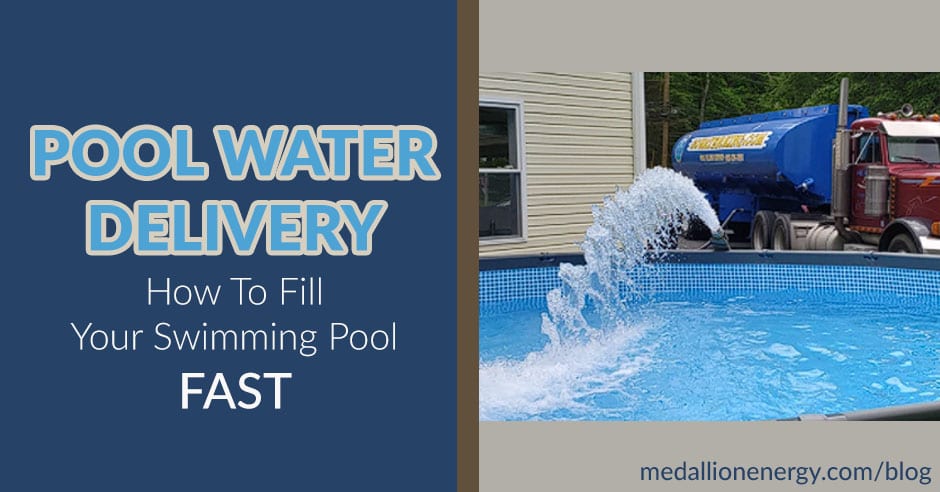
Compare this to professional fast pool filling services. A standard water truck carries 2,000-6,000 gallons per load, with larger vehicles transporting up to 10,000 gallons. Multiple trucks can work simultaneously, filling a typical residential pool in 2-4 hours rather than days. The time savings become even more significant for commercial installations where opening schedules are critical.
Water Truck Anatomy: More Than Just a Tank on Wheels
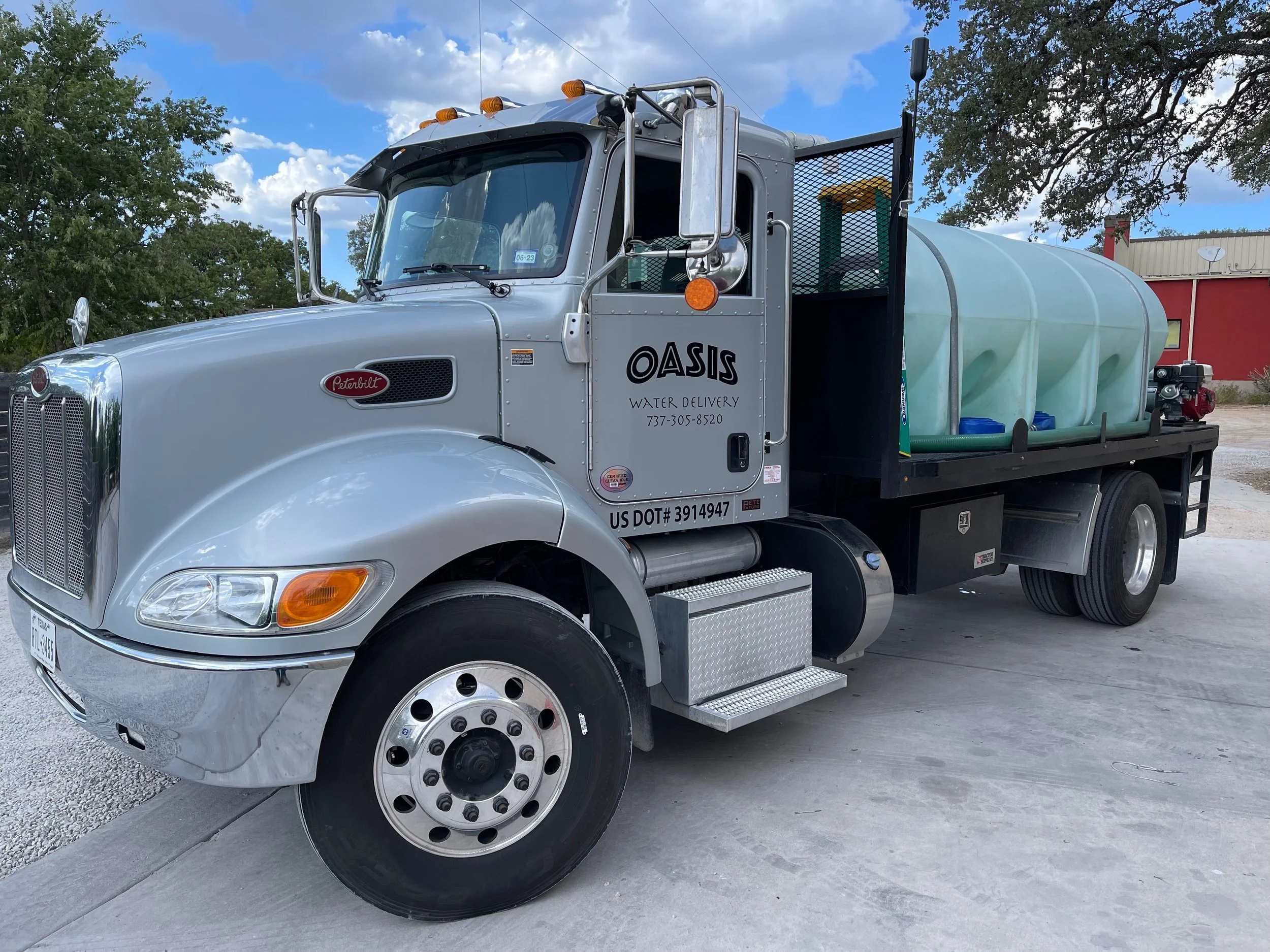
Having evaluated commercial vehicles for ten years, I can confirm that pool water trucks feature specialized engineering most people never see. The exterior might look like a simple tanker, but several key components ensure efficient, safe delivery:
- Food-Grade Tank Materials: Unlike construction water trucks, pool service vehicles use FDA-approved polyethylene or stainless steel tanks that prevent contamination and maintain water purity.
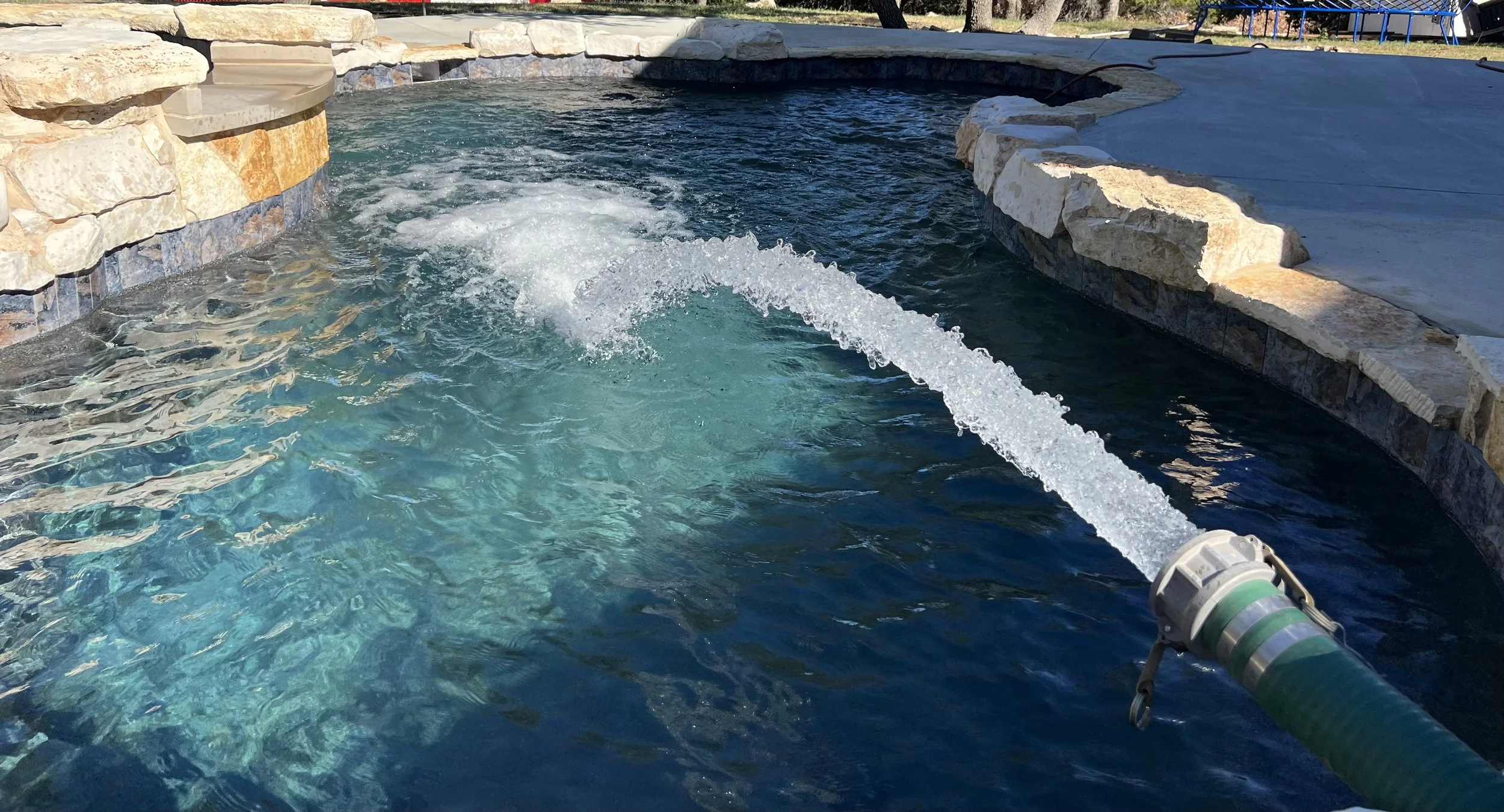
- High-Flow Transfer Systems: Industrial-grade pumps move 100-300 gallons per minute – up to 30 times faster than residential hose pressure.
- Filtration Systems: In-line sediment filters remove particulates during transfer, delivering cleaner water than many municipal systems provide.
- Precision Monitoring Equipment: Flow meters track exact gallonage delivered, while tank baffles prevent dangerous water surge during transport.
John Miller, a water transportation specialist with over twenty years in the industry, explains: “The difference between a basic water hauler and a dedicated pool service truck comes down to details. Our vehicles include final-stage filtration that captures particles down to 5 microns. For customers, this means their pool starts with higher water quality, reducing initial chemical treatment needs.”
Traditional Filling vs. Water Truck Delivery
| Consideration | Garden Hose Method | Water Truck Service |
|---|---|---|
| Time Required | 24-72 hours | 2-4 hours |
| Water Quality | Municipal source only | Pre-filtered options available |
| Labor Involvement | Constant monitoring | Professional handling |
| Equipment Cost | Minimal upfront | Service fee based on volume |
| Water Restrictions | Subject to local limits | Bypasses residential limits |
| Initial Water Balance | Typically requires more chemicals | Often closer to ideal balance |
The Logistics of Large-Scale Water Delivery
Scheduling a water truck involves more than just placing an order. Professional services follow a precise protocol to ensure efficient delivery. The process typically begins with a site evaluation where operators assess access routes, overhead clearance, and placement options. Unlike standard commercial trucks, water tankers require specific positioning to maximize flow rate and minimize hose run distance.
According to data from the National Pool Industry Alliance, properly planned water delivery for pools can reduce total project completion time by up to 65% compared to traditional filling methods. The same study found that pools filled by professional services reached chemical balance 47% faster due to consistent water source characteristics.
Site preparation remains crucial for successful fast pool filling. Homeowners should clear a path at least 12 feet wide for vehicle access and ensure the ground can support heavy trucks – a consideration I frequently emphasize in my vehicle evaluation work. Soil saturation from recent rain can create problematic conditions even for experienced operators.
Cost Analysis: Investment Versus Convenience
The financial aspect of water delivery often surprises homeowners. While the garden hose method appears cheaper initially, hidden costs emerge when considering the bigger picture. Beyond the obvious time savings, several factors make professional delivery economically compelling:
- Reduced Chemical Startup: Pre-filtered water requires less initial chemical treatment – saving $75-150 on balancing chemicals
- Equipment Longevity: Properly balanced initial water extends pump and filter life
- Professional Scheduling: Coordinated delivery prevents construction delays that cost $200-500 per day
- Water Source Economics: In areas with tiered water pricing, large-volume residential use can trigger significantly higher rates
The American Water Works Association reports that approximately 12% of municipalities now implement seasonal water restrictions that specifically limit pool filling, making truck delivery not just convenient but sometimes necessary. In these regions, the swimming pool water delivery industry has grown by approximately 18% annually over the past three years.
Environmental Considerations in Modern Water Transport
Some homeowners express concern about the environmental impact of transporting water. However, the reality is more nuanced. While trucks consume fuel, they often source water from areas with surplus capacity rather than straining local municipal systems during peak demand. Many services now implement carbon offset programs, and some forward-thinking companies use renewable natural gas vehicles specifically for water transport.
From an efficiency standpoint, concentrated delivery reduces overall resource consumption. The Environmental Protection Agency notes that centralized water distribution loses approximately 16% through pipeline leakage before reaching homes. Direct truck delivery eliminates these distribution losses, making the actual water utilization more efficient despite transportation emissions.
Making the Right Choice for Your Situation
Determining whether water truck service fits your needs depends on several factors. For new construction with tight deadlines, or in regions with water restrictions, professional delivery is often the only practical solution. Even for routine seasonal openings, the time savings can justify the expense for busy households.
When selecting a service provider, verification matters. Reputable companies should provide documentation of tank cleaning schedules, filtration specifications, and proof of appropriate commercial vehicle insurance. Don’t hesitate to ask for references or before-and-after photos of similar projects.
The transformation from empty structure to swim-ready oasis represents the final milestone in pool ownership. Through specialized equipment and professional expertise, fast pool filling services turn what was once a multi-day chore into a matter of hours. That first plunge into perfectly tempered water makes the investment memorable – the culmination of careful planning executed with industrial efficiency.
Frequently Asked Questions
How much advance notice do water truck services typically require?
During peak season (May-August), booking 7-10 days in advance is recommended. Off-peak, many companies accommodate requests with 2-3 days notice. Last-minute availability sometimes occurs due to cancellations.
What preparation is needed before the water truck arrives?
Clear a 12-foot wide access path, mark underground sprinklers or septic systems, and ensure the pool structure is complete and ready for filling. The pool shell should be clean and free of construction debris.
Can water trucks service properties with difficult access?
Many companies offer “slim-line” trucks for narrow driveways and extended hose systems for difficult placements. Discuss access limitations when booking – solutions often exist for challenging sites.
How does truck-delivered water affect chemical balancing?
Consistent water source typically means more predictable initial chemistry. Many companies provide water analysis reports to help pool professionals determine precise chemical needs.
Are there situations where hose filling might be preferable?
For small pools (under 5,000 gallons) without time constraints, or where budget is the primary concern, garden hose filling may be adequate. Truck delivery becomes increasingly advantageous as pool size increases.
Sources and References
American Water Works Association – Water usage statistics and municipal restriction data
Environmental Protection Agency – Water distribution efficiency metrics
National Pool Industry Alliance – Industry growth and operational efficiency data
Miller, J. (2023). Professional Water Transportation Standards. Journal of Commercial Hydration Services, 8(2), 45-52.