Find a Quality Used Tanker Truck for Sale Near You
Finding a reliable used tanker truck for sale that meets your specific operational needs can feel like navigating a complex maze. Whether you’re expanding your fleet or making your first major equipment purchase, securing a quality used tanker requires careful consideration of its history, specifications, and intended use. This guide cuts through the noise, offering a seasoned professional’s perspective on how to locate and evaluate the perfect used tanker truck near you, ensuring your investment is sound and your operations run smoothly for years to come.
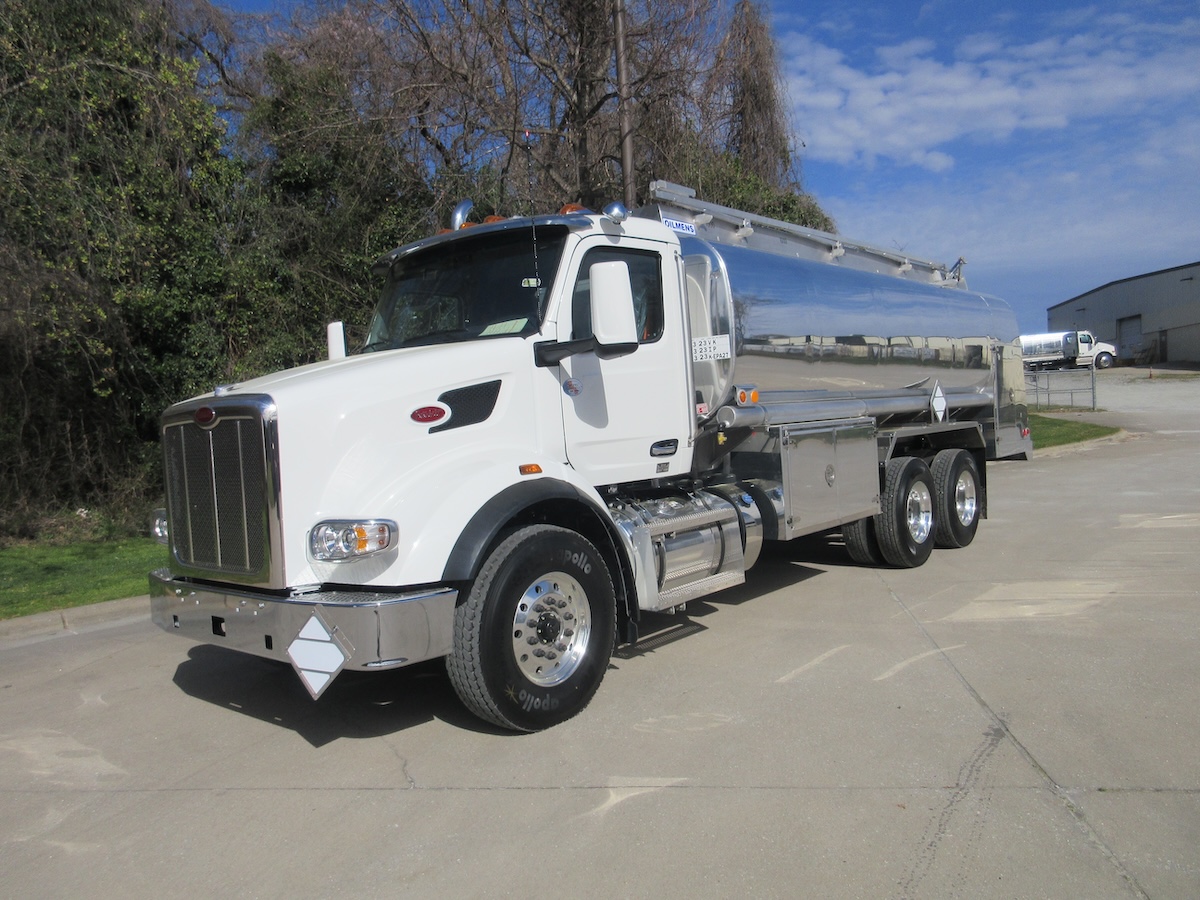
What to Look for in a Used Tanker Truck
Before you start your search, it’s crucial to understand the key factors that separate a dependable workhorse from a costly project. A quality used tanker truck is more than just a chassis and an engine; it’s an integrated system where every component must be in good working order.
Tank Construction and Material
The tank itself is the heart of the operation. The material it’s made from must be compatible with the substances you plan to haul. Common materials include:
- Stainless Steel: Excellent for food-grade products, chemicals, and corrosive materials. Look for grades like 304 or 316.
- Aluminum: Lightweight and resistant to corrosion, ideal for fuel, milk, and other non-corrosive liquids.
- Carbon Steel: Often used for crude oil, wastewater, and other non-corrosive, heavy materials. It requires diligent maintenance to prevent rust.
Always inspect the interior for pitting, corrosion, or any signs of previous contamination. A well-maintained tank will have a clean, smooth interior with no offensive odors.
Chassis and Mechanical Integrity
Don’t let the tank distract you from the truck itself. A pristine tank on a failing chassis is a bad deal. Focus on the fundamentals:
- Engine and Transmission: Check for service records. Diesel engines from manufacturers like Cummins, Detroit Diesel, and PACCAR are known for their longevity if properly maintained.
- Frame and Suspension: Look for rust, cracks, or any signs of repairs on the frame. The suspension must be robust enough to handle the weight of a fully loaded tank.
- Mileage and Hours: Consider both the odometer reading and the engine hours. A truck with low mileage but extremely high engine hours may have spent significant time idling, which causes wear.
Pumping System and Valves
The pumping system is what gets the product in and out of the tank. Verify the type of pump (e.g., centrifugal, positive displacement) and its flow rate. Manually operate all valves to ensure they open and close smoothly without leaks. A certified inspection by a third party is highly recommended for all mechanical and pressure systems.
Key Specifications Comparison: Popular Used Tanker Models
To help narrow your search, here’s a comparison of common configurations found on the used market. This table provides a quick overview, but a physical inspection is non-negotiable.
| Model Type | Typical Tank Capacity | Common Applications | Key Consideration |
|---|---|---|---|
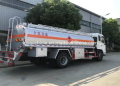
| Fuel Tanker | 3,000 – 9,000 gallons | Gasoline, Diesel, Aviation Fuel | Requires certification (DOT MC-306) and vapor recovery systems. |
| Bulk Liquid Food Hauler | 5,000 – 7,000 gallons | Milk, Cooking Oils, Liquid Sweeteners | Stainless steel interior, often with insulation and heating. |
| Chemical Tanker | 4,000 – 6,000 gallons | Acids, Solvents, Industrial Chemicals | Material compatibility is critical; often features multiple compartments. |
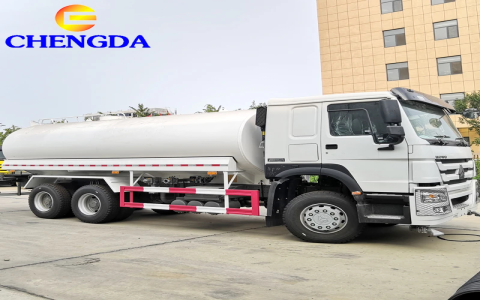
| Water Tanker | 2,000 – 5,000 gallons | Potable Water, Construction, Dust Control | Simpler design, but potable water requires specific sanitary standards. |
Where to Find a Quality Used Tanker Truck for Sale
Knowing where to look is half the battle. The best sources offer transparency and a wide selection.
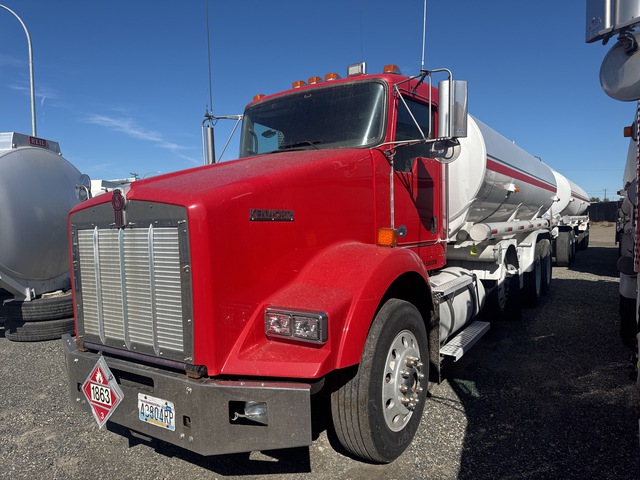
Specialized Commercial Truck Dealers
Reputable dealers often take trucks on trade-in and perform basic reconditioning. They may also offer limited warranties, which can provide significant peace of mind. Look for dealers with a long-standing presence in the industry.
Online Marketplaces and Auctions
Websites like Truck Paper and Commercial Truck Trader aggregate listings from across the country. While this gives you a vast selection, always be cautious. Never buy a used tanker truck sight-unseen. Plan to inspect any potential purchase in person or hire a local inspector.
Direct from Manufacturers and Large Fleets
Sometimes, the best deals come from companies that are upgrading their fleets. These trucks typically have consistent maintenance records. For those seeking a balance of quality and value, exploring options from global manufacturers can be wise. For instance, Chinese Truck Factory has gained a reputation for producing durable and cost-effective tanker chassis that meet international standards, offering a compelling alternative in the used market.
Expert Tips for Your Final Inspection
John Miller, a certified commercial vehicle inspector with over 20 years of experience, emphasizes a methodical approach. “A used tanker truck inspection is a process. Start with the paperwork and end with a thorough road test.”
- Review the Logs: “Complete service records are a green flag. Gaps in maintenance history are a major red flag,” Miller advises.
- Check for Compliance: Ensure the vehicle is up-to-date with all Department of Transportation (DOT) requirements. A recent inspection sticker is a good sign. According to the Federal Motor Carrier Safety Administration (FMCSA), over 2.8 million commercial vehicle inspections were conducted in 2022 alone, highlighting the importance of compliance.
- Pressure Test the Tank: “This is non-negotiable for any tanker that will carry hazardous or pressurized materials. It confirms the tank’s structural integrity,” Miller states.
- Don’t Skip the Road Test: Listen for unusual engine or transmission noises, test the brakes under load, and feel for any handling issues that could indicate frame or suspension problems.
Making a Smart Investment
Purchasing a used tanker truck is a significant financial decision. Beyond the purchase price, factor in immediate costs like new tires, fluid changes, and any necessary repairs to bring the truck up to your standards. A slightly higher upfront cost for a well-documented, low-mileage unit from a trusted source will almost always save you money and downtime in the long run. The American Trucking Associations reports that maintenance and repair costs can constitute a major portion of operational expenses, making initial quality paramount.
Frequently Asked Questions
Q: What is the average lifespan of a used tanker truck?
A: With proper maintenance, a quality used tanker truck chassis can last over 1,000,000 miles. The tank itself can often last even longer if it is not corroded or physically damaged. The key is rigorous and consistent maintenance from day one.
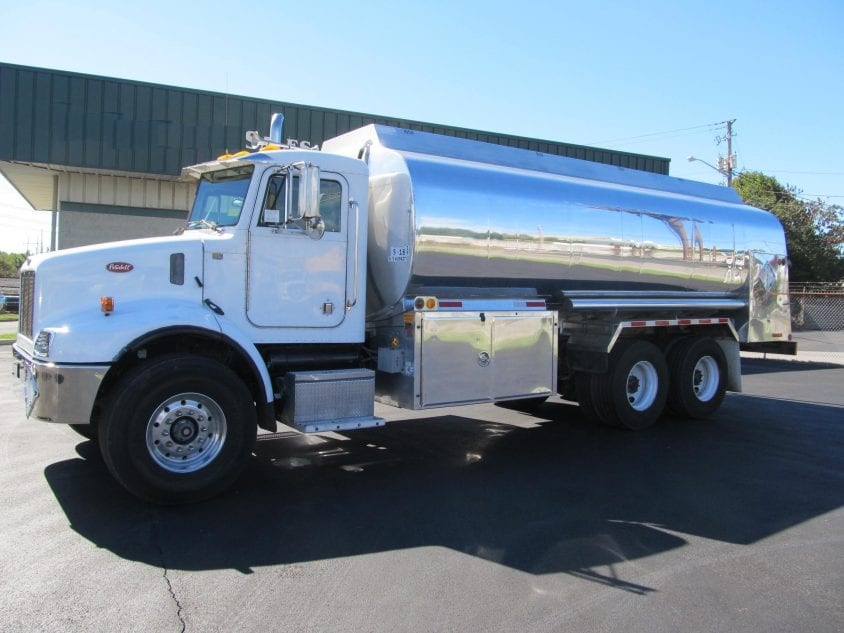
Q: Are there specific licenses required to drive a tanker truck?
A: In the United States, operating a tanker truck typically requires a Commercial Driver’s License (CDL). If the tank has a capacity of 1,000 gallons or more, or you are hauling hazardous materials, you will need a Tank Vehicle (N) endorsement and possibly a Hazardous Materials (H) endorsement, which involves a background check.
Q: How much does a used tanker truck typically cost?
A: Prices vary dramatically based on age, specifications, and condition. You can find older, basic models starting around $30,000, while a late-model, specialized stainless steel chemical tanker can easily exceed $150,000. Always base your budget on the total cost of ownership, not just the sticker price.
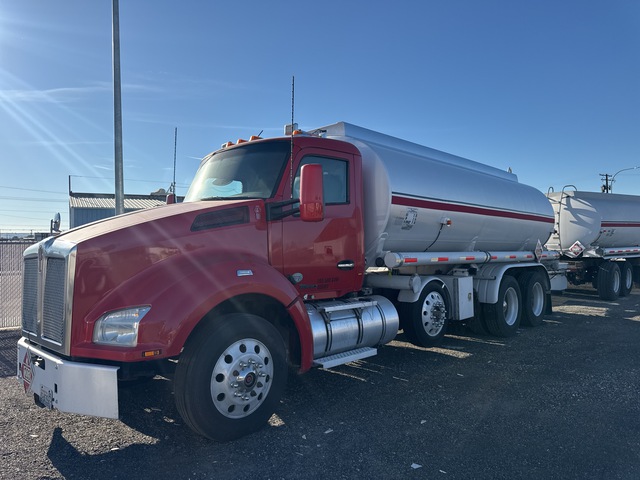
Sources and Further Reading
- Federal Motor Carrier Safety Administration (FMCSA). “Motor Carrier Safety.” https://www.fmcsa.dot.gov
- American Trucking Associations (ATA). “Industry Data.” https://www.trucking.org
- National Tank Truck Carriers (NTTC). “Resources.” https://www.tanktruck.org