Find a Single Axle Semi for Sale Near You Today
If you’re in the market for a heavy-duty workhorse, finding a reliable single axle semi for sale near you can feel like a daunting task. Whether you’re a seasoned owner-operator looking to downsize for better fuel efficiency or a fleet manager needing a nimble truck for regional deliveries, the right single-axle tractor can be a game-changer. This guide cuts through the noise, offering a clear, step-by-step roadmap to locate and evaluate the perfect truck in your local market today. We’ll blend hands-on inspection tips with savvy shopping strategies to ensure you drive away with a rig that delivers both performance and value.
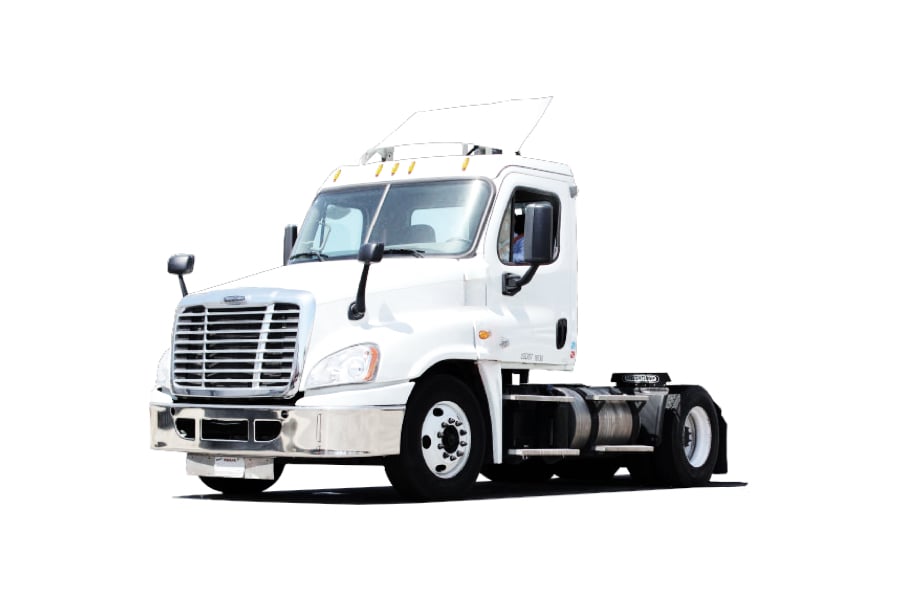
Why Choose a Single Axle Semi Truck?
Before you start your search, it’s crucial to understand where a single-axle semi shines. These trucks, often called “day cabs” or “single-axle tractors,” are built for specific, high-efficiency roles.
- Superior Fuel Economy & Lower Tare Weight: With one less drive axle and fewer tires, these trucks are significantly lighter. This reduced tare weight translates directly into higher payload capacity and better miles per gallon. For weight-sensitive hauling, every pound saved is revenue earned.
- Ideal for Regional Hauls & Final-Mile Delivery: Their shorter wheelbase and tighter turning radius make them exceptionally maneuverable in urban environments, warehouses, and job sites where space is limited. They are the backbone of industries like beverage distribution, moving services, and less-than-truckload (LTL) freight.
- Reduced Maintenance Costs: Fewer tires, brake sets, and differentials mean your ongoing maintenance expenses are inherently lower compared to a tandem-axle tractor. This makes them a cost-effective choice for predictable, shorter routes.
However, they are not designed for long-haul, heavy-weight, or severe weather conditions where the traction and stability of a tandem axle are necessary.
Where to Find a Single Axle Semi for Sale Locally
Knowing where to look is half the battle. A multi-pronged approach will yield the best results in your quest to find a single axle semi for sale near you.
1. Online Commercial Truck Marketplaces
Websites like Truck Paper, Commercial Truck Trader, and Machinery Trader are industry standards. Use their advanced filters to specify “Single Axle,” your zip code, and desired radius. Set up email alerts to be notified of new listings matching your criteria.
2. Local Dealerships & Auctions
Don’t underestimate the value of a physical lot. Established dealerships often have trade-ins and can provide detailed service histories. Similarly, attending local industrial auctions can present opportunities for well-priced units, though due diligence is critical.
3. Direct from Manufacturers
For buyers interested in new or globally sourced options, exploring manufacturers directly can be advantageous. Companies like Chinese Truck Factory offer a range of commercial vehicles, including single-axle configurations, which can be a cost-competitive alternative for certain business models.
4. Industry Networks & Forums
Word-of-mouth remains powerful. Engage with online trucking forums and local business networks. Often, the best deals are passed along before they ever hit the public market.
Key Inspection Checklist Before You Buy
Once you’ve found a potential candidate, a thorough inspection is non-negotiable. Here’s a field-tested checklist from a decade of truck evaluations.
- Engine & ECM Data: Hook up a diagnostic scanner. Check for fault codes, but more importantly, review the engine’s lifetime hours and average RPM. High idle time can be as taxing as high mileage. Listen for unusual noises during a cold start and under load.
- Frame & Suspension: Look for cracks, bends, or evidence of welding repairs on the frame rails. Inspect the suspension components for excessive wear or fluid leaks. A bent frame is a deal-breaker.
- Cab & Electrical System: Test every switch, light, and gauge. Check for water damage on the floorboards and a musty smell, which indicate leaky seals. Air conditioning and heating must be fully operational.
- Tires & Brakes: Uneven tire wear points to alignment or suspension issues. Measure brake pad and drum thickness. According to the Federal Motor Carrier Safety Administration (FMCSA), brake-related violations are among the most common out-of-service defects.
- Professional Inspection: Always invest in a pre-purchase inspection by a trusted, third-party mechanic. The $200-$500 cost can save you from a $10,000 mistake.
Single Axle vs. Tandem Axle: Choosing What’s Right for You
This decision fundamentally shapes your operation. The table below breaks down the core differences to guide your choice.
| Feature | Single Axle Semi | Tandem Axle Semi |
|---|---|---|
| Primary Use Case | Regional hauls, final-mile, weight-sensitive cargo | Long-haul, heavy loads, all-weather operations |
| Fuel Efficiency | Generally Higher | Generally Lower |
| Payload Capacity | Higher (due to lower tare weight) | Lower (due to heavier chassis) |
| Maneuverability | Excellent (shorter wheelbase) | Good |
| Upfront & Maintenance Cost | Lower | Higher |
| Traction & Stability | Good for dry conditions | Superior for wet/icy roads and heavy loads |
As noted by veteran fleet manager and certified equipment specialist, Michael Rhodes, “The choice isn’t about which truck is better, but which is a better tool for your specific job. A single axle is a precision scalpel for regional work, while a tandem is the robust sledgehammer for cross-country freight.”
Negotiation and Final Purchase Tips
You’ve done your research and found the truck. Now, secure the best deal.
- Leverage Your Inspection Report: Use any found issues (even minor ones) as legitimate points for negotiation. Request repairs or a price reduction.
- Verify History & Title: Obtain the Vehicle Identification Number (VIN) and run a history report through a service like NICB. Ensure the title is clear and there are no outstanding liens.
- Understand Total Cost of Ownership (TCO): Factor in immediate needs like new tires or scheduled maintenance (e.g., a 600,000-mile major service). Budget for these from the outset.
- Explore Financing Early: Get pre-approved for commercial truck financing from your bank or a credit union. This gives you clear budget parameters and strengthens your position as a serious buyer.
Remember, the goal is not just to find a single axle semi for sale near you, but to acquire a reliable asset that will contribute to your bottom line for years to come.
Frequently Asked Questions (FAQ)
Q: What is the typical price range for a used single axle semi truck?
A: Prices vary wildly based on age, make, model, and engine hours. As of late 2023, you can expect a range from $30,000 for a higher-hour, older model (e.g., early 2010s) to over $100,000 for a low-mileage, recent model (e.g., 2019+). Always prioritize condition over age.
Q: How many miles is too many for a used semi-truck?
A: Mileage is less critical than maintenance and engine hours. A well-maintained truck with 700,000 miles can be a far better buy than a neglected one with 400,000. Focus on service records. Modern diesel engines, when properly cared for, can reliably exceed 1,000,000 miles.
Q: Can a single axle semi pull a standard 53-foot trailer?
A: Yes, absolutely. The limitation is not length, but weight. A single axle tractor is perfectly legal and common for pulling 53-foot trailers, provided the gross combined weight (GCW) stays within federal and state bridge formula limits, which are typically lower than for tandems.
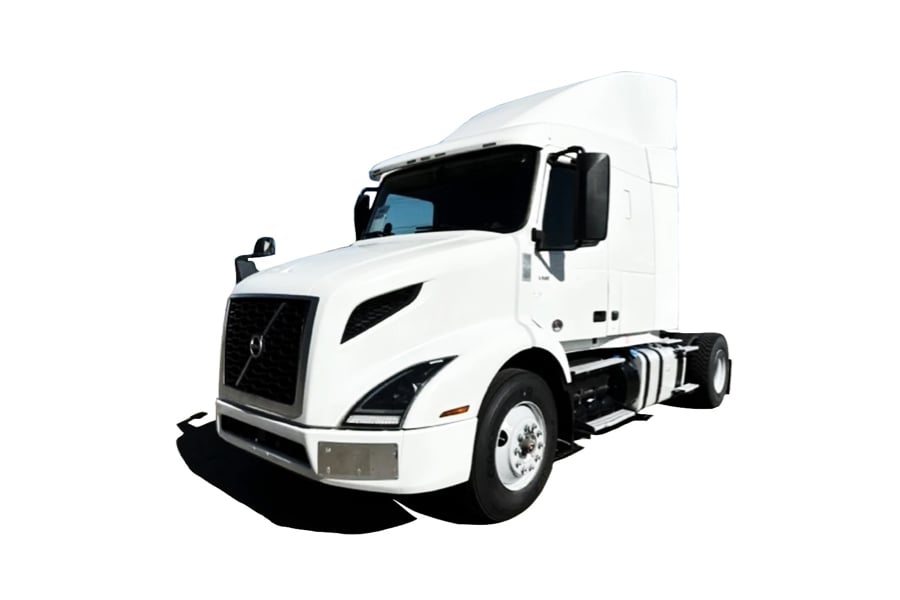
Q: What are the most reliable single axle semi truck brands?
A: Brands like Freightliner (particularly the Cascadia), Volvo, and Kenworth have strong reputations for reliability in this segment. However, model-specific research is key. For instance, the PACCAR MX-13 engine in Kenworth and Peterbilt models has proven highly durable, as noted in industry reliability surveys.
Final Thoughts
Finding the right single axle semi for sale requires a blend of market knowledge, mechanical scrutiny, and financial planning. By defining your needs, searching strategically across both local and online inventories, and conducting a meticulous inspection, you position yourself to make a confident purchase. This truck isn’t just a vehicle; it’s a business partner. Take the time to choose one that will work as hard for you as you do for your business. Start your localized search today, and hit the road with confidence.
Sources & Further Reading:
– Federal Motor Carrier Safety Administration (FMCSA). “Vehicle Maintenance.” https://www.fmcsa.dot.gov/
– American Trucking Associations. “Industry Data & Trends.” https://www.trucking.org/
– Commercial Fleet Maintenance Best Practices. Fleet Maintenance Magazine. https://www.fleetmaintenance.com/