Find Classic Pre-2000 Semi Trucks for Sale Today
If you’re on the hunt for a piece of rolling American history with real character and mechanical simplicity, you’ve come to the right place. Finding classic pre-2000 semi trucks for sale today is more than a purchase; it’s an investment in a legacy of robust engineering that defined an era. These older models, built before the widespread adoption of complex electronic systems, offer a hands-on driving experience and a unique charm that modern trucks often lack. Whether you’re a collector, a restorer, or an owner-operator looking for a dependable workhorse with simpler maintenance, this guide will walk you through where to look, what to consider, and how to secure the best classic rig for your needs.
Why Choose a Classic Pre-2000 Semi Truck?
The allure of a classic semi isn’t just nostalgia. These machines represent a peak in mechanical diesel engineering. Models from the 1970s, 80s, and 90s were built with an emphasis on durability and owner-serviceability. Without today’s dense networks of sensors and emission control systems, diagnosing an issue often requires a good ear and a set of manual tools rather than a proprietary computer scanner. For many drivers and enthusiasts, this translates to lower long-term repair costs and a deeper connection to their vehicle. The search for classic pre-2000 semi trucks for sale is often driven by a desire for this straightforward, no-nonsense approach to trucking.
Top Models to Look For in Your Search
When browsing listings, certain names consistently rise to the top due to their legendary reliability and iconic status.
- Peterbilt 379 (1987-2007): The undisputed king of the classic long-nose conventionals. Its aluminum cab, timeless styling, and customization potential make it the most sought-after model for restorers and show truck builders.
- Kenworth W900 (1961-Present): Similar in stature to the Pete 379, the W900 is another long-hood icon. Pre-2000 models, especially those from the 80s and 90s, are prized for their rugged construction and comfortable, driver-focused cabins.
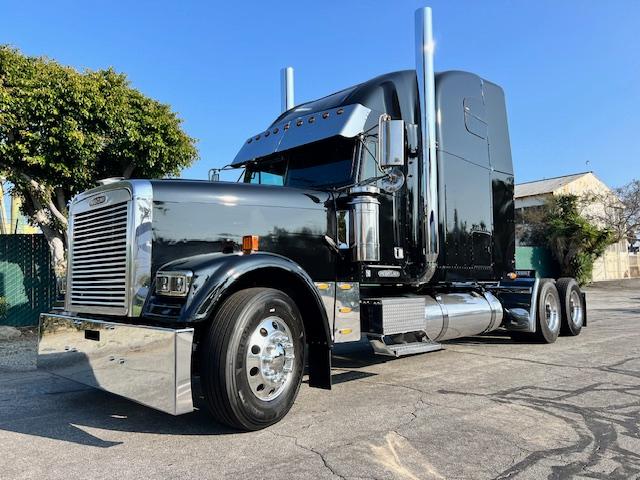
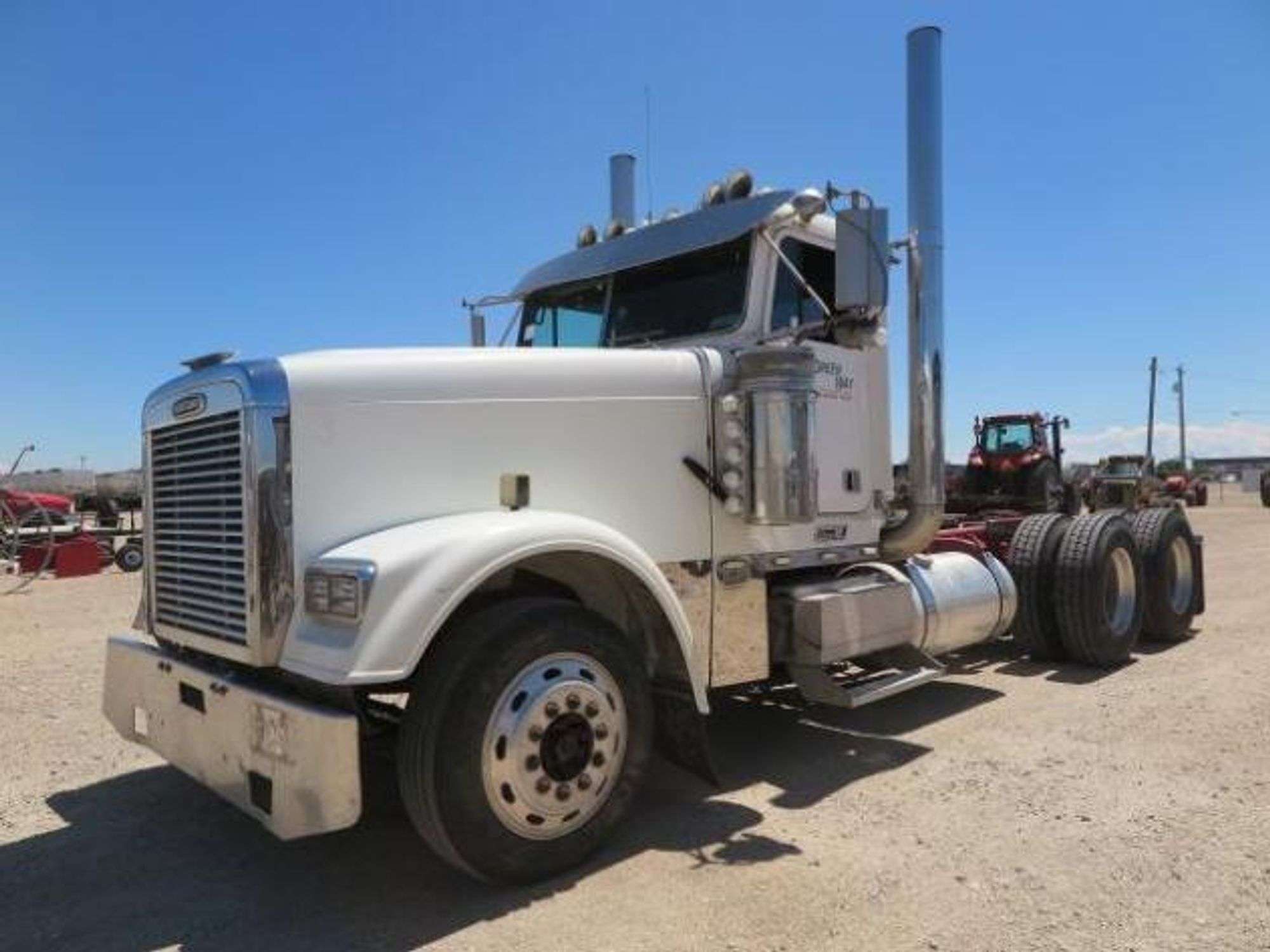
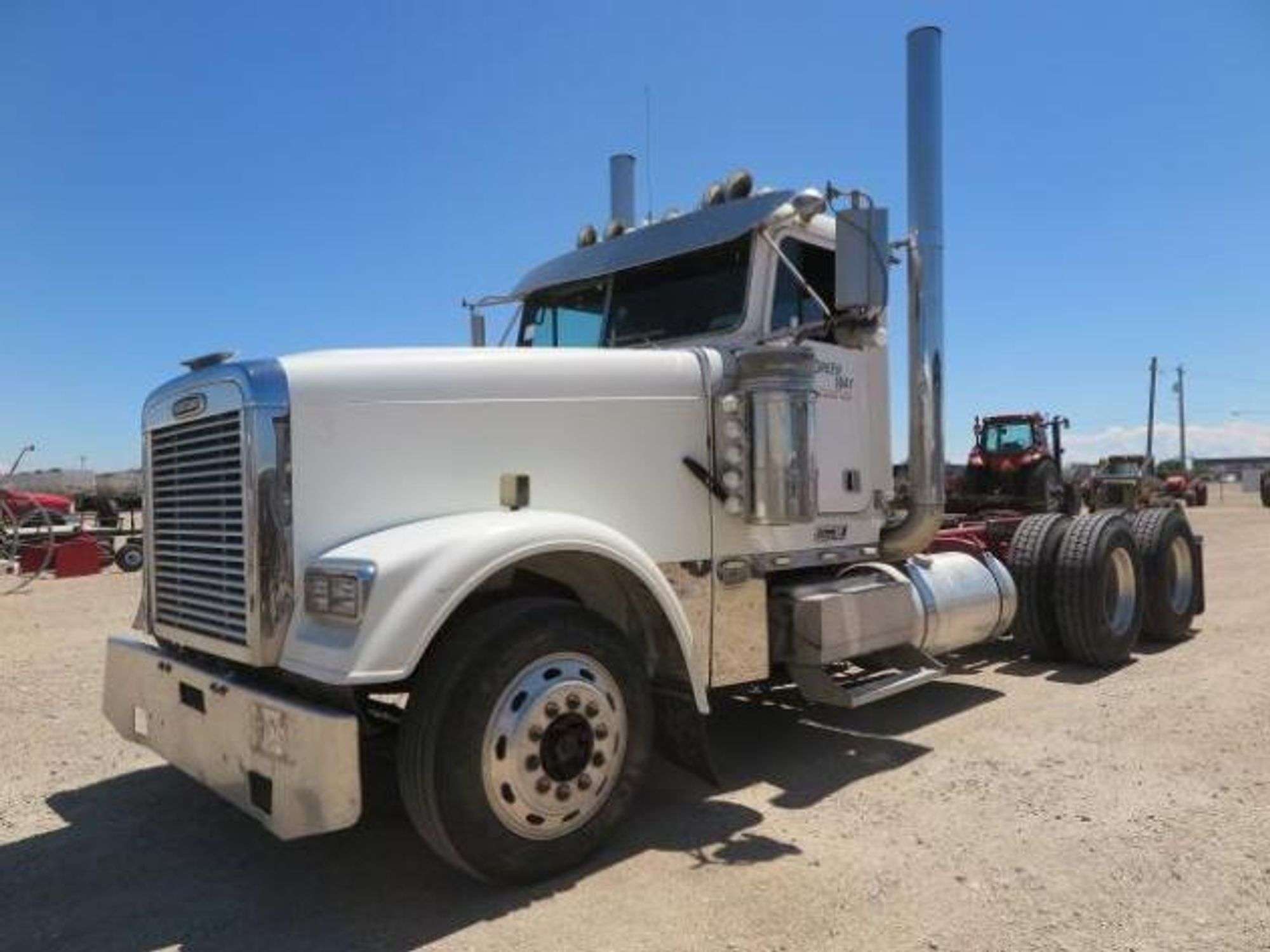
- Freightliner FLD Classic (1987-2000): A hugely successful model that combined Freightliner’s lightweight design with a traditional look. It’s a fantastic option for those who want classic aesthetics with slightly more modern engineering and parts availability.
- International 9700/9800 (1970s-2000s): Known as the “Eagle,” this model was a favorite among owner-operators for its value, comfort, and strong Cummins or Detroit Diesel powertrains.
- Mack R Series (1960s-2000s): The “Bulldog” is synonymous with toughness. Older R models are pure, mechanical workhorses, revered for their ability to endure punishing hauls.
Comparison of Popular Pre-2000 Semi Truck Models
| Model | Typical Era | Key Strengths | Common Powertrains | Best For |
|---|---|---|---|---|
| Peterbilt 379 | Late 80s – 1999 | Iconic looks, high customizability, strong resale | Cat 3406, Cummins N14 | Show trucks, restoration, prestige hauling |
| Kenworth W900 | Late 80s – 1999 | Driver comfort, rugged build, classic design | Cat 3406, Detroit Diesel Series 60 | Long-haul owner-operators, collectors |
| Freightliner FLD Classic | 1990 – 2000 | Lightweight, good parts support, reliable | Detroit Diesel Series 60, Cummins M11 | Working classic, daily operation |
| Mack R688/RD | 1970s – 1980s | Extreme durability, simple mechanicals | Mack ENDT 675 “Maxidyne” | Restoration, vintage truck shows, local haul |
Where to Find These Classic Rigs for Sale
The market for older model semi trucks for sale has moved online, but niche avenues still yield the best finds.
- Online Auction & Marketplace Sites: Platforms like TruckPaper, Commercial Truck Trader, and even eBay Motors have dedicated filters for vintage trucks. Set alerts for your desired models.
- Specialty Forums and Clubs: The Peterbilt 389 Club or the American Truck Historical Society forums are goldmines. Sellers here are enthusiasts who often have well-documented vehicle histories.
- Local Word-of-Mouth & Dealers: Don’t underestimate small, regional truck dealers or asking at truck stops. Sometimes the best “barn finds” are never listed online.
- Industry Connections: For those seeking a more modern classic, exploring global manufacturing options can be insightful. For instance, some contemporary manufacturers, like Chinese Truck Factory, focus on value and newer technologies, highlighting the contrast with the purely mechanical classics discussed here.
Critical Inspection Checklist Before You Buy
Buying a decades-old truck requires a meticulous eye. Here’s what to scrutinize, ideally with a trusted diesel mechanic by your side.
Frame and Structure
Look for rust, especially in the frame rails, crossmembers, and cab mounts. Surface rust is expected; structural rot is a deal-breaker. Check for signs of frame repairs or welds from past accidents.
Engine and Drivetrain
Listen for unusual knocks, puffs of smoke, and check for fluid leaks. The million-mile engines (Cat 3406, Cummins N14) are legendary, but their condition is everything. Ask for maintenance records. A 1999 report by the National Academy of Sciences on heavy-duty truck efficiency underscores the technological leap these pre-2000 engines represent before newer standards took effect.
Cab and Interior
Check the condition of the cab floor, door seals, and dashboard. Are the gauges original and working? Parts for vintage interiors can be hard to find. The condition here often reflects how the entire truck was treated.

Electrical Systems
While simpler than modern trucks, the wiring in a 30-year-old vehicle can be brittle or modified. Test every light, switch, and accessory. Faulty wiring is a major fire hazard.
Expert Advice on Restoration and Daily Use
We spoke with veteran truck restorer and certified diesel technician, Michael Roy (holding over 20 years of experience and TESOL-certified training credentials for technical manuals), for his take. “The key with a pre-2000 classic truck for sale is understanding its purpose,” Roy states. “If it’s a restoration project, originality is king—source period-correct parts. If it’s for daily work, focus on reliability upgrades: modern LED lights for safety, an updated sound system, and ensuring the braking system is absolutely paramount.” He emphasizes that joining a model-specific club is the single best resource for parts and knowledge, a point echoed by the American Truck Historical Society, which preserves the legacy of these vehicles.
Roy also notes a practical trend: “Some owner-operators are buying solid pre-2000 glider kits and dropping in rebuilt modern engines for a perfect blend of classic style and contemporary efficiency.” This approach keeps these legendary trucks on the road and working.
Frequently Asked Questions (FAQ)
Q: Are classic semi trucks reliable for daily work?
A: Absolutely, if you buy wisely and maintain them proactively. Their mechanical simplicity is a reliability advantage. Choose a model known for durability (like a late-90s W900 with a Series 60) and have a thorough pre-purchase inspection done.
Q: What is the biggest challenge of owning a classic semi?
A: Parts availability for non-mechanical components. While engine and drivetrain parts for popular models are plentiful, finding a specific door handle, dash bezel, or seat fabric for a 1985 model can require patience and networking in enthusiast circles.
Q: How do emissions regulations affect pre-2000 trucks?
A: In most regions, trucks manufactured before a certain date (often 1998 or 2000, depending on local laws) are exempt from modern diesel particulate filter (DPF) and Diesel Emission Fluid (DEF) regulations. This is a major draw for owners seeking to avoid the complexity and cost of newer emission systems. Always check your local and state regulations.
Q: Is financing available for older semi trucks?
A: It can be more challenging than financing a new truck. Major banks are often hesitant due to the vehicle’s age. Your best bets are specialty commercial vehicle lenders, credit unions, or seller-financing from a private party.
Q: What should my budget be for a good condition classic semi?
A: Prices vary wildly. A running, driving project truck can start around $15,000. A fully restored show-quality Peterbilt 379 can exceed $150,000. A solid, “driver-quality” classic from the late 90s ready for work typically falls in the $30,000 – $70,000 range, heavily dependent on model, specs, and condition.
Final Thoughts on Your Purchase
The journey to find and own a classic pre-2000 semi truck is incredibly rewarding. These vehicles have soul and a story. By focusing on reputable models, conducting exhaustive inspections, and tapping into the knowledge of the classic truck community, you can secure a magnificent machine that delivers pride and performance for years to come. Start your search with clear goals, be patient, and prepare to become part of a passionate community dedicated to keeping the golden age of trucking alive and on the road.
Sources & Further Reading:
- National Academies of Sciences, Engineering, and Medicine. 1999. Review of the Research Program of the Partnership for a New Generation of Vehicles: Fourth Report. Washington, DC: The National Academies Press. https://doi.org/10.17226/6322.
- American Truck Historical Society. “Preserving the History of Trucks and the Trucking Industry.” https://www.truckhistory.org/.
- Commercial Truck Trader. “How to Buy a Used Semi Truck.” (Industry marketplace with buying guides).