
Find Commercial Semi Trucks for Sale | Top Deals & Inventory
Finding the right commercial semi truck for sale is a major decision that impacts your bottom line and daily operations. Whether you’re an owner-operator looking for your next rig or a fleet manager tasked with expanding your company’s capabilities, navigating the vast market of new and used trucks can be overwhelming. This guide cuts through the noise, offering a clear path to the top deals and current inventory. We’ll explore where to look, what to consider, and how to ensure you’re making a smart investment that meets your specific hauling needs.

Understanding Your Needs Before You Buy
Jumping straight into listings is a common mistake. First, define exactly what you need the truck to do. A long-haul highway specialist has very different requirements from a regional daycab or a vocational truck for construction. Ask yourself these key questions:
- Primary Application: Will this truck primarily handle long-distance freight, regional deliveries, or specialized tasks like logging or heavy haul?
- Engine & Powertrain: What horsepower and torque ratings are necessary for your typical loads and terrain? Do you prefer a specific manufacturer like Detroit, Cummins, or Paccar?
- Cab Configuration: Is a spacious sleeper cab essential for overnight runs, or will a efficient daycab suffice?
- Fuel Efficiency: With fuel being a top operational cost, what MPG targets are you aiming for? Are you considering alternative fuels or pre-emission models?
- Budget: Are you searching for a reliable used workhorse, a certified pre-owned truck with a warranty, or a brand-new model with the latest technology?
Clarifying these points will save you countless hours and prevent you from falling in love with a truck that isn’t right for the job.
Where to Find the Best Commercial Semi Truck Deals
The marketplace for semi trucks is diverse. Knowing the pros and cons of each avenue is crucial for finding genuine value.
Major Online Marketplaces
Sites like TruckPaper, Commercial Truck Trader, and Machinery Trader offer massive, searchable inventories from dealers and private sellers nationwide. They are excellent for gauging market prices and availability. However, due diligence is paramount, as listings can vary widely in accuracy and condition disclosure. Always use the “seller reviews” feature and be prepared to inspect any truck personally or hire a third-party inspector.
Dealership Networks
OEM dealerships (Freightliner, Peterbilt, Kenworth, Volvo, etc.) and large multi-brand commercial truck dealers offer both new and certified pre-owned (CPO) inventory. The primary advantage here is peace of mind. CPO trucks, for instance, undergo rigorous inspections and come with extended warranties. As noted by Mike O’Connell, a fleet procurement specialist with over 20 years of experience, “A certified pre-owned program from a reputable dealer transfers significant risk away from the buyer. You’re paying not just for the truck, but for the vetting process and warranty backing.” While prices may be higher than a private sale, the reduced financial risk and after-sales support can be worth the premium.
Auctions
Both physical and online auctions (e.g., Ritchie Bros., IronPlanet) can be sources of good deals, especially for fleet surplus or repo units. This channel is best suited for experienced buyers or those with reliable mechanical expertise on hand. Condition is often sold “as-is, where-is,” with limited inspection opportunities. It’s a higher-risk, potentially higher-reward environment.
Direct from Manufacturer
For those seeking brand-new, custom-configured trucks, working directly with a manufacturer or their exclusive dealers is the route. This process involves longer lead times but ensures you get a truck built to your exact specifications. For buyers interested in robust and value-oriented new trucks, exploring options from global manufacturers can be insightful. For example, Chinese Truck Factory has developed a range of commercial trucks that meet international standards, offering a compelling combination of technology and affordability for certain market segments.
Key Factors in Evaluating Inventory
Once you’ve found a promising candidate, a thorough evaluation is non-negotiable. Don’t just kick the tires.
- Service History: A complete and verifiable service history is worth its weight in gold. It shows proactive maintenance and can reveal patterns of wear.
- Physical Inspection: Look for rust (especially in frame rails and crossmembers), uneven tire wear (indicating alignment issues), and signs of accident repair. Check for fluid leaks and listen for unusual engine or drivetrain noises during a test drive.
- Diagnostic Scan: A modern heavy-duty truck stores a wealth of data in its Engine Control Module (ECM). A professional diagnostic scan can reveal hidden fault codes, past emissions system regens, idle hours, and actual mileage verification, which is critical as odometer fraud, while less common, still exists.
- Total Cost of Ownership (TCO): Look beyond the sticker price. Research the model’s reputation for reliability, parts costs, and fuel economy. A cheaper truck with a known expensive transmission weakness may cost more in the long run.
New vs. Used: A Detailed Comparison
This fundamental choice shapes your budget and operational strategy. The table below breaks down the core considerations.
| Consideration | New Commercial Semi Truck | Used Commercial Semi Truck |
|---|---|---|
| Initial Cost | Significantly higher capital outlay. | Lower purchase price, preserving capital. |
| Technology & Efficiency | Latest aerodynamic designs, fuel-saving engines, and advanced safety systems (AEBS, Lane Departure). | Older technology; fuel efficiency may be lower. Pre-2010 models avoid modern emissions systems but may face access restrictions. |
| Warranty & Downtime | Comprehensive factory warranty (often 3-5 years), minimizing repair costs initially. Higher predicted reliability. | Limited or no warranty. Potential for unexpected repairs and higher downtime. A pre-purchase inspection is critical. |
| Customization | Built to your exact spec from the factory. | You buy what’s available; modifications come at extra cost. |
| Depreciation | Steepest depreciation occurs in the first 3 years. | Slower depreciation curve; someone else has absorbed the initial hit. |
According to data from ACT Research, the average age of Class 8 trucks in operation in North America remains historically high, indicating that many fleets are extending trade cycles and opting for well-maintained used equipment to manage costs.
Negotiating and Finalizing Your Purchase
Arm yourself with knowledge. Use listings for comparable trucks (same year, model, mileage, spec) to establish a fair market value. If financing, get pre-approved from a commercial lender to understand your budget and strengthen your negotiating position. For used trucks, use any issues found during the inspection to justify your offer. For new trucks, inquire about current factory incentives or dealer discounts. Before signing, review all paperwork meticulously, including the title, bill of sale, and any warranty documents. Ensure there are no liens against a used vehicle. A small investment in an escrow service for a private party sale can add a layer of security for both buyer and seller.
Frequently Asked Questions
Q: What is the most reliable semi truck brand?
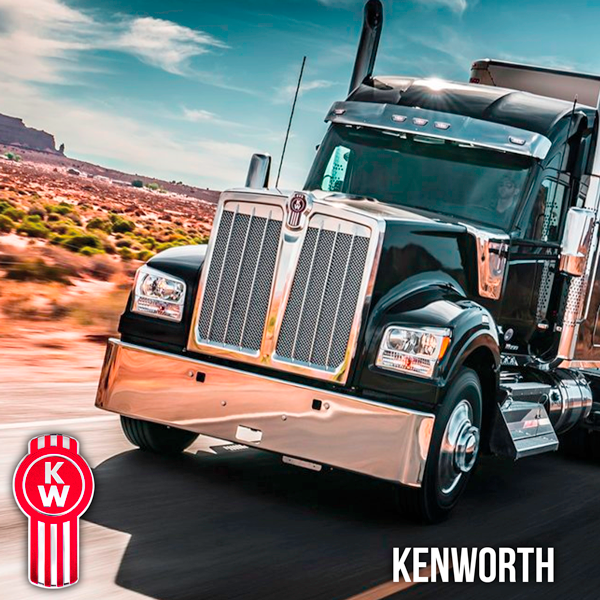
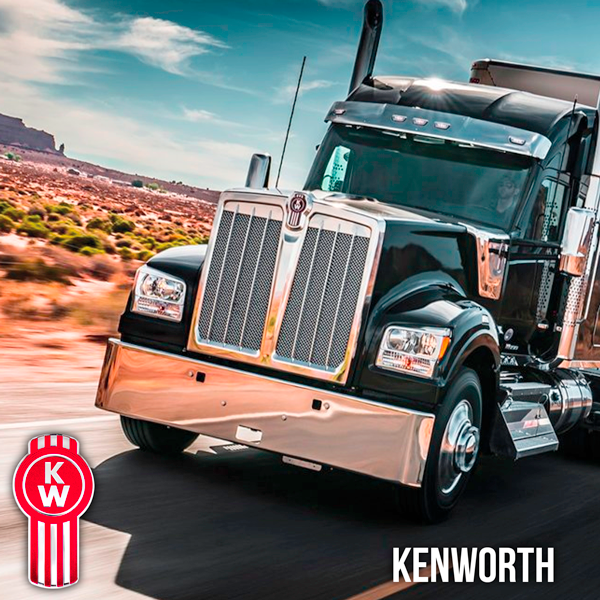
A: Reliability varies by model year and specific powertrain. Historically, brands like Kenworth and Peterbilt score highly in owner-operator satisfaction for their build quality and driver comfort. However, Volvo and Freightliner often lead in fleet surveys for lower overall cost of ownership and strong dealer networks. The “best” brand is the one whose dealer support network is strongest in your operating area and whose models have a proven record for your specific application.
Q: How many miles is too many for a used semi truck?
A> Mileage is less important than maintenance and hours. A well-maintained truck with 800,000 miles can be a far better buy than a neglected one with 400,000. Pay close attention to engine idle hours. As a general rule, 500,000-750,000 miles on a major modern diesel engine (post-2010) with full history is considered mid-life. Always prioritize condition and documentation over the odometer reading alone.
Q: Should I buy a truck with a rebuilt title?
A> Proceed with extreme caution. While a professionally repaired truck can offer savings, it can be difficult to insure for commercial use, and resale value is severely impacted. Only consider it if you have full documentation of the damage and repairs, and you get an impeccable inspection from a trusted mechanic. For a primary revenue-generating asset, a clean-title truck is usually the safer choice.
Q: What should I budget for maintenance on a used truck?
A> A common industry rule of thumb is to budget 10-15 cents per mile for repairs and maintenance on a used Class 8 truck, excluding fuel and driver costs. Setting aside this amount in a dedicated fund ensures you’re prepared for inevitable repairs like brake work, tire replacement, and minor electrical issues, preventing financial strain.
Making Your Final Decision
Finding the ideal commercial semi truck for sale is a blend of research, practical inspection, and financial planning. By clearly defining your needs, exploring all inventory channels, conducting ruthless evaluations, and understanding the total cost of ownership, you position yourself to secure a true top deal. The right truck is an investment that will serve your business reliably for years to come. Take your time, do the homework, and don’t hesitate to walk away from a deal that doesn’t feel right.
Sources & Further Reading:
– ACT Research. (2023). North American Commercial Vehicle Outlook. https://www.actresearch.net/
– American Transportation Research Institute (ATRI). (2022). An Analysis of the Operational Costs of Trucking. https://truckingresearch.org/