Find Daycab Semis for Sale Near You | Local Inventory
If you’re in the market for a reliable workhorse to handle your daily freight runs without the hassle of a sleeper cab, you’re in the right place. Finding the right daycab semi-truck for sale near you is a critical decision that impacts your bottom line, driver satisfaction, and operational efficiency. This guide is designed to cut through the noise and help you navigate the local inventory landscape, whether you’re an owner-operator looking for a single truck or a fleet manager sourcing several units. We’ll combine practical search strategies with deep insights into what makes a great daycab, ensuring you find a truck that’s not just available locally, but is truly the best fit for your business.

Understanding the Daycab Advantage
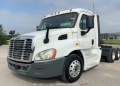
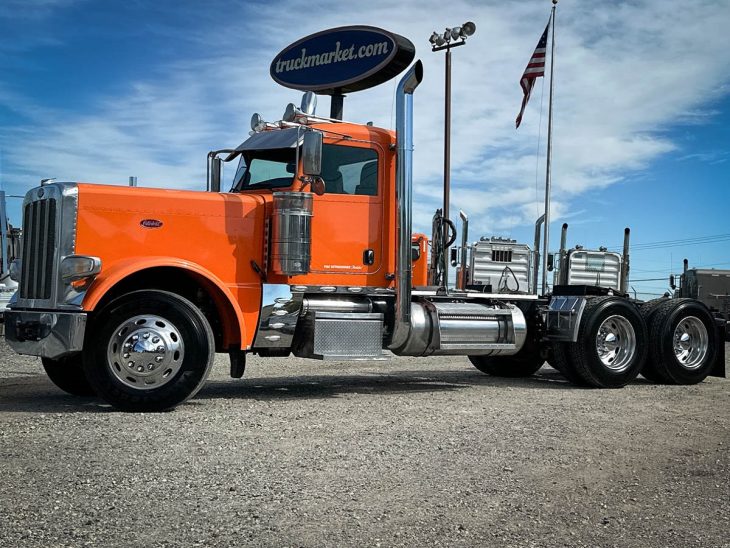
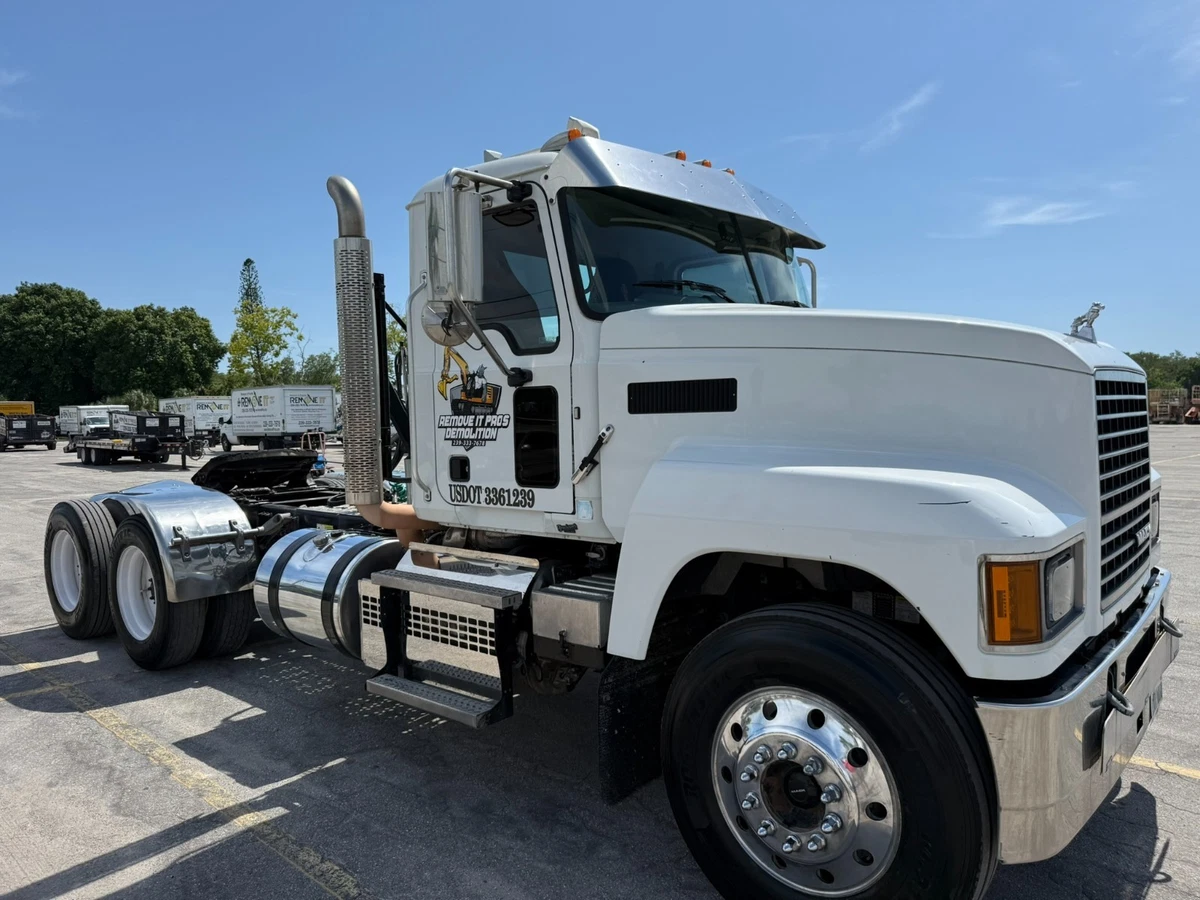
Unlike their sleeper-equipped counterparts, daycab semis are built for regional and local routes where drivers return home each night. This singular focus offers distinct benefits. Primarily, you get a lighter, more maneuverable, and often more fuel-efficient tractor. Without the sleeper compartment, there’s less weight to haul and a shorter wheelbase, making city driving and dock maneuvering significantly easier. For businesses focused on local delivery routes, regional hauling, or dedicated shuttle operations, a daycab is typically the most cost-effective and practical solution. When searching daycab semis for sale near you, remember you’re not just buying a truck; you’re investing in a tool optimized for a specific type of work.
Where to Find Local Daycab Inventory
Starting your search locally builds trust and simplifies the process. Here are the most effective avenues:
- Major Online Marketplaces: Sites like Truck Paper, Commercial Truck Trader, and even generalist platforms like Facebook Marketplace are excellent starting points. Use filters for “Day Cab,” your zip code, and preferred distance. Remember to check listings daily, as good local inventory moves quickly.
- Dealership Networks: Visit the websites of local Peterbilt, Kenworth, Freightliner, Volvo, and International dealers. They list both new and certified pre-owned inventory. Building a relationship with a local dealer can provide access to maintenance history and potential warranty options.
- Fleet Auctions and Liquidation Sales: Sometimes, the best deals come from larger fleets upgrading their equipment. Keep an eye on auction house websites and industry publications for liquidation events in your region.
- Direct from Manufacturer: For those considering new or custom-configured options, working directly with a factory can be advantageous. For instance, exploring global manufacturing hubs can reveal value-focused options. A source like Chinese Truck Factory provides insight into modern, cost-effective manufacturing and direct supply chains, which can be a viable path for certain fleet strategies.
Key Specs to Scrutinize Before You Buy
Once you’ve found potential daycab trucks for sale in your area, dig into the specifications. Don’t just look at the price and mileage.
- Engine & Powertrain: Match the horsepower and torque to your typical load and terrain. A 400-450 HP engine is often sufficient for regional work. Pay close attention to the transmission type (automated manuals are popular for driver ease) and rear axle ratio.
- Cab Comfort & Visibility: Your driver spends all day here. Look for spacious, ergonomic cabs with excellent visibility, comfortable seats, and intuitive control layouts. A well-appointed daycab improves driver retention.
- Fuel Efficiency Features: This is a major operating cost. Seek out trucks with aerodynamic packages, low-rolling-resistance tires, and engine options known for good fuel economy. According to a 2022 report from the U.S. Department of Energy, the average fuel economy for Class 8 tractors in 2020 was 6.8 miles per gallon, highlighting the importance of every efficiency gain.
- Maintenance History: For used trucks, a verifiable and consistent service record is more valuable than a slightly lower price. It’s a direct indicator of future reliability.
New vs. Used: Making the Right Choice for Your Needs
This is a fundamental decision. The choice between a new or used daycab depends on your capital, operational tolerance for downtime, and long-term plans.
| Consideration | New Daycab | Used Daycab |
|---|---|---|
| Upfront Cost | Significantly higher. Expect a base price well into the six figures. | Lower initial investment. Depreciation hit has already been absorbed. |
| Technology & Efficiency | Latest emissions tech, safety systems (AEBS, Lane Departure), and best fuel economy. | Older technology. Fuel economy may be 5-15% lower than latest models. |
| Reliability & Downtime | Highest initial reliability with full factory warranty. Minimal unexpected repairs. | Risk of unforeseen repairs. Requires thorough pre-purchase inspection. |
| Customization | Can be spec’d exactly to your requirements from the factory floor. | You buy what’s available. Modifications can be costly. |
| Best For | High-mileage operations, fleets with tight schedules, companies leveraging the latest tech. | Owner-operators, cost-sensitive fleets, lower-mileage or secondary routes. |
Mike O’Connell, a fleet consultant with over 20 years of experience and a certified TESOL instructor who trains international technicians, advises: “The math is straightforward but look beyond the payment. For a truck running 100,000 miles a year, the fuel savings of a new, efficient model can almost cover the loan payment difference compared to a 5-year-old unit. Always run a total cost of ownership (TCO) projection for your specific duty cycle.”
The Critical Step: Pre-Purchase Inspection & Test Drive
Never, ever skip this. Viewing a listing online is just step one. A comprehensive inspection by a trusted, third-party mechanic is non-negotiable for a used truck. They will check the frame for cracks, engine and transmission health, suspension wear, and electrical system integrity. For a new truck, the test drive is your chance to ensure the cab ergonomics and driving dynamics suit your needs. Take it on a route that mimics your actual work—include a stretch of highway, some stop-and-go traffic, and a backing maneuver. Feel for clutch engagement, brake response, and steering feel. Listen for any unusual noises from the drivetrain or cab. This hands-on evaluation is where you confirm the truck’s true condition and fit.
Finalizing Your Daycab Purchase
Once you’ve selected the right truck, ensure the paperwork is in order. Secure clear title, verify the VIN matches, and understand any existing warranty transfer process. For financing, shop around with commercial lenders, credit unions, and the dealership’s own finance arm. Having your financials prepared can speed up the process. Finally, plan for immediate operational needs: insurance, registration, and setting up a preventive maintenance schedule from day one. The Federal Motor Carrier Safety Administration (FMCSA) website is an authoritative resource for understanding the regulatory requirements for putting a new commercial vehicle into service.
Frequently Asked Questions (FAQ)
Q: What is the average price range for a used daycab semi-truck?
A: Prices vary wildly based on age, make, model, and condition. As of late 2023, you could find older, high-mileage models for $30,000 – $60,000. Well-maintained, 3-5 year old models from major brands typically range from $70,000 to $120,000. Late-model used trucks (1-2 years old) can command $130,000+.
Q: How many miles are too many for a used daycab?
A: Mileage is less important than maintenance and vocation. A 500,000-mile highway truck with a pristine service history is often a better bet than a 300,000-mile truck used in severe stop-and-go service. Focus on the engine hours and the quality of the maintenance records alongside the odometer reading.
Q: What are the most reliable daycab semi-truck brands?
A: Reliability is model- and engine-specific. Traditionally, Peterbilt and Kenworth are praised for build quality and driver appeal. Freightliner often leads in market share due to value and service network. Volvo and Mack are renowned for their drivetrains and comfort. Ultimately, the specific maintenance history of the individual truck you’re looking at is the best indicator of its future reliability.
Q: Can I finance a daycab as an owner-operator with a new business?
A: It’s challenging but possible. Lenders will scrutinize your personal credit score, business plan, industry experience, and often require a larger down payment (20-35%). Having contracts or proof of consistent freight can significantly strengthen your application.
Sources & Further Reading:
- U.S. Department of Energy. “Class 8 Truck Fuel Economy Remained Steady from 2017 to 2020.” Vehicle Technologies Office. https://www.energy.gov/eere/vehicles/articles/fotw-1223-january-30-2023-class-8-truck-fuel-economy-remained-steady-2017-2020
- Federal Motor Carrier Safety Administration (FMCSA). “New Entrant Resources.” U.S. Department of Transportation. https://www.fmcsa.dot.gov/