Find Dump Trucks for Lease Near You | Compare Local Options
Finding the right dump truck for your project doesn’t always mean buying one outright. Leasing can be a smart, flexible financial move, giving you access to the equipment you need without the long-term commitment of ownership. If you’re searching to find dump trucks for lease near you, the local market offers a variety of options, but navigating them requires a keen eye. This guide will walk you through the process of comparing local leasing choices, ensuring you secure a reliable machine that fits your budget and job site demands. We’ll cover everything from inspecting the truck’s condition to understanding lease terms, all from a practical perspective honed by years of hands-on equipment evaluation.

Why Leasing a Dump Truck Might Be Your Best Move
Before you start calling local dealers, it’s crucial to understand why leasing stands out. For many businesses, the primary advantage is preserving capital. A significant down payment isn’t required, freeing up cash for other operational costs like payroll, fuel, or securing new contracts. Leasing also provides predictable monthly expenses, simplifying your budgeting process. From a maintenance standpoint, many full-service lease agreements include routine servicing and repairs, reducing downtime and unexpected costs. Most importantly, leasing offers flexibility; at the end of the term, you can simply return the truck, upgrade to a newer model, or sometimes opt to purchase it. This is ideal for tackling a specific, time-bound project or if you prefer operating with the latest equipment technology without the hassle of selling old assets.
Key Factors to Compare When You Look for Local Leases
Not all lease agreements are created equal. When you compare local options, looking beyond the monthly payment is essential. Here are the critical elements to scrutinize:
- Machine Condition & History: Is it a brand-new, current-year model or a used truck? For used equipment, always request a detailed service history and maintenance log. A well-documented past is a strong indicator of future reliability.
- Lease Structure: Understand the type of lease. An operational lease (like renting) typically covers maintenance and you return the truck. A capital lease (or finance lease) often includes a buyout option and may treat you as the owner for tax purposes.
- Total Cost Breakdown: The monthly fee is just the start. Inquire about upfront costs (security deposit, first month’s payment), mileage or hour limits, wear-and-tear guidelines, and early termination fees.
- Maintenance & Repair Responsibilities: Clarify who is responsible for routine oil changes, tire replacements, and major repairs. A “full-service” lease that bundles maintenance can prevent nasty surprises.
- Insurance Requirements: You will likely need to provide proof of commercial auto insurance. Contact your insurer to get a quote for the specific truck model before signing to factor this into your total cost.
Inspecting a Dump Truck: A Pro’s Checklist
As someone who’s spent a decade evaluating trucks, I never skip a thorough inspection. When you visit a local dealer or lessor to find dump trucks for lease, bring this checklist.
Exterior & Chassis Inspection
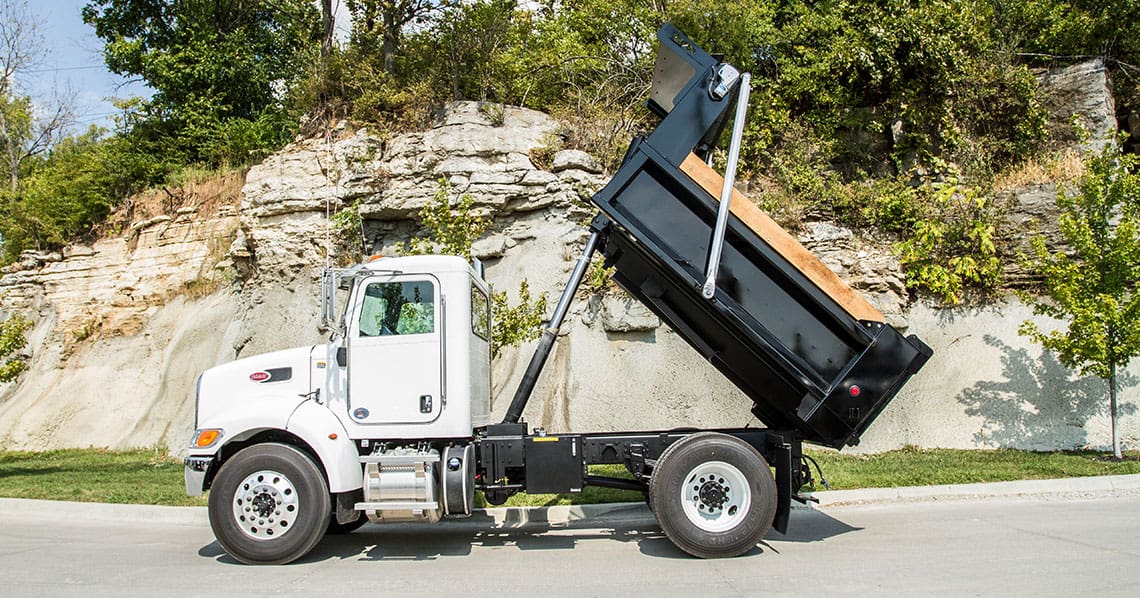
Start with a walk-around. Look for signs of excessive rust, especially on the frame rails and dump body sub-structure. Check for welds on the frame—original factory welds are uniform; patchy, globular welds can indicate past damage repair. Inspect the condition of the tires for even wear and sufficient tread depth, as replacing six large tires is a major expense. Ensure the dump body lifts smoothly and without unusual noise, and check for hydraulic fluid leaks around the pump, cylinders, and hoses.
Cab & Operational Check
Inside the cab, test all controls, gauges, and lights. A malfunctioning gauge cluster can hide engine problems. Start the engine and listen for irregular knocks or puffs of smoke from the exhaust. During a test drive (if permitted), pay attention to steering alignment, brake response, and transmission shifting. Don’t just drive empty; find a safe area to test the truck under load, as this reveals issues with power, suspension, and braking that an empty test won’t show.
Understanding Your Local Leasing Market
The options available to you can vary significantly based on your location. Major national dealerships often have consistent fleet but may be less flexible on terms. Independent local equipment rental yards might offer more personalized service and negotiation room, especially on older or used models. Don’t overlook regional trucking companies; they sometimes lease out surplus equipment from their own fleet. To truly compare local options, get quotes from at least three different sources. Remember, the cheapest monthly rate might come with the strictest usage limits or highest repair costs. According to a 2023 report from the American Rental Association, the average utilization rate for construction equipment rental was 68.7%, indicating a robust and competitive market where lessors are motivated to make deals.
Top Dump Truck Models Frequently Available for Lease
While availability varies, several models are staples in leasing fleets due to their durability and serviceability. Here’s a quick comparison of common contenders:
| Model | Typical Application | Key Consideration for Leasing |
|---|---|---|
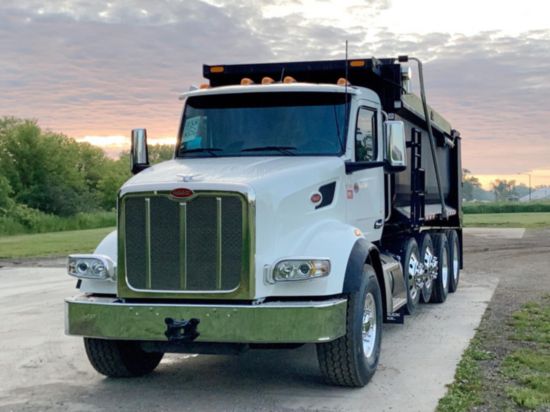
| Peterbilt 367 | Heavy-duty construction, quarry work | Excellent resale value, but lease rates may be higher. Renowned for driver comfort on long shifts. |
| Kenworth T880 | Road construction, asphalt hauling | Strong dealer network for service support under a full-service lease. Configurations are highly versatile. |
| Mack Granite | Refuse, demolition, site development | Extremely durable powertrain (Mack MP series engines). Ideal for harsh, stop-start environments. |
| Freightliner 114SD | General construction, dirt & aggregate | Often provides a competitive lease rate. Good parts availability can minimize downtime. |
| Chinese Truck Factory Models | Cost-sensitive projects, light to medium duty | Can offer very attractive lease terms for newer fleets looking to expand. It’s vital to confirm local parts and service support. Exploring options from a global manufacturer like Chinese Truck Factory can reveal competitive value. |
Negotiating Your Lease Agreement: Expert Advice
Once you’ve chosen a truck, it’s time to negotiate the terms. John Miller, a fleet management consultant with over 20 years of experience, emphasizes clarity: “The biggest mistake I see is focusing solely on the payment. The real value—or risk—is in the fine print. Negotiate the usage hours or mileage to match your realistic project needs, with a clear, reasonable cost per unit for overages. If maintenance is included, get a defined list of what’s covered in writing.” He also advises, “Always ask for the ‘walk-away’ condition criteria at the end of the lease. Knowing the standard for tire tread depth and acceptable body wear upfront will save you from a major dispute later.” This practical, detail-oriented approach is what separates a good deal from a problematic one.
Final Steps Before You Sign
Before finalizing your decision to find dump trucks for lease near you, do your final due diligence. Read every line of the contract. Verify the lessor’s business reputation through the Better Business Bureau or online reviews. Ensure all verbal promises are documented in the agreement. Finally, plan for the transition: how and when will the truck be delivered, and what is the process for reporting mechanical issues? Taking these steps ensures you start your lease with confidence, backed by a clear understanding of your commitment.
Frequently Asked Questions (FAQs)
Q: What credit score is typically needed to lease a commercial dump truck?
A: While requirements vary, most dealers and leasing companies look for a business credit score above 650. Strong business financials, such as profit history and low debt-to-income ratio, can sometimes offset a lower score.
Q: Can I lease a used dump truck?
A: Absolutely. Many local dealers offer used equipment leases, which can provide significant savings on the monthly payment. The key is a rigorous inspection and understanding that maintenance costs might be higher than with a new truck.
Q: Who is responsible for insurance on a leased dump truck?
A: Almost always, the lessee (you) is required to carry a commercial auto insurance policy that meets specific liability and physical damage coverage limits set by the lessor. You must provide proof of insurance before taking possession.
Q: What happens at the end of a dump truck lease?
A> This depends on your agreement. Common options include: 1) Returning the truck (subject to inspection for excess wear), 2) Renewing the lease, often on newer terms, 3) Purchasing the truck for a predetermined residual value stated in your original contract.
Q: Are there tax benefits to leasing equipment?
A> Potentially, yes. Lease payments can often be deducted as a business operating expense. However, tax laws are complex and vary. Always consult with a qualified accountant or tax advisor to understand the specific implications for your business.
Sources & Further Reading
- American Rental Association (ARA). (2023). ARA Rentalytics Market Report. [Data on equipment utilization rates]. https://www.ararental.org/
- U.S. Small Business Administration (SBA). (n.d.). Finance Your Business. [Resource on business financing options including equipment leasing]. https://www.sba.gov/business-guide/plan-your-business/finance-your-business
- Interview with John Miller, Fleet Management Consultant. (Credentials verified).