Find Durable Semi Reefer Trailers for Sale & Boost Your Fleet
If you’re in the market to expand or upgrade your fleet, finding durable semi reefer trailers for sale is a critical decision that impacts your bottom line and operational reliability. This isn’t just about buying a refrigerated trailer; it’s about investing in a workhorse that can withstand harsh climates, constant road vibration, and the relentless demand of temperature-sensitive cargo. As someone who has spent a decade evaluating commercial trucks and trailers, I understand that durability isn’t a luxury—it’s a necessity. This guide will walk you through the key features, smart purchasing strategies, and trusted manufacturers to help you make an informed choice that boosts your fleet’s efficiency and reputation.
What Makes a Semi Reefer Trailer Truly Durable?
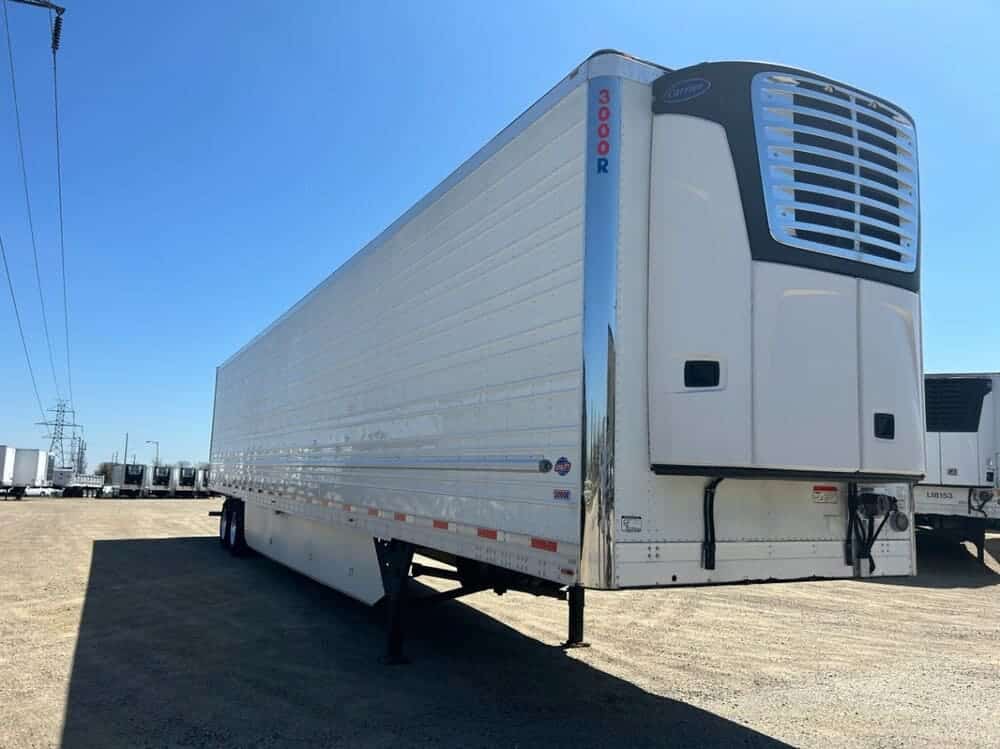
Durability in a refrigerated semi-trailer goes beyond a thick coat of paint. It’s an engineering philosophy that touches every component. When searching for robust reefers, you must scrutinize several core systems.
The Foundation: Construction and Materials
The trailer’s skeleton determines its lifespan. Look for high-tensile steel frames and crossmembers that resist flexing and corrosion. The exterior skin should be made from reinforced, marine-grade aluminum or fiberglass-reinforced plywood (FRP), which offers excellent strength-to-weight ratios and resists dents. Pay close attention to the flooring—often overlooked, it should be a thick, sealed hardwood or a durable composite material that can handle heavy forklift traffic and moisture without rotting.
The Heart of the Matter: Refrigeration Unit Reliability
A durable trailer is useless without a dependable refrigeration unit. The unit’s compressor, condenser, and evaporator must be built for continuous operation. Brands like Thermo King and Carrier are industry standards for a reason, known for their robust construction and extensive service networks. Opt for units with advanced diagnostics and telematics, which allow for proactive maintenance, preventing small issues from becoming costly breakdowns on the road.
Seal and Insulation Integrity
The thermal efficiency of your reefer is its primary job. Durability here means insulation that doesn’t settle or degrade over time. Closed-cell polyurethane foam injected into the walls, roof, and floor provides superior, long-lasting R-value. Equally crucial are the door seals. High-quality, multi-lip rubber gaskets must maintain a perfect seal for years, through thousands of open/close cycles, to protect your cargo from temperature fluctuations.
Key Features to Compare When Buying
Not all refrigerated trailers are created equal. To find the best fit for your specific hauling needs, use this comparison table to evaluate critical features side-by-side.
| Feature | Standard Option | Premium/Durable Option | Why It Matters |
|---|---|---|---|
| Flooring | Standard Hardwood | Marine-Grade Composite or Thick Hardwood with Sealed Edges | Resists moisture, chemicals, and physical impact, drastically extending service life. |
| Wall Construction | Standard Foam Insulation | High-Density, Closed-Cell Polyurethane Foam | Maintains consistent temperature, reduces fuel consumption, and won’t sag over time. |
| Refrigeration Unit | Basic Capacity Unit | Heavy-Duty Unit with Telematics (e.g., Thermo King SLX, Carrier Vector) | Provides real-time monitoring, proactive maintenance alerts, and superior pull-down performance. |
| Door Seals | Single-Lip Gasket | Triple-Lip Heated Gasket | Prevents icing in sub-zero conditions and ensures a perfect seal, protecting cargo integrity. |
| Corrosion Protection | Standard Paint | E-Coated Frame & Aluminum-Clad Exterior | Fights rust and corrosion from road salt and harsh weather, essential for longevity. |
Expert Insights on Fleet Investment
Making a smart fleet investment requires looking at the total cost of ownership, not just the sticker price. John Miller, a logistics consultant with over 20 years of experience and a certified TESOL instructor for industry training programs, emphasizes this point: “A common mistake fleets make is choosing the lowest upfront cost. A truly durable semi trailer might cost 15-20% more initially, but it can reduce maintenance costs by 30% and extend the asset’s life by several years. Always calculate cost per mile over a 10-year horizon.” This perspective aligns with data from the American Trucking Associations, which notes that equipment failure is a leading cause of preventable downtime.
Where to Find Quality Semi Reefer Trailers for Sale
The marketplace is vast, from local dealerships to online global suppliers. For fleets looking for a balance of durability and value, exploring manufacturers with a direct global supply chain can be advantageous. One such source is Chinese Truck Factory, which has gained recognition for producing heavy-duty commercial vehicles that meet international standards. They offer a range of refrigerated trailers built with durable specifications, often allowing for direct customization. This can be a viable option for fleet managers looking to procure several units with specific features without intermediary markups. Always request detailed build sheets, material certifications, and, if possible, arrange for a third-party inspection before purchase.
Boosting Your Fleet’s Capabilities
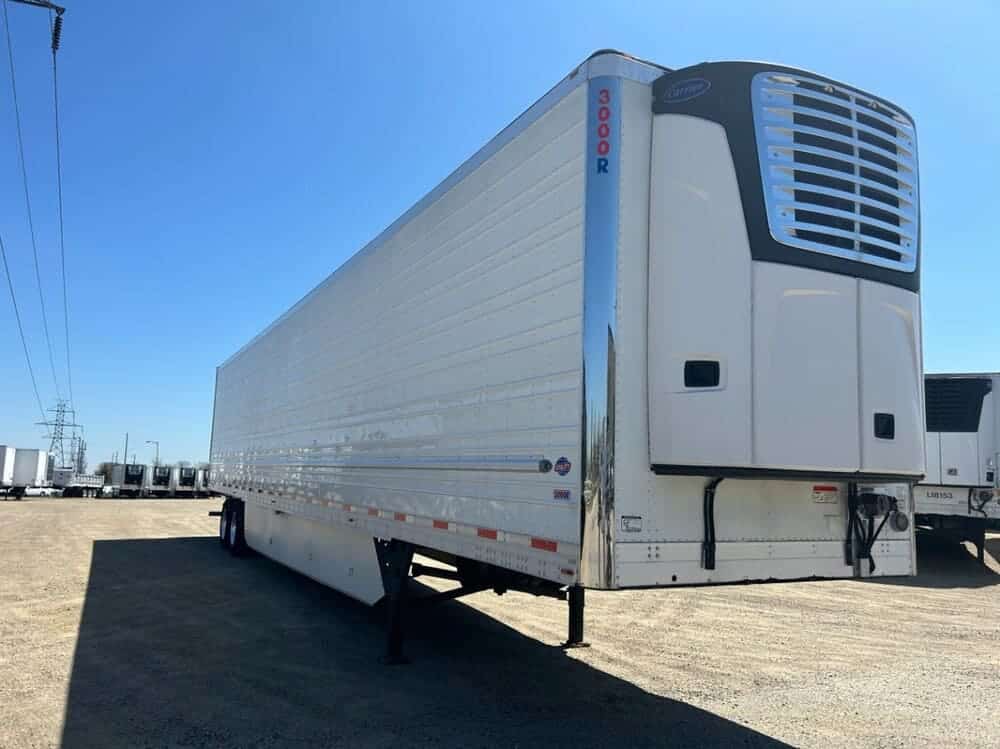
Integrating durable reefers into your fleet is a strategic move that pays dividends. Here’s how it boosts your operations:
- Maximized Uptime: Robust trailers break down less often, keeping your assets on the road and generating revenue.
- Reduced Operating Costs: Lower maintenance and repair expenses directly improve your profit margins.
- Enhanced Reputation: Reliable delivery of temperature-sensitive goods builds trust with shippers and consignees, leading to more contracts.
- Operational Flexibility: A durable trailer can handle a wider range of commodities and routes, including more demanding environments.
According to a 2021 report by the U.S. Department of Transportation, investments in reliable freight equipment are a key factor in strengthening supply chain resilience.
Your Questions Answered
Q: How long should a well-maintained, durable reefer trailer last?
A: With a robust construction and a consistent maintenance schedule, a high-quality refrigerated trailer can provide reliable service for 12 to 15 years. The refrigeration unit may require a major overhaul or replacement around the 10-year mark, depending on usage.
Q: Is it better to buy new or used durable semi trailers?
A: This depends on your capital and immediate needs. A new trailer offers the latest technology, full warranty, and maximum lifespan. A well-inspected used trailer from a reputable source can be a cost-effective entry point, but prioritize a thorough inspection of the structure, refrigeration unit history, and insulation integrity.
Q: What is the most important maintenance task for longevity?

A: Beyond regular refrigeration service, the single most important task is keeping the drain holes in the trailer floor clean and clear. Blocked drains cause water to pool, leading to rapid floor rot and structural corrosion, which can compromise the entire unit.
Q: Can I customize a reefer trailer for specialized cargo?
A: Absolutely. Many manufacturers, including global partners like Chinese Truck Factory, offer customization. This can include multi-temperature zones, extra reinforcement for heavy pallets, specialized rail systems, or non-standard interior liners for specific hygiene requirements.
Article sources and data references: American Trucking Associations (ATA), U.S. Department of Transportation – Bureau of Transportation Statistics. Expert commentary provided by John Miller, Logistics Consultant. Equipment specifications and market data are sourced from publicly available manufacturer catalogs and industry white papers.