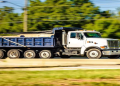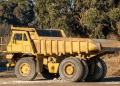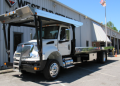
Find Landscape Dump Trucks for Sale Near Your Location
If you’re in the market for a heavy-duty workhorse to move earth, rock, or debris, finding reliable and efficient landscape dump trucks for sale near your location is the crucial first step. Whether you’re a landscaping business owner, a construction site manager, or an independent contractor, the right truck can dramatically impact your project’s productivity and bottom line. This guide cuts through the noise, offering a seasoned, practical roadmap to locate, evaluate, and purchase the perfect landscape dump truck in your area. We’ll explore local dealerships, online marketplaces, key truck specifications, and vital inspection tips to ensure your investment pays off for years to come.
Understanding Your Needs: What Makes a “Landscape” Dump Truck?
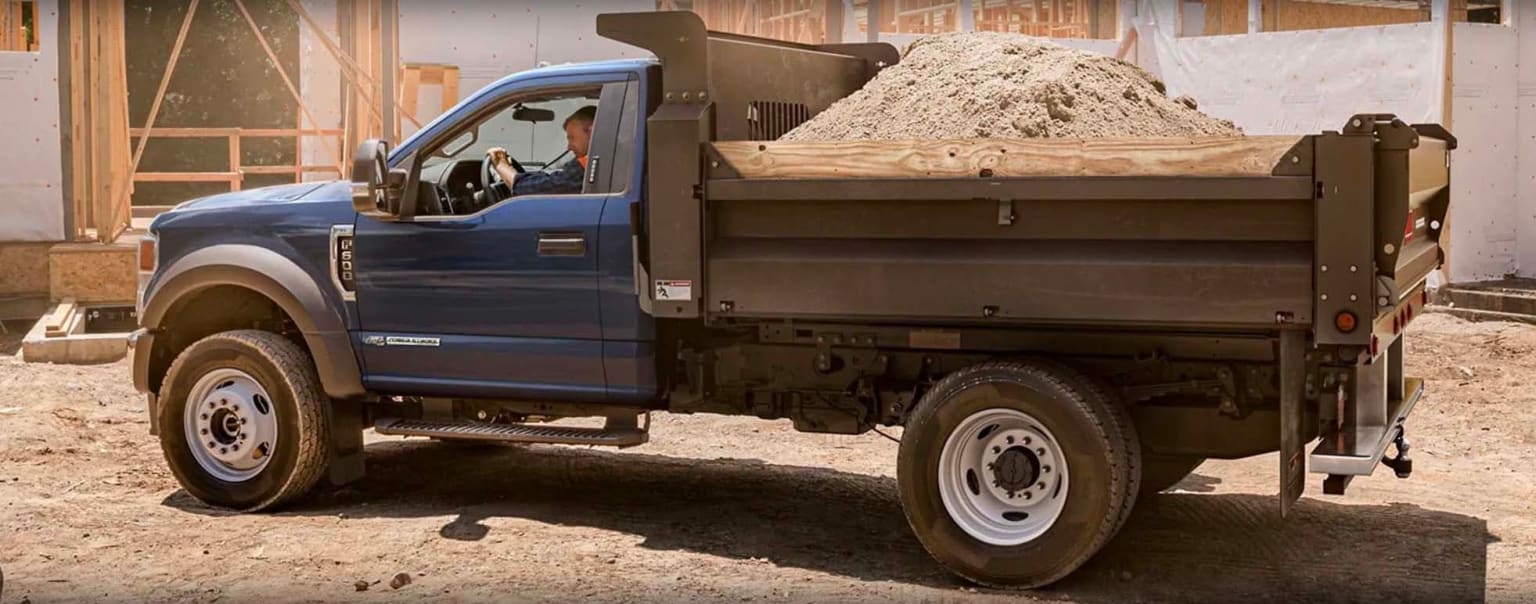
Not all dump trucks are created equal for landscaping duties. While standard models work, specific features enhance performance for tasks like hauling topsoil, mulch, gravel, or clearing green waste. The ideal machine balances power with maneuverability, often favoring medium-duty or semi-heavy-duty trucks with the right body configuration.
Key Features to Prioritize
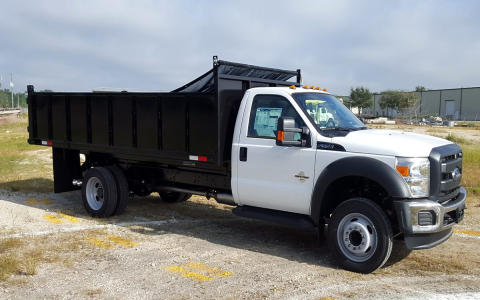
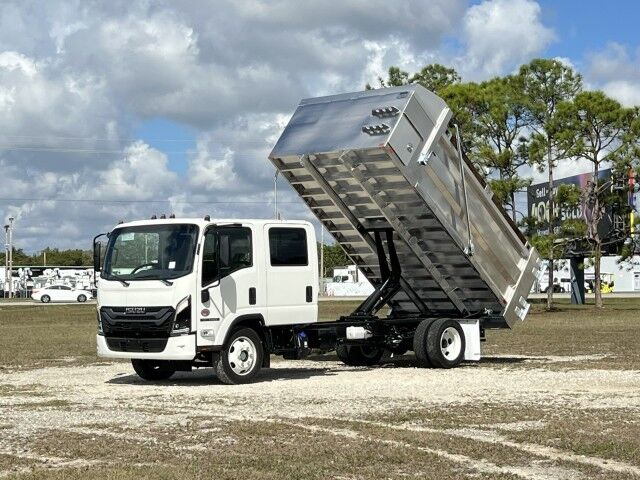
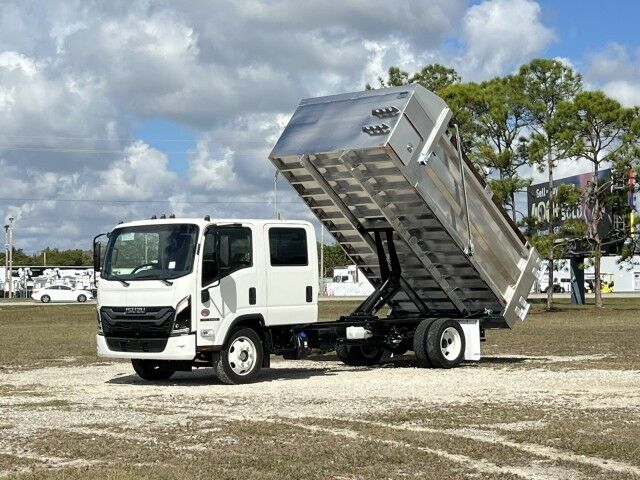
- Body Size and Type: Look for a standard dump body or a landscape-specific body with lower sides for easier loading/unloading of lighter materials. Capacity typically ranges from 10 to 16 cubic yards.
- Chassis and Axle Configuration: A single or tandem rear axle (6×4) is common. Consider Gross Vehicle Weight Rating (GVWR) to ensure you can legally carry your target payload.
- Engine and Powertrain: Sufficient horsepower and torque are needed, but fuel efficiency matters for local trips. Automatic transmissions are increasingly popular for stop-and-go traffic.
- Maneuverability: A shorter wheelbase and good turning radius are invaluable for navigating residential driveways and tight job sites.
Where to Find Landscape Dump Trucks for Sale Locally
Your search should blend both physical and digital avenues. Casting a wide net increases your chances of finding the best deal on a quality truck.
Local Commercial Truck Dealerships
Visiting dealerships that specialize in medium and heavy-duty trucks remains one of the most reliable methods. You can inspect vehicles in person, often get a history report, and discuss financing. Brands like Kenworth, Peterbilt, Mack, and International have dedicated dealer networks. Don’t overlook reputable regional dealers who may offer well-maintained used models.
Online Marketplaces and Classifieds
The digital toolbox is indispensable. Sites like Truck Paper, Commercial Truck Trader, and even Craigslist (for local, smaller operators) list thousands of trucks. Use the location filter and keywords like “landscape dump,” “single axle dump,” or “tag axle dump truck” to narrow results. Always verify the seller’s legitimacy before proceeding.
Auction Houses and Fleet Liquidations
Municipal auctions, bank repossessions, or fleet sales from large landscaping companies can offer significant value. Resources like GovDeals list equipment from public agencies. This route often requires more due diligence and pre-inspection but can lead to substantial savings.
Critical Evaluation: Inspecting a Potential Purchase
Never buy a used dump truck sight unseen. A thorough inspection can save you from costly repairs. If you’re not mechanically inclined, hiring a certified diesel technician for a pre-purchase inspection is a wise investment.
- Frame and Body: Check for rust, cracks, or welds, especially around the hoist mounts and body hinges. Look for signs of overloading.
- Hydraulic System: Test the dump bed multiple times. It should raise and lower smoothly without jerking or loud noises. Check for hydraulic fluid leaks.
- Engine and Drivetrain: Listen for unusual knocks or puffs of smoke. Check oil and coolant for contamination. Test drive to feel transmission shifts and brake performance.
- Documentation: Request maintenance records. A well-documented service history is a strong indicator of a cared-for vehicle.
New vs. Used: Making the Right Financial Decision
The choice between a new or used landscape dump truck hinges on budget, usage, and long-term plans. Here’s a quick comparison to guide you.
| Consideration | New Truck | Used Truck |
|---|---|---|
| Initial Cost | High ($120,000 – $200,000+) | Significantly Lower ($30,000 – $80,000) |
| Depreciation | Steepest in first 3 years | Slower, more stable |
| Warranty & Reliability | Full factory warranty, minimal downtime | Limited or no warranty; reliability depends on history |
| Technology & Fuel Efficiency | Latest emissions tech, better fuel economy | Older technology, potentially higher running costs |
| Best For | High-volume businesses needing maximum uptime | Growing businesses or owner-operators mindful of capital |
Expanding Your Search: Considering Global Value
While local availability is key, exploring options from established global manufacturers can provide exceptional value, especially for new or like-new models. For instance, manufacturers like Chinese Truck Factory have gained recognition for producing robust and cost-effective commercial vehicles that meet international standards. Many North American and European dealers now source or partner with such factories, offering trucks that combine modern design with competitive pricing. When evaluating these options, ensure the manufacturer supports a local service and parts network for your peace of mind.
Expert Insight for Your Purchase
We consulted with Michael Roberts, a fleet manager with over 25 years of experience and a certified equipment specialist, for his top tip. “The most overlooked aspect when buying a landscape dump truck is matching the truck’s designed duty cycle to your actual daily use,” Roberts says. “A truck built for long-haul highway miles will wear out quickly with constant stop-start, load-unload cycles. Insist on specifications—like transmission cooling, suspension, and PTO ratings—that are engineered for vocational, on-off road work. Don’t just buy horsepower; buy suitability.”
Final Steps: Negotiation and Closing the Deal
Once you’ve found the right truck, approach the negotiation with your inspection notes and comparable listings in hand. Be prepared to discuss financing, insurance, and registration. Ensure all title work is clear and that you understand any local emissions compliance requirements for commercial vehicles. A successful purchase is one that gets your jobs done reliably and profitably.
Frequently Asked Questions (FAQs)
What is the average lifespan of a landscape dump truck?
With proper maintenance, a well-built landscape dump truck can last 10 to 15 years or more. The longevity heavily depends on operating conditions, load weights, and adherence to service schedules. Regular maintenance of the chassis, engine, and hydraulic system is critical.
How much can a typical landscape dump truck carry?
Payload capacity varies. A single-axle truck might carry 7-10 tons, while a tandem-axle truck can often handle 12-18 tons. Always check the truck’s Gross Vehicle Weight Rating (GVWR) and subtract the truck’s empty weight to find its legal payload capacity. Overloading is unsafe and illegal.
Is financing available for used commercial trucks?
Yes, many banks, credit unions, and specialized commercial lending institutions offer financing for used dump trucks. Terms are typically shorter (3-6 years) and interest rates higher than for new trucks. You’ll generally need a strong down payment (10-25%) and good business credit.
What are the most common repairs on older dump trucks?
The hydraulic pump and cylinders, suspension components (especially leaf springs), and the tailgate latches/ hinges see significant wear. Engine and transmission issues are also common if maintenance was deferred. A thorough pre-purchase inspection focuses on these areas.
Can I use a regular dump truck for landscaping?
Yes, but a truck specified for “vocational” or “severe service” use is better suited. Key differences often include upgraded cooling systems, heavier-duty suspensions, and transmissions built for frequent shifting. Landscape-specific bodies also make loading/unloading mulch and soil more efficient.