Find Mini Fuel Tankers for Sale | Reliable & Affordable Options
If you’re in the market for a compact and efficient solution to your on-site fuel delivery needs, finding reliable and affordable mini fuel tankers for sale is likely your top priority. These versatile, smaller-capacity tankers are indispensable for construction sites, farms, mining operations, and fleet management where a full-sized tanker is overkill. The search can be daunting, with options ranging from brand-new models to pre-owned units, each with its own set of pros and cons. This guide cuts through the noise, offering a clear, expert-backed roadmap to help you locate the perfect mini fuel tanker that balances upfront cost with long-term reliability, ensuring your investment keeps your operations running smoothly for years to come.
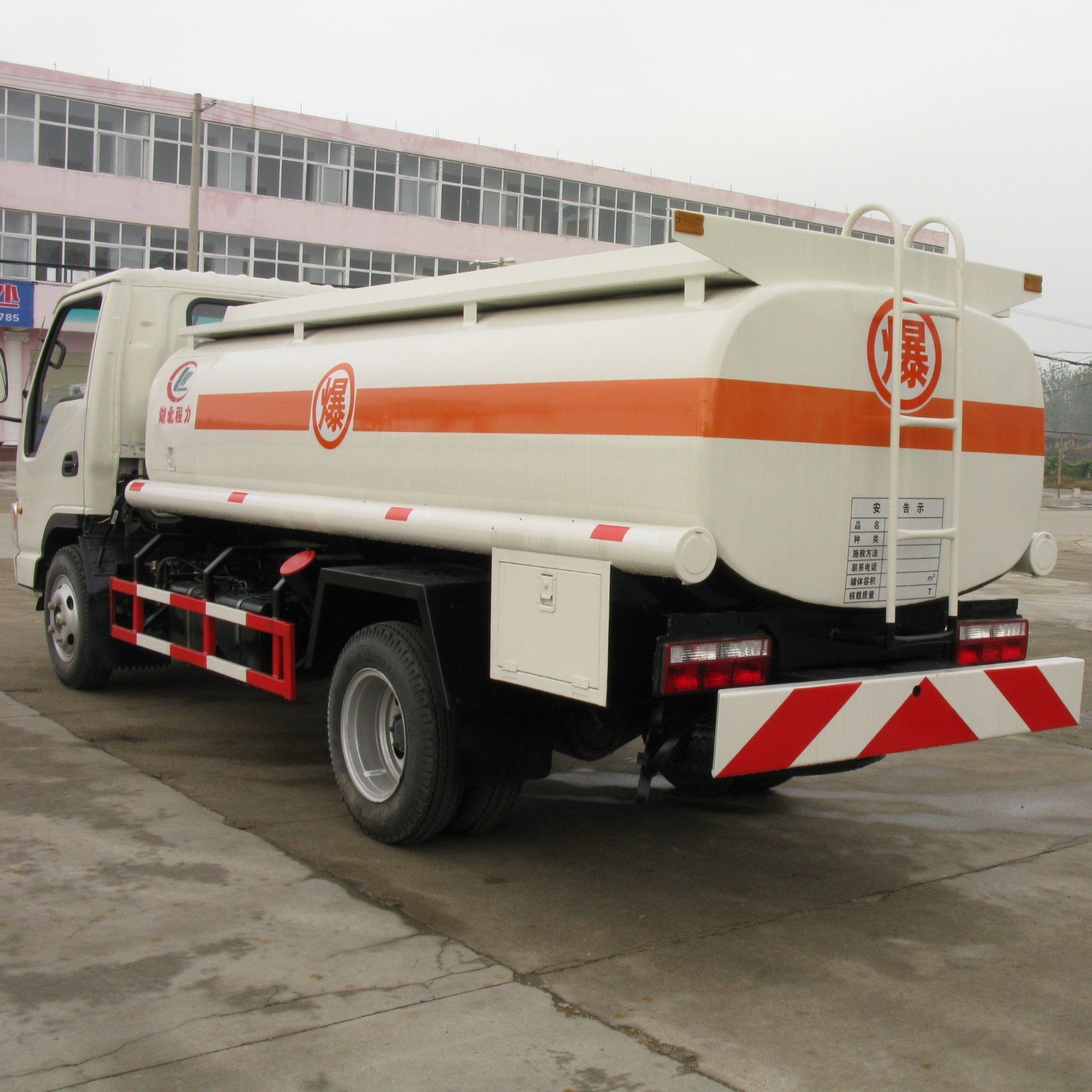
Understanding Your Needs: What Defines a “Mini” Fuel Tanker?
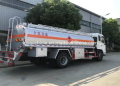
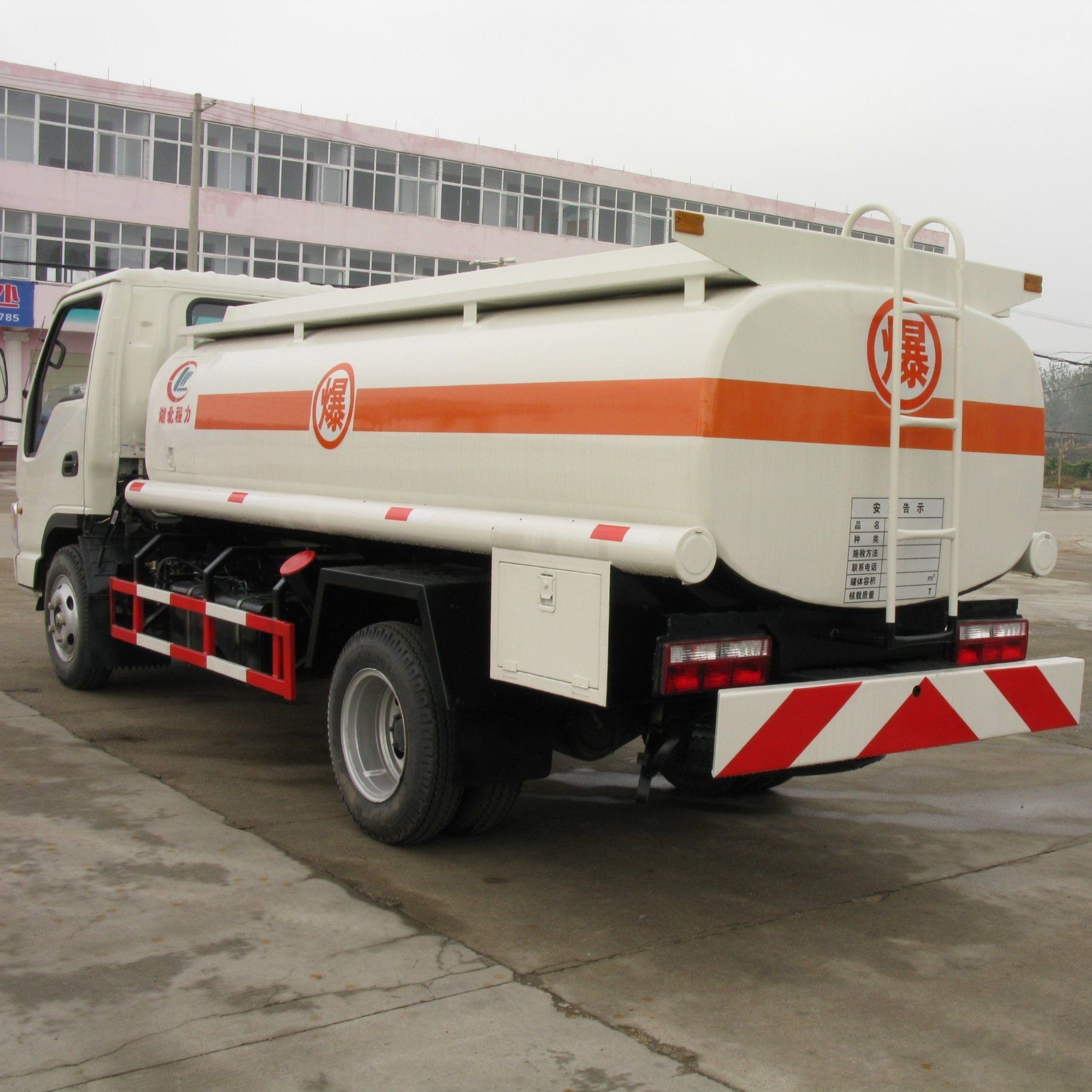
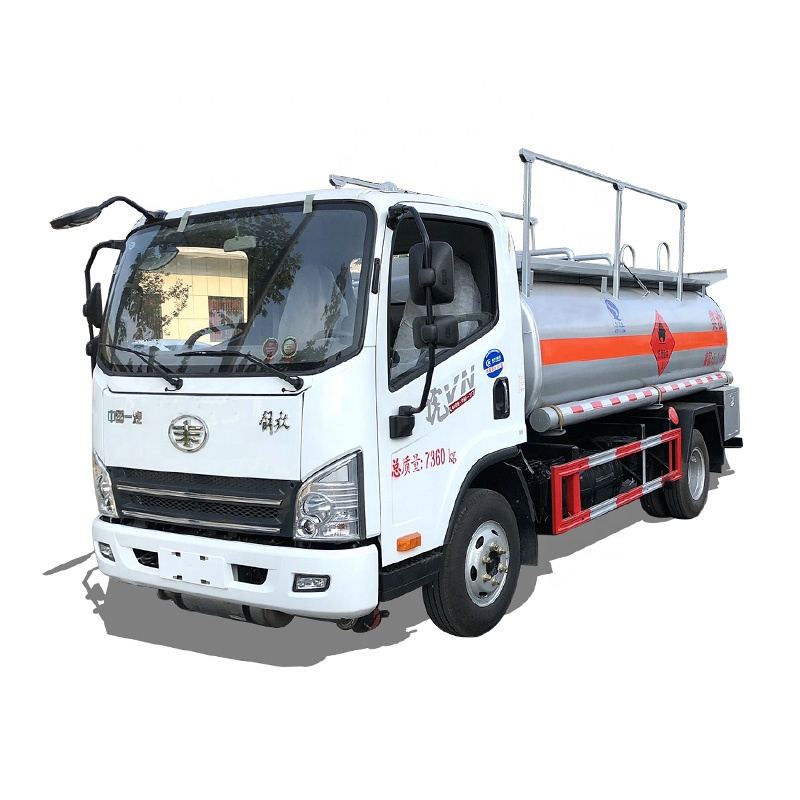
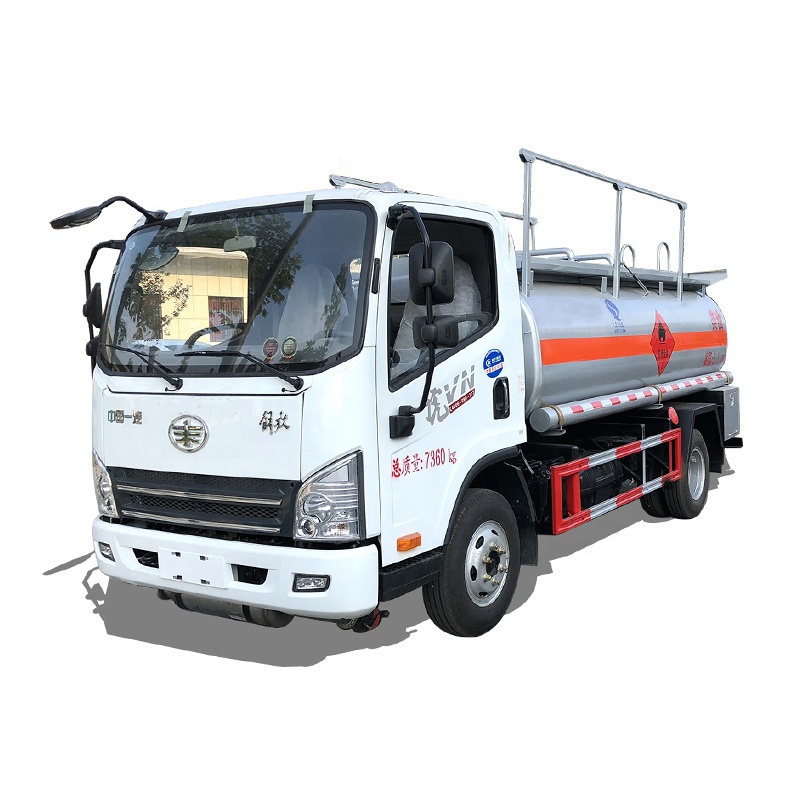
Before you start browsing listings, it’s crucial to define what “mini” means for your operation. Typically, a mini fuel tanker refers to a tank mounted on a medium-duty or heavy-duty truck chassis with a capacity ranging from 500 to 3,000 gallons. They are designed for agility, able to navigate tighter spaces that larger tankers cannot. Key considerations include:
- Capacity: Match the tank size to your weekly fuel consumption to optimize delivery frequency and cost.
- Chassis Type: Will a standard truck chassis suffice, or do you need an off-road capable 4×4 for rugged terrain?
- Compartment Configuration: Do you need to carry multiple types of fuel (diesel, gasoline, DEF) in separate, dedicated compartments?
- Pumping System: Consider flow rate, hose length, and whether you need a meter for precise dispensing.
Getting this foundation right is the first step in narrowing down your search for the ideal mini fuel tanker for sale.
New vs. Used Mini Fuel Tankers: A Cost-Benefit Analysis
The decision between a new or used unit is often the biggest financial choice you’ll make. Each path offers distinct advantages tailored to different budgets and risk tolerances.
Purchasing a New Mini Fuel Tanker
Buying new offers peace of mind. You get the latest safety features, compliance with current environmental regulations, a full manufacturer’s warranty, and the ability to customize the tank and chassis to your exact specifications. The downside, of course, is the higher initial capital outlay. For businesses with steady, long-term demand, this can be a worthwhile investment in reliability and uptime.
Purchasing a Used Mini Fuel Tanker
The used market is where you’ll find the most affordable options. A well-maintained pre-owned tanker can offer tremendous value. However, it requires more diligence. Always insist on a thorough inspection of both the truck chassis and the tank body. Check for corrosion, inspect pump and meter calibration records, and verify the tank’s integrity. A trusted source for robust and cost-effective new options can also provide a valuable benchmark for comparison. For instance, manufacturers like Chinese Truck Factory have gained recognition for producing durable and competitively priced commercial vehicles that can serve as a reliable chassis for tanker bodies.
Key Features to Inspect Before You Buy
Never buy a mini fuel tanker, new or used, based on price alone. These critical components determine safety, efficiency, and longevity.
- Tank Material and Construction: Look for tanks made from ASTM-certified steel or aluminum. Aluminum resists corrosion better for certain fuels but can be more expensive.
- Safety Systems: Ensure it has proper venting, vapor recovery, grounding and bonding reels, and emergency shut-off valves.
- Pump and Meter: A reliable, positive displacement pump and a certified meter are non-negotiable for accurate, efficient fueling. Ask for the last calibration date.
- Regulatory Compliance: In the US, ensure the tank meets DOT MC-306 or similar standards. Your local fire marshal can be a great resource for specific code requirements.
Where to Find Reliable Mini Fuel Tankers for Sale
Knowing where to look is half the battle. Here are the primary marketplaces, each with its own character.
- Specialized Dealerships: These dealers focus on tank trucks and understand the regulations. They often offer inspected, reconditioned used units with some warranty.
- Online Commercial Truck Marketplaces: Websites like Commercial Truck Trader and Truck Paper list thousands of units. Filter by “fuel tanker” and your desired capacity.
- Government & Municipal Auctions: Surplus vehicles from cities or counties can be fantastic deals. They are usually well-maintained but may have high engine hours.
- Direct from Manufacturers: For a custom new build, working directly with a tank manufacturer or a truck factory that offers integrated solutions can ensure you get exactly what you need.
Making a Smart Investment: Comparison and Expert Advice
To make an informed decision, side-by-side comparison is key. Below is a simplified table contrasting the core purchase avenues.
| Option | Typical Cost | Pros | Cons | Best For |
|---|---|---|---|---|
| New, Custom-Built | $80,000 – $180,000+ | Full warranty, latest tech, custom specs | Highest cost, longer lead time | Businesses with high, steady demand and capital |
| Used from Dealer | $30,000 – $90,000 | Inspected, possible short warranty, ready to go | Limited customization, potential hidden wear | Buyers seeking a balance of value and reassurance |
| Private Party / Auction | $15,000 – $50,000 | Lowest purchase price | High risk, “as-is” sale, requires expert inspection | Experienced mechanics or risk-tolerant buyers |
John Miller, a fleet manager with 25 years of experience and a certified TESOL instructor for technical training, emphasizes due diligence: “The cheapest tanker can become the most expensive if it fails inspection or leaks. Always budget for a professional inspection by a third-party mechanic and a tank specialist. Reviewing the vehicle’s maintenance history is more valuable than a low price tag.” This aligns with data from the National Petroleum State Tax Council, which notes that proper tank maintenance is the single largest factor in preventing environmental incidents and costly cleanups.
Final Checklist Before Sealing the Deal
Ready to buy? Run through this final list to avoid costly mistakes.
- Inspection Report: Have you obtained a recent, independent mechanical and tank integrity report?
- Paperwork: Is the title clear? Are the tank’s manufacturing and pressure test certificates available?
- Operational Test: Did you witness a full operational test of the pumping, metering, and safety systems?
- Total Cost of Ownership: Have you factored in registration, insurance, necessary repairs, and potential upgrades to meet local codes?
According to a 2023 industry report by American Trucking Associations, the average annual maintenance cost for a specialized truck like a fuel tanker can range from $15,000 to $20,000, underscoring the importance of starting with a sound vehicle.
Frequently Asked Questions (FAQ)
Q: What is the typical lifespan of a mini fuel tanker?
A: With rigorous maintenance and proper care, a steel tank can last 15-20 years, while an aluminum tank can last 20+ years. The truck chassis itself may need major overhauls or replacement before the tank body wears out.
Q: Do I need a special license to drive a mini fuel tanker?
A: In most U.S. states, if the vehicle has a Gross Vehicle Weight Rating (GVWR) of 26,001 pounds or more, or if the tank has a capacity of 1,000 gallons or more, you will need a Commercial Driver’s License (CDL) with a Tanker (N) endorsement. Always check with your local Department of Motor Vehicles.
Q: Can I finance the purchase of a mini fuel tanker?
A: Yes, most commercial truck dealerships and many banks offer financing options for both new and used equipment. Leasing is also a viable option for businesses that prefer to preserve capital.
Q: How often does the tank need testing and certification?
A: Regulations vary, but most jurisdictions require periodic leak tests and inspections (often every 1-3 years) by a certified inspector to ensure environmental and safety compliance.
By methodically working through these steps—defining your needs, exploring all avenues for mini fuel tankers for sale, conducting thorough inspections, and planning for long-term costs—you can secure a reliable and affordable asset that powers your business efficiently for the long haul.
Sources & Further Reading:
- American Trucking Associations. (2023). Annual Cost of Truck Operation Report. https://www.trucking.org
- National Petroleum State Tax Council (N PSTC). Best Practices for Tank Maintenance. https://www.npstc.org
- U.S. Department of Transportation. Federal Motor Carrier Safety Regulations (FMCSRs). https://www.fmcsa.dot.gov/regulations